


Author: Allen Graves

Guest Segmentation to Fuel Your Restaurant Marketing Campaigns

The restaurant and coffee shop customer marketplace is more crowded than ever.

Every time a potential client opens a website on their desktop browser or smartphone browser, social media platforms, entertainment apps, and even productivity apps, they’re faced with all kinds of marketing messages.

How do you get the right eyes on your marketing content to promote your business effectively?

Successful restaurant and coffee shop marketing is essential for staying competitive in a highly populated industry. No matter where you’re located, you probably have to contend with various other competitors offering similar products to yours.

Like the competition for successful marketing, competition to successfully draw customers to your restaurant or coffee shop (and away from your direct competitors), should be top-of-mind.

After all, marketing is an ongoing process. You have to stay competitive and stay present on various internet platforms in order to attract clientele.

Thankfully, there are powerful marketing strategies that you can utilize to your ultimate benefit. Customer segmentation, or guest segmentation, is a particularly excellent way to boost the return on investment from your restaurant’s marketing budget.

Customer Segmentation for Restaurants and Coffee Shops

Collecting Guest Data for Customer Segmentation

It is impossible to accurately segment your customer base into various groups without comprehensive, dependable, and clean data. Firther, the data should be collected from multiple sources, such as:

  • WiFi engagement
  • Websites
  • Social media
  • POS systems
  • Rating and review sites
  • Reservation systems
  • and online ordering platforms

By collecting your guest data from many different sources, you will begin to get a full 360-degree view of your guests. Each of these data collection channels can give you different data points to use when you begin to segment your database.

Before we dive into data collection, let’s discuss the basics of guest segmentation.

What Is Restaurant Guest Segmentation?

Customer segmentation is a marketing strategy of “segmenting” your current or potential customers into distinct groups (market segments) and then marketing your business to them using focused, group-specific messaging.

Customers are split into groups based on their demographic data–age, geographic location, gender, etc.–and their behavioral and psychographic data–what online content they interact with, how they behave at your place of business, and their perceived interests.

These groups are called customer segments, and each segment has its own persona. And different personas like to be marketed to in certain ways.

Based on marketing research, when you engage with clients with unique, individualized methods, you’re more likely to garner interest and ultimately draw leads to your business.

Marketers can successfully collect segmentation data, then optimize their marketing campaigns based on which “segments” they’re addressing with a given advertisement, social media post, email, or SMS.
Customer Segmentation Guide for Restaurants and Coffee Shops

How To Group Your Customers?

You might wonder how the power of today’s technology can help you split your guests into these segments. The answer lies in customer data collection.

As discussed already, there are ways to retrieve data to form customer profiles, which help you understand your customers better. Then, you can subdivide your customer database into verious segments.

You can also use software to collect and analyze data for much less than outsourcing these services to an agency. Check out the Bloom Intelligence Restaurant Marketing & Customer Data Platform to see it in action.

Once you collect your guest data, you can sort and filter guest profiles to view your new grouped segments. Then, use this information to create targeted marketing messages. Fine-tune your current marketing strategies or devise new ones to personalize the guest experience.

Why Send Different Marketing Messages to Different Segments?

The ultimate goal of customer segmentation is to adjust your messaging to appeal to different segments. Customer segmentation helps certain demographic-specific businesses find their customers among the highly populated masses online.

For instance, cosmetic companies are probably looking for young, female clients that are particularly interested in beauty products. They’ll market themselves exclusively to this relevant segment.

Similarly, a skateboarding company knows that it isn’t relevant to the population at large. They will try to find relevant clients in urban teenagers and young adults.

So, marketing their products to seniors and middle-aged business people would produce little return on investment. Therefore, these companies would be wasting their marketing budgets without using effective customer segmentation.

The restaurant industry, meanwhile, has mass appeal. You aren’t necessarily looking to narrow down your audience as much as fine-tuning the voice of your marketing strategies to speak to different restaurant guests.

The voice of your marketing messages should be very different for older business people as it is for teenage skateboarders, but the message at the root of your strategy is the same: people should come to your restaurant!
Learn the Value of Customer Profiling

What the Studies Show

Studies show that guest segmentation works, and actually improves the customer experience, too.

CMO.com states that on average, advertisements targeted to unique customer segments are twice as effective as broad-audience, non-targeted ads. And, in fact, the Federal Trade Commission reports that almost 70% of polled consumers actually prefer marketing that is tailored to their interests.

Customer segmentation isn’t just powerful; it’s popular.

Your direct competitors may very well be using this strategy. So, to stay competitive, you should as well.

How to Use Guest Segmentation

In the restaurant and coffee shop marketing industries, guest segmentation has plenty of benefits. First, you can use this tactic to improve messaging. Messaging refers to your approach to communication with your audience.

How do you engage guests and highlight the value of your restaurant? Modify your voice to speak to different segments of your customer base.

For example, if your restaurant has a formal, sophisticated ambiance, you might use professional language and elegant imagery to appeal to an older, higher-income segment of your audience.

Meanwhile, you can appeal to a younger, lower-income segment with more relaxed language and references to date nights or other special occasions.

Marketing messaging for your restaurant can be playful, refined, value-focused, or even exclusive – all based on the segment you’re speaking to.

Guest Segmentation for Advertising and Remarketing

You can use customer segmentation for remarketing on Google and other search engines. Identify profiles of users who have already visited your website or taken specific actions, like placing an online order or reservation, or those who logged into your WiFi.

Then, serve advertisements and other marketing messages to “remarket” toward these clients. The goal is to create lifetime customers who keep coming back.

Restaurants can also advertise with “lookalike” campaigns on Facebook, Instagram, and other popular platforms to increase engagement and appeal to new clients. This strategy identifies segments of existing customers–those who have already visited your website–and then targets digital profiles of similar segments.

For example, if you have a large population of college students that visit your website (and your restaurant), social media platforms can identify other college students in the area and market your restaurant to them, aiming to appeal to these lookalike profiles.

Just remember to adjust your messaging for these audiences!

Using Social Proof to Get More Customers

Automate Data Collection and Guest Segmentation with Bloom Intelligence

Customer segmentation may seem like a difficult strategy to implement. Unfortunately, it can be very difficult to collect and analyze the data you need in order to segment clients without the use of a WiFi customer intelligence platform like Bloom Intelligence.

You can either hire a third-party marketing company to track customer data–a potentially expensive option–or save money and use Bloom to collect large amounts of customer data for you.

With Bloom, you can quickly and easily segment clients yourself and create targeted automated marketing strategies for much less. This saves money and time, increases customer lifetime values, brings new guests, improves your reputation, and increases your bottom line.

To see more of what Bloom can do for your restaurant or coffee shop marketing, schedule a free demo today, or call us at 727-877-8181.


How to Improve Online Ratings and Reviews

In today’s competitive marketplace, positive customer ratings and reviews can be one of the most valuable and powerful customer acquisition and marketing tools for your restaurant business.

  • Consumers are likely to spend 31% more at a business with excellent reviews
  • 72% of consumers say that positive reviews make them trust a local business more

If you’re currently not paying attention to your ratings and reviews, take a look at our post, Why Every Restaurant Should Care About Customer Ratings, to discover the potential revenue you’re undoubtedly leaving on the table.

Customer leaving a rating and reviewIt also goes without saying that receiving more positive customer reviews can not only help you increase foot traffic and revenue, but consumers will have more assurance and trust that they will have a pleasurable experience at your establishment.

Here are a few ways in which you can get more of those valuable positive ratings and reviews from your restaurant visitors.

Put Your Reviews Where Customers Can Easily Find Them

If you want your customers to leave you ratings and reviews, you need to make sure they know where to do it. One of the best solutions is to utilize your guest WiFi landing page, sometimes referred to as a captive portal. When customers log in to your WiFi network, you can ask for a review there, or provide links to your review pages on the popular review sites.

Other ideas might include adding signage on your tables or at your POS or adding a review form directly on your website.

When you have an automated WiFi marketing platform, you can set up an automatically triggered email to go to your customers after they leave your establishment asking them for a rating. If the rating is good, you can follow up with links to the popular online rating sites and encourage them to share.

If the rating is bad, you can follow up with an apology and an incentive to get the customer to give you a chance to make things right. This will potentially mitigate a bad rating making it online.

The strategy is known as a rating feedback loop and it can be very powerful in gaining consistent, positive ratings and reviews. Blow, we’ll show you how Bloom Intelligence can automate this process for you.

Ask Your Customers for Ratings and Reviews

There’s nothing wrong with asking happy customers to give you an online rating and review. When you see a guest having a pleasant experience, strike up a conversation. Then ask them to visit a site like Google or Facebook and share their experience.

Requesting a review while face-to-face with your customer can be incredibly effective. According to marketingland.com, “asking in person can garner you seven to eight times more reviews than asking via email.”

Guide to restaurant ratings and reviews

Strike at The Right Time

Yes, a mixture of good and not-so-stellar ratings can appear more authentic to internet surfers, but you obviously want a lot more of the positive ones. When asking your patrons for ratings and reviews, look for those who:

  • Are outwardly having a great time
  • Are “regulars” at your location
  • Seem to be dwelling longer than your average patrons
  • Compliment your food or atmosphere
  • Finished their entire meal
  • Gave a large tip

These customers can become your best online advocates, so be on the lookout for them and don’t be afraid to ask for a rating or review.

Go Where Your Customer Go

You can ask for ratings and reviews online, as well as in person. The key here is to find out where your customers are online. For instance, if a large portion of your customer base is active on Facebook, make sure you have a company Facebook page that you are actively posting and commenting on. This engagement generates trust, loyalty, and comfort.

This applies to any social media channel. The time you spend engaging with your customers will be well worth it. And when they feel comfortable with you online, they’ll likely leave you a more positive review when asked.

Offer a Reward for Ratings and Reviews

Asking for a rating or review is a very effective way of increasing positive online ratings. So why not reward customers who rate or review your restaurant? You could offer every customer who gives you a rating a free item from your menu or a discount on their next visit.

Make sure to mention that the offer is for any rating or review – good or bad. If they feel “bribed” and leave a good review solely because of the payback, your data can become skewed, and you will miss out on the valuable reviews that you can use to improve your business.

Use social proof to get more customers

Be Best at What You Do

Above all, you should always strive to present the best food and drink with amazing service in an incredible atmosphere. When you do this, great ratings will inherently follow. And when you begin encouraging customers to give you ratings by following the tips above, you’ll be sure to see increases in overall foot traffic, customer frequency, and customer spend.

Manage Your Ratings and Reviews Effectively

With Bloom Intelligence, not only can you automatically reach out to your customers asking for ratings, but you can manage and reply to your ratings and reviews all in one place. With Bloom’s integration with Google and Facebook, you won’t have to spend time managing them separately on different platforms.

Having all of your ratings and reviews all in one place allows you to easily spot trends and make appropriate changes to your marketing and operations procedures. And you’ll have graphical reports to further help you spot trends.

This can save you time and money, and let you do what you do best – run your business!

To see a free demo of Bloom’s rating tools, and all of the other valuable marketing tools Bloom has to offer, click here for a demo or call us at 727-877-8181.

You will save huge amounts of time, increase customer lifetime values, get more new customers, bring back churning customers, and improve your online restaurant reputation with ease.

Restaurant reputation management guide

How Restaurant Ratings Affect Your Business

In the business world, it’s true that perception is reality. For restaurants, a high overall customer rating and great reviews can translate into many more customers, higher customer lifetime values, and a better bottom line.

Conversely, negative ratings may mean fewer people coming in and lower revenue for your establishment. The effects of bad reviews can have a significant impact on the success of your restaurant.

For this reason, it’s critical that you pay attention to your restaurant ratings and reviews. With the right strategies and tactics, you can improve your rating faster and more effectively than you might imagine.

Click on the banner below to register for our webinar, “Automating Ratings & Reviews Requests and Measuring Customer Sentiment” and learn how to automate the process of getting more positive consistent ratings, how to measure customer sentiment to improve marketing and operations. We’ll show you how to bring it all together to improve customer lifetime values, get more new customers, and increase your overall revenue.

The Numbers: Restaurant Ratings and Reviews

Here are several statistics to reveal just how powerful positive restaurant ratings can be in today’s marketplace.

According to Modern Restaurant Management, an increase of just one-star rating can give a business an approximate 5-9% increase in revenue. And an increase of just one-half star would likely fill your seats during peak business times.

They also reported that 34% of diners choose a restaurant based on peer review websites.

And 53% of 18-to-34- year-olds reported that online ratings and reviews factored into their dining decisions, as do 47% of frequent full-service customers.

The importance of online ratings and reviews has been shown to have a direct impact on revenue. Consumers are likely to spend 31% more at a business with excellent reviews. Imagine what this could mean for your bottom line.

Trust is key for restaurant customer loyalty, and according to BrightLocal.com, a whopping 72% of consumers say that positive reviews make them trust a local business more. This shows just how important ratings are to local businesses. Restaurant reputation management is a business function that simply cannot be ignored.

What is the industry that most people read online reviews? You guessed it – restaurants. MRM reported that 61% of consumers have read online reviews about restaurants – more than any other business type.

To add to that, according to Upserve, 90% of guests research a restaurant online before dining—more than any other business type in their study. And, 57% of those guests viewed restaurant websites before selecting where to dine.

This further highlights the growing importance of garnering consistent, positive ratings and reviews.

Upserve further went on to support all of these statistics revealing that:

  • 92% of consumers read restaurant reviews.
  • 77% prefer peer reviews versus critic reviews.
  • 33% would never eat a restaurant with less than four stars.

Start Managing Your Ratings and Reviews Today

The success of a restaurant, its owner, or franchiser is heavily dependent on the ratings and reviews it receives from customers.

In today’s marketplace, where consumers are more reliant than ever before on online ratings and reviews for their dining decisions, there has never been a better time to focus your efforts on getting positive consistent ratings for your establishment.

We hope you found these statistics insightful and want to learn how you can improve customer lifetime values by focusing on building up an excellent reputation in this competitive industry.

Our team would love to help you automate the process of getting more positive consistent ratings and reviews, as well as to measure customer sentiment so you can start improving your restaurant reputation immediately!

Which stats did you find most interesting? Let us know below – we’d love to hear from you!

To see more of what Bloom can do for your restaurant or coffee shop marketing, schedule a free demo today, or call us at 727-877-8181.

Guide to improving your restaurant ratings and reviews

Improve Your Marketing ROI and Save Time and Money

Are you struggling to see a positive ROI from your restaurant marketing campaigns? Are you tired of spending money and time, only to see a lackluster performance?

If you can effectively segment your customer base and personalize your messaging, you’ll have a powerful opportunity to boost ROI and be a rock star for your company or franchisees.

Simply put, customer segmentation and personalization of your marketing messages are crucial in today’s competitive marketplace.

It can take you from losing money from an empty restaurant to a generating huge ROI from a packed house.

What are Segmentation and Personalization?

Segmentation and personalization refer to using customer data to create much more effective email content because it can be tailored for each individual or each customer persona.

Using personalized messaging has been proven to improve open rates and generate more revenue because it allows restaurant marketing professionals to create more relevant content that will more effectively pique the interest of the consumer.

By collecting customer data through your WiFi access points, and grouping those customers into separate lists, marketers can avoid sending out a single mass message in hopes that it resonates well with at least some of the audience.

Instead, they can focus on sending highly targeted messages to each customer segment, increasing open rates, and encouraging more engagement.

How to Collect Individual Customer Data

To execute an effective personalized email marketing campaign, you’ll need to have comprehensive data about your individual customers.

There are various ways in which to collect customer data, but most are either expensive or take a great deal of time and energy.

The only efficient way to gather enough comprehensive, verified data to effectively create a personalized campaign is to use a quality WiFi Analytics platform.

Using WiFi technology, you’ll be able to capture data directly from your customers when they log into your WiFi access point.

This will allow you to passively gather the necessary individual customer information required for proper personalization.

Using progressive profiling, data such as name, email address, phone number, age, gender, birthday, and other information is entered by the customer each time they log back into your WiFi.

In addition to all of this demographic information, the WiFi analytics platform also tracks the physical behavior of your customers, logging things such as dwell times, repeat visits, coupon redemption, days of the week, and hours of the day they have visited.

With this kind of thorough and reliable data, marketers can begin using it to build powerful, data-driven targeted restaurant and retail marketing campaigns.

Using Data to Build Personalized Marketing Messages

According to research from Salesforce, the world’s #1 customer relationship management platform, data targeting and segmenting were used 51% more by overperforming businesses than those who were underperforming.

This makes perfect sense when thinking about today’s consumers. They expect personalized messaging and they quickly sniff out when they’re receiving a simple generic mass-marketing message.

The simplest way to get started creating segmented and personalized campaigns is to make your customer profile data filterable.

This will allow you to start building segments of specific customers based on their demographics and behavior data.

Email Segmentation for Marketing

It is important to be able to save these segmented lists so you don’t have to build them each time you want to send out a message.

Some examples of segmented lists might include:

  • Women over 30 who visited on Mother’s Day of last year.
  • Any customer who has visited more than x times.
  • Customers whose average dwell time is under 20 minutes.
  • Men below 45 years old who have only visited your establishment once.
  • Women/Men who only visit at lunchtime.

As you can imagine, these specific audiences would likely respond best to entirely different marketing messages.

Being able to segment your customer list allows this to happen.

While building these lists, you’ll need to be brainstorming about how to effectively engage these groups.

As you go through this process, ask yourself and your team members these questions:

  • What kind of action do I want this customer to take?
  • What is the best way to reach this customer?
  • What kind of deals or promotions would interest this customer?
  • What kind of deals and promotions would this customer NOT be interested in?
  • What new products or services might engage this customer?
  • What are this customer’s pain points? Why do they need what I offer?
  • How can I attract and engage more customers like this?
  • What type of imagery would engage this customer?

Always Be Testing

Now that you have your customer segments properly defined, and you have an idea of the marketing messages and promotions you want to send to them, it’s time to get started.

When you create and send your marketing message to each list, it is vital that you monitor the ROI of each campaign.

As initial results come in, analyze the results and keep them documented in your platform.

The next time you send a message to each group, you’ll want to make a small change to the message.

You should only make a single change to the message while testing. Send the message and compare its results to the original message.

If results are not as good as the original, go back to your original message and test a different aspect of the message.

If results are better, keep the change and continue testing and optimizing over time. This is known as A/B testing.

Also, don’t forget that you’re not just targeting current customers.

You should also be seeking out new lookalike prospects online and targeting them in an effective manner using the data you’ve collected.

These prospects should have a higher probability of becoming a new customer, providing a more cost-effective means of acquiring new customers.

Final Thoughts On Marketing Segmentation and Personalization

Segmenting and personalizing your email marketing messages with reliable customer data has been proven as an effective way to deliver relevant and engaging marketing content to your customers.

This adds value to their experience and can quickly improve your open rates and subsequent revenue.

Using a WiFi restaurant marketing and analytics platform to collect a large volume of the right data, personalizing your marketing campaigns has never been easier.

You’ll feel confident as you make solid data-driven decisions, drive company growth and build a much larger base of loyal customers.

Take the next step today! Call us or schedule a free demo online to see how Bloom Intelligence can

Drive More Revenue Into Your Restaurant Business With Customer Data

Until now, restaurant marketing professionals have had a tough time authenticating the ROI of their online and offline marketing campaigns.

However, as customer behaviors blur the lines between screen time and storefront visits, WiFi analytics and marketing platforms have changed the game, allowing physical locations to collect real-time tangible campaign data from actual customers—whether they’re scanning menus at corner cafes or checking odds through integrated betting sites at neighborhood pubs. More importantly, when used properly, this data can provide a significant return on investment, revealing patterns that refine everything from peak-hour staffing to cross-channel incentives that keep foot traffic steady year-round.

In the past, retail and restaurant managers had to pay companies large sums of money to obtain accurate and detailed customer profile data.

While this information provides a good look into customer demographics and psychographics, there are two main issues:

  • The data collected is only a snapshot in time. If you’re looking for consistent data, you’re going to have to continue purchasing it.
  • The data collected is typically from a small sample size of customers.

Fortunately, a WiFi analytics and marketing platform can eliminate the issues. You’ll consistently receive real-time data, build accurate and detailed customer profiles, and you will see it from a very large sample size of your actual customers.

And you can do this at a fraction of the cost of purchasing data from traditional companies.

Customer profiles can allow you to make much smarter marketing decisions and engage with your customers on a more personal level, driving higher customer spend and loyalty, saving on costs, improving restaurant reputation, and boosting ROI.

Now that you know you can quickly and easily collect all the valuable data you want, let’s take a look at the actual value customer profiles can add to your bottom line.

Turning Customer Profiles into Increased Revenue

Knowing who your customers are can make all the difference in the world when it comes to your marketing strategy and results.

By collecting detailed customer profile data, you can create marketing campaigns that will speak much more clearly to each of your audience segments.

This allows you to not only define and differentiate your most valuable customers but to speak to them in an effective way that they will understand and engage with, persuading them to keep coming back.

As you’ll see below, this can make a tremendous difference in your profitability.

You’ll be able to:

  • Identify your ideal customers in terms of value, and market to them effectively
  • Classify other audience groups you may or may not have previously identified
  • Measure ROI and optimize messaging for each audience segment
  • Develop new products, services, menu items, deals and promotions

As you begin using your customer profile data to segment and effectively message your customers, you’ll see much more success increasing your per-person averages and customer lifetime values, filling your locations with buying customers, and increasing your bottom line.

Multiply Results with Personalized Marketing Messages

With detailed customer profiles gathered through your WiFi marketing hub, personalized campaigns not only become entirely possible, but they’re also easy to set up, maintain and measure.

You can target your messaging by profile information like age, gender, geographic location, visit times, length of stay and several other demographic and behavior data points with messaging that speaks to that particular segment.

According to Mindfire, Inc., a marketing automation company, in a study of 650 multi-channel marketing campaigns, personalized campaigns consistently and overwhelmingly beat out static campaigns in generating a high response rate from recipients.

And according to The Direct Marketing Association, 77% of ROI comes from segmented, targeted and triggered campaigns.

In our free guide, The Value of a Customer Profile, we go into detail around the monetary value of customer profiles, showing how a chain of 5 restaurants could increase their customer visits by an additional 480 visits a month.

Then we factor in per-person averages and cost to acquire a customer and show how just one marketing message per month could bring in an additional $80,000 in annual revenue.

We further explain that increasing customer frequency – of just 10% of their customer profile base – could take that number and increase it dramatically, to an additional $417,600 in annual revenue.

Then we factor in personalized messaging and behavior-driven marketing, and that number increases even more.

You can download the guide here to see all the details. It’s truly an eye-opening read.

Save on Costs

Not only will customer profiles help you in terms of getting customers to come back more often and spend more, they can help save you money in costs as well.

We’ve already talked about the costs of collecting customer profiles using WiFi technology being a fraction of the cost of purchasing data from traditional companies.

You’ll also save money on advertising costs. In an Ayman Farahat and Michael Bailey study conducted on targeted advertising, they found, assuming the cost per 1000 ad impressions (CPM) is $1 USD, that:

  • The marginal cost of a brand-related search resulting from ads is $15.65 per search, but is only $1.69 per search from a targeted campaign.
  • The marginal cost of a click is 72 cents, but only 16 cents from a targeted campaign.

Targeted advertisements, no matter the channel, will typically yield higher results for lower costs, dramatically reducing your cost per customer acquisition.

{{cta(‘d916771f-4aa5-4869-85d2-2e938fa36500’)}}

By collecting customer profile data, and using WiFi analytics, you’ll be able to not only identify your high-traffic days and times, you’ll begin to be able to better predict them.

This will allow you to bring on the right amount of staff at the right times, avoiding overstaffing and loss of payroll dollars.

In addition, you’ll be able to make smarter purchasing decisions, keeping your items as fresh as possible and decreasing the likelihood of running out of a product – the dreaded ‘86’.

It’s Time To Get Started

The value of customer profiles can be seen from several different angles. With the emergence of WiFi technology, it has never been easier to passively collect this valuable data and act on it.

Customer profiles can be extremely valuable, giving you a greater understanding of who your best customers are, allowing you to speak to them when, where and how they want to be spoken to.

This drives engagement, familiarity and loyalty between you and your customers, driving solid increases in PPA and CLV and saving on costs.

With the amount of competition out there, customer profiling can be one of the easiest methods of gaining a strong competitive advantage and ensuring lasting success.

Using Customer Data to Personalize Email Marketing

Personalization of email marketing messages is crucial to win over today’s savvy consumers . Personalization refers to using customer data to create much more effective email content because it can be tailored for each individual or each customer persona.

Using personalized messaging has been proven to improve open rates and generate more revenue because it allows restaurant marketing professionals to create more relevant content that will more effectively pique the interest of the consumer.

By collecting customer data through your WiFi access points, and grouping those customers into separate lists, marketers can avoid sending out a single mass-message in hopes that it resonates well with at least some of the audience.

Instead, they can focus on sending highly targeted messages to each customer segment, increasing open rates and encouraging more engagement.

How to Collect Individual Customer Data

To execute an effective personalized email marketing campaign, you’ll need to have comprehensive data about your individual customers. There are various ways in which to collect customer data, but most are either expensive or take a great deal of time and energy.

The only way to gather enough data to effectively create a personalized campaign is to use a quality WiFi Analytics platform. Using WiFi technology, you’ll be able to capture data directly from your customers when they log into your WiFi access point. This will allow you to passively gather the necessary individual customer information required for proper personalization.

Using progressive profiling, data such as name, email address, phone number, age, gender, birthday and other information is entered by the customer each time they log back into your WiFi.

In addition to all of this demographic information, the WiFi analytics platform also tracks the physical behavior of your customers, logging things such as dwell times, repeat visits, coupon redemption, days of the week and hours of the day they have visited.

With this kind of thorough and reliable data, marketers can begin using it to build powerful, data-driven targeted email marketing campaigns.

Using Data to Build Personalized Marketing Messages

According to research from Salesforce, the world’s #1 customer relationship management platform, data targeting and segmenting was used 51% more by overperforming businesses than those who were underperforming. This makes perfect sense when thinking about today’s consumers. They expect personalized messaging and they know when they’re receiving a simple generic mass-marketing message.

The simplest way to get started creating personalized campaigns is to make your customer profile data filterable. This will allow you to start building segments of specific customers based on their demographics and behavior data.

Email Segmentation for Marketing

It is important to be able to save these segmented lists so you don’t have to build them each time you want to send out a message.

Some examples of segmented lists might include:

  • Women over 30 who visited on Mother’s Day of last year
  • Any customer who has visited more than x times
  • Customers whose average dwell time is under 20 minutes
  • Men below 45 years old who have only visited your establishment once
  • Women/Men who only visit at lunchtime

As you can imagine, these specific audiences would likely respond best to entirely different marketing messages. Being able to segment your customer list allows this to happen.

While building these lists, you’ll need to be brainstorming about how to effectively engage these groups. As you go through this process, ask yourself and your team members these questions:

  • What kind of action do I want this customer to take?
  • What is the best way to reach this customer?
  • What kind of deals or promotions would interest this customer?
  • What kind of deals and promotions would this customer NOT be interested in?
  • What new products or services might engage this customer?
  • What are this customer’s pain points? Why do they need what I offer?
  • How can I attract and engage more customers like this?
  • What type of imagery would engage this customer?

Always Be Testing

Now that you have your customer segments properly defined, and you have an idea of the marketing messages and promotions you want to send to them, it’s time to get started. When you create and send your marketing message to each list, it is vital that you monitor the ROI of each campaign.

As initial results come in, analyze the results and keep them documented in your platform. The next time you send a message to each group, you’ll want to make a small change to the message. You should only make a single change to the message while testing. Send the message and compare its results to the original message. If results are not as good as the original, go back to your original message and test a different aspect of the message. If results are better, keep the change and continue testing and optimizing over time. This is known as A/B testing.

Also, don’t forget that you’re not just targeting current customers. You should also be seeking out new lookalike prospects online and targeting them in an effective manner using the data you’ve collected. These prospects should have a higher probability of becoming a new customer, providing a more cost-effective means of acquiring new customers.

Final Thoughts On Email Personalization

Personalizing your email marketing messages with reliable customer data has been proven as an effective way to deliver relevant and engaging marketing content to your customers. This adds value to their experience and can quickly improve your open rates and subsequent revenue.

Using a WiFi marketing and analytics platform to collect a large volume of the right data, personalizing your marketing campaigns has never been easier. You’ll feel confident as you make solid data-driven decisions, drive company growth and build a much larger base of loyal customers.

7 Powerful and Valuable WiFi Marketing Trends for 2025

Restaurant marketing is more important than ever. After COVID-19 restrictions are lifted, customers will be dining out again – and you want your business to be at the top of their minds.

For offline businesses like restaurants, WiFi marketing is quite possibly the most powerful way to build a strong customer base, increase customer spending, improve loyalty, and decrease costs.

Here are some of the latest trends and advancements in WiFi marketing in 2025.

Save Your Churning Customers

In today’s competitive marketplace, it is vital to keep your customers coming back. Using Bloom’s WiFi marketing platform, it becomes possible to actually identify customers who are at risk of churning.

Bloom uses machine learning and advanced algorithms to identify when individual customers may not be coming back.

When these customers are identified, an automated message can be sent to them with an incentive to get the to come back and become a loyal customer again.

Bloom users are seeing up to 38% of their at-risk customers come back through their doors. This is making an enormous difference in their bottom lines.

For details and an impressive case study, click the banner below.

Improve Online Ratings and Reviews

With an advanced WiFi customer experience platform, it becomes possible to begin improving your online customer ratings immediately.

Here’s how it works.

When a customer visits your place of business and logs into your WiFi, they are added to your customer database. They only need to log in once – ever – and the system will track their device indefinitely.

When the customer leaves after visiting your location, the system will wait a preconfigured amount of time and then send the customer a message asking them to give you a rating from one-half to five stars.

If the rating is bad, it will follow up with an apology message and an incentive to get them to return and give you another chance. This may also keep the customer from leaving a scathing review online.

If the rating is good, then you can follow up with a thank you message which includes links to your online ratings pages on Google, Facebook, Yelp, etc.

Over time this can make a huge impact on your overall ratings on the powerful online ratings websites.

Click the banner below for more information on improving your online ratings and reviews.

Improve Online Advertising

Google is one of the most widely used advertising platforms. Until now, advertisers could use cookies to serve their ads to the most targeted audience.

However, Google is retiring this way of advertising in 2024.

The only way to target customers after 2024 is to have your own first-party data. Cookie-based targeting will no longer be available.

From now on, in order to serve your ads to a targeted audience, you will need to have your own first-party data.

WiFi marketing allows you to passively collect huge amounts of first-party data about your actual customers. Using this data, you can create highly targeted, profitable advertising campaigns on the world’s largest search engine.

For all the details, visit our academy course about attracting more customers here.

Customer Segmentation and Personalization

As you passively collect more and more customer profile data, you can begin studying the data and creating specific segments, or groups, of your best types of customers.

The reason this is so powerful is because you can send much more targeted messages to your customers, resulting in highly improved marketing ROI.

For instance, you could create a marketing campaign targeted to women over 30 who visit during lunchtime hours, and send messages specifically tailored to that demographic.

Or, you could create a different campaign for men and women under 30 who visit on Sundays during football season.

Instead of creating one message for your entire customer database, you target segments of customers with messaging that better appeals to them.

You can also use these customer segments to create customer acquisition campaigns in other channels by matching your current customer persona to the targeting criteria in your other marketing channels.

These new potential consumers will have a higher likelihood of becoming a new customer, providing a much more cost-effective way of acquiring new customers.

To learn more about customer segmentation, click the banner below for our free informative white paper.

WiFi Marketing Automation

Another powerful trend still emerging in WiFi marketing is the ability to create various automated marketing campaigns.

With a WiFi marketing platform, it becomes easy to send out marketing via email or SMS to customers based upon their behavior or demographic data points.

However, what is becoming more powerful is the variation in the types of automated messaging and who you can send the messaging to. There are very good reasons to automate messaging based on customer behavior.

But what does automated messaging do, exactly? 

Automated messaging enables businesses to send messages to customer phone numbers and email addresses on autopilot.

These messages can include custom promotions, messages, and coupon codes designed to make the customer experience even more rewarding.

Your automated messages can help share customer appreciation and increase customer loyalty.

How would you like to reach out to customers who might not visit as often as they used to?

As we discussed in the previous lesson, if a customer hasn’t been back in a while, automated messaging allows you to send only those at-risk customers a special coupon or promotional deal to bring them back to your business. 

You can also automate many other things such as a ratings and reviews campaign, asking customer to rate their recent experience to help boost your online ratings.

You can even track customer spending brackets. Below we will show you the various types of campaigns you can create using marketing automation.

webinar-1In addition, segmented messaging can also help improve automated campaign conversions. 

For example, if a customer never spends more than $10 or $15, you may want to send them different automated messages than other customers who consistently spend $50 or more.

Gaining access to customer spending habits and history will allow you to create more ROI-focused campaigns.

With a Marketing and customer experience platform like Bloom, you can trigger automated messaging based upon:

  • Milestone – when customers reach predetermined milestones such as their 10th, 25th, or 100th visit
  • Loyalty – every time a customer reaches a predetermined number of visits
  • Rating – when a customer provides a rating at or below a level you specify
  • Anniversary – when customers reach the anniversary of their first visit
  • Birthday – a few days prior to a customer’s birthday
  • Upon Exit – a predetermined number of days or hours after a person leaves a location
  • Upon Registration – shortly after a guest first registers (logs in) on your WiFi
  • At Risk of Churning – when a customer has been determined as unlikely to return by our statistical model
  • At Risk (number of days) – when a customer has not returned after a set number of days

And the best part is that once configured, messages will be sent automatically when a customer meets the message criteria.

In a dynamic and competitive marketplace, it is more important than ever to get customers through your door – and keep them coming back.

WiFi marketing automation can do just that! Click the banner below for our detailed WiFi Marketing Guide!

Social Proof

Social proof is huge in today’s post-COVID marketplace. Consumers are now very used to visiting restaurant websites to make a dining decisions.

So, why not show them social proof right on your website?

WiFi marketing allows you to do this with great results.

Similar to the ratings campaigns we talked about above, you can also use Bloom Intelligence to rate their experience in Facebook or Google, as well.

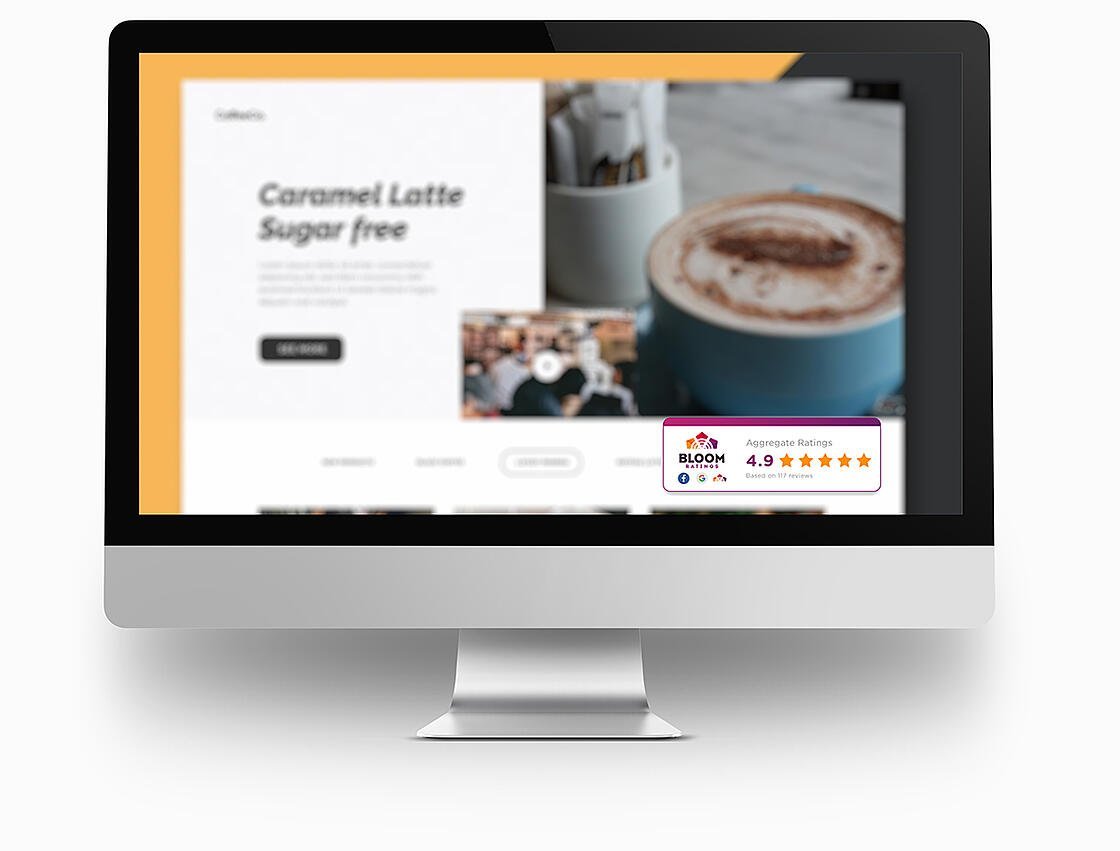
The system will keep track of all your customers’ ratings. It will calculate an aggregate rating from all sources combined – even those from your physical location’s captive portal.

Then, you can download a small bit of code from the Bloom platform and insert it into your website code.

Every visitor will then see a small unobtrusive pop-up that shows them your aggregate rating!

floating widget-1

Likewise, the code will inject schema into your website which will help Google show your star rating in the search engine results pages.

Marketing Attribution

A WiFi customer experience platform knows when a customer is at your physical location.

Even if customers do not log into your WiFi, the system will know that a unique device is in range of your WiFi access point. Likewise, it will know every time that same device returns, and how long it is there.

This will give you great baseline data of you overall customer behavior, such as:

  • First time visitors
  • First time visitor return rates
  • Customer repeat rates
  • Customer dwell time
  • Customer dwell time by time of day
  • and more.

You’ll be able to spot trends and identify opportunities for improvement.

When customers do log into your WiFi access point, they’re required to give contact information, such as their email address.

At that point you can begin marketing to them with automated (and manual) marketing and advertising campaigns.

The beauty of these campaigns is that the system knows what message was sent to what customer, whether or not they saw and/or opened the message, whether or not they returned to your location, and if they redeemed an offer or not.

This has never been been possible with traditional offline marketing.

You can now monitor and record marketing ROI in real time. This allows you to test your campaign messaging over time and optimize your campaigns to their fullest potential.

To learn more about Bloom Intelligence and how WiFi Marketing can take your business to the next later, click on the banner below to see it all in action!

Engaging Restaurant Customers Who Are Churning

It’s no secret that your loyal customers are the lifeblood of your business. So when a customer changes their habit of visiting your establishment, do you have a way of knowing?  More importantly, can you entice them to come back?

{{cta(‘38116713-035d-4937-a11f-61a76e24baf6’)}}

There is an enormous amount of competition in the restaurant industry, and it doesn’t take much to shift a customer’s routine.

That change in routine can result in a customer who is at-risk of churning shifting into a fully-churned customer.

When it comes down to it, if your customer isn’t dining at your establishment, they are dining somewhere else.

Fortunately, there are solutions to help restaurateurs know when a customer is at-risk of churning. With these solutions, you can reconnect with your customer before their loyalty shifts to your competition. Perhaps the best way to understand customer behavior is by utilizing a WiFi marketing customer experience platform.

Analytics and Automation to the Rescue

Automation is a tool that can make our marketing efforts efficient and more productive. It will send pre-written marketing messages to customers when they meet specific criteria set by the marketer.

Using triggers or scheduled automation, you can make marketing tasks easier.

Automation helps with tasks that may slip through if we had to rely on our memory, or when we simply do not have the time to do it manually.

When it comes to utilizing automated marketing to engage at-risk customers, Wi-Fi intelligence can provide powerful insight.

Imagine being able to identify a churning customer and send a message without having to lift a finger:

“We haven’t seen you in a while and we miss you. We hope everything is well with you and look forward to seeing you soon!  We’d like to offer you a free appetizer with your next meal.  Hope to see you soon!  Your friends at….”

More importantly than what your message says – and content does matter – is letting your customers know they are valued on a personal level.

It is also a great way to stay top-of-mind. There is absolute truth in the proverb that states, “out of sight, out of mind.”

When you realize this means you must keep tabs on all of your customers to the best of your ability, the need for automation begins to take on more clarity.

{{cta(‘d916771f-4aa5-4869-85d2-2e938fa36500’)}}

Customer Retention

When it comes to retaining customers, automation can help us with doing things better than we could without automation – at least realistically speaking.

With WiFi marketing systems, we have the ability to see whether our customer has been to our location recently, regardless of whether they log in or not.

So, when it comes to recognizing and retaining at-risk customers, those employing a WiFi marketing and analytics platform have a distinct advantage.

We only need to examine a real-case scenario to see how this applies.

Recognizing the At-Risk Customer

Even if you manage a single-location family owned diner, you may believe you are “small enough” and have the volume to recognize and manage your at-risk patrons.

But if you consider the lost revenue from one loyal customer, not recognizing all of them can be significant.

What is the lifetime value of a customer? How many meals will they purchase over the course of time and what does that mean to your establishment?

If you are the owner or marketing director of a multi-unit franchise, you have multiple locations and losing customers can result in substantial revenue loss.

You simply do not have the luxury of being unaware of customer behavior when your competition is becoming more aware and proactive at enticing your customers to be loyal to them.

{{cta(‘38116713-035d-4937-a11f-61a76e24baf6’)}}

Turn Your Guest Wi-Fi Into A Revenue-Driving Machine

Regardless of the customer metrics you choose to track, from spending to engagement activity, recognizing pattern changes and trends is the concept that demands attention. Therein lies the needle in the haystack.

If your store serves 1,000 weekly customers alone, that’s 4,000 customers a month for whom you must study behavior data, locate trends, omissions and other behavioral benchmarks.

Having a dashboard to view exactly what is happening within a specific time period is vital. You’ll be able to see frequency of visits, customer repeat rates, dwell times, individual potentially churning customers and overall churn rates.

And, most importantly, you’ll have the ability to shape customer behavior resulting in fewer churns and positive business trends.

Realistically there is no way to accurately and feasibly employ the manpower to manage such data quantities.

This is the beauty and the magic of WiFi marketing, analytics and automation.

Building an automated marketing campaign tailored to your customer behavior and your operational practices can be a huge safety net for your business.

There will always be some customers that just can’t be saved – that’s just the nature of the business. But consider the many who can be saved.

This safety net will help you retain those who can be saved and that is worth every penny.

  • Acquiring new customer can be as much as 25 times more expensive than retaining an existing one.
  • A mere increase of 5% in customer retention equates to more than a 25% increase in profit.

The financial and business sense (and cents) of WiFi marketing, analytics and automation is evident.

Used effectively, you will foster relationships, promote trust and benefit both your restaurant and your customers.{{cta(‘ff109ec5-1b98-4869-82fd-89b671b4592d’)}}

Restaurant Reputation Management Can Grow Your Business

Why is Restaurant Reputation Management Important?

Restaurant reputation management is a very important aspect of running a successful restaurant business.

Your reputation, online or offline, can literally make – or break – your restaurant business.

It can make the difference between a packed front-of-house with a line to get in, or a sparse dining room with too many empty seats.

This is why actively managing your restaurant reputation is crucial for a profitable, growing business.

Restaurant Reputation ManagementOf course, it is important to grow a more positive reputation. However, it is just as important to manage any poor customer experiences effectively.

This can lead to turning a poor experience into a loyal, happy patron ready to spread the good word.

A very large part of reputation management is monitoring and improving your online customer ratings and reviews.

According to Modern Restaurant Management, an increase of just one star can give a business an approximate 5-9% increase in revenue. And an increase of just one-half star would likely fill your seats during peak business times.

They also reported that 34% of diners choose a restaurant based on peer review websites.

And 53% of 18-to-34- year-olds reported that online ratings and reviews factored into their dining decisions.

Managing Online Ratings and Reviews

According to a Time.com article, customer ratings are dominated by 5’s and 1’s and largely lack anything in the middle.

This happens because most customers who take the time to leave a review either had an amazing experience or a terrible one.

Customers who had a realistic or ordinary experience are just not motivated to leave any kind of review at all.

To overcome this, don’t be afraid to ask your customers to leave a review for you online.

According to a 2017 BrightLocal Local Consumer Review Survey, 68 percent of consumer respondents actually left a local business review when asked to do so.

The study also showed that responding to these ratings and reviews is more important than ever.

Responding to Poor Ratings and Reviews

A study by TNS NIPO researched over 2,000 negative online customer ratings and concluded that overall 70 percent of complainants hope to receive a response, while just 38% receive one. According to TNS NIPO, the success of the response is determined by 3 factors:

  • The speed of the customer review response time.
  • The quality of the solution provided to the customer.
  • How the response is provided, and how genuine the response is perceived.

Likewise, the willingness of consumers to consequently recommend the brand again can be doubled (3.4 to 7.2) by combining these three factors effectively.

Your first thought after seeing a bad rating or review may be to fire back and defend yourself. However, this could actually damage your reputation even more.

Instead, embrace the feedback. Try to understand where the customer is coming from and respond with TACT.

  • Thank them
  • Apologize
  • Continue the conversation offline
  • Treat them

Thanking the customer will let them know that you care about your customers and reputation.

Remember that your response will be seen not only by the reviewer but by everyone else who reads the review.

When apologizing, be as sincere as possible. Apologize for either the condition, or for their experience as a result of the condition.

Continuing the conversation offline is important, but make sure to request this in the initial response. Offer your business email address or phone number.

That will let the public know that you want to work with the reviewer to make things right.

Finally, offer the guest an incentive to return to your restaurant and give you another chance.

Responding to Positive Ratings and Reviews

Responding to Customer Reviews for Reputation ManagementResponding to positive reviews can greatly improve the reputation of your restaurant.

Most business owners will simply leave positive reviews alone. However, responding to them can greatly boost the effectiveness of that review.

Make sure to respond to these reviews in TIME.

  • Thank them
  • Identify your business or location
  • Market (just a little)
  • Engage them

With any review, you should always thank the customer for taking their time to review your business.

In addition, you want to describe your business or location. For example, you can include a sentence like, “As downtown’s oldest premier Italian restaurant…”

Likewise, you should include some kind of marketing statement, such as how you provide a free drink or dessert for customers on their birthday. Make sure not to be too salesy or promotional.

Finally, it is important to engage the customer with a question, an invitation to come back, or asking them to share the word with friends and family.

The upside to responding to negative and positive ratings and reviews can make a huge difference in customer loyalty, customer service recovery, and new customer acquisition.

Ratings and reviews are just one item to focus on for effective restaurant reputation management. Here are some other things to keep in mind.

Offer Stellar Food & Drink and a Great Ambiance for Better Restaurant Reputation Management

Of course, if your food is under par, your restaurant reputation management will be much more difficult.

Always talk to your customers after they have had a chance to complete their meal. Ask them how it was.

Over time, you will be able to take that feedback and improve your overall food and drink offerings. In turn, your reputation will inherently improve.

Likewise, if your front-of-house is unkept or the wrong environment for your ideal customers, your reputation can suffer.

You will need to understand who those customers are and what their preferences might be.

Do they prefer more dim lighting? Do they want TV screens? Or, do they prefer a specific style of music?

Again, engage with your customers and make sure to take their feedback seriously.

Ensure the Best Customer Service Possible

Train Staff to Improve Restaurant Reputation ManagementAlmost nothing can damage a restaurant’s reputation faster than consistently poor customer service.

It is crucial to train all staff on how to provide outstanding customer service.

The training should include the proper way to handle any negative customer experiences.

Establish a culture of consistently great, memorable customer service.

Give your customers an experience they will remember and share with friends and family, online and offline.

Doing this and everything above revolves around knowing who your customers are, what they want, and how they behave while at your physical location.

Using WiFi Analytics For Superior Customer Data Collection

When it comes to restaurant reputation management, knowing your customers is crucial.

In addition, you will need to monitor their ratings, sentiment, and behavior on an ongoing basis.

For most restaurant owners and operators, this is a daunting thought.

Likewise, they simply do not have the human resources to maintain this type of intense data collection and storage.

Fortunately, it is possible to use your guest WiFi access point to collect the very data you need.

Even if customers do not log into your WiFi, you can gather valuable customer behavior data.

For instance, you will see data like:

  • Overall foot traffic
  • Average customer dwell times and dwell times by the hour
  • First-time visitors
  • How many first-time visitors return
  • Average customer repeat rate
  • Popular visit days and hours
  • Average customer churn rate, and more!

All of these data points can be viewed in any date span, which allows you to easily see developing or existing trends such as a spike in your churn rate or how many customers you are losing over time.

Or you might notice that your average dwell time of your customers is double at 8 am than it normally is at your location.

These types of data points allow you to hone in on potential customer issues before they make a bad review online.

In addition, for those with multiple locations, you can compare various locations or groups of locations for any of these data points for any date span.

Build Valuable Customer Profiles

Moreover, when a customer logs into your WiFi just once, all previous and future data associated with their device is added to a customer profile.

If they log in with a social media account, or multiple times, additional demographic data can be added to their profile, including:

  • Age
  • Gender
  • Postal code
  • Birthday
  • Phone number
  • Individual behavior data

Since they gave their email address to log in, you can now market to that person based upon their behavior and demographic data.

Knowing these things, your marketing messages can be personalized and targeted to their interests.

You can send a message that will truly resonate with the customer.

For example, you can send a survey to customers X amount of time after they have an experience at your location.

For instance, if the customer leaves a good rating, you can respond by thanking them, and then asking them to give you a positive online review.

By building positive online reviews you will ultimately drive more new customers to your locations.

In contrast, should they leave a bad rating, you can respond with T.A.C.T, including an apology and an incentive to get them to return and give you another chance.

Over time, this survey automation and auto predefined responses will actively build positive online reviews that build your restaurant’s reputation, along with customer satisfaction, spend and loyalty.

Grow Your Business with a Stellar Reputation

This is just the tip of the iceberg when it comes to restaurant reputation management using WiFi marketing and analytics data.

The opportunities are endless, and you can get this data for pennies-on-the-dollar compared to other data collection methods.


Restaurant Marketing FAQs

[ultimate-faqs include_category=’blog-pages’]