The restaurant industry is facing unprecedented challenges. Soaring inflation, rising costs of goods sold, and consumer pullback have created the perfect storm for restaurateurs struggling to maintain profitability.
Now more than ever, restaurants must adopt a comprehensive, technology-driven marketing strategy to recession-proof their businesses.
The good news is that the tools you need to weather the storm are readily available and easier to use than ever before.
By leveraging a customer data platform (CDP), marketing automation, and reputation management, you can easily unlock powerful insights, automate revenue-driving campaigns, and turn your guests into loyal brand advocates.
And believe it or not, it is faster and easier than you might think.
The Power of a Customer Data Platform (CDP)
At the heart of your recession-proof strategy lies a restaurant CDP. Unlike traditional CRMs that store fragmented customer data, a CDP unifies all your customer information into a single, comprehensive view.
This 360-degree understanding of your diners empowers you to personalize every interaction, anticipate their needs, and maximize their customer lifetime value.
Key benefits of using a CDP for your restaurant include:
- Unified customer data: Collect and consolidate data from multiple sources, including your point-of-sale system, website, WiFi logins, online ordering, reservations, and more.
- Personalized targeting and segmentation: Leverage advanced analytics to create highly targeted campaigns and audience segments based on behavior, preferences, and predicted needs.
- Predictive analytics: Uncover insights to anticipate customer behavior, optimize marketing strategies, and make data-driven decisions.
- Improved customer retention and lifetime value: By delivering personalized experiences, you can foster deeper brand loyalty and keep customers coming back, even in tough economic times.
At its core, a CDP unifies customer data from multiple touchpoints and sources, creating a single, coherent view of each customer. For restaurants, this means integrating data from point-of-sale systems, online ordering platforms, reservation systems, loyalty programs, website interactions, and even social media engagements.
This unified view provides invaluable insights into customer preferences, behaviors, and patterns that might otherwise go unnoticed.
The 360-degree customer view enabled by a CDP allows restaurants to understand their patrons on a deeper level. For instance, a CDP can reveal that a customer who frequently dines in for dinner also tends to order takeout at lunch. This insight can inform targeted marketing efforts, such as promoting lunch specials to this guest.
Personalization becomes significantly more powerful with a CDP. Restaurants can move beyond basic segmentation to create highly tailored experiences for each customer.
For example, if the CDP shows that a guest always orders online, the restaurant can send dine-in promotions to the guest to entice them to visit your physical location. Similarly, if a patron frequently orders wine with their meal, the CDP can trigger personalized email or SMS messaging for wine pairings based on their wine selection.
The predictive analytics capabilities of a CDP are particularly valuable for restaurants looking to recession-proof their business. By analyzing historical data and identifying patterns, CDPs can forecast future behavior and trends.
This might include predicting which customers are at risk of churning, allowing the restaurant to proactively engage them with special offers or personalized outreach.
It can also help anticipate demand for certain dishes or ingredients, enabling more efficient inventory management and reducing waste – a crucial factor in maintaining profitability during economic downturns.

CDPs excel at improving customer retention and increasing lifetime value, which is essential for restaurants during tough economic times. By tracking customer interactions over time, a CDP can identify opportunities to deepen relationships and increase engagement.
For instance, it might recognize that a guest who used to dine weekly has reduced their visits to monthly, triggering a re-engagement campaign with personalized incentives to visit more frequently. LTO (limited time only) promotions are perfect for this scenario.
Moreover, CDPs can significantly enhance loyalty programs. Instead of one-size-fits-all rewards, restaurants can use CDP insights to create personalized loyalty tiers and rewards that align with individual customer preferences. A customer who always orders dessert might receive a free dessert as a reward, while a wine enthusiast might be offered a complimentary wine-tasting event.
For multi-location restaurant chains, a CDP can provide valuable insights into location-specific trends and guest preferences. This data can inform menu and operations customization for different locations, ensuring that each restaurant caters effectively to its local clientele.
The long-term benefits in terms of increased customer satisfaction, improved operational efficiency, and boosted revenue make it a worthwhile endeavor for restaurants looking to thrive in challenging economic conditions.
By harnessing the power of unified guest data, restaurants can make more informed decisions, create more engaging customer experiences, and ultimately build a more resilient business model capable of weathering economic uncertainties.
For more details, visit our page here: What Is a Restaurant CDP? Unlock the Power of Guest Data to Boost Revenue and Streamline Operations

Supercharge Your Marketing with Automation
Once you have a powerful CDP in place, it’s time to pair it with the magic of marketing automation. By automating key campaigns and customer touchpoints, you can drive revenue at every stage of the customer journey – from acquisition and engagement to retention.
Some of the most impactful automated campaigns for restaurants include:
- Acquisition: Lead generation, lookalike campaigns, promotional offers, and referral programs to attract new customers
- Engagement: Loyalty programs, upselling and cross-selling, email and SMS messaging to keep diners coming back
- Retention: Personalized promotions and guest re-engagement campaigns to maintain a loyal customer base
The beauty of marketing automation lies in its ease of use and measurable return on investment. With the right platform – and integration with your CDP – you can create and deploy these campaigns with minimal effort, freeing up your team to focus on other strategic priorities.
In the competitive restaurant industry, especially during economic downturns, marketing automation becomes a powerful tool to drive revenue and maintain guest engagement. This approach allows restaurants to deliver timely, personalized communications at scale, ensuring consistent interaction with customers while freeing up staff to focus on high-value tasks.
Marketing automation for restaurants encompasses a wide range of strategies and tools designed to streamline and optimize marketing efforts across the entire customer journey. From initial customer acquisition to long-term retention, automation can significantly enhance the effectiveness and efficiency of your restaurant marketing campaigns.
Customer Acquisition Strategies
Automated customer acquisition strategies help restaurants cast a wider net and attract new patrons more efficiently.
Social media campaigns can be automated to post content at optimal times, ensuring maximum visibility. These posts can be dynamically generated based on current promotions, seasonal menu items, or local events, keeping content fresh and relevant without constant manual input.
Targeted ads on platforms like Facebook, Instagram, and Google can be set up to automatically adjust based on performance metrics.
For instance, if a particular ad promoting a new lunch menu is performing well with a specific demographic, the system can automatically allocate more budget to that ad and expand its reach to similar audiences.
Lead generation becomes more sophisticated with automation. For instance, when potential guests interact with a restaurant’s website, automated systems can capture their information and initiate a nurturing sequence.
This might include sending a series of emails introducing the restaurant’s cuisine, ambiance, and special offers, gradually building interest and encouraging a first visit.
Engagement Strategies
Automated engagement strategies keep patrons connected with the restaurant between visits, increasing the likelihood of repeat business.
Restaurant loyalty programs, a cornerstone of guest engagement, benefit greatly from automation. Points can be automatically awarded for visits, with customers receiving real-time updates on their status and available rewards.
Upselling and cross-selling campaigns become more effective with automation. Based on a guest’s order history, the system can suggest complementary items. For instance, if a customer frequently orders pasta dishes, an automated system might suggest a new garlic bread appetizer or an Italian wine pairing. These suggestions can be delivered via email or SMS push notifications.
Event-based marketing becomes more manageable with automation. Restaurants can set up campaigns tied to specific events or milestones in the customer journey.
For example, an automated email or text message can be sent on a guest’s birthday, offering a free dessert or special discount. Similarly, anniversary emails can be sent to patrons on the anniversary of their first visit or their wedding anniversary, thanking them for their loyalty and offering an incentive to visit again.
Retention Efforts
Customer retention is crucial for restaurants, especially during economic downturns, and automation plays a key role in these efforts.
Re-engagement campaigns for lapsed customers can be automatically triggered based on visit frequency. If a once-regular patron hasn’t visited in a while, the system can send a personalized “We miss you” message, perhaps accompanied by an offer tailored to their previous preferences.
Bloom users who have implemented this campaign are seeing up to 38%+ of their lapsed guests return through the doors.
Automated feedback solicitation helps restaurants stay attuned to customer satisfaction and address issues promptly. After a visit, customers can receive an automated email or text message asking about their experience. Negative feedback can trigger an alert to management for personal follow-up and customer service recovery.
Seasonal and holiday marketing becomes more effective with automation. Restaurants can set up campaigns well in advance to promote special menus or events, with messages automatically sent out at the right time to maximize bookings. These campaigns can be personalized based on past guest behavior, such as sending Thanksgiving pre-order information to guests who ordered takeout during previous holiday seasons.

Integration and Personalization
The true power of marketing automation comes from its integration with other systems, particularly the restaurant’s CDP. By combining automation with rich customer data, restaurants can create highly personalized and timely marketing campaigns.
Implementing marketing automation requires careful planning and ongoing optimization. Restaurants should start with a clear strategy, identifying key touchpoints in the customer journey where automation can have the most impact. It’s important to regularly review the performance of automated campaigns, adjusting and refining them based on customer responses and changing business needs.
While automation can significantly enhance marketing efforts, it’s important to maintain a human touch. Automated messages should be crafted to sound personal and genuine, and there should always be easy ways for customers to reach a real person if needed.
By leveraging marketing automation effectively, restaurants can create a more engaging, personalized experience for their guests, driving loyalty and revenue even in challenging economic times.
This approach allows restaurants to stay top-of-mind with patrons, respond quickly to changing market conditions, and make the most efficient use of their marketing resources.
For more details about marketing automation with Bloom, visit our page here: Automate Your Way to Restaurant Success: Marketing Campaigns That Drive Revenue
Reputation Management for Restaurants
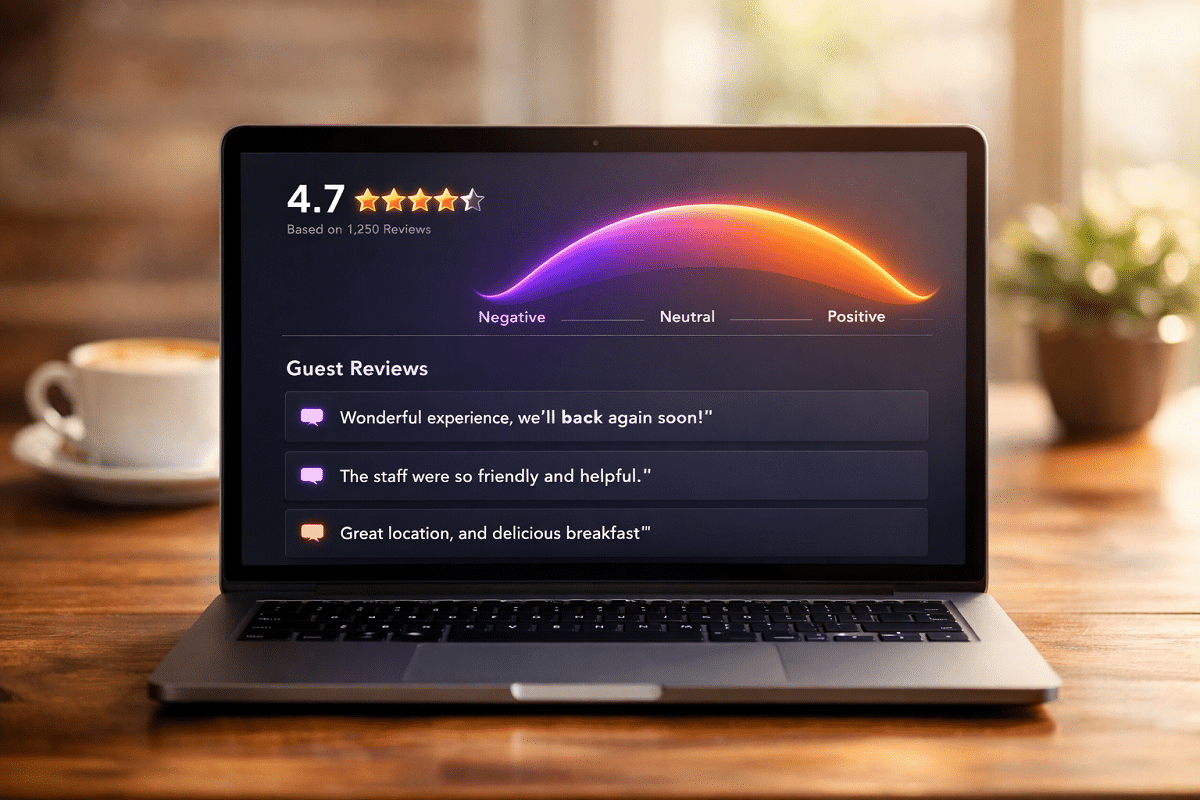
In a challenging economic climate, your online reputation can make or break your restaurant’s success. Diners are more price-conscious than ever, and they’re turning to reviews to guide their dining decisions.
By proactively managing your online presence, you can turn negative reviews into opportunities and transform unhappy customers into loyal brand advocates.
Key reputation management strategies for restaurants include:
- Monitoring and responding to reviews: Stay on top of what customers are saying about your business and address issues promptly and professionally.
- Leveraging guest feedback: Use review data to identify areas for improvement and make operational changes that enhance the customer experience.
- Turning unhappy guests into advocates: Reach out to dissatisfied diners, resolve their concerns, and encourage them to leave positive feedback, boosting your online reputation.
Integrating your reputation management efforts with your CDP and marketing automation platform ensures that you can deliver personalized, timely responses and tailor your outreach to individual customer needs.

The Importance of Online Reputation in a Competitive, Price-Sensitive Market
In a highly competitive and price-sensitive market, your restaurant’s online reputation can make or break your business. With countless dining options available at their fingertips, potential guests often rely on online reviews, social media mentions, and star ratings to make their dining decisions. In fact, studies have shown that a whopping 94% of diners choose a restaurant based on online reviews.
This statistic underscores the critical role that reputation plays in influencing guest choices.
Moreover, in tough economic times, when consumers are more cautious about where they spend their money, they are even more likely to consult online reviews before making a decision.
A strong online reputation not only helps attract new guests but also builds trust and loyalty, encouraging repeat visits and positive word-of-mouth.
Strategies for Effectively Managing Your Restaurant’s Online Reputation
Managing your restaurant’s reputation involves more than just monitoring reviews, it’s about actively engaging with your online audience, addressing concerns, and leveraging feedback to improve your operations. Here are some key strategies to effectively manage and enhance your restaurant’s reputation:
1. Proactive Monitoring and Responding to Reviews
One of the most effective ways to manage your online reputation is through proactive monitoring and timely responses to guest reviews. Whether on Google, Yelp, TripAdvisor, or social media platforms, regularly checking what guests are saying about your restaurant is crucial.
Positive reviews offer an opportunity to reinforce guest loyalty, while negative reviews provide valuable insights into areas needing improvement.
Responding to reviews (both positive and negative) demonstrates that you value your guests’ opinions and are committed to providing excellent service.
For positive reviews, a simple thank you can go a long way in building goodwill and encouraging repeat business. For negative reviews, it’s essential to respond thoughtfully and professionally. Apologize for any shortcomings, offer a solution if possible, and invite the guest to return for a better experience.
2. Leveraging Guest Feedback to Improve Operations
Guest feedback, particularly from online reviews, is a goldmine of information about your restaurant’s strengths and weaknesses. By analyzing this feedback, you can identify recurring issues (such as slow service, menu dissatisfaction, or ambiance concerns) and address them promptly.
For example, if multiple guests mention long wait times, it may be time to reevaluate your staffing during peak hours or consider implementing a reservation management system to better handle the flow of guests.
In addition to operational improvements, guest feedback can inform menu changes, staff training, and even marketing strategies. By continuously refining your operations based on guest input, you can enhance the overall dining experience, leading to higher satisfaction rates and better reviews.
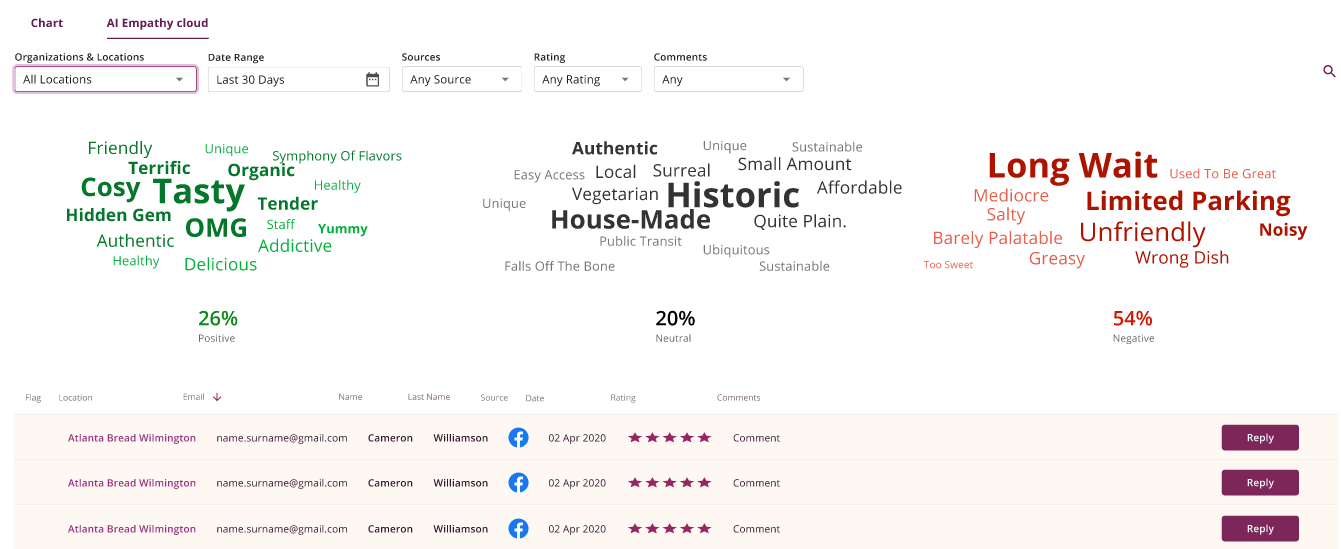
Bloom offers a word cloud based on real-time reviews from Google, Yelp, TripAdvisor, and Facebook. This gives users a very quick and easy way to discover guest sentiment in the time frame selected.
3. Turning Unhappy Guests into Brand Advocates
Negative reviews, while challenging, present an opportunity to turn dissatisfied guests into loyal advocates. When handled correctly, a well-crafted response to a negative review can not only resolve the issue but also demonstrate your restaurant’s commitment to guest satisfaction.
This approach can win over the disgruntled guest and impress other potential diners who see how you handle criticism.
For example, if a guest complains about a cold dish, acknowledge the mistake, apologize sincerely, and offer a discount or free meal on their next visit. By addressing the issue head-on and making amends, you show that you care about your guests’ experiences and are willing to go the extra mile to make things right.
This level of responsiveness can transform a negative situation into a positive one, earning you a reputation for excellent customer service, as potentially thousands of other diners will also see.
4. Maintaining a Consistent Online Presence
Consistency is key to effective reputation management. Ensure that all your digital platforms, including your website, social media profiles, and review site listings, are up to date and accurately reflect your brand.
This includes keeping your menu, hours of operation, and contact information current. An outdated or incomplete online presence can frustrate potential guests and harm your reputation.
Regularly updating your social media profiles with engaging content (such as photos of new dishes, upcoming events, or behind-the-scenes stories) can help keep your restaurant top of mind for followers.
Additionally, actively participating in conversations on social media, responding to comments, and sharing user-generated content can further enhance your online reputation and build a loyal community around your brand.
5. Encouraging and Showcasing Positive Reviews
Once you’ve accumulated positive reviews, showcase them across your digital platforms.
Highlighting guest testimonials on your website, social media pages, and even in marketing materials can boost credibility and influence potential guests’ decisions.
A strong portfolio of positive reviews not only attracts new guests but also reinforces the trust and loyalty of existing ones.
The Long-Term Impact of Effective Reputation Management
Investing in reputation management is not just about managing your current online presence; it’s about building a long-term strategy that ensures the sustained success of your restaurant.
A well-maintained reputation helps you weather economic downturns by keeping your restaurant top-of-mind for guests and establishing a loyal customer base that supports your business even during challenging times.
Moreover, a positive online reputation can lead to other benefits, such as higher rankings in search engine results, increased media coverage, and stronger relationships with local communities.
All of these factors contribute to a healthier bottom line and a more resilient business.
Reputation management is an integral part of a recession-proof strategy for any restaurant. By actively managing your online presence, leveraging guest feedback, and consistently delivering excellent service, you can ensure that your restaurant not only survives but thrives, even in the toughest economic climates.
For more details about reputation management using Bloom Intelligence, visit our page: How To Respond Efficiently To Online Reviews To Boost Your Bottom Line

Integrating the Trio for Maximum Impact: Bloom Intelligence
The true power of this recession-proof strategy lies in the seamless integration of your CDP, marketing automation, and reputation management tools.
By connecting these solutions, you can create a unified, data-driven approach that drives revenue, fosters customer loyalty, and positions your restaurant for long-term success.
Whether you’re just getting started or looking to optimize your existing technology stack, the key is to find a provider that offers a comprehensive, easy-to-use platform. Look for solutions that offer robust integration capabilities, intuitive interfaces, and exceptional customer support to ensure a smooth implementation and ongoing success.
By embracing this powerful trio of technologies, you can recession-proof your restaurant and thrive, even in the most challenging economic conditions.
Start leveraging the power of a CDP, marketing automation, and reputation management today, and watch your business soar to new heights.
Discover Bloom Intelligence
Bloom Intelligence is an AI-powered restaurant marketing platform. It includes a powerful customer data platform, automated guest data collection, marketing automation, and reputation management tools.
Guest data is collected from many different sources and aggregated into one single platform. This makes it simple to analyze and segment your guest personas for your restaurant’s digital marketing and operations decisions.
Data is collected from sources like WiFi logins, online reservation systems, online ordering platforms, POS systems, website forms, social media, and more.
Bloom makes guest data collection effortless, this allows you to quickly execute the strategies listed above, saving you time, increasing customer lifetime values, attracting new guests, improving your reputation, and boosting your bottom line.
Call us or schedule a free demo online and Bloom will show you how our restaurant marketing platform can help you save time and increase your customer lifetime values by automatically building first-party customer databases, unlocking important guest insights to trigger automated marketing at the right time and place, discover true guest sentiment, save at-risk guests, increase your current guests’ frequency, and find new guests.
Click Here to Schedule a Free Online Demo, or call 727-877-8181 to see how we can help you save time and drive tangible results for your restaurants.