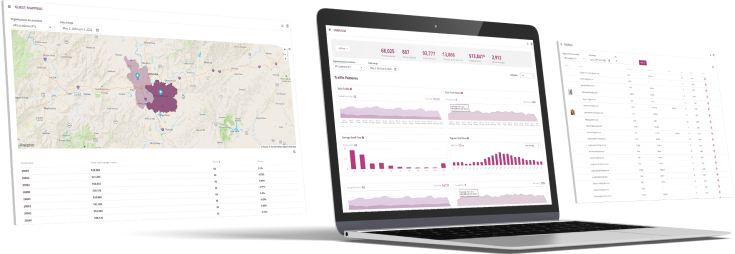
Category: Restaurant Marketing

Revolutionizing Restaurant Guest Experiences with CDP-Powered Analytics

In 2025, where the restaurant industry faces intense competition and heightened guest expectations, the advent of CDP-collected restaurant analytics has emerged as a game-changer.

This innovative approach is not just reshaping the landscape of restaurant management but is fundamentally altering the dynamics of guest interaction and experience enhancement.

The leap from traditional data collection to CDP-powered analytics signifies a paradigm shift in how the restaurant industry understands and caters to its guests.

This technology isn’t about replacing the human touch in hospitality. Rather, it complements it with deep, actionable insights.

Imagine being equipped with knowledge about your guest’s favorite dining times, their dining preferences, or even their spending habits. This level of insight is achieved through a meticulous and data-driven process.

The Critical Role of Analytics for Restaurants

It is no longer just about serving great food. It’s about crafting exceptional experiences tailored to each guest’s preferences.

This is where the critical role of analytics for restaurants comes into sharp focus. It represents a transformative shift from traditional, intuition-based decision-making to data-driven strategies that redefine guest satisfaction and operational efficiency.

As we look deeper into this section, we’ll explore how analytics, particularly AI-powered analytics, is revolutionizing the restaurant industry, offering unprecedented insights into guest behavior, enhancing personalized experiences, and driving business growth in ways previously unimaginable.

1. Personalization at Its Core:

AI analytics allows for an unprecedented level of personalization in guest experiences. Customizing menu recommendations and tailoring marketing messages were once exclusive to upscale dining. Now, with AI, these personalized touches become accessible across the broader restaurant market.

2. Predictive Analytics: A Step Ahead:

AI systems are adept at predicting trends and guest behaviors. This predictive capability is invaluable for restaurants, allowing them to anticipate and respond proactively to guest needs. Predictive analysis can lead to better inventory management, staffing decisions, and even menu design.

3. Targeted Marketing: The New Norm:

Understanding guest preferences and behaviors through AI analytics paves the way for highly targeted and effective marketing strategies. Unlike the traditional broad-brush approach, restaurants can now design segmented campaigns. These campaigns resonate with distinct guest groups, leading to enhanced engagement and return on investment.

4. Operational Excellence Through Insights:

AI-driven analytics also streamline operations by offering insights into key aspects such as peak dining times, menu popularity, and guest flow patterns. This information is vital for making informed decisions about staffing, inventory, and overall restaurant management.

Statistical Evidence and Real-World Applications

The implementation of analytics for restaurants is not just a theoretical concept but a practical solution with measurable outcomes.

According to a study by Deloitte, 36% of consumers prefer personalized products or services (Deloitte, 2020).

Furthermore, a report by Mckinsey & Company indicates that businesses that leverage customer behavior insights outperform peers by 85% in sales growth and more than 25% in gross margin (McKinsey & Company, 2020).

Restaurants utilizing analytics appropriately have reported significant improvements in key performance metrics. For example, eateries have experienced a marked increase in repeat visits and a notable rise in the average spend per guest.

These outcomes are not mere coincidences but the result of leveraging precise, data-driven strategies for guest engagement and satisfaction.

Case Study: Success Story

Several case studies exemplify the impact of AI-powered analytics in the restaurant industry.

A notable instance is a restaurant that implemented Bloom Intelligence’s solutions and saw a whopping 37% increase in returning guests who were at risk of churning, or had churned – all within the first 6 months of implementation.

Imagine bringing back 37% of your lost guests. Click the banner below to read the full case study.

Customer Churn Success Report

The Future of Restaurant Management with Analytics

In conclusion, restaurant analytics represents a significant advancement for the restaurant industry. Platforms like Bloom Intelligence are not merely offering a technology solution, they are providing a strategic tool that empowers restaurants to elevate their guest experiences and operational efficiencies to unprecedented levels.

The future of the restaurant industry lies in embracing these technological advancements.

For restaurant owners and marketers, integrating analytics into their marketing and operations is not just an option but a strategic imperative to remain competitive and relevant in a rapidly evolving market.

By adopting the power of analytics, restaurants can not only meet but exceed the evolving expectations of their guests, paving the way for sustained success and growth in the industry.

Targeted marketing campaigns can fill your restaurant

Discover Bloom Intelligence 

Bloom Intelligence is an AI-powered restaurant marketing platform. It includes a powerful customer data platform, automated guest data collection, marketing automation, and reputation management tools.

Guest data is collected from many different sources and aggregated into one single platform. This makes it simple to analyze and segment your guest personas for your restaurant digital marketing and operations decisions.

Data is collected from sources like WiFi logins, online reservation systems, online ordering platforms, POS systems, website forms, social media and more.

Bloom makes guest data collection effortless, allowing you to quickly execute the strategies listed above, saving you time, increasing customer lifetime values, attracting new guests, improving your reputation, and boosting your bottom line.

Click Here to Schedule a Free Online Demo, or call 727-877-8181 to see how we can help you save time and drive tangible results for your restaurants.


Maximizing Guest Data for Effective Targeted Marketing

In the restaurant industry, where understanding and utilizing guest data effectively can be the difference between thriving and merely surviving, the adoption of advanced Customer Data Platforms (CDP) has become crucial.

These platforms transform the landscape of restaurant marketing by turning data into actionable insights, personalizing guest experiences, and shaping the future of targeted marketing strategies.

In an era where attracting and retaining guests is a significant challenge, a restaurant CDP serves as a powerful tool. By aggregating and centralizing guest data, it provides restaurants with the insights needed to create targeted marketing strategies.

A study by McKinsey & Company revealed that data-driven organizations are 23 times more likely to acquire customers, highlighting the importance of such tools in the restaurant industry.

Using a CDP for Targeted Marketing

Data Aggregation and Centralization

The journey with a CDP begins with data aggregation, which involves collecting data from various sources such as POS systems, online reservations, WiFi logins, online ordering, review sites, website activity, and social media interactions.

This process is crucial as it captures a comprehensive range of guest behaviors, demographics, and preferences. The platform then centralizes this data to offer a unified view of the guests’ interactions with the restaurant.

This unified customer view is significant as it provides a holistic understanding of each patron’s interactions with the restaurant. For instance, it combines transactional data, such as order history from the POS system, with engagement data, like on-premise behavior, offering a complete picture of the guest’s preferences, frequency of visits, and spending habits.

Such an integrated approach not only aids in creating personalized marketing strategies but also enhances the overall guest experience.

In essence, the multi-source data collection and integration capability of CDPs is a game-changer, allowing restaurants to transition from fragmented, siloed customer data to a cohesive, comprehensive understanding of their guests.

This transition is pivotal in tailoring marketing efforts effectively and crafting more meaningful and satisfying guest experiences.

Data collection improves guest experiences

Creating Rich Guest Profiles: The Key to Targeted Marketing

The ability of CDPs to create detailed guest profiles is what sets them apart.

These platforms allow restaurateurs to segment guests into categories based on their interaction patterns, providing the basis for personalized marketing.

Personalization is crucial, as research by Epsilon indicates that 80% of consumers are more likely to make a purchase when offered personalized experiences.

The benefit of such customer segmentation is twofold. Firstly, it allows for highly tailored marketing campaigns. Restaurants can design specific promotions, events, and communications relevant to each group.

According to a study by Mailchimp, segmented campaigns have a 14.31% higher open rate than non-segmented campaigns, highlighting the effectiveness of this approach.

Secondly, segmentation enhances customer satisfaction and loyalty. When guests receive offers and information that align with their preferences and behaviors, they are more likely to feel understood and valued by the restaurant, leading to increased loyalty.

A report by Accenture found that 91% of consumers are more likely to shop with brands that provide offers and recommendations that are relevant to them.

Other benefits of targeted marketing include:
  • Improved Conversion Rates: Targeted marketing campaigns are more likely to convert leads into customers. By addressing the specific needs and interests of different customer segments, these campaigns reduce the friction in the decision-making process. For instance, presenting a wine enthusiast with offers related to wine tastings or new wine arrivals is more likely to elicit a positive response than a generic promotion.
  • Efficient Use of Marketing Resources: Personalized campaigns allow for a more efficient allocation of marketing resources. Instead of casting a wide net with generic messaging, businesses can focus their efforts and budget on high-potential customer groups. This targeted approach often results in a higher return on investment (ROI). As per McKinsey, personalization can reduce acquisition costs by as much as 50% while increasing marketing spend efficiency by 10-30%.
  • Gathering Valuable Insights: Personalized marketing campaigns generate data that can provide valuable insights into customer preferences and behavior. This information can be used to refine future marketing strategies, develop new products or services, and improve overall customer experience.
  • Enhancing Brand Reputation: Brands that successfully implement personalized marketing are often viewed as more customer-centric and innovative. This perception can enhance the brand’s reputation, making it more attractive to both existing customers and prospects.

As the market continues to evolve, these personalized approaches are becoming increasingly essential for businesses looking to maintain a competitive edge.

CDP for targeted marketing campaigns

Conclusion: Redefining Restaurant Marketing

In summary, the landscape of restaurant marketing is undergoing a significant transformation, driven by the power of personalized, targeted marketing campaigns.

These strategies, fueled by comprehensive data analysis and customer segmentation, represent more than just a trend. They are rapidly becoming the standard for successful customer engagement in the restaurant industry.

The benefits of this approach are clear and compelling.

By adopting personalized, targeted marketing campaigns, restaurants can enjoy deeper customer engagement, increased loyalty and retention, higher conversion rates, and more efficient use of marketing resources.

Furthermore, these strategies provide valuable insights that can inform future marketing decisions, product development, and brand shaping, enhancing the overall customer experience.

As we move forward, it is evident that the restaurants that will thrive are those that recognize and adapt to the importance of personalization and targeting in their marketing efforts.

Embracing these strategies not only offers immediate benefits in terms of sales and customer satisfaction but also positions restaurants to remain competitive and relevant in an ever-evolving market.

In this dynamic environment, the ability to effectively harness and utilize customer data for personalized marketing is not just a strategy for growth – it is a fundamental necessity for survival and success.

Targeted marketing campaigns can fill your restaurant

Discover Bloom Intelligence 

Bloom Intelligence is an AI-powered restaurant marketing platform that includes a powerful customer data platform, automated guest data collection, marketing automation, and reputation management tools.

Guest data is collected from many different sources and aggregated into one single platform, making it simple and easy to analyze and segment your restaurant’s guest personas for your restaurant digital marketing and operations decisions.

Data is collected from sources like WiFi logins, online reservation systems, online ordering platforms, POS systems, website forms, social media and more.

Bloom makes guest data collection effortless, allowing you to quickly execute the strategies listed above, saving you time, increasing customer lifetime values, attracting new guests, improving your reputation, and boosting your bottom line.

Click Here to Schedule a Free Online Demo, or call 727-877-8181 to see how we can help you save time and drive tangible results for your restaurants.


Solving the Challenges of Reputation Management in 2025: A Guide for Restaurants

The advent of the digital age has brought a paradigm shift in how restaurants manage their reputations.

Online platforms have significantly amplified the impact of customer feedback, making reputation management an essential element of success in the restaurant industry.

Fortunately, restaurant reputation management tools have emerged as a comprehensive solution, offering an advanced, integrated approach to these contemporary challenges.

The task of monitoring, analyzing, and responding to a continuous influx of digital feedback from multiple sources can be overwhelming, demanding significant time and resources that many restaurants struggle to spare.

Enter the realm of Artificial Intelligence (AI) and automation – a game-changing combination that revolutionizes how restaurants approach reputation management.

AI and automation are not just about integrating technology into daily operations, they represent a strategic shift towards smarter, more efficient management practices.

By harnessing the power of these advanced tools, restaurants can navigate the complexities of the digital landscape with much greater ease and efficiency.

Technology to solve the challenges of today's reputation management

Comprehensive Analysis of Online Reputation Management Challenges

Negative reviews on platforms like Yelp, Google, Facebook, and TripAdvisor hold a substantial influence on a restaurant’s public image and guest patronage.

However, the challenge lies in addressing these reviews effectively.

Dealing with Negative Feedback

Restaurants need to craft responses that are thoughtful, acknowledging the guest’s concerns while offering solutions, all in a manner that echoes the brand’s voice.

So, the key to managing negative feedback lies in a swift and tactful approach. It starts with monitoring and promptly identifying negative feedback across the various online platforms.

Once identified, the next step is crafting a response that is empathetic, professional, and aligned with the brand’s ethos.

  • Empathy and Acknowledgment: The response should begin with acknowledging the patron’s experience and expressing empathy. This approach demonstrates that the restaurant values its guests and their feedback, fostering a sense of understanding and care.
  • Offering Solutions: Addressing the specific issues raised in the review and offering a solution or compensation where appropriate is crucial. This may include inviting the guest for a revisit, offering a discount, or simply stating the steps being taken to rectify the issue. This not only appeases the disgruntled patron but also shows other potential patrons that the restaurant is committed to improving.
  • Maintaining Brand Voice: Responses should consistently reflect the restaurant’s brand voice. Whether it’s formal, friendly, or casual, maintaining this consistency is key to reinforcing the brand identity.

Likewise, the timeliness of these responses is equally crucial, as prompt engagement can significantly mitigate the negative impacts, demonstrating the brand’s commitment to customer satisfaction and service excellence.

Dealing with negative guest reviews

Real-Time Monitoring and Rapid Response

The digital age requires swift monitoring and response to maintain and enhance a restaurant’s online reputation. However, the challenge here is the need for constant vigilance to track and respond to feedback across various channels, a task that can be overwhelming without the right tools and strategies.

Immediate engagement with online feedback signifies a restaurant’s commitment to guest satisfaction.

Timely responses to reviews, especially negative ones, can mitigate potential harm to the restaurant’s reputation. Likewise, it demonstrates to patrons that their feedback is valued and taken seriously, fostering a sense of trust and loyalty.

The primary challenge in real-time monitoring is the sheer volume and diversity of platforms where feedback can appear.

The Solution

Bloom Intelligence’s reputation management platform addresses these challenges by providing an integrated solution:

  • Direct Integration with Key Platforms: Bloom’s platform directly integrates with major review sites like Google, Facebook, Yelp, and TripAdvisor. This integration pulls all reviews and comments into the Bloom platform, creating a simple-to-monitor, centralized hub for reputation management.
  • Manual and Automated Responses: The platform offers the flexibility to respond to reviews manually or use pre-designed templates. For efficiency, the AI-powered system can automate replies based on set rules and templates. This feature ensures timely responses while reducing the manual workload on staff.
  • Customizable Response Strategies: Restaurants can customize their response strategies using Bloom’s platform. They can set different rules and templates for different types and levels of reviews (how many stars given), ensuring that each response is appropriate and effective, based on the content of each review given.
  • AI-Powered Sentiment Analysis: Bloom’s platform employs advanced AI algorithms to analyze customer sentiment. It can discern underlying trends and emotions in customer feedback, providing valuable insights into guest experiences and expectations.
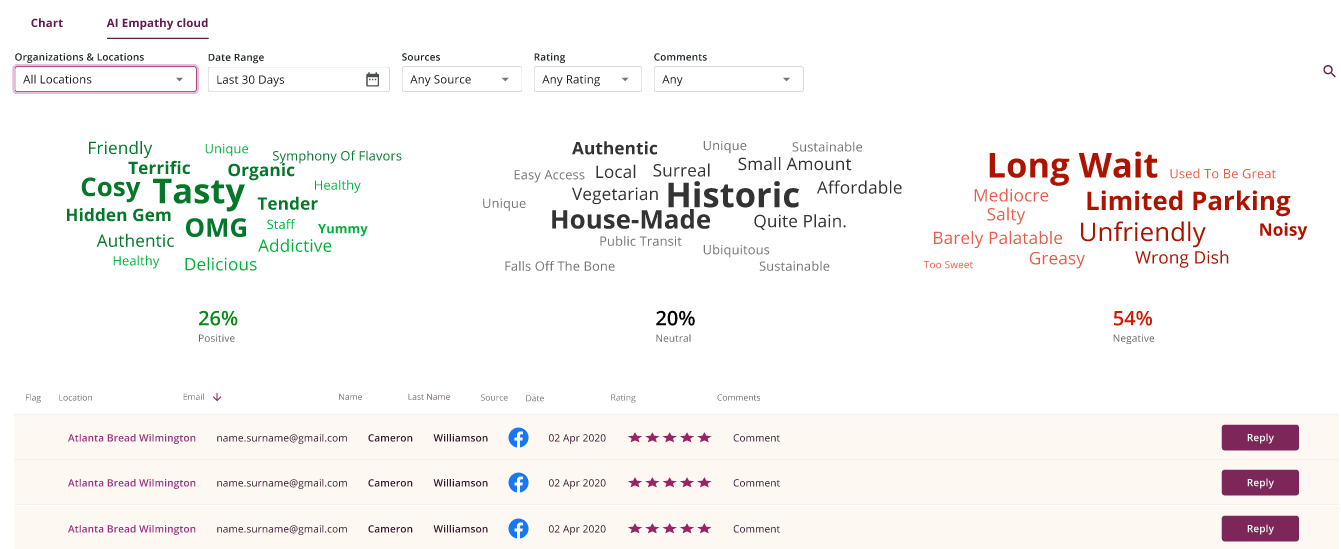
  • Real-Time Updates and Word Clouds: The platform offers real-time updates on guest feedback and sentiment trends. Its AI-driven analysis generates easy-to-understand word clouds, highlighting the most frequently mentioned terms in customer reviews. This visualization aids in quickly identifying common themes in feedback, enabling restaurants to address prevalent issues proactively.

Transforming Guest Feedback into Actionable Insights

Restaurants receive feedback in various forms: reviews, ratings, comments on social media, and direct feedback through surveys. Each piece of feedback is a valuable source of insight but parsing through this data to extract meaningful information can be overwhelming.

Identifying key issues, understanding guest preferences, and gauging overall satisfaction levels require a sophisticated approach to data analysis.

This is where Bloom Intelligence’s reputation management tools have become an invaluable tool. It harnesses the power of AI to offer restaurateurs an advanced means of understanding customer sentiment.

AI-powered customer sentiment word cloud based on guest feedback

By employing AI algorithms, the platform can sift through large quantities of feedback and identify prevailing sentiments, trends, and patterns.

The system analyzes the language and context of guest feedback to determine the overall sentiment – be it positive, negative, or neutral. This analysis helps restaurants understand how their patrons truly feel about their dining experience.

In addition to sentiment trends, Bloom’s platform offers real-time word clouds, a feature that visually represents the most commonly used words in customer reviews and feedback. These word clouds are not only easy to digest but also provide a quick snapshot of what aspects are most frequently mentioned by customers.

Whether it’s praise for a particular dish, comments about service quality, or concerns about ambiance, these word clouds make it easy to pinpoint areas of strength and opportunities for improvement.

The insights gained enable restaurateurs to make data-driven decisions. Instead of relying on intuition or sporadic feedback, restaurant owners and managers can base their strategic decisions on authentic, real-time customer sentiment.

This approach leads to more targeted improvements in menu offerings, service enhancements, staff training, and overall guest experience.

Reputation Management in 2025 and Beyond: Tying It All Together

In the rapidly evolving digital landscape, where digital interactions and online reputation are increasingly pivotal, the challenges of managing and leveraging guest feedback have never been more prominent.

Reputation management is not just about maintaining an image, it’s about actively engaging with patrons, understanding their needs, and adapting to their feedback to drive continuous improvement and business growth.

So, by integrating advanced AI and automation capabilities, they provide an unparalleled solution to the multifaceted challenges of digital reputation management.

From real-time monitoring and rapid response to negative feedback to transforming vast arrays of guest reviews into actionable insights, Bloom Intelligence equips restaurant owners with the tools necessary for success in the digital age.

As a result, Bloom’s automated response capabilities ensure that restaurants maintain a consistent and professional online presence. Click below to see it in action.

Discover Bloom Intelligence 

Bloom Intelligence is an AI-powered restaurant marketing platform that includes a powerful customer data platform, automated guest data collection, marketing automation, and reputation management tools.

Guest data is collected from many different sources and aggregated into one single platform, making it simple and easy to analyze and segment your restaurant’s guest personas for your restaurant digital marketing and operations decisions.

Data is collected from sources like WiFi logins, online reservation systems, online ordering platforms, POS systems, website forms, social media and more.

Bloom makes guest data collection effortless, allowing you to quickly execute the strategies listed above, saving you time, increasing customer lifetime values, attracting new guests, improving your reputation, and boosting your bottom line.

Click Here to Schedule a Free Online Demo, or call 727-877-8181 to see how we can help you save time and drive tangible results for your restaurants.


Optimizing Guest Experiences: The Role of Automation in Personalizing Guest Journeys

In an era where dining out is not just about savoring flavors but about experiencing moments, restaurants are rapidly evolving to make this a reality for all guests.  

Gone are the days when a warm smile and a tasty dish were enough to win over patrons. Today, the culinary world is witnessing a revolution, one that intertwines the intricacies of technology with the art of hospitality.

Automation is powering this revolution, specifically through the innovative use of restaurant Customer Data Platforms (CDPs), transforming how restaurants interact with and serve their guests.  

In this post, we look into the heart of this transformation, uncovering how the blend of data-driven automation and the irreplaceable human touch is redefining personalized dining experiences.

Personalized guest experience

Collecting and Analyzing Guest Data: The Bedrock of Personalization

In the quest for personalization, the first and perhaps most critical step for any restaurant is the collection and analysis of guest data.  

A CDP like Bloom’s AI-powered platform goes beyond mere data aggregation. It centralizes, cleans, and interprets guest data to form detailed profiles and audience segments such as regulars, at-risk guests, and high-value guests. 

A CDP exemplifies the efficiency and depth of data aggregation. It seamlessly integrates data from diverse sources including online ordering systems, WiFi logins, reservation platforms, website interaction forms, Point of Sale (POS) systems, social media engagements, and review sites.  

Then, by converging these disparate data streams, Bloom creates a unified guest profile that is both comprehensive and nuanced. 

Each guest interaction, whether it’s a menu item ordered online, a reservation made, or feedback given on a review site, feeds into the system. The result is a rich tapestry of guest behavior and preferences.  

Restaurant CDP for data and automation

Marketing Automation in Action

Where Bloom’s AI-driven system truly shines is in its ability to use this data proactively through restaurant marketing automation. It doesn’t just passively collect data, it actively engages with it.

For example, a guest who hasn’t visited in a while might automatically receive a tailored email enticing them back with a favorite dish or a special offer.  

Similarly, a high-value guest might receive personalized invites to exclusive events or tastings, reinforcing their loyalty. 

With this robust data foundation, restaurants can segment their guests more effectively. Regulars might be identified not just by the frequency of visits but by their spending patterns and menu preferences.  

At-risk guests, those whose visit frequency has decreased, can be targeted with re-engagement campaigns. High-value guests can be accorded special attention, turning their loyalty into advocacy. 

This level of personalization is only possible through guest data, facilitated by advanced CDPs like Bloom’s. The data-driven insights allow restaurants to not just meet but anticipate guest needs, creating experiences that resonate on a personal level. 

Striking the Right Balance: Automation Meets the Human Touch

While automation and data-driven strategies are crucial, the human element remains irreplaceable in the hospitality industry.  

The challenge for restaurants is to strike a perfect balance between automated efficiency and the warmth of human interaction. 

Adding a human touch to automation marketing

Restaurants are addressing this by using automation for backend processes like data collection and analysis, reservation management, and order tracking, while prioritizing human interaction in guest-facing services.

Staff training plays a critical role here, as employees must be adept at using insights generated by CDPs to enhance the personal touch in service. 

For instance, a server might use information from the CDP to remember a regular guest’s favorite table or acknowledge a special occasion like a birthday, adding a personal touch that automation alone cannot achieve.  

This blend of data-driven personalization with thoughtful human interaction is what transforms a dining experience from good to unforgettable. 

2024 and Beyond

The convergence of automation and personalization in the restaurant industry is not just a trend, it’s a revolution in guest experience.  

The integration of a CDP and advanced marketing automation tools is redefining what it means to dine out. It’s no longer just about the food and the ambiance, but about how deeply a restaurant understands its guests and tailors each experience to their unique preferences and needs. 

Restaurants leveraging these technologies are at the forefront of a new era in hospitality – one where data-driven insights fuel personal connections and where every guest feels valued and understood.  

This strategy doesn’t just benefit the guests, it propels restaurants towards greater success.  

By transforming data into personalized experiences, restaurants can build a loyal customer base, enhance their reputation, and ultimately, increase their bottom line. 

In this exciting landscape, the future of the restaurant industry looks bright, promising, and deeply connected to the desires and satisfaction of each guest who walks through the doors.  

Discover Bloom Intelligence 

Bloom Intelligence is an AI-powered restaurant marketing platform that includes a powerful customer data platform, automated guest data collection, marketing automation, and reputation management tools.

Guest data is collected from many different sources and aggregated into one single platform, making it simple and easy to analyze and segment your restaurant’s guest personas for your restaurant digital marketing and operations decisions.

Data is collected from sources like WiFi logins, online reservation systems, online ordering platforms, POS systems, website forms, social media and more.

Bloom makes guest data collection effortless, allowing you to quickly execute the strategies listed above, saving you time, increasing customer lifetime values, attracting new guests, improving your reputation, and boosting your bottom line.

Click Here to Schedule a Free Online Demo, or call 727-877-8181 to see how we can help you save time and drive tangible results for your restaurants.


Leveraging AI for Enhanced Guest Experiences in Restaurants

The dining experience in restaurants is undergoing a significant transformation, thanks to the integration of Artificial Intelligence (AI). Platforms like Bloom Intelligence are at the forefront of this revolution, offering a blend of innovative technology and personalized guest experiences.  

This technological leap is not just enhancing operational efficiencies but is reshaping the very fabric of guest engagement and satisfaction in restaurants. 

Here, we dive into personalized marketing, predictive analytics, and the pivotal role of AI in crafting dining experiences that don’t just satisfy but truly mesmerize guests.  

We uncover how these intelligent systems are adept at anticipating and catering to the nuanced preferences of each guest, thereby setting new benchmarks in the hospitality industry. 

AI for Enhanced Guest Experiences

Personalized Marketing: A New Frontier for Many

In the realm of restaurant marketing, personalization is the key to success.  

The advent of AI in the restaurant industry has fundamentally transformed the approach to restaurant marketing, steering it towards unprecedented levels of personalization. Here’s a look at how personalized marketing, empowered by AI, is reshaping guest experiences: 

Understanding Guest Profiles through Data

AI-driven platforms like Bloom excel in gathering and analyzing vast amounts of guest data. This data is collected from diverse touchpoints – from online reservations and WiFi interactions to point-of-sale transactions and online ordering.  

The system meticulously processes this data to create comprehensive and dynamic guest profiles 

These profiles include guest behavior, demographics, and preferences like favorite dishes, dining times, and frequency of visits, enabling restaurants to get a full 360-degree view of their guests. 

Tailored Communications

With detailed guest profiles at their fingertips, restaurants can now craft highly targeted restaurant email marketing messages.  

Instead of generic, one-size fits-all promotions, the creation of personalized emails and SMS (text) campaigns that speak directly to the guest’s interests becomes possible.  

For example, a guest who only visits during lunch service might receive a message thanking them and inviting them for happy hour or dinner, perhaps with a redeemable voucher for a discount or free dessert. 

This level of personalization not only enhances the guest’s engagement with the restaurant but also fosters a sense of connection and loyalty. 

Feedback and Continuous Improvement

Personalized marketing is not a set-it-and-forget-it strategy. AI platforms continuously analyze guest feedback from various channels to refine and optimize marketing efforts.  

By analyzing feedback in real time, it becomes possible to make data-driven decisions for marketing and operations. 

This iterative process ensures that the marketing messages stay relevant and effective, adapting to changing guest preferences and industry trends. 

Building Lasting Relationships

The ultimate goal of personalized marketing, enabled by AI, is to build and maintain long-term relationships with guests.  

By consistently meeting and exceeding guest expectations through tailored interactions, restaurants create a loyal customer base. This loyalty not only drives repeat business but also turns guests into brand ambassadors who share their positive experiences with others. 

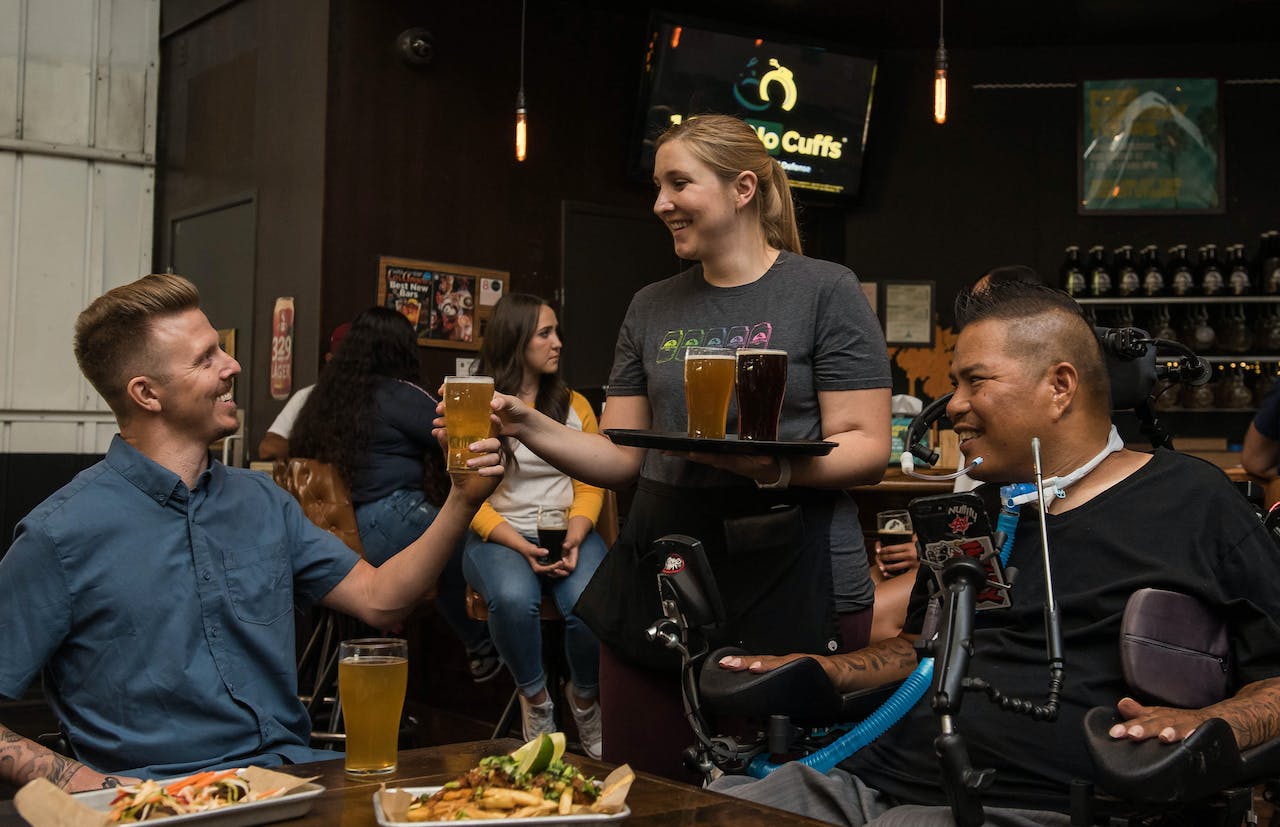
Guests sharing a good experience

Predictive Analytics: Anticipating Guest Preferences

Predictive analytics is another area where AI shines in the restaurant industry. By analyzing past guest behavior and preferences, AI-driven platforms can predict future needs and preferences.  

The real-time data these systems provide is invaluable for making informed, strategic decisions that enhance the guest experience. 

This insight is invaluable for things like menu planning, inventory management, and special event organization. 

Additionally, predictive analytics can inform staff scheduling decisions based on expected guest flow, ensuring that the restaurant is adequately staffed during peak times. 

Predictive analytics, empowered by real-time data, provide a comprehensive understanding of guest preferences, enabling restaurants to make decisions that are not only data-driven but also timely and relevant.  

This proactive approach to anticipating and meeting guest needs is essential in today’s competitive dining landscape, where personalization and efficiency are key to creating memorable dining experiences. 

The ultimate goal of integrating AI in restaurants is to create unforgettable dining experiences for guests.  AI contributes to this by enabling a deeper understanding of guest needs and preferences.  

For example, by recognizing a returning guest’s favorite table or dining times, restaurants can offer a personalized touch that makes the guest feel valued and special. 

Furthermore, AI can enhance the overall efficiency of restaurant operations. From optimizing table turnover rates to suggesting menu items based on popularity and profitability, AI-driven platforms help restaurants operate more effectively, leading to a smoother and more enjoyable guest experience. 

Guests experiencing a good restaurant experience

The Role of AI in Reputation Management

In the competitive landscape of the restaurant industry, reputation management is a crucial aspect that can significantly impact a business’s success. AI-driven platforms like Bloom Intelligence are revolutionizing this domain by offering advanced capabilities for managing and enhancing a restaurant’s reputation.  

Bloom Intelligence’s reputation management system seamlessly integrates with key review platforms like Google, Facebook, Yelp, and TripAdvisor. This integration provides a central hub where all reviews, regardless of their source, are aggregated.  

Such consolidation is crucial for restaurants to have a unified view of their online reputation, making the management process more streamlined, much easier, and efficient. 

Responsive and Proactive Engagement with Reviews

The capability to respond to reviews is a core component of reputation management. Bloom’s platform offers multiple ways to engage with customer feedback: 

  • Manual Responses: For more personalized interaction, restaurant managers can manually respond to reviews. This approach is particularly effective for addressing specific concerns or showing appreciation for positive feedback. 
  • Template-Based Responses: To save time while maintaining consistency in communication, Bloom offers customizable templates. These templates can be tailored for different types of reviews, ensuring that responses are relevant yet efficient. 
  • Automated Responses with AI: Utilizing AI, Bloom can automate responses based on the content and sentiment of the reviews. This feature is invaluable for handling high volumes of feedback, ensuring timely responses that are crucial for maintaining a positive online presence. 

Real-Time Sentiment Analysis and Word Clouds

One of the most innovative aspects of AI-powered systems is real-time customer sentiment analysis.  

AI-powered platforms can analyze the language and context of reviews to gauge customer sentiment, offering restaurateurs an in-depth understanding of what guests truly feel about their dining experience.

AI Powered Customer Sentiment Word Cloud

This analysis is visualized through intuitive word clouds and sentiment trends, updated in real time. Such visualization aids in quickly identifying strengths and areas for improvement, making it easier for restaurants to adapt and enhance their service offerings to improve guest experience. 

The integration of AI in reputation management empowers restaurants to be proactive rather than reactive. By leveraging the real-time insights provided by these platforms, restaurants can anticipate potential issues before they escalate and seize opportunities to enhance their reputation.  

This proactive approach is key to building and maintaining a positive image in the highly competitive and dynamic environment of the restaurant industry. 

Moving Forward

The integration of AI in the restaurant industry is not just a trend, it’s a paradigm shift towards more personalized, efficient, and memorable dining experiences.  

Platforms like Bloom Intelligence harness the power of AI to offer predictive insights, personalized marketing, and improved operational efficiency.  

As the industry continues to evolve, AI-driven platforms will undoubtedly play a pivotal role in shaping the future of dining experiences, making them more enjoyable and tailored to individual guest preferences. 

Discover Bloom Intelligence 

Bloom Intelligence is an AI-powered restaurant marketing platform that includes a powerful customer data platform, automated guest data collection, marketing automation, and reputation management tools.

Guest data is collected from many different sources and aggregated into one single platform, making it simple and easy to analyze and segment your restaurant’s guest personas for your restaurant digital marketing and operations decisions.

Data is collected from sources like WiFi logins, online reservation systems, online ordering platforms, POS systems, website forms, social media, and more.

Bloom makes guest data collection effortless, allowing you to quickly execute the strategies listed above, saving you time, increasing customer lifetime values, attracting new guests, improving your reputation, and boosting your bottom line.

Click Here to Schedule a Free Online Demo, or call 727-877-8181 to see how we can help you save time and drive results for your restaurants.


The Future of Restaurant Customer Data Platforms: Trends and Innovations for 2025

As we step into 2025, the landscape of restaurant marketing and guest engagement is poised for transformative changes, largely driven by advancements in restaurant Customer Data Platforms (CDPs).  

The integration of cutting-edge technologies like AI, machine learning, augmented reality, and blockchain is set to revolutionize how restaurants interact with, understand, and cater to their guests. 

Enhancements in CDP Capabilities Through AI and Machine Learning 

AI and machine learning are at the forefront of the evolution in CDP technology. Throughout 2025 and beyond, we can expect these technologies to dramatically enhance the predictive and generative capabilities of CDPs.  

With AI-driven analytics, restaurants will be able to foresee customer preferences and behaviors with greater accuracy. This foresight will enable more personalized restaurant marketing strategies, tailored menu recommendations, and overall improved guest experiences.  

AI algorithms will continually learn from guest interactions, leading to increasingly sophisticated and nuanced insights.  

This means that restaurants can expect a more dynamic and responsive approach to guest engagement, adapting in real-time to changes in guest behavior and preferences. 

Integration with Emerging Technologies for Enhanced Guest Experiences 

The potential integration of CDPs with technologies like augmented reality (AR) and blockchain presents exciting opportunities for the restaurant industry.  

Augmented reality could transform the dining experience by offering interactive menus, virtual previews of dishes, and immersive culinary journeys that engage guests in novel ways. This integration can turn a simple meal into a memorable event, driving customer loyalty and word-of-mouth promotion. 

Blockchain, on the other hand, could be leveraged for its robust data security capabilities.  

As CDPs handle vast amounts of guest data, blockchain’s decentralized and tamper-proof ledger can offer an additional layer of security, ensuring that guest data is protected against breaches. This will be particularly crucial as data privacy concerns continue to escalate worldwide. 

Anticipating Challenges and Opportunities with Evolving CDPs 

The evolving landscape of CDPs presents a remarkable opportunity for restaurants, with manageable challenges easily overcome through strategic planning and the right tools.

One key aspect is technological adaptability. With the right systems in place, restaurants can easily upgrade their infrastructure and skillsets to maximize the benefits of advanced CDPs.

Moreover, adapting to data privacy regulations becomes straightforward. Restaurants, equipped with platforms like Bloom can effortlessly maintain transparency and compliance with customer data usage, as these platforms continuously ensure privacy compliance on behalf of the restaurant.

The advantages of effectively integrating these technologies far outweigh any challenges. Restaurants that successfully integrate these technologies into their operations can expect to gain a strong competitive edge in 2025 and beyond – and Bloom makes it easy.  

Enhanced guest insights will lead to better decision-making, more effective marketing campaigns, and ultimately, a stronger bottom line.  

Furthermore, the innovative use of technologies like AR can redefine the dining experience, setting a restaurant apart in a crowded market. 

Moving Forward

As we look towards 2025 and beyond, it’s clear that the restaurant industry is on the cusp of a technological revolution, spearheaded by advancements in CDPs.  

The integration of AI, machine learning, AR, and blockchain with CDPs is set to offer unprecedented insights into guest data (behavior, demographics, and preferences), foster innovative dining experiences, and ensure robust data security.  

While challenges inherently remain, the opportunities for growth, differentiation, and enhanced guest engagement are immense.  

Restaurants that embrace these changes and prepare for the future of CDP technology will be well-positioned to thrive in the dynamic landscape of the food and beverage industry. 

Discover Bloom Intelligence 

Bloom Intelligence’s AI-powered restaurant marketing platform stands at the forefront of driving these transformative changes within the restaurant industry.

By harnessing the power of AI and advanced analytics, Bloom is not just a tool, it’s a catalyst for revolutionizing guest engagement and operational efficiency. 

Bloom Intelligence’s platform automates key aspects of guest engagement. From sending personalized offers and recommendations to automating triggered responses based on guest behavior, the platform ensures that interactions are timely, relevant, and impactful.  

Bloom’s platform is designed specifically for restaurants to be user-friendly, addressing the challenge of technological adaptability. It offers restaurants the tools to easily navigate the complexities of modern-day data analytics and marketing automation.  

In doing so, it opens up opportunities for restaurants to quickly and easily enhance their guest engagement, streamline their operations, and ultimately, improve their bottom line. 

As the restaurant industry steps into a future filled with technological advancements, Bloom’s AI-powered marketing platform is poised to be a vital partner.

It offers a blend of innovation, security, and personalization, all geared towards elevating the guest experience and driving restaurant success in 2025 and beyond.  

Click Here to Schedule a Free Online Demo, or call 727-877-8181 to see how we can help you save time and drive tangible results for your restaurants.


Efficiency Unlocked: How CDPs and Automation Revolutionize Marketing Efficiency

For restaurant operators, the challenge of fitting effective marketing into an already packed schedule is a familiar scenario. You’re balancing day-to-day operations, managing staff, and ensuring customer satisfaction.

In this busy environment, marketing can often fall by the wayside. But in today’s digital landscape, a strong online presence is the difference between a bustling service and an empty dining room.

So, how do you squeeze marketing your restaurant into your already-overflowing schedule without sacrificing the quality of your food or the sanity of your staff?

With the advent of restaurant Customer Data Platforms (CDPs) and marketing automation, streamlining your marketing efforts is not just possible, it become efficient and impactful, saving you time to focus on other aspects of running your business.

CDPs: Unlocking the Secrets of Your Guests

Imagine having a detailed data file on every diner who walks through your door or orders online – all meticulously organized and readily accessible.

That’s the magic of a CDP. It acts as a central hub, gathering guest data from all your touchpoints: WiFi logins, POS systems, online ordering, reservations, review sites, website forms, and social media.

It creates detailed customer profiles for all these guests and saves them into its unified restaurant CRM for marketing automation (below).

restaurant CDP and marketing automation tool

The beauty of a CDP lies in its ability to automate this data collection and analysis, freeing up precious time.

No more hunting through scattered spreadsheets or deciphering notes scribbled on takeout orders. With a CDP, you have a centralized and unified view of your guests, allowing you to personalize your restaurant marketing like never before.

Think of it like this: You wouldn’t serve the same dish to a vegetarian and a steak enthusiast, right? Similarly, a CDP helps you tailor your marketing messages to each patron’s unique preferences.

A CDP enables you to segment your guests based on their behavior, preferences, demographics, and value to your business. This customer segmentation allows for more relevant and impactful marketing.

Instead of crafting one-size-fits-all campaigns, you can focus on personalized strategies that resonate with each guest segment, increasing the likelihood of conversion.

Imagine offering a special discount to guests who haven’t visited in a while, or sending a birthday treat voucher to loyal patrons. These targeted campaigns resonate deeply, fostering brand loyalty and driving repeat business.

Click Here to Learn More About Restaurant CDPs

restaurateur creating marketing automation campaigns

Save More Time by Leveraging Marketing Automation

Marketing automation is the secret weapon in the modern restaurateur’s arsenal. Tools like Bloom Intelligence allow you to set up automated campaigns that trigger based on specific guest behaviors, demographics, or preferences.

For instance, it can automatically send a special offer to guests who haven’t visited in a while or a thank you message to those who recently dined at your restaurant. And it is all done automatically.

This hands-off approach ensures consistent engagement with your guests without requiring daily manual input.

There are many different triggers and combinations, including:
  • At-risk Guest Campaign – when guests have not visited or ordered online in a given amount of time, or when they have surpassed their typical ordering time, send a message enticing them to come back.
  • Upon-Ordering Campaign – configure a message to be sent to guests a specific amount of time after they order online. Send surveys, offers for future orders, and more. For example, send an immediate message asking how the ordering process went, or send a message 2 hours later requesting a response about their overall experience.
  • Happy Birthday Campaign – this is one of the most popular and successful campaigns. The message would be sent to guests a few days prior to their birthday. Typically it will include an offer they can redeem on their special day.
  • Survey Campaign – send a message to guests asking them to rate their recent experience. It can be sent at a predetermined time after they visit or order online.
  • Milestone Campaign – send a message with a reward for guests when they reach a particular milestone, such as the 10th time they visit.
  • Upon Registration Campaign – send a thank you message to guests when they first sign up for online reservations, online ordering, or guest WiFi.

These are just a few of the automated marketing campaigns you can send to your guest. Just set it up once and let the system do all the work for you.

Imaging the time you will save having a full marketing plan constantly running for you without lifting a finger.

Click Here to Learn More About Restaurant Marketing Automation

CDP and Marketing Automation, Hand in Hand

The true time-saving magic happens when these two technologies join forces. Think of your CDP as a master chef meticulously crafting personalized dishes, while marketing automation acts as the server, ensuring each dish reaches the right diner at the perfect time.

A CDP provides the insights, and marketing automation translates them into targeted actions.

Imagine learning that your online ordering patrons love a specific dish. Your CDP discovers this preference, and marketing automation triggers an email marketing campaign highlighting other menu items related to that dish, complete with a special offer for your online ordering clientele.

The possibilities are endless. Identify guests who have shorter dwell times. Send them a tempting email offering a free dessert sample with their next meal. Notice a dip in foot traffic on Tuesdays? Craft a targeted campaign promoting your “Taco Tuesday” specials.

Remember, it’s not about bombarding your guests with generic messages. It’s about creating meaningful connections through relevant, personalized experiences.

Tying it All Together

The integration of CDPs and marketing automation into the daily operations of a restaurant is not just a step towards modernization, it’s a strategic move towards efficiency and effectiveness.

For restaurant operators, the challenge is not merely about doing more in less time, but about maximizing the impact of every action taken.

CDPs and marketing automation stand out as pivotal tools in this endeavor.

By automating routine marketing tasks, these technologies free up hours that would otherwise be spent on manual data entry, analysis, and campaign management.

This allows restaurant operators to focus on what truly matters – providing exceptional dining experiences and growing their business. It isn’t just about boosting sales or driving reservations – it’s about reclaiming your precious hours and reigniting your passion.

In a sector where time is a precious commodity, the ability to rapidly adapt and personalize marketing efforts can be the difference between a thriving business and one that struggles to connect with its guests.

CDPs and marketing automation don’t just save time, they amplify the impact of the time invested. The result is a more streamlined, effective, and ultimately successful approach to restaurant marketing – one that aligns with the pace and demands of the modern restaurateur.

Full restaurant dining room

Discover Bloom Intelligence

Bloom Intelligence is an AI-powered restaurant marketing platform that includes a powerful customer data platform, automated data collection, marketing automation, and reputation management tools.

Guest data is collected from many different sources and aggregated into one single platform, making it simple and easy to analyze and segment your restaurant’s guest personas for your restaurant digital marketing and operations decisions.

Data is collected from sources like WiFi logins, online reservation systems, online ordering platforms, POS systems, website forms, social media and more.

Bloom makes guest data collection effortless, allowing you to quickly execute the strategies listed above, saving you time, increasing customer lifetime values, attracting new guests, improving your reputation, and boosting your bottom line.

Click Here to Schedule a Free Online Demo, or call 727-877-8181 to see how we can help you save time and drive tangible results for your restaurants.


CRM vs. CDP for Restaurants: Integrating Data for Enhanced Guest Experiences

In the restaurant industry, where guest satisfaction is the cornerstone of success, leveraging technology to understand and engage with guests has become imperative.

Two pivotal tools in this endeavor are Customer Relationship Management (CRM) and Customer Data Platforms (CDP).

While often used interchangeably, these systems serve distinct yet complementary functions. Understanding the nuanced differences and synergies between a restaurant CRM and CDP is not just beneficial, it’s a strategic necessity for any restaurant aiming to thrive in today’s competitive market.

Here, we’ll look at the CRM and CDP, explain their roles and differences, and see how they can be integrated seamlessly.

Restaurant CRM and CDP Example

Defining Restaurant CRM

A Restaurant CRM system, as its name implies, focuses primarily on managing guest interactions and relationships.

A CRM is a specialized tool designed to help restaurants manage and improve their interactions with guests. It’s an essential component in the toolkit of modern restaurateurs, especially for those managing multiple locations. The primary objective of a restaurant CRM is to foster strong, lasting relationships with guests by efficiently managing and analyzing guest interactions and data.

It’s an operational tool that collects interaction data from various guest touchpoints. The CRM tracks and records past interactions, enabling restaurateurs to maintain a comprehensive history of each guest. This includes things like their dwell times, visit frequency, and spending habits.

Key features of a CRM in the restaurant setting include:

  • Guest Profiling: Building detailed profiles based on past interactions and preferences.
  • Interaction Tracking: Keeping a log of all communications and transactions with guests.
  • Feedback Management: Collecting and responding to guest feedback to enhance service quality.

A restaurant CRM only sees the surface of your guests’ preferences. It can track things like transactions, reservations, and loyalty points, but it doesn’t understand the deeper “why” behind their choices.

That’s where the CDP steps in.

Defining Restaurant CDP

Conversely, a Customer Data Platform is more about data integration and unification. It aggregates and organizes guest data from many different sources like WiFi, POS systems, online ordering platforms, review websites, and reservation systems.

The primary aim of a CDP is to create a full 360-degree guest profile, or single customer view, by compiling data from all these different sources. It combines these bits and pieces into detailed guest profiles, painting a picture of preferences, habits, and even culinary inclinations.

Key functionalities of a CDP include:

  • Data Aggregation: Compiling data from multiple platforms to create a single guest view.
  • Segmentation: Classifying guests into different categories based on behavior, preferences, and value.
  • Behavioral Analysis: Understanding guest patterns to predict future behavior and preferences.

In today’s data-driven world, a Restaurant CDP is an invaluable asset. It provides a deep understanding of guest behavior, which is essential for creating personalized dining experiences, refining marketing strategies, and ultimately enhancing guest satisfaction.

By leveraging the insights gained from a CDP, restaurants can tailor their services and offerings to meet the unique needs and preferences of their guests, leading to increased loyalty and revenue.

Synergy Between CRM and CDP

The synergy between a CRM and CDP is where the magic happens in the realm of restaurant guest management. When these two systems are integrated, they create a powerhouse of data and relationship management that can significantly elevate a restaurant’s operations and guest experiences.

Though distinct, CRM and CDP systems can work together seamlessly. While each system has its distinct functionalities, their combined use allows for a more nuanced and comprehensive approach to guest data management and engagement.

Integrating these systems allows restaurants to not only understand their guests better but also to engage with them more effectively and personally.

A CRM and CDP can fill your restaurant

The integration of CRM and CDP systems in the restaurant industry is not just about managing data or interactions, it’s about creating a harmonious ecosystem where every piece of information is utilized to enhance the guest experience.

This collaborative approach enables restaurants to not only understand their guests better but also to engage with them in a more meaningful, personalized, and effective manner.

In an industry where guest satisfaction is paramount, the combined power of CRM and CDP offers a competitive edge, paving the way for increased loyalty, repeat business, and sustainable growth.

Here are more benefits of combining a CRM and CDP with an all-in-one platform like Bloom Intelligence.

Unified Guest Profiles

A CDP excels in gathering and consolidating data from diverse sources. When this comprehensive data is fed into a CRM system, it creates rich, unified guest profiles.

These profiles encompass not just basic contact information but deep insights into guest preferences, behaviors, and histories.

For a restaurant, this means having a 360-degree view of each guest, enabling personalized service and restaurant marketing communication.

Enhanced Guest Segmentation

The detailed guest data collected by the CDP allows for more sophisticated segmentation in the CRM. Restaurants can categorize guests into various groups based on factors like visit frequency, spending patterns, menu preferences, and even feedback.

This customer segmentation enables highly targeted marketing campaigns and personalized guest experiences, resulting in more effective engagement and increased guest loyalty.

Predictive Analytics for Personalized Experiences

With the vast array of data from the CDP, combined with the interaction history from the CRM, restaurants can leverage predictive analytics. This involves using data patterns to anticipate guest needs and preferences.

For instance, if a guest regularly orders a particular dish or visits on certain days, the system can predict these preferences, enabling the restaurant to make tailored recommendations or offers.

Streamlined Communication and Marketing

The integration of CRM and CDP streamlines communication efforts. Restaurants can automate personalized emails, messages, and offers based on the data-driven insights.

This ensures that marketing efforts are not just blanket campaigns, but carefully crafted messages that resonate with individual guests or specific segments, increasing the effectiveness of marketing spend and efforts.

One of the most potent features of Bloom Intelligence is its ability to automate segmented marketing campaigns.

The platform identifies different guest segments, such as regulars, at-risk guests, or high-value guests, and triggers automated, personalized messaging and offers.

This targeted approach ensures that marketing efforts are not just broad-stroke but are finely tuned to resonate with each guest segment.

Effective marketing with a CRM and CDP

Real-time Feedback and Reputation Management

With real-time data flowing from the CDP to the CRM, restaurants can quickly respond to guest feedback.

Whether it’s a review on a ratings website or direct feedback from a dining experience, the integrated system allows for swift and effective reputation management.

This not only helps in immediately addressing any guest concerns but also plays a crucial role in reputation management, customer sentiment, and guest retention.

The integration of CRM and CDP in the restaurant industry is a game-changer. It bridges the gap between collecting vast amounts of guest data and effectively using that data to build lasting relationships.

The result is a more personalized, data-driven approach to guest management, leading to enhanced guest experiences, increased loyalty, and ultimately, a more successful restaurant business.

This symbiotic relationship between CRM and CDP paves the way for a new era in the restaurant industry, where every decision is informed and every guest interaction is personalized.

Bloom Intelligence takes this synergy to the next level by offering an AI-powered platform that combines the capabilities of both a CRM and a CDP.

This integration provides restaurant operators with a comprehensive tool to enhance guest experiences, bolster restaurant reputation, and increase customer lifetime value.

Improving Guest Experiences

Bloom Intelligence uses its integrated CDP/CRM capabilities to craft personalized guest experiences.

By analyzing comprehensive data, the platform predicts guest preferences and behavior, allowing restaurants to tailor their services.

For instance, understanding that a guest prefers vegetarian options or frequently orders a particular wine enables the restaurant to make personalized recommendations, elevating the guest experience.

Enhancing Restaurant Reputation

Reputation management is a critical aspect of Bloom’s platform. It aggregates reviews from Google, Facebook, TripAdvisor, and Yelp, into one platform allowing operators to respond promptly and effectively.

The system can even respond to reviews automatically using AI, configured parameters, and prewritten templates. This saves operators many hours a week to dedicate to other aspects of running their business.

This proactive approach to reputation management not only addresses guest concerns but also showcases the restaurant’s commitment to guest satisfaction, thereby boosting its public image.

Increasing Customer Lifetime Value

By leveraging the insights gathered from the integrated CDP/CRM, restaurants can identify high-value guests and nurture these relationships.

Bloom uses AI and machine learning to recognize patterns that indicate a guest is at risk of churning and enables the restaurant to engage them with personalized offers or loyalty programs, thereby increasing their lifetime value.

Bloom users are seeing up to 37% of their churning guests return. Read the case study here.

Download Case Study

In summary, while a restaurant CRM focuses on managing and enhancing individual guest relationships, a CDP aims at unifying and analyzing extensive guest data.

The integration of these systems, as exemplified by Bloom Intelligence, provides a powerful tool for restaurants. It not only streamlines operations but also significantly enhances guest experiences, bolsters reputation, augments customer lifetime values, and enables the execution of automated, targeted, and segmented marketing campaigns.

In an industry where guest satisfaction is paramount, the harmonious use of CRM and CDP can be a game-changer for restaurant operators aiming to stay ahead in the competitive market.

Discover Bloom Intelligence

Bloom Intelligence is an AI-powered restaurant marketing platform that includes a powerful customer data platform, automated guest data collection, marketing automation, and reputation management tools.

Guest data is collected from many different sources and aggregated into one single platform, making it simple and easy to analyze and segment your restaurant’s guest personas for your restaurant digital marketing and operations decisions.

Data is collected from sources like WiFi logins, online reservation systems, online ordering platforms, POS systems, website forms, social media and more.

Bloom makes guest data collection effortless, allowing you to quickly execute the strategies listed above, saving you time, increasing customer lifetime values, attracting new guests, improving your reputation, and boosting your bottom line.

Click Here to Schedule a Free Online Demo, or call 727-877-8181 to see how we can help you save time and drive tangible results for your restaurants.


Restaurant Promotion: What is the Best Way to Promote a Restaurant in 2025?

In today’s fast-paced and highly competitive industry, effective restaurant promotion is the cornerstone of a successful and thriving restaurant business.

In 2025, promoting your restaurant demands innovative strategies. Understanding these tactics is crucial for restaurateurs and marketers, especially those managing multiple locations. Here, we outline some of the best ways to elevate your restaurant’s visibility and appeal to your guests.

First, consider the following statistics:

  • 84% of restaurant patrons research online before visiting an establishment. (Source: Upserve)
  • 59% of consumers say online reviews influence their decision to dine at a restaurant. (Source: BrightLocal)
  • Restaurants with a strong online presence experience a 22% increase in revenue. (Source: Toast)

The harsh reality is that approximately 60% of new restaurants fail within the first year, and nearly 80% shut the doors before their fifth anniversary. This stark statistic underscores the critical need for strategic promotion to not only attract new guests but also to foster loyalty and repeat visits.

The advent of digital technology has revolutionized the way restaurants promote to their guests. In an era where almost 80% of Americans own a smartphone, online visibility is not just an option, it’s a necessity.

So, by leveraging digital platforms and traditional offline strategies, restaurateurs can engage with a wider audience, build a robust online presence, get their message in front of current and potential guests, and craft a compelling brand story that resonates with their patrons.

From digital restaurant marketing strategies to community events, the avenues to captivate and retain guests are numerous.

As we look into the best ways to promote a restaurant in 2025, we’ll explore innovative strategies that blend technology with tradition, data-driven insights with creative flair, and digital outreach with personal engagement.

Whether you’re a seasoned restaurateur or just starting out, these restaurant promotion tips will provide you with the tools to not only survive but thrive in a dynamic industry.
restaurant promotion can fill your dining room

1. Know Who Your Guests Are

Consumers today crave brands that understand their needs and preferences, and restaurants are no exception. To truly connect with your guests and drive higher ROI, you need to move beyond generic marketing and embrace a 360-degree view of your audience.

This is where knowing your guests becomes paramount. By collecting guest data from multiple sources, you can build detailed profiles that reveal their preferences, purchase history, dining habits, and even their online and offline behavior.

This comprehensive understanding empowers you to segment your guest base into targeted groups. In turn, this allows you to deliver personalized marketing messages and offers that are relevant and resonate more with each individual guest or segment.

The statistics speak for themselves:

  • Segmented email campaigns deliver a 760% increase in revenue compared to generic campaigns. (Source: Campaign Monitor)
  • Personalized product recommendations can increase conversion rates by 113%. (Source: Exponea)
  • Customers are 80% more likely to make a purchase when offered a personalized experience. (Source: Epsilon)

Leveraging guest data for personalization can transform your marketing efforts, unlocking a significant return on investment.

This data-driven approach will enable you to deliver relevant experiences that foster deeper connections, boost guest satisfaction, and ultimately, drive your restaurant towards long-term success.

2. Leverage AI-Powered Restaurant Promotion Platforms

Artificial Intelligence (AI) has transformed marketing. Platforms like Bloom Intelligence, a restaurant customer data platform (CDP), offer comprehensive solutions by aggregating guest data from various sources.

Utilizing a CDP allows you to create detailed guest profiles and targeted marketing lists. This approach enables personalized messaging and offers, directly addressing the unique preferences of your guests.

Incorporating an AI-powered restaurant promotion platform into your strategy is not just about keeping up with technology, it’s about staying ahead in a competitive market.

These systems excel in developing comprehensive guest profiles by collating data from various channels including guest WiFi, review sites, point of sale systems, and online ordering & reservations platforms. This depth of information provides a rich understanding of guest preferences and behaviors, which is critical for crafting targeted promotion strategies.

By utilizing these advanced tools, restaurants can optimize their marketing efforts, create more personalized guest experiences, and ultimately drive business growth.

Using restaurant promotion to drive business growth

3. Embrace Personalized Guest Experiences

This strategy goes beyond basic customer satisfaction. It involves creating unique, memorable experiences that resonate deeply with guests, encouraging repeat visits and word-of-mouth promotion.

Personalization is key in 2025. Use guest behavior data to craft personalized experiences, from customized menus to tailored offers. For instance, identify regular guests or those at risk of not returning, and target them with special loyalty or bounce-back offers. This not only enhances the guest experience but also fosters loyalty.

Personalized experiences foster a deeper connection between the restaurant and its guests. By showing that you understand and cater to their unique preferences, guests are more likely to form a strong bond with your brand, leading to increased advocacy.

Embracing personalized guest experiences in restaurant promotion is about recognizing and engaging the individuality of each guest. It’s a strategy that not only enhances guest satisfaction and loyalty but also sets the restaurant apart in a competitive market.

By investing in personalization, restaurants can create a distinctive brand experience that guests will remember and recommend.

4. Optimize Your Online Presence

In today’s digital age, a restaurant’s online presence is as crucial as its physical location. Optimizing this online footprint is a key strategy in restaurant promotion for 2025, directly impacting visibility and guest engagement.

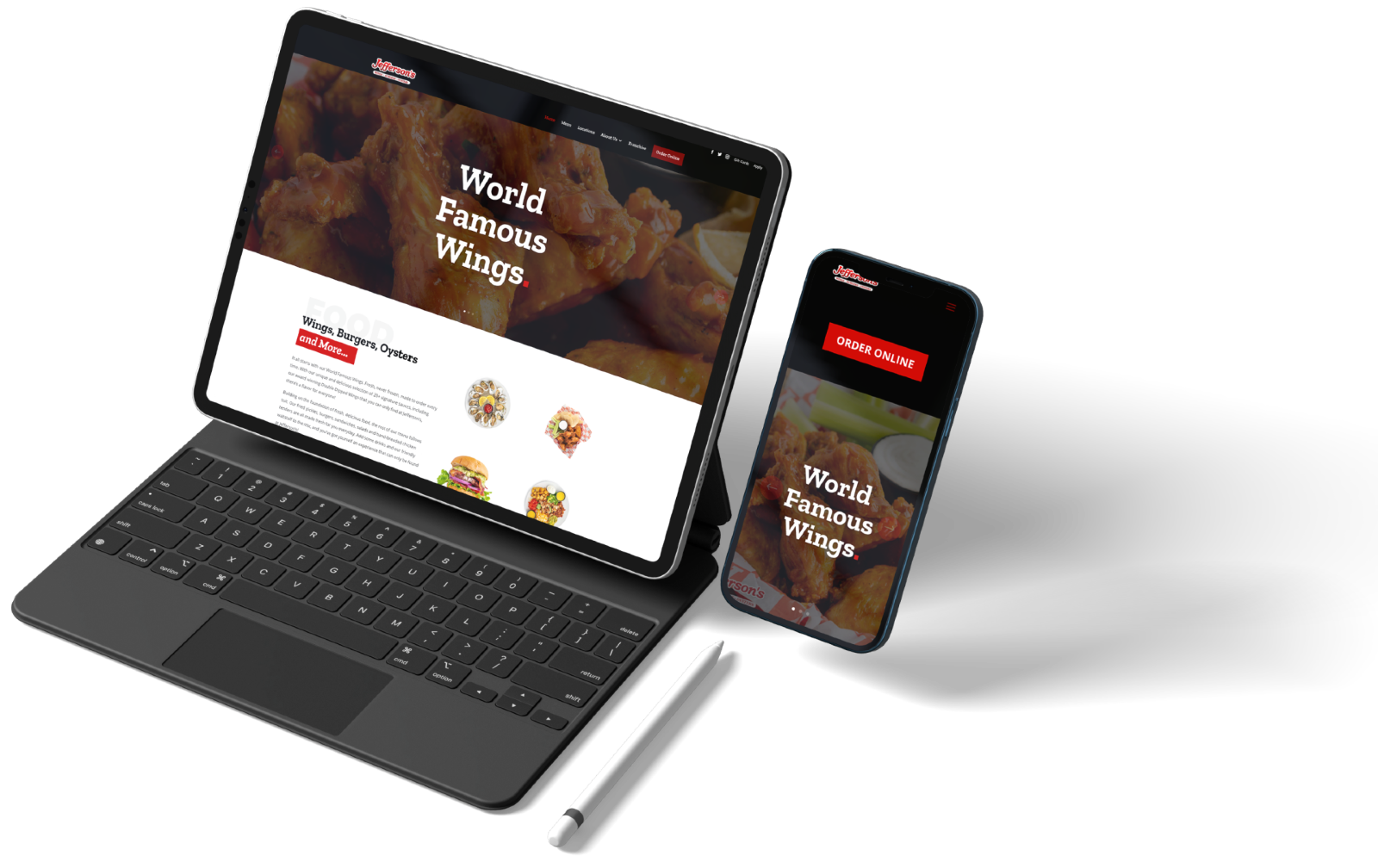
Your website should be more than just an information portal – it’s the digital face of your restaurant. Ensure it’s user-friendly, visually appealing, and updated with the latest information about menus, specials, and events. Integrating online reservation and ordering systems also adds convenience for guests, enhancing their overall experience.

Likewise, social media platforms are invaluable for connecting with guests. Regularly post engaging content like behind-the-scenes glimpses, chef interviews, or stories showcasing your restaurant’s story. This not only builds your brand’s personality but also creates a platform for guests to interact and engage with your restaurant.

Online reviews can make or break a restaurant’s reputation. Actively manage your profiles on platforms like Yelp, TripAdvisor, Google, and Facebook. Encourage happy guests to leave reviews and respond professionally to negative feedback, showing that you value guest opinions and are committed to improving their experience.

Platforms like Bloom Intelligence can even automate the processes for you, saving you time and resources to devote to other business-building tasks.
5. Utilize Reputation Management Tools

Online reviews significantly influence guest decisions and active management of your restaurant reputation is critical for restaurant promotion. Platforms that integrate with Google, Facebook, Yelp, and TripAdvisor can help manage your restaurant’s reputation.

Bloom can automate the collection and aggregation of reviews from these platforms into a single, easy-to-navigate interface. This consolidation simplifies the review management process, saving time and effort.

Additionally, Bloom’s advanced AI capabilities enable real-time customer sentiment analysis, offering immediate insights into how guests perceive their dining experience.

This feature helps restaurants quickly identify trends and address any concerns, ensuring that the guest experience is consistently top-notch.

Moreover, Bloom can automate responses to reviews, a feature that streamlines reputation management. This allows for timely and consistent responses to guest feedback, demonstrating to guests that their opinions are heard and valued.

However, it’s important to personalize responses when necessary to show genuine care and attention.

Utilizing reputation management tools is essential in today’s restaurant promotion landscape. Platforms like Bloom not only simplify the management of online reviews but also provide valuable insights into guest sentiment.

This comprehensive approach to reputation management can significantly enhance a restaurant’s image, attract more guests, and ultimately contribute to the establishment’s success.

6. Implement Data-Driven Automated Marketing Campaigns

In 2025, data-driven automated marketing campaigns will stand as a powerful tool for promotion.

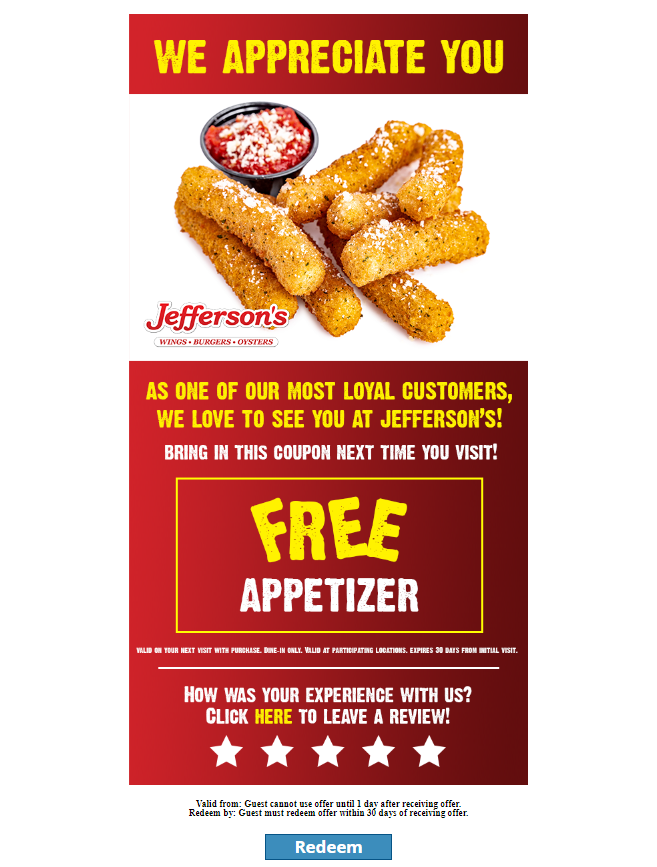
These campaigns harness the vast amounts of data collected from various guest interactions and use it to create highly targeted, effective marketing strategies that run on autopilot.

With the wealth of guest data available, restaurants can segment their audience based on preferences, dining history, and behavior. This segmentation allows for crafting highly personalized messages that resonate with different groups of guests, significantly increasing the effectiveness of the promotion efforts.

These campaigns not only ensure a high level of personalization and relevance but also offer efficiency and measurable outcomes.

By leveraging the power of data, restaurants can craft compelling marketing messages that attract and retain guests, ultimately driving business success.
7. Utilize Multiple Marketing Channels for Restaurant Promotion

For a restaurant to thrive, it is crucial to embrace a multi-channel marketing approach. Utilizing various channels such as email, SMS (text messaging), and social media not only broadens the reach but also caters to the diverse preferences of guests.

Each promotion channel has its strengths. Restaurant email marketing is great for detailed, content-rich messages like newsletters or special event promotions. SMS excels in delivering immediate, time-sensitive messages like reservation reminders or flash deals. Social media is ideal for building brand personality, showcasing the ambiance, and engaging with guests in a more informal and interactive manner.

Tailoring the message to the strengths of each channel enhances its effectiveness.

While the content may vary slightly to suit each channel, it’s crucial to maintain consistent brand messaging. This consistency helps in building a strong, recognizable restaurant brand identity that guests can relate to, regardless of the channel they interact with.

By effectively combining email, SMS, social media, and other strategies, restaurants can ensure a robust, dynamic, and personalized marketing effort that not only attracts guests but also fosters loyalty and ongoing engagement.

8. Foster Community Engagement

In the context of restaurant promotion in 2025, fostering community engagement has emerged as a pivotal strategy.

It’s about creating a sense of belonging and connection, not just within the walls of the restaurant, but extending into the local community. This approach builds a loyal customer base and enhances the restaurant’s reputation.

  • Host and Participate in Local Events: By hosting or participating in local events, restaurants can actively engage with the community. This could be through local food festivals, charity events, or culinary workshops. Such involvement not only increases the restaurant’s visibility but also demonstrates a commitment to the community.
  • Collaborate with Local Businesses and Artisans: Partnering with local suppliers, artists, and other businesses for special menus, events, or décor elements can strengthen community ties. These collaborations not only bring a unique local flavor to the restaurant but also support the local economy.
  • Engage in Community Service and Sustainability Efforts: Involvement in community service projects or adopting sustainable practices resonates with guests who value social responsibility.

Whether it’s sourcing ingredients locally or participating in environmental initiatives, these efforts enhance the restaurant’s image as a socially responsible entity.

In essence, fostering community engagement is about weaving your restaurant into the fabric of the local community. It’s a strategy that goes beyond traditional promotion, building genuine relationships and loyalty.

By investing in your community, your restaurant becomes more than a dining destination. It becomes a cherished part of the local culture and lifestyle.
promoting a restaurant at a local event

9. Adopt Sustainable Practices

In 2025, adopting sustainable practices is not only a moral imperative but also a strategic move for restaurant promotion.

Sustainability resonates with an increasingly environmentally conscious customer base, and showcasing these practices can significantly elevate a restaurant’s appeal and reputation.

More than ever, guests are looking to patronize businesses that align with their values. Demonstrating a commitment to sustainability through practices like using locally sourced ingredients, minimizing waste, or employing energy-efficient appliances appeals to these values, attracting a segment of the market that prioritizes environmental responsibility.

Sustainable practices often involve collaborating with local suppliers and farmers, which can strengthen community ties. This local collaboration not only supports the local economy but also creates a narrative around your restaurant that guests can connect with and support.

They also contribute positively to your restaurant’s brand image. This can lead to beneficial public relations opportunities, such as features in local media or partnerships with environmental organizations, further enhancing your restaurant’s visibility and reputation.

By integrating sustainability into your business model and promotion strategies, your restaurant can appeal to a broader range of guests while contributing positively to the environment.

10. Monitor and Adapt to Trends

The restaurant industry is ever-evolving. Stay informed about the latest trends, whether it’s new culinary techniques, emerging technologies, or shifts in guest preferences. Being adaptable allows you to stay ahead of the competition.

Monitoring and adapting to trends is a dynamic and ongoing process that is essential for effective restaurant promotion.

It involves being proactive, responsive, and innovative in various aspects of the restaurant business, from menu development to marketing and customer service recovery.

By staying current and flexible, a restaurant can continually engage and excite its guests, ensuring long-term success and relevance in the market.

In Conclusion

In summary, promoting a restaurant in 2025 is an intricate blend of innovative technology, personalized guest experiences, and a strong online presence, all underpinned by a deep connection with the community and sustainable practices.

Utilizing AI-powered platforms like Bloom Intelligence, restaurants can harness detailed guest data to drive personalized and effective marketing campaigns.

Optimizing the online presence across various channels ensures a broad and impactful reach, while reputation management tools like those offered by Bloom Intelligence safeguard and enhance the restaurant’s image.

Data-driven automated marketing campaigns allow for precision targeting and efficiency, and employing multiple marketing channels like email, SMS, and social media caters to diverse guest preferences.

Community engagement is more crucial than ever, fostering a sense of belonging and loyalty. Meanwhile, adopting sustainable practices not only appeals to environmentally conscious guests but also sets a restaurant apart as a responsible and forward-thinking establishment.

Staying attuned to and adaptable to current trends ensures that a restaurant remains relevant and appealing in a rapidly evolving market.

Ultimately, the most effective promotion strategy in 2025 is one that combines these elements into a cohesive, adaptable approach, focusing not just on attracting guests but on creating an unforgettable dining experience that encourages return visits and word-of-mouth recommendations.

This comprehensive and dynamic strategy is the key to thriving in the competitive and ever-changing landscape of today’s restaurant industry.
Full restaurant dining room with loyal guests

Discover Bloom Intelligence

Bloom Intelligence is an AI-powered restaurant marketing platform that includes a powerful customer data platform, automated guest data collection, marketing automation, and reputation management tools.

Guest data is collected from many different sources and aggregated into one single platform, making it simple and easy to analyze and segment your restaurant’s guest personas for your restaurant’s digital marketing, promotion, and operations decisions.

Data is collected from sources like WiFi logins, online reservation systems, online ordering platforms, POS systems, website forms, social media and more.

Bloom makes guest data collection effortless, allowing you to quickly execute the strategies listed above, saving you time, increasing customer lifetime values, attracting new guests, improving your reputation, and boosting your bottom line.

Click Here to Schedule a Free Online Demo, or call 727-877-8181 to see how we can help you save time and drive tangible results for your restaurants.


Personalization and Segmentation: Revolutionize Guest Experiences with Data-Driven Strategies

Are you feeling the weight of today’s uncertain economy and the challenge of dwindling consumer spending in an industry that demands constant adaptation and resilience?

The restaurant industry is at a crossroads, facing both unprecedented challenges and opportunities. As guest expectations evolve, personalization and segmentation emerge as key differentiators in this competitive landscape.

The key is in understanding today’s consumers. Today’s restaurant market is experience-driven. Guests seek dining experiences that resonate personally with them, making it crucial for restaurants to understand and cater to these individual preferences.

Personalization is no longer a luxury but a necessity for success in this dynamic environment to keep guests happy and coming back.

personalized experience keeps guests happy

Welcome to the forefront of the restaurant industry’s revolution, where the secret ingredient to thriving in an increasingly competitive market is no longer confined to the kitchen.

It’s in the data.

For restaurant owners and operators who are ready to elevate their game by embracing the power of data-driven strategies, we dive into the significance of personalization and segmentation, unraveling how these approaches, fueled by insightful data analysis, are not just trends but necessities in today’s dynamic dining landscape.

Get ready to explore the pivotal role of data in reshaping guest experiences, enhancing loyalty, powering restaurant marketing, and driving unprecedented growth even in uncertain times. Turn information into action and set your restaurant on a path to not just succeed but to thrive.


The Importance of Personalization and Segmentation

With the amount of competition in the restaurant industry, personalization and segmentation have emerged as crucial strategies for creating standout guest experiences and driving business growth.

Understanding and implementing these concepts can be the difference between a restaurant that merely operates and one that continues to grow.

Personalization: Crafting Unique Dining Experiences

Personalization in the restaurant context involves tailoring the dining experience to meet the specific preferences and expectations of individual guests.

It’s about recognizing and responding to the unique needs of each guest, making them feel valued and special. This could mean remembering a guest’s favorite dish, their favorite table, or greeting them by name upon arrival.

The benefits of personalization are many:

  • It fosters a deeper emotional connection between the guest and the restaurant, leading to increased customer loyalty.
  • Personalized experiences often translate into positive reviews and word-of-mouth recommendations, crucial in today’s digital age.
  • It also opens avenues for upselling and cross-selling by aligning offerings more closely with guest preferences, thereby enhancing revenue.

Segmentation: Targeting the Right Audience

While personalization focuses on individual guests, customer segmentation involves dividing the broader guest base into smaller, more manageable groups based on shared characteristics.

These groups can be formed based on various criteria like dining preferences, frequency of visits, average spend, or demographic factors.

Effective segmentation allows restaurants to:

  • Develop targeted marketing campaigns that resonate more deeply with each group, thereby increasing their effectiveness.
  • Identify and nurture different customer segments, such as regulars, first-time visitors, or special occasion diners, with tailored strategies that encourage repeat visits.
  • Allocate resources more efficiently, whether it’s staffing, inventory management, or marketing spend, based on the needs and behaviors of different segments.

Understanding and utilizing guest data can be daunting. However, with a customer data platform like Bloom Intelligence, this task transforms from a challenging endeavor into a streamlined, very manageable process.

Bloom specializes in simplifying the collection and analysis of guest data. It offers a user-friendly platform where data from various sources like POS systems, online ordering and reservations, and WiFi logins are seamlessly integrated.

This integration provides a 360-degree view of guest behaviors and preferences, crucial for informed decision-making.

Bloom makes the process of dividing your customer base into distinct groups based on shared characteristics simple and easy, making segmentation almost effortless.

This enables restaurant owners and marketers to quickly identify and target specific customer segments with personalized marketing strategies and tailored dining experiences.

segmentation and personalization for a 360-degree view of guests

Combining Personalization and Segmentation

When personalization and segmentation are combined, they create a powerful synergy.

Segmentation provides a framework for understanding the diverse needs of the guest base, while personalization allows for the execution of specific strategies that cater to these needs at an individual level.

This dual approach ensures that while the restaurant is effectively reaching out to different segments of its market, it is also creating individualized experiences that resonate on a personal level.

Personalization and segmentation in the restaurant industry are key to not only attracting guests but also to building lasting relationships with them. By effectively using data to understand and cater to guest preferences, restaurants can create unforgettable experiences that keep guests coming back for more.


The Power of Data in Personalization and Segmentation

The foundation of effective personalization and segmentation lies in data collection. Understanding guest behavior and preferences allows restaurants to tailor experiences and engage guests more effectively.

By collecting data from multiple sources and aggregating it into one platform, restaurants can create more individualized interactions.

Various methods of data collection play a key role in understanding guest behavior and preferences. WiFi and website analytics are instrumental in providing insights into how often guests visit, how long they stay, and their activities online. Similarly, online ordering and reservations systems are a goldmine of information, offering direct insights into guests’ preferences through their engagement and feedback on these platforms. Equally important are Point of Sale (POS) systems, which track transactional data, shedding light on guests’ ordering patterns and spending habits.

Moving beyond collection, the aggregation and integration of this data is where platforms like Bloom Intelligence shine. They excel in consolidating data from these varied sources into a unified view, a process that’s essential for effective personalization and segmentation.

This comprehensive view of guest data is invaluable, not only for creating targeted marketing strategies but also for enhancing the accuracy and reliability of the data, thereby ensuring more informed and effective decision-making.

With such integration, restaurants can craft more precise and impactful strategies, tailored to the nuanced needs of their guests.

  • Data Collection Sources
    • WiFi and Website Analytics: These tools provide insights into guest visit frequency, duration, and online/in-store behavior.
    • Website Forms: A great way to collect guest feedback and contact information like emails and phone numbers.
    • Point of Sale (POS) Systems: Transactional data from POS systems reveal what guests are ordering and their spending habits.
    • Online Ordering and Reservation Systems: These systems offer insights into guest ordering patterns and dining preferences.
  • Aggregating and Integrating Guest Data
    • Aggregating guest data from these diverse sources into a unified view is crucial. Platforms like Bloom Intelligence excel in this, offering a single customer view that is invaluable for personalization and segmentation.
    • This unified view facilitates effective audience creation, allowing for more targeted and efficient marketing strategies. It also enhances data accuracy and reliability, ensuring informed decision-making.

restaurant segmentation provides a better guest experience

Benefits of Personalization and Segmentation

Personalizing guest experiences offers a range of benefits that are crucial for the success of any restaurant. By creating experiences that resonate personally with guests, restaurants can foster a deeper emotional connection, which often results in increased guest loyalty.

This loyalty not only leads to more frequent repeat visits but also encourages guests to become brand advocates through positive word-of-mouth promotion.

Moreover, personalization plays a significant role in enhancing a restaurant’s brand image. In a market crowded with options, a restaurant that can offer a unique, tailored experience stands out.

This distinct identity not only attracts new guests but also helps in building and maintaining a strong, positive reputation.

Additionally, personalization opens up opportunities for increased revenue through upselling and cross-selling. When recommendations are tailored to align with individual guest preferences, there’s a higher likelihood of guests trying new offerings or premium options.

This not only improves the overall dining experience for the guest but also increases the average spending per visit, contributing to the restaurant’s financial growth.

In summary, personalizing guest experiences is not just about meeting expectations but exceeding them, leading to a cycle of loyalty, restaurant reputation enhancement, and revenue growth.

The restaurant industry is evolving rapidly, and those who fail to adapt risk being left behind. Embracing a data-driven approach to guest experience is no longer optional but essential for success.

Restaurants must leverage the power of data to personalize experiences and segment their guest base effectively. Platforms like Bloom Intelligence offer the tools and insights necessary to navigate this transformation.

For restaurants ready to step into the future of dining, embracing the intelligent use of data to create exceptional, personalized guest experiences is the way forward.

The future is here, and it’s powered by data.

Full restaurant dining room with loyal guests

Discover Bloom Intelligence

Bloom Intelligence is an AI-powered restaurant marketing platform that includes a powerful customer data platform, automated guest data collection, marketing automation, and reputation management tools.

Guest data is collected from many different sources and aggregated into one single platform, making it simple and easy to analyze and segment your restaurant’s guest personas for your restaurant digital marketing and operations decisions.

Data is collected from sources like WiFi logins, online reservation systems, online ordering platforms, POS systems, website forms, social media and more.

Bloom makes guest data collection effortless, allowing you to quickly execute the strategies listed above, saving you time, increasing customer lifetime values, attracting new guests, improving your reputation, and boosting your bottom line.

Click Here to Schedule a Free Online Demo, or call 727-877-8181 to see how we can help you save time and drive tangible results for your restaurants.