Harness the Power of AI for Restaurant Marketing to Boost Guest Engagement
As the restaurant industry becomes increasingly competitive, it becomes more important for restaurants to find new and innovative ways to attract and retain guests.
One technology that is rapidly gaining popularity in the restaurant industry is artificial intelligence (AI). By leveraging AI, restaurants can improve their marketing efforts, from customer profiling and online review monitoring to targeted advertising and personalized email campaigns.
Below, we’ll explore some of the practical uses of AI in restaurant marketing, and discuss how restaurants can leverage this technology to stay ahead of the competition and drive stronger business growth.
Automate Personalization: Engage Guests Like Never Before
Personalized marketing is a key strategy for restaurant marketers who want to reach their target audience and drive more sales. With the help of artificial intelligence (AI), restaurants can take personalization to the next level by creating targeted, personalized campaigns that resonate with individual customers.
One of the ways that AI can assist restaurant marketers with personalized marketing is through customer profiling. By analyzing guest data such as name, gender, location, preferences, and behaviors, AI can create detailed customer profiles that provide insight into what each guest is likely to engage with or respond to. With this information, restaurants can create personalized campaigns that are tailored to each guest’s specific needs and interests.
AI can also be used to personalize email marketing campaigns. By analyzing guest data, AI can create personalized emails that include recommendations for menu items based on a guest’s past behavior and preferences. This type of personalized email campaign is highly effective, with open rates and click-through rates that are significantly higher than non-personalized emails.
By leveraging AI technology, restaurants can gain valuable insight into their guests’ preferences and behaviors, and use this information to create targeted, personalized campaigns that drive more sales and build strong customer loyalty.
Online Review Monitoring and Reputation Management
Online reviews play a crucial role in the success of any restaurant, as they provide valuable feedback and insights into the guest experience. However, with the increasing number of online review platforms and the sheer volume of reviews, monitoring and responding to them can be a daunting task for restaurant marketers.
This is where artificial intelligence (AI) can be incredibly helpful.
AI-powered review monitoring tools can help restaurant marketers track and analyze reviews across various platforms such as Yelp, Google, Facebook, and TripAdvisor. These tools use natural language processing (NLP) algorithms to analyze the sentiment and topics of each review, providing insights into guest satisfaction, common complaints, and positive feedback.
This can help restaurants identify areas for improvement and make data-driven decisions to improve the overall guest experience.
Furthermore, AI can assist with responding to reviews. AI-assisted templates can analyze the sentiment of each review and provide suggested responses. This can help to improve response times and provide consistent, on-brand responses across all review platforms.
AI-powered review monitoring tools can be incredibly helpful for restaurant marketers to manage and respond to online reviews. By leveraging AI technology, restaurants can gain valuable insights into customer feedback, improve response times, and even help prioritize reviews that require immediate attention.
Unlock Guest Insights with AI-Powered Marketing
Artificial Intelligence (AI) for restaurants can be an incredibly powerful tool when it comes to predictive analytics. Predictive analytics uses data, statistical algorithms, and machine learning techniques to identify the likelihood of future outcomes based on historical data. This can help restaurants make more informed decisions about everything from menu offerings to staffing levels.
One way that AI can help restaurants with predictive analytics is by analyzing historical sales data to identify trends and patterns. By using predictive analytics to identify trends, restaurants can better anticipate demand and ensure that they have the right resources in place to meet that demand.
AI can also be helpful in optimizing staffing levels. By analyzing historical sales data, as well as other data points, it becomes possible to predict the expected demand for a particular day or shift. This can help restaurants to better manage their staffing levels, ensuring that they have enough staff on hand to meet demand, without overstaffing and wasting resources.
Another way that AI can help restaurants with predictive analytics is by analyzing customer data to identify potential customer churn. By analyzing past behavior data, AI algorithms can identify patterns that may indicate that a guest is at risk of not coming back. This can help restaurants proactively address guest concerns and improve the overall customer experience, increasing the likelihood that customers will return in the future.
Using automated marketing, a message can be sent to individual guests when they are identified as being at risk of churning. Bloom users are seeing up to 37%+ of their at-risk guests return using this strategy.
Click the banner below for details and the full case study!
Competitive Analysis
Artificial Intelligence (AI) is now an extremely powerful tool for analyzing competitor reviews and comparing them to a restaurant’s own reviews. With the vast amount of data available online, AI can help restaurants make sense of all the information and use it to improve their offerings and operations.
AI-powered natural language processing (NLP) algorithms can scan and analyze large volumes of text data. By analyzing the language used in reviews across multiple restaurants, AI algorithms can identify areas where a particular restaurant is performing well or lagging behind.
For example, AI might identify that a restaurant’s food quality is consistently rated highly compared to its competitors, but its customer service is rated lower. Armed with this information, the restaurant can adjust its approach and focus more on improving its customer service to match or exceed that of its competitors.
AI algorithms can detect trends and changes in customer sentiment. For example, AI might detect a recent increase in negative reviews for a competitor, which could indicate a decline in the quality of its offerings. This information could be helpful to capitalize on the competitor’s weakness and improve your offerings in those areas.
Discover Bloom Intelligence
These are only a few of the revolutionary ways restaurateurs can use AI for restaurant marketing and more. AI technology is sure to continue its development, saving even more time and resources for restaurant owners and operators around the world.
Keeping a focus on guest satisfaction, customer sentiment, and online ratings and reviews using AI-driven tools can boost the visibility and reputation of your restaurant, helping you drive new guests into your restaurant – all while saving time and lowering marketing costs.
Call us or schedule a free demo online and Bloom will show you how our restaurant marketing platform can help you save time and increase your customer lifetime values by automatically building first-party customer databases, unlocking important guest insights to trigger marketing at the right time and place, discover true guest sentiment, save at-risk guests, increase your current guests’ frequency, and find new guests.
In the world of restaurant marketing, businesses often rely on both qualitative and quantitative data to make informed decisions.
Qualitative data is subjective and focuses on understanding guest experiences and opinions, while quantitative data is objective and focuses on numerical analysis of guest behavior.
With the advent of artificial intelligence (AI), restaurants now have access to powerful tools that can analyze both types of data at scale.
Quantitative AI involves using machine learning algorithms to process and analyze large amounts of numerical data, while qualitative AI involves natural language processing to analyze and understand text-based data such as reviews and feedback.
By combining quantitative and qualitative AI, restaurants can gain a more comprehensive understanding of their guests, enabling them to make better-informed decisions about their marketing and operations strategies.
Quantitative AI in Restaurant Marketing
Quantitative AI in restaurant marketing refers to the use of machine learning algorithms to analyze large amounts of numerical data. This can include data such as sales figures, website analytics, guest behavior, and customer demographics.
By analyzing this data, restaurants can gain insights into their guests’ behavior and preferences, allowing them to make data-driven decisions about their restaurant marketing strategies.
One example of quantitative AI in restaurant marketing is predictive analytics. By using machine learning algorithms to analyze historical sales data, restaurants can predict guest visit patterns and understand when a guest may be churning, or at risk of not returning.
Then, using an automated marketing platform, messages can be sent to those guests luring them into coming back to your location, or ordering online, to re-establish their visit pattern.
Another example of quantitative AI in restaurant marketing is customer segmentation.
By using clustering algorithms to group customers based on similar characteristics such as age, location, and spending habits, restaurants can create targeted marketing campaigns for each segment.
This allows them to deliver more personalized marketing messages that are more likely to engage the guests and get them to return.
Overall, the use of quantitative AI in restaurant marketing has the potential to improve operational efficiency and profitability while also enhancing the guest experience by delivering more personalized marketing messages.
As AI technology continues to evolve and become more sophisticated, its role in restaurant marketing is likely to expand even further.
Qualitative AI in Restaurant Marketing
Qualitative AI in restaurant marketing refers to the use of natural language processing (NLP) algorithms to analyze and understand text-based data such as guest reviews, feedback, and first-party surveys.
By analyzing this data, restaurants can gain insights into guest sentiment, opinions, and preferences, allowing them to make data-driven decisions about their marketing and operations strategies.
One example of qualitative AI in restaurant marketing is customer sentiment analysis. By using NLP algorithms to analyze customer reviews and survey responses, restaurants can determine the overall sentiment toward their brand.
This allows them to not only identify areas for improvement but to reinforce what is already working well. This can help restaurants to make changes to their operations and marketing strategies in order to improve overall guest satisfaction and loyalty.
Another example of qualitative AI in restaurant marketing is something known as “topic modeling.” By using NLP algorithms to identify recurring topics and themes in guest feedback, restaurants can gain insights into the most important issues affecting their guests.
This can help them to prioritize their efforts and make changes that are most likely to have a positive impact on the guest experience.
Overall, the use of qualitative AI in restaurant marketing has the potential to improve the guest experience by helping restaurants to better understand their patrons’ needs and preferences.
As AI technology continues to evolve and become more sophisticated, its role in restaurant marketing is likely to expand even further, enabling restaurants to deliver even more personalized and effective marketing messages.
In Conclusion
Artificial intelligence (AI) is revolutionizing the way restaurants approach marketing. With the advent of AI, restaurants can now analyze guest data to gain insights into their preferences and behaviors.
This allows for the creation of more targeted and personalized marketing campaigns that are more likely to resonate with guests.
Additionally, AI can help restaurants optimize their operations by predicting demand and optimizing pricing, resulting in improved profitability.
As AI technology continues to evolve and become more accessible, restaurants are expected to increasingly adopt AI-powered marketing techniques to remain competitive in an ever-changing industry.
Discover Bloom Intelligence
Keeping a focus on guest satisfaction, customer sentiment, and online ratings and reviews using AI-driven tools can boost the visibility and reputation of your restaurant, helping you drive new guests into your restaurant – all while saving time and lowering marketing costs.
Call us or schedule a free demo online and Bloom will show you how our restaurant marketing and customer data platform can help you save time and increase your customer lifetime values by automatically building first-party customer databases, unlocking important guest insights to trigger marketing at the right time and place, discover true guest sentiment, save at-risk guests, increase your current guests’ frequency, and find new guests.
The Power of AI in the Restaurant Industry: From Data to Profit
Artificial Intelligence (AI) is rapidly transforming the restaurant industry, offering innovative solutions for time and resource management while enhancing guest experience and profitability.
In an era where technology and AI are reshaping every aspect of our lives, the restaurant industry is no exception.
The integration of artificial intelligence (AI) into restaurant operations is proving to be a game-changer, offering innovative solutions to age-old challenges. From streamlining kitchen processes to personalizing customer experiences, AI for restaurants is transforming the way eateries operate and interact with their guests.
As restaurateurs face increasing pressure to optimize operations, maximize revenue, and foster customer loyalty, many are turning to AI-powered tools and strategies.
These cutting-edge technologies are not just futuristic concepts but practical solutions that are already making a significant impact in dining establishments around the world.
For restaurant owners and marketers, the integration of AI in the food and beverages industry represents a transformative opportunity. With the rise of innovative startups and cutting-edge technology, AI is revolutionizing how restaurants operate and make decisions.
By adopting AI-driven solutions, your restaurants can streamline operations, minimize waste, and enhance guest experiences, leading to higher productivity and guest satisfaction.
As the AI sector expands, embracing these technologies will position your restaurant at the forefront of the industry, giving you a significant competitive edge in this evolving market.
AI technology empowers you to engage effectively with both loyal patrons and potential new guests through personalized marketing. It provides deep insights into guest behavior, enabling you to tailor your services and messaging to meet their preferences.
Moreover, AI streamlines operational tasks, freeing up valuable time for you to focus on business growth and guest satisfaction.
35% of restaurant chains plan to implement AI in their operations within the next year, illustrating a striking trend: the digital and culinary worlds are increasingly converging. This figure serves as a clear indicator, guiding us toward the future direction of the restaurant industry.
And according to Business Insider, 60% of restaurants that implemented AI technology say it’s critical in improving their processes.
In this article, we look at the practical applications of AI in the restaurant industry, demonstrating how it can elevate your business by boosting revenue, enhancing guest loyalty, and ultimately your bottom line – crucial in today’s uncertain economic times.
Key Benefits of AI for Restaurants of All Sizes
AI in restaurants offers a sophisticated approach to enhancing guest experiences while optimizing time management and reducing costs. For restaurant owners and operators, the integration of AI technology is a strategic move toward operational excellence and customer satisfaction.
AI technology can be employed to enhance ordering accuracy, engage guests online, improve marketing, and increase operational efficiency to grow your business.
Its utilization can range from basic menu item recognition for kitchen staff to advanced guest analytics for restaurant management.
Furthermore, AI plays a crucial role in streamlining daily operations, accurately forecasting guest counts, managing dwell times, and optimizing waitlists and table reservations.
By leveraging these advanced tools, restaurants can not only provide a superior experience for their patrons but also maintain a competitive edge in the ever-evolving dining industry.
From small cafes to large chain restaurants, AI-powered solutions drive efficiency, boost revenue, and enhance customer experiences.
Operational Benefits
Streamlined Inventory Management AI algorithms predict ingredient usage, reducing waste and ensuring optimal stock levels. Smart systems alert managers when supplies run low, automating reordering processes.
Enhanced Kitchen Efficiency AI-powered kitchen management systems optimize food preparation times and streamline order fulfillment. These systems reduce errors, minimize wait times, and increase kitchen throughput.
Improved Staff Scheduling Machine learning algorithms analyze historical data and predict busy periods, enabling managers to optimize staff schedules. This ensures appropriate staffing levels during peak hours while reducing labor costs during slower times.
Automated Quality Control AI-enabled cameras and sensors monitor food preparation, ensuring consistency and adherence to quality standards. These systems can detect potential health violations and alert staff immediately.
Marketing Benefits
Personalized Customer Experiences AI analyzes customer data to create detailed profiles, enabling restaurants to offer personalized menu recommendations and targeted promotions. This enhances customer satisfaction and increases average order values.
Intelligent Pricing Strategies Dynamic pricing algorithms adjust menu prices based on demand, time of day, and other factors. This maximizes revenue during peak times and attracts customers during slower periods.
Enhanced Customer Service AI-powered chatbots handle reservations, answer frequently asked questions, and address customer concerns 24/7. This improves response times and frees up staff to focus on in-person interactions.
Data-Driven Decision Making AI tools analyze vast amounts of data from various sources, providing actionable insights on customer preferences, popular menu items, and emerging trends. This empowers restaurant owners to make informed decisions about menu changes, marketing campaigns, and business strategies.
Targeted Marketing Campaigns Machine learning algorithms segment customers based on their preferences and behaviors, allowing restaurants to create highly targeted marketing campaigns. This increases the effectiveness of promotional efforts and improves the return on marketing investment.
By leveraging AI in both operations and marketing, restaurants of all sizes can significantly improve their efficiency, profitability, and customer satisfaction. As AI technology continues to evolve, it will undoubtedly play an increasingly crucial role in shaping the future of the restaurant industry.
Creating Personalized Guest Journeys with AI
Artificial Intelligence can improve day-to-day customer service operations in several ways. AI-powered solutions for customer service like chatbots can provide automated, personalized responses to patrons anytime, anywhere.
Even complex inquiries can be answered quickly by leveraging AI features like natural language processing and machine learning.
AI can also help streamline restaurant marketing campaigns by allowing you to accurately target guests with customized notifications based on their preferences, behaviors, and interests. Virtual assistants use data from multiple sources to answer questions and offer recommendations tailored to each individual user.
On the marketing side, a restaurant customer data platform also collects data from multiple sources to give you a full 360-degree view of your guests, individually and as a whole. Then you can use the data to automate personalized marketing campaigns that guests are more likely to engage with.
With AI and marketing automation, you will be saving a great deal of time and energy that you can focus on other aspects of your business.
Additionally, AI is improving the efficiency of operating processes by helping to detect patterns in data faster while automating mundane tasks. By predicting guest needs and preferences before they arise businesses can benefit from reduced costs and increased guest satisfaction.
Overall, AI technology is making it easier, faster, and cheaper for restaurants to develop stronger relationships with their guests while optimizing operational resources at the same time.
How Restaurants Are Implementing AI
The use of artificial intelligence (AI) in restaurants is growing rapidly in popularity across the world. Restaurants are using AI to enhance the guest experience by streamlining processes such as taking orders or providing assistance where needed.
Likewise, AI can be used to understand guest sentiment based on first-party surveys and online ratings and reviews. Then, marketing automation can engage each guest individually automatically, saving you time and lowering marketing costs.
Other examples include:
ordering kiosks at fast food establishments
automation software for seat management and waitlist administration
robots that deliver dishes or produce drinks
AI-driven chatbots that provide customer support
voice-controlled devices to navigate through menus and ordering systems
AI-powered dish recognition to accurately detect ingredients on a plate
These technological innovations not only streamline tasks for restaurant staff but also significantly enhance the guest experience.
An innovative example is the Bloom Intelligence AI-driven word cloud, which aggregates data from online guest reviews and first-party surveys. This tool allows restaurant owners and managers to quickly assess guest sentiment, providing valuable insights for data-driven improvements to the dining experience, ultimately enhancing ratings and reviews.
How AI Streamlines Reputation Management for Restaurant Success
Bloom Intelligence’s AI-powered reputation management offers restaurants a streamlined solution to manage and enhance their online presence, crucial in today’s digital-driven dining landscape.
With integrations across major platforms like Google, Facebook, Yelp, and TripAdvisor, Bloom aggregates reviews into one central platform, enabling restaurateurs to respond swiftly to both positive and negative feedback. This real-time management allows businesses to maintain a consistent brand voice, ensuring every guest feels heard and valued.
One of the standout features is Bloom’s use of AI to automate responses. Restaurateurs can set up custom rules and templates that generate personalized replies to reviews, saving time while maintaining authenticity.
This automation helps improve guest satisfaction by addressing concerns before they escalate, as guests appreciate timely, thoughtful replies. Bloom also analyzes customer sentiment over time, creating AI-driven word clouds (see image above) that highlight trends in guest feedback, offering valuable insights into areas for improvement.
By leveraging these tools, restaurants can not only protect their reputations but also enhance them, attracting more guests and building long-term loyalty. Studies show that businesses that engage with online reviews see higher guest satisfaction, and Bloom’s reputation management makes it easier to achieve these results.
Restaurants are continuing to explore ways they can leverage AI to help make operations more efficient while also creating a more enjoyable guest experience.
In our next post, we will discuss how to use AI to improve marketing ROI, raise your restaurant reputation, and lower costs while saving a great deal of time to concentrate on other areas of your business.
Discover Bloom Intelligence
Get your ratings to stand out online! Keeping a focus on ratings and reviews using AI-driven tools can boost the visibility and reputation of your restaurant, helping you drive new guests into your restaurant – all while saving time and lowering marketing costs.
Call us or schedule a free demo online and Bloom will show you how our restaurant marketing and customer data platform can help you save time and increase your customer lifetime values by automatically building first-party customer databases, unlocking important guest insights to trigger marketing at the right time and place, showcase your positive ratings, save at-risk guests, increase your current guests’ frequency, and find new guests.
Click Here to Schedule a Free Online Demo, or call 727-877-8181 to see how we can help you save time and drive tangible results for your restaurants.
There’s no denying that ratings and reviews play a big role in the modern restaurant landscape. A single bad review can be crushing to your business, while a positive one could help attract many new guests for years to come. Positive reviews can act as an effective marketing tool to draw in fresh patrons.
That’s why it’s so important to stay on top of your online restaurant reputation and to respond to reviews promptly. In this blog post, we’ll dive into the importance of monitoring and responding to restaurant ratings and reviews.
We’ll also discuss how to do so effectively and efficiently using prewritten templates and artificial intelligence.
So whether you’re managing a five-star establishment or struggling to keep your head above water, read on for some insights that can help you easily navigate the world of online guest feedback.
Why Ratings and Reviews Matter for Restaurants
Online ratings and reviews provide essential insights for restaurant owners looking to evaluate guest sentiment, maintain their reputation, and improve the overall guest experience.
These reviews give a unique perspective on everything from food quality to customer service to ambiance and more.
Online ratings and reviews are necessary tools that can be used to increase trust among potential guests, get candid feedback from diners, and promote your restaurant’s brand.
They help restaurants not only measure their effectiveness in delivery services but also how they stand compared to competitors in terms of food offerings or pricing policies.
In an increasingly competitive market, these online evaluations are invaluable as they help restaurateurs maintain a competitive edge.
How To Use Automation and Artificial Intelligence to Save Time
With a restaurant marketing and customer data platform, like Bloom Intelligence, it becomes possible to see and reply to your Google, Facebook. amd Bloom ratings and reviews all from one platform – in real time.
This immediately saves users time by not having to visit multiple review sites at various times of the day. They see all of them in real time as they are posted.
But this is just one time-saving feature. You can also create reply templates to use the will prefill in your response field when you click on the “Respond” button.
Then, all you do is choose which template to use, make any edits you’d like, then click send. It’s that quick and easy. It is as close to automating review responses as you can get.
Users typically create several templates to rotate through so that responses don’t all look too similar. And being able to edit before sending, you can personalize it with the user’s name or anythinng else you’d like to add or change.
Another time-saving feature that is coming soon is the ability to let artifical intelligence create responses for you based upon the users review and you previous responses to similar reviews.
Being fully automated, all you will have to do is monitor your reports to guage customer sentiment and make data-driven marketing and operations decisions to inherently improve ratings over time.
Now that you know why ratings are so important, and how you can save time and resources monitoring them, here are some tips on how to respond to reviews and improve your business.
How to Respond to Negative Ratings and Reviews
Responding to negative ratings and reviews can be a tricky task. It’s important to remember that a negative review does not define your busines. What really matters is how you handle it.
Start by addressing the guest’s complaint in an understanding and sympathetic manner, taking the time to listen and learn from the experience.
Offering a resolution or explanation whenever possible will help maintain the customer’s confidence in your brand.
Apologize if necessary and provide support while doing what you can to improve their experience with your restaurant.
Above all, responding professionally and respectfully shows current and potential guests that you take feedback seriously as part of pursuing excellence.
Benefits of Responding to the Positives
Responding to positive ratings and reviews is an important part of maintaining a reputable business presence. Not only does it allow guests to get to know your brand better, but responding also shows that you value their opinion.
Additionally, responses can demonstrate how well the company will handle customer service inquiries, making it easier for potential clients to trust your brand.
By providing informed and helpful replies, customers will be more likely to stay connected with the company, give referrals and propose ideas or suggestions for improvement.
Replying to positive reviews not only conveys respect and appreciation, but can also lead to further growth and higher ratings 0ver time.
Always Monitor Online Ratings and Reviews
With the ever-increasing popularity and importance of online reviews and ratings, businesses must be aware of what is being said about their services.
Monitoring your ratings and reviews can help you understand customer sentiment, as well as identify loyal and potential customers who are interested in your brand. As such, it’s important to keep track of your online presence.
Make sure you configure alert systems that notify you when new comments appear. It is also a good idea to set up a weekly review of all your channels to check for any real-time feedback from customers so as to respond as soon as possible and minimize negative effects on your business reputation.
Lastly, try not to focus only on negative reviews but recognize the positive ones too – they will provide valuable insights into customer needs and preferences that can help improve the quality of services you offer.
Use Ratings and Reviews to Improve Your Restaurant Business
Restaurants everywhere are now feeling the value of utilizing online ratings and reviews. For smart business owners, harnessing the power of customer feedback from review sites like Yelp, TripAdvisor and OpenTable can lead to an increase in market visibility, more insightful decision-making, and improved customer service.
First and foremost, it is essential for restaurateurs to monitor reviews for criticism that can help improve their business practices.
This starts with monitoring reviews regularly so that timely responses from staff can be made in order to demonstrate the restaurant’s commitment to excellent customer service.
Additionally, this allows businesses to make use of new ideas from customers about menu items or services that could be beneficial for their establishment.
Ultimately, taking advantage of what customers have to say through these platforms can boost a restaurant’s reputation and draw in new guests.
When it comes to online ratings and reviews, restaurants need to be proactive. Online reviews are one of the most important factors that customers consider when choosing a restaurant, so it’s important to have a strategy for dealing with both positive and negative feedback.
Responding to ratings and reviews is a great way to show customers that you care about their experience at your restaurant.
And not only that, but it can also help improve your business by giving you valuable insights into what customers like and don’t like about your restaurant.
By monitoring online ratings and reviews regularly, you can make sure that your customers are happy and keep your restaurant running smoothly.
Discover Bloom Intelligence
Get your ratings to stand out online! Keeping a focus on ratings and reviews, you can boost the visibility and reputation of your restaurant, helping you drive new guests into your restaurants.
Call us or schedule a free demo online and Bloom will show you how our restaurant marketing and customer data platform can help you save time and increase your customer lifetime values by automatically building first-party customer databases, unlocking important guest insights to trigger marketing at the right time and place, showcase your positive ratings, save at-risk guests, increase your current guests’ frequency, and find new guests.
Restaurant owners and operators face an uphill battle in the current market, where competition is fierce and costs are high. To stay afloat, it’s essential to not only draw new guests but also to retain them with return visits.
The key to finding new guests and producing strong guest loyalty is to collect accurate, comprehensive guest data to understand who your most loyal guests are. Then, you can create targeted marketing and remarketing campaigns to find more of them and keep them coming back.
Likewise, you can use the the data to make intelligent decisions about your restaurant’s operations, staff training, and procedures.
In this post, we will talk about the various ways to collect guest data to build a large, clean restaurant customer data platform and ways to use it to improve your restaurant business.
Restaurant Customer Data Collection
The first step in collecting restaurant guest data is to incorporate a restaurant customer data platform like Bloom Intelligence.
Once set up and configured, you can begin collecting guest data from many different sources, giving you a full 360-degree view of your customer base – from online behavior, to demographics, to to how guests interacrt when they are at your restuarant.
Here are several ways you can collect your guest data using a restaurant CDP.
On-Premise WiFi Guest Data Collection
Understanding how your guests behave when at your place of business can proide you with invaluable insight into how you can optimize your restaurant to improve the overall guest experience.
When guests come to your place of business with a WiFi-enabled device like a cell phone or laptop, Bloom can sense the device. Even if guests do not log into your WiFi, the system knows their device is there.
Using this technology, you can gather accurate behavior data insights from guests who are at your place of business. You can see anonymous data like:
Daily traffic counts
First-time visitors
First-time visitor return rate
Popular visit times
Dwell times, and dwell times by hour
Average guest repeat rates, and more
Plus, you can filter this data by day and compare between days or different locations. This allows you to see trends and adjust marketing and operations procedures based on actual guest data. Then, you can monitor results in real time and make data-driven decisions to improve your business.
When guests do log into your WiFi, you can collect much more data, including their contact information like their email address or mobile number. Then you can begin creating remarketing campaigns to keep them coming back again and again.
When guests log into your WiFi using a social media platform like Facebook any shared data from that platform will be added to that guest’s profile. This gives you data such as their name, gender, birth date, postal code, and even their profile picture.
Likewise, using progressive profiling, you can ask them for a different data point every time they log in. Over time you’ll gather data such as their:
Name
Age/Birthdate
Gender
Postal code
Mobile number, and more.
Using this data, you can create extremely targeted marketing campaigns that will speak to each guest on a more personal level. This will drive more engagement with your messaging and build more revenue for your business.
Website Data Collection
More and more, consumers visit a business’s website prior to making a final decision on spending their money with that business.
When current and potential guests visit your website, you can use it as an opportunity to collect guest data. Bloom Intelligence can give you a small piece of code to place on your website that will display a small signup form for your newsletter or special promotional emails.
When website visitors fill out the form and submit it, their data immediately goes into your restaurant customer data platform.
From then on, if they log into your WiFi, or order from your online ordering platform, Bloom will recognize that particular guest. It will then begin adding behavior and purchasing data to their guest profile.
Online Ordering Data Collection
With the rise of the pandemic, restaurant online ordering has become very popular over the last few years. According to Zippia, online food ordering has grown 300% faster than dine-in since 2014 and now accounts for roughly 40% of total restaurant sales.
Likewise, 60% of Americans order delivery at least once per week and the average American spends $67 on takeout per week.
If you use an online ordering system like Olo or Oracle’s GloriaFood, then you can collect even more guest data. When guests order online, they can be required to enter their email and/or phone number prior to making their purchase.
This data is then added to a customer profile for the guest. Purchasing behavior is also included.
Using Bloom’s automated marketing tools, you can then trigger email marketing campaigns with first-party survey requests, offers, and more.
Reservation System Data Collection
If you utilize a reservation system for your restaurant, it provides another stream of data for your CDP. It’s easy to upload the data you receive into the Bloom customer data platform.
Bloom creates customer profiles for each guest, and if they are already in your platform, then Bloom will recognize them and continue building their profile with any new data provided.
The data is filterable, allowing you to segment similar guests into data-specific lists. Then, you can use this data for more profitable segmented and targeted remarketing campaigns.
POS System Data Collection
As guest orders are entered into your POS system, Bloom is able to update each guest’s profile with transactional data when associated with a marketing offer.
This can be done through an integration between your CDP and your POS system. Or, the data can be quickly and easily uploaded into the CDP.
This will provide deep insights into the ROI of your marketing campaigns, and give you the ability to optimize over time.
By knowing which guests spend more and come more often, you can optimize marketing campaigns to keep your ideal guests coming back.
Online Review Site Data Collection
When a guest responds to a survey or leaves an online review, the ratings and reviews can be pulled back into Bloom’s restaurant customer data platform. It’s a great way to see all reviews from Facebook, Google, and Bloom surveys all in one place.
The reporting in the reputation management tools allows you to easily see your aggregate and individual guest rankings data, as well as spot trends over time.
You can save time by being able to respond to all reviews in one simple platform in real time.
It also contains a, articial intelligence-generated word cloud which allows you to easily get a picture of guest sentiment. You can see what your guests love about your restaurant, or what could use more work.
Understanding guest sentiment allows you to quickly understand how your guests feel about your restaurant, whether visiting your place of business, ordering online, or engaging with your brand online.
Discover Bloom Intelligence
With Bloom, you’ll have a complete 360-degree view of your guests. Then you can use the data to improve marketing and operations, save time, and increase guest lifetime values.
If you are ready to start collecting your own first-party guest data, you need to give Bloom Intelligence a look.
Not only will you be able to automate your restaurant marketing, but you can also use it to unlock valuable guest insights, improve your ratings and reviews, identify and bring back lost guests, and so much more.
You’ll feel confident as you make solid data-driven decisions. You’ll drive company growth and build a much larger base of loyal guests.
With the amount of competition out there right now, Bloom can give you a strong competitive advantage. Are you ready to ensure lasting success?
No matter what type of restaurant you’re operating, Valentine’s Day can be a great post-holiday boost for restaurant sales. Here are some tips to help you make the most of Valentine’s Day 2026 at your restaurant.
If possible, break up your larger tables into two-tops to help maximize party capacity and lower customer wait times.
Romanticize the Menu
Valentine’s Day is a special day for couples all across the country. So why not create a special menu for the holiday that will provide them with a more exclusive experience? Many restaurants will serve items that aren’t on their everyday menu. These items typically have a love-related theme, such as heart-shaped food and desserts, or food and drink items that are red or pink in color.
If you can’t change up your menu, think about printing a Valentine’s Day menu of your everyday items, but with romantic names like “Lover’s Lasagna” or “Frisky Fries.”
Offer Take Out Specials
Take-out ordering continues to grow in popularity. A lot of couples will opt to spend a romantic night at home. It’s important to offer your Valentine’s Day menu or meals for two with special options to go. This will increase your overall revenue for the holiday while pleasing your customers who prefer to spend the evening at home.
Don’t Forget the Kids
A lot of couples with children will decide to make it a family outing and bring the kids along. Think about giving all of the children a grab bag of goodies, or a special kids menu with heart-shaped food items. Kids love dessert, so make sure to include it in your kid’s menu. Chocolate and strawberries are always good choices. This is a great way to attract customers with children and help the next generation of diners engage with your restaurant.
Be careful not to overbook. While you want to make sure every table is full at all times, some diners will be late or will remain seated longer than expected.
Provide a Romantic Ambiance
Valentine’s Day provides a great opportunity to transform the atmosphere inside your restaurant. Some ideas might include:
Dim the lighting slightly to a romantic – yet safe – level
Place candles and/or flowers on the tables
Play romantic music on your sound system
Decorate main areas with holiday-themed decorations
Have your front-of-house staff dress accordingly
By providing a more intimate atmosphere, your guests will remember more than just the food and drink.
While Valentine’s Day is traditionally very busy, you still need to let your customers know about the specials you plan on having. Start by introducing signage in and around your restaurant. This will help to acquire new customers and gain the attention of passers-by.
Consider advertising locally on Google Ads or other online advertising applications. If you have social media accounts for your restaurants, you can advertise your specials there. Make sure to use appropriate hashtags. This is a great way to get the word out without spending a ton of money.
Email marketing is another great way of advertising not only Valentine’s Day specials, but any specials you have throughout the year. If you have a list of customer email addresses, make sure to send an email explaining what you are offering on Valentine’s Day. Make sure to optimize your email campaigns.
Fall In Love With Restaurant Marketing
With Bloom’s restaurant marketing platform, you can build your customer list passively, and when you send an email or SMS, you’ll be able to track open rates and even see which guests come in or order online on Valentine’s Day, or how many redeemed a digital coupon, should you include one.
Another great idea you can implement with Bloom is to offer a discount or other promotion for any guests who come back, say, in the month of February after visiting on Valentine’s Day. This is a great way to help reinforce customer engagement and loyalty.
And the best part about it is that Bloom can automate the entire process for you (and so much more)! Who doesn’t love that?
Click Here to Schedule a Free Online Demo, or call 727-877-8181 to see how we can help you save time and drive tangible results for your restaurants.
At Bloom Intelligence, we know that for restaurant owners and operators, time is a limited commodity that is rarely in abundance.
As restaurant owners and operators know all too well, precious time can be in short supply with staff management, purchasing, finances, guest satisfaction, and more competing for attention.
Yet effective marketing is still essential to success.
Enter the solution – restaurant marketing automation. This technology streamlines processes so that once configured they will automatically execute, thus freeing up your most valuable asset – time.
With marketing automation, restaurant owners can accelerate their daily operations and dedicate more time to other critical activities. This technology enables restaurateurs to streamline tasks that would have traditionally taken up a large percentage of their day-to-day duties.
If you have been on the fence about marketing automation, check out these various types of campaigns that won’t just save you precious time, but will improve guest acquisition and retention, improve online ratings and reviews, increase customer lifetime values, and get lost guests back through your doors.
Improving Ratings and Reviews for Better Guest Acquisition and Retention
Online ratings and reviews are no doubt one of the most powerful things a restaurant marketer can take advantage of.
Did you know that a one-star rating improvement can improve your revenue by up to 9%? Think about that for a moment. Would a 9% increase in revenue make a difference for your business?
Gaining consistent online ratings and reviews is a low-cost key to attracting and retaining guests. They increase your brand’s visibility and help potential guests discover and choose your restaurant.
Unfortunately, it can become rather time-consuming jumping from site to site checking for new reviews, and trying to identify issues and trends.
This is where automation can save you time by surveying your guests whenever they dine in or order online. By getting this type of first-party feedback, you can make data-driven decisions to help improve guest satisfaction and, in turn, your online ratings and reviews.
Automated First-Party Guest Surveys
Using a restaurant customer data platform like Bloom Intelligence, it is quick and easy to create a first-party guest survey campaign. Here’s how it works.
You first create the messages that will be sent to the guests. This message will typically thank them for a recent visit or online order and ask them to provide a rating of their experience – from one-half star to five stars. There is also a field where they can leave a comment.
The message can be configured to be sent after a specific number of visits or online orders so they do not get the message every time.
Then, a rating threshold is set for which a follow-up message will be sent. For instance, if the threshold is set at 2 ½ stars, then if the guest gives a rating of 2 ½ stars or less, a follow-up message can be automatically sent.
In this case, the follow-up message could offer an apology for providing anything less than a great experience and could include an incentive to get them back through your door to give you another chance. The idea is to grab their attention and offer some kind of resolution to their issue – and to do it before they get to an online rating website.
Typically, if a guest knows their negative issue is being addressed in a friendly and positive manner, they may refrain from complaining online. Plus, their odds of returning will increase dramatically.
Another example might be when a guest leaves a very positive rating. You could configure the system to respond with a thank you email letting them know you appreciate their business.
Plus, you can monitor and study all of the responses in one easy place instead of scouring all of the online rating websites. Over time, you will see patterns and trends begin to appear. This is where you can make those changes to your procedures to improve the overall guest experience.
Identifying and Bringing Back Lost Guests Using Restaurant Marketing Automation
Customer churn (when customers stop visiting your restaurant) is inherent in any business. In the restaurant industry, however, it can make or break your business if you cannot identify those guests and get them back through your doors.
There is an enormous amount of competition in the restaurant industry, and it doesn’t take much to shift a guest’s routine. That change in routine can result in a guest who is at risk of churning shifting into a fully churned customer.
It’s no secret that your loyal regulars are the lifeblood of your business. So, when a guest changes their habit of visiting your establishment, do you have a way of knowing?
When you realize this means you must keep tabs on all your guests to the best of your ability, the need for automation begins to take on more clarity. Most restaurateurs simply do not have the time available to monitor all of their patrons in such detail.
But more importantly, can you entice them to come back – all without spending your valuable time sifting through tons of guest data and manually reaching out?
When it comes to utilizing automated marketing to engage at-risk guests, your customer data platform (CDP) can provide powerful insight and use it to automate the entire process. Here’s how.
The Bloom CDP’s intelligent algorithm sets are monitoring each guest’s frequency distribution, individually and as a whole, to understand your guest attrition rate.
By analyzing each guest’s frequency, the platform can accurately predict when a patron should be returning for another visit or ordering online. If the guest does not return or order online by that date, they are identified as a guest who is “at-risk” of churning.
When a customer is deemed to be at risk, a message can be automatically sent with an incentive, such as a free drink or dessert, to return to your restaurant. Even if you choose not to add an incentive, sending an email will help get your restaurant back into the mind of the guest.
Bloom users who implement this campaign are seeing up to 37% of their at-risk guests walk back through their doors. Imagine the impact this would have on your bottom line, all while saving you time and decreasing guest retention costs.
It is 100% automated, and it tracks attribution all the way down to the guest returning and redeeming an offer if provided.
Saving at-risk guests should obviously be a priority for any business that relies on repeat customers. Therefore, you should take steps to identify and mitigate customer churn on an ongoing basis.
Automated Birthday and Holiday Marketing Campaigns
Who doesn’t like to be recognized on their birthday or a special holiday? Happy Birthday and holiday campaigns are a great way to build guest loyalty and increase customer lifetime value.
Moreover, it can be completely automated, saving you even more time while automatically improving your bottom line.
If your guests log into your guest WiFi or online ordering platform using a social media account, the systems can learn the guest’s birthdate and save it in the customer database. Likewise, the
birthdate can be a required field if a guest logs in using their name/email address.
All that is needed to execute this campaign is to create the message that will be sent. Then you simply tell the system how many days prior to the date to send the message.
Give them at least a couple of days to make plans and invite others. Guests who decide to visit on a special day will often bring more people with them, stay longer, and spend more money.
Not only can you increase revenue, but the guest will most likely become more loyal to your place of business, potentially increasing their customer lifetime value.
The best part is that all of these examples are completely automated for you.
These are just a few of the great ways you can improve guest lifetime values, acquisition, and retention all while saving time to improve other aspects of your restaurant business.
To learn more about how Bloom’s restaurant customer data platform can help you create these and other automated restaurant marketing campaigns, click on the link or banner below.
Discover the Bloom Intelligence Restaurant Customer Data Platform
If you are looking for an effective way to improve guest retention while increasing your bottom line all while saving time and energy, then restaurant marketing automation should be a priority for you and your business.
It’s time to start planning for the successful future of your restaurant. Using Bloom’s restaurant marketing and customer data platform, you can leverage real-time guest insights and reporting data to improve your overall guest experience.
Not only will you get your current guests back through your door, but you’ll also attract new guests and keep them coming back.
In a rough economy with rising food and labor costs and diminished consumer spending habits, guest acquisition and retention are crucial for success.
If you’d like to see more of what the Bloom restaurant customer data platform can help grow your business through guest intelligence and marketing automation, schedule a free demo or call 727-877-8181.
Coffee shops face unprecedented competition in 2026, but smart marketing strategies can transform struggling locations into thriving community hubs.
With 90% of customers expecting an online presence and 75% relying on loyalty programs, successful coffee shop marketing requires a data-driven approach that builds lasting customer relationships.
Key Coffee Shop Marketing Statistics for 2026
Key Statistics for a Thriving 2026
Social Media & Local Buzz
65%
Of coffee shops actively use Instagram for marketing and customer engagement.
Source: SquareUp 2026
70%
Of coffee drinkers are more likely to visit after seeing appealing coffee photos online.
Source: National Coffee Association 2026
45%
Increase in foot traffic for shops with engaging TikTok content.
Source: Toast POS 2026
80%
Of local searches for “coffee shops near me” result in a visit within 24 hours.
Source: Google Trends 2026
50% Engage.
Social media campaigns featuring User-Generated Content (UGC) see a 50% increase in engagement.
Source: inBeat / The Shelf 2026
50% Trust
Consumers find User-Generated Content (UGC) 50% more trustworthy than other media types.
Source: inBeat Agency 2026
Cultivating Customer Loyalty
75%
Of coffee shops report loyalty programs significantly improve customer retention.
Source: Allegra World Coffee Portal 2026
60%
Customers more likely to revisit if offered personalized rewards or discounts.
Source: Bond Brand Loyalty 2026
55%
Loyalty members prefer tracking rewards via a mobile app.
Source: Paytronix 2026
25%
Increase in average customer spend with effective loyalty programs.
Source: Clover Network 2026
67% More
Loyal coffee shop customers spend, on average, 67% more than new customers.
Source: Genius 2026 (General Loyalty)
Effective
Offering birthday rewards is a highly effective tactic, with many shops providing free items to loyalty members.
Source: MySavings / Incentivesmart 2026
Digital Footprint & Online Orders
90%
Of customers expect coffee shops to have an online presence (website/social media).
Source: Statista 2026
30%
Revenue increase for shops offering online ordering options.
Source: Upserve by Lightspeed 2026
40%
Customers have used QR codes for menus or orders.
Source: SquareUp Trends Report 2026
60%
Of coffee shop website traffic originates from mobile devices.
Source: Adobe Analytics 2026
93%
93% of consumers read online reviews before making a purchase decision for local businesses.
Source: Textedly / LocaliQ 2026
$934M
The coffee subscription market is set to reach USD 934 million in 2026, indicating growth in D2C.
Source: Fact.MR / CoffeeTalk 2026
Direct Communication: Email & SMS
40%
Average email open rate for coffee shop marketing campaigns.
Source: Campaign Monitor 2026
20%
Click-through rate for personalized promotional emails from coffee shops.
Source: Mailchimp 2026
45%
Customers receptive to SMS updates for daily specials & promotions.
Source: Attentive Mobile 2026
2x
Higher retention for customers acquired via mobile marketing (SMS & Push).
Source: Braze 2026
~69%
Welcome emails see an impressive average open rate of ~69%, vital for new subscribers.
Source: Dyspatch / GetResponse 2026
98%
Text messages achieve a 98% open rate, most read within 3 minutes.
Source: SAP Emarsys / SimpleTexting 2026
Key Marketing Trends for 2026
Strategies Brewing Success:
Hyper-Personalization: Moving beyond names to tailor offers based on individual purchase history and preferences.
Short-Form Video Content: Engaging customers with behind-the-scenes, brewing tips, and staff highlights on platforms like TikTok and Instagram Reels.
Omnichannel Experience: Ensuring a seamless and consistent brand experience across all touchpoints – in-store, app, website, and social media.
AI-Powered Efficiency: Using AI for personalized recommendations, customer service chatbots, and optimizing marketing spend.
Building Community: Fostering a sense of belonging through local events, workshops, and collaborations.
A well-executed marketing strategy can differentiate a coffee shop business, build brand loyalty, and drive revenue growth.
Whether you run an established chain or a new independent cafe, understanding marketing best practices for the coffee shop industry is essential.
Coffee shop marketing tactics include leveraging various tactics like social media, creating memorable guest experiences, and developing creative promotional campaigns. Implementing proven marketing strategies allows coffee shops to raise brand awareness, reach their target demographics, and position themselves as trusted local businesses.
Competing with larger organizations and other local shops is easier with the following low-cost and budget-friendly coffee shop marketing strategies that any location can utilize.
Video Summary of some of the Strategies Found Below:
1. Leverage AI-Powered Guest Intelligence
Artificial intelligence (AI) is transforming coffee shop marketing by utilizing guest data for better segmentation, personalized automation, improved ROI, and real-time insights into customer sentiment, enabling businesses to optimize their strategies, increase engagement, and save time.
Artificial intelligence (AI) has quickly become a prominent player in the hospitality industry, revolutionizing the way coffee shops create and execute their marketing strategies.
Using AI, marketers can utilize guest data to gather both quantitative and qualitative information, better execute their marketing, improve ROI, and engage their guests.
With AI, coffee shops can identify guests who have churned or stopped visiting or making online orders. Then, using marketing automation, a message can be triggered automatically and sent to the guest to lure them back to your place of business.
You can also use AI to discover true customer sentiment. Using online ratings and reviews, AI can determine your voice-of-guest and know what your guests enjoy about your establishment and what your operations need to do to improve.
Use AI for advanced guest segmentation for more personalized and targeted automated marketing campaigns for better ROI.
AI can also quickly suggest responses to online reviews, saving you time and resources that could be spent on more important business-related activities.
Using AI in restaurant marketing can improve the guest experience by helping coffee shops better understand their patrons’ needs and preferences.
As AI technology evolves and becomes more sophisticated, its role in coffee shop marketing will likely expand further, enabling you to deliver even more personalized and compelling marketing messages.
Platforms like Bloom Intelligence implement AI to do all these things and more. Using technology saves a huge amount of time and makes it easier for coffee shops to reach their full potential.
2. Collect and Analyze Coffee Shop Guest Data
Collecting and analyzing guest data through a customer data platform (CDP) enables coffee shops to create detailed customer profiles, segment audiences, and automate personalized marketing, driving better customer insights, improved targeting, and enhanced marketing performance.
Guest data is the lifeblood of successful marketing. Knowing who your guests are and how they behave at your locations and when ordering online is crucial.
Without real guest data, it is impossible to generate the right messaging and target specific messages to specific groups of guests.
A restaurant CDP collects and aggregates guest data into detailed customer profiles, including online and offline behavior, demographics, email, phone numbers, income, ZIP Codes, transactions, and visit/purchase history.
Building this database of guest data is the first step to unlocking unknown customer insights, such as how loyal a guest is, their likelihood to churn, their frequency to your locations, and much more.
For instance, Toast recently released a study showing that YOY breakfast transactions increased by 6% on Saturdays, while decreasing by 2% on Mondays. With this kind of insight for your coffee shop, you might think about running a special on Mondays to increase transactions, or a weekend promotion to further improve sales.
This is just one example of how you can use customer insights to further improve your coffee shop marketing with a CDP.
The best part is that a CDP can automate collecting guest data from multiple customer touchpoints, such as WiFi logins, online ordering, reservation systems, POS systems, website forms, social media, and more.
Then, it becomes possible to begin creating various lists or audiences of your ideal customers, like regulars or high spenders.
Creating these lists (audiences) using customer segmentation, allows you to identify and define your customers categorically. Then, you can group them into segments for personalized marketing, advertising, and other demand-generation activities discussed below.
Aggregating guest data into a customer data platform unlocks more customer insights and can drive tangible results through the personalization or marketing content you deliver to your audiences.
Sophisticated CDPs combine marketing automation and reputation management into one platform.
With a single platform, you can aggregate guest data and use these insights and audiences in your marketing automation and reputation management.
3. Take Advantage of Marketing Automation
Marketing automation allows coffee shops to streamline operations, enhance customer retention, deliver personalized outreach, maintain brand consistency, and track performance metrics, all of which improve efficiency and ROI while saving valuable time.
Marketing automation refers to creating messages, offers, or surveys configured once and then running automatically, giving you back valuable time to run your business.
Nucleus Research found that sales productivity grew by 14.5% when businesses used marketing automation software.
Business.com explains that investing in marketing automation has many benefits, including efficient and centralized data management, task automation, and more specific, targeted, and segmented marketing campaigns.
Marketing automation allows coffee shops to streamline and optimize promotional efforts through automated messaging, emails, SMS, and more.
For coffee shops looking to reach their customer base and drive engagement efficiently, marketing automation offers several key advantages:
Improved Customer Retention
By setting up automated email campaigns, coffee shops can send timely messages to patrons with promotions, special offers, new product announcements, surveys, and other personalized communications.
Automating customer retention emails helps strengthen relationships and incentivize repeat business. Welcome emails for new customers, birthday/anniversary offers, and drink preference data collection are other ways to leverage automation.
Increased Operational Efficiency
By automating the collection of ratings and reviews from popular rating websites like Google or Yelp, you can use AI to analyze the reviews to gather real-time customer sentiment.
Discover what guests love about your restaurant and what could use more attention. Then, make data-driven operational decisions.
Targeted, Personalized Outreach
Many marketing automation platforms like Bloom use guest data and behavioral tracking, allowing you to segment audiences and personalize marketing messaging. Coffee shops can then automatically deliver highly relevant content tailored to specific guest interests and purchase histories for better engagement.
Consistent Brand Voice
With automated campaigns operating on predetermined schedules and templates, coffee shops can maintain a cohesive brand voice and message across all their marketing channels and websites.
Marketing automation software like Bloom Intelligence provides in-depth reporting to track guest engagement metrics like open rates, click-throughs, conversions (guests returned or ordered online), and ROI for all automated campaigns. This data allows coffee shops to optimize their strategies continuously.
While implementing marketing automation requires an initial configuration investment, it can be made very easy with dedicated customer success teams.
The long-term benefits of saved time, improved operational efficiency, customer loyalty, brand consistency, and quantifiable ROI make it an essential tool for coffee shops to incorporate into their marketing strategy.
SMS marketing offers coffee shops a highly effective way to engage customers, leveraging its 98% open rate and ability to send timely, personalized messages that drive immediate action, boost customer loyalty, and increase sales.
Text message marketing has become a cornerstone of successful coffee shop guest engagement. According to Gartner (2023), SMS messages have an open rate of 98% compared to email’s 20%, making it one of the most effective channels for reaching customers.
For coffee shops, where morning routines and daily habits drive business, SMS marketing provides an unparalleled opportunity to become part of guests’ daily decision-making process.
Coffee shops are uniquely positioned to leverage SMS marketing due to the frequency of customer visits. According to the National Coffee Association’s 2023 National Coffee Data Trends report, 63% of American adults drink coffee daily, with 60% of coffee consumption happening in the morning. This creates a prime opportunity for strategic message timing.
SMS campaigns can tap into these habits by sending strategically timed messages during peak decision-making times. Research by Mobile Marketing Watch shows that messages sent between 7:00-8:00 AM have a 35% higher engagement rate for coffee-related promotions.
Building an SMS subscriber list (see above) requires a compelling value proposition. Coffee shops find the most success by offering an immediate reward, such as a free drink upgrade or pastry with the next purchase.
Data from the Mobile Marketing Association indicates that coffee shops offering instant rewards see a 45% higher opt-in rate compared to those promising future discounts.
The power of SMS marketing for coffee shops lies in its ability to drive immediate action. Flash sales, such as “afternoon happy hours” or “rainy day specials,” have shown remarkable effectiveness, with redemption rates when sent within a two-hour window.
Personalization plays a crucial role in campaign success. Coffee shops can use SMS marketing to send personalized offers, announce new menu items, or promote limited-time deals.
For example, a message like, “Good morning! Start your day with 20% off your favorite latte—today only!” can drive immediate visits. Additionally, SMS is perfect for loyalty program updates, such as notifying customers when they’ve earned a free drink or are close to reaching a reward.
This level of personalization not only boosts sales but also strengthens customer loyalty.
Statistics highlight the effectiveness of SMS marketing for coffee shops. According to a 2023 report by SimpleTexting, 64% of consumers prefer text messages over other forms of communication when receiving updates from businesses.
Additionally, SMS campaigns boast an average click-through rate of 36%, significantly higher than email marketing.
For coffee shops, this translates to higher engagement and a stronger return on investment. Another study by Twilio found that 75% of consumers are willing to share their phone numbers with businesses they trust, making SMS marketing a viable channel for building long-term relationships.
For coffee shops looking to strengthen customer relationships and drive more sales, SMS marketing provides a direct and effective communication channel that aligns perfectly with the daily nature of coffee consumption while delivering measurable results in customer loyalty and revenue growth.
5. Aggregate Ratings into One Platform and Offer Social Proof
Aggregating online ratings and reviews into one platform, like Bloom Intelligence, helps coffee shops manage feedback efficiently, improve discoverability, enhance customer trust, and save time by automating personalized responses, while leveraging insights to drive better customer experiences and marketing strategies.
Online ratings and reviews are essential for success in today’s highly competitive coffee shops and cafe marketplace.
Did you know that 70% of consumers look for more than four reviews before they can trust a business? (Bizrate Insights)
No trust means no business. It’s essential to focus on brand reviews by:
Replying to every single review that your coffee shop receives. Responding shows review viewers that the brand cares.
Create automated processes to bring guests who had a negative experience offline so that you can make it right.
Having processes and feedback loops that effectively increase your star counts over time. Improving your online reviews will directly affect the number of new guests you receive by increasing your discoverability online.
If you are worried about the time and effort required to consistently respond to reviews on various websites, consider using Bloom Intelligence.
With Bloom’s integration with Google, Facebook, Yelp, and TripAdvisor, you can view the individual reviews and the aggregate total of all ratings collected in one place.
With these integrations, all your ratings and reviews will be in one place, where you can quickly respond to them in real time.
Bloom uses AI to generate unique responses to all your online reviews and can be fully automated. Automated and unique review responses using AI, rules, and templates ensure a brand-centric and original response to each review, saving you much time to focus on other aspects of running your coffee shop. Bloom customers report saving upwards of 20 hours a week.
Plus, with powerful reporting features, you can easily identify trends and understand authentic customer sentiment, which can be used to improve operations and craft marketing messages based on your guests’ voices (what they love about your brand).
6. Make Delivery an Initiative
Integrating delivery into your coffee shop marketing plan through third-party platforms like Uber Eats and DoorDash expands reach, increases sales, enhances customer convenience, and offers a low-risk, cost-effective way to tap into the growing delivery market, while also providing opportunities for collecting valuable customer data for future marketing.
Digital ordering and delivery have grown 300% faster than dine-in traffic since 2014.
Adding a delivery model to your coffee shop marketing plan can be a massive undertaking, but brands can start offering delivery by working with third-party delivery services.
The rise of on-demand delivery services like Uber Eats, DoorDash, and Grubhub has created a new marketing channel for coffee shops to reach more customers. Partnering with these apps allows cafes and coffee shops to expand their delivery radius and availability relatively cheaply.
There are several key benefits to utilizing these services:
Expanded Reach
Customers can order from coffee shops far outside a reasonable walking/driving distance, giving coffee shops access to an entirely new pool of potential customers. DoorDash reports that 60% of its orders are delivered over 2 miles away.
Increased Sales Volume
Coffee shops can drive significantly more orders by making their menus available on multiple delivery platforms. Uber Eats found that eating establishments partnered with them experienced an average 25% increase in delivery sales.
Customer Convenience
Delivery allows patrons to get their favorite coffee shop items brought directly to them. This convenience factor can translate into higher order frequency and brand loyalty. 63% of US consumers report using third-party delivery services at least once per month.
Low Risk, Low Cost
Rather than investing in their own delivery drivers, vehicles, and logistics, coffee shops can simply list their menus on established delivery platforms for a commission fee taken per order.
Despite some downsides like fees cutting into profits, data suggests that partnering with Uber Eats, DoorDash, and similar services is an increasingly important marketing and revenue channel for modern coffee shops. Those who adapt avoid losing out on this growing mobile ordering and delivery segment.
An effective strategy that coffee shop operators use is to leave flyers in all their to-go delivery packages, promoting first-party online ordering or even incentivizing guests on their first order through first-party options such as Toast, Olo, Revel, or Oracles Gloria Food.
This way, you will receive all the guest data from these first-party online ordering platforms, allowing you to market to this list of guests for life. Then, on platforms like Bloom, trigger marketing is based on an online order, such as bounce-back offers or surveys.
7. Online Ordering Marketing
By offering online ordering and integrating it with a customer data platform (CDP) like Bloom Intelligence, coffee shops can collect valuable guest data, segment audiences, and send targeted, automated marketing messages to enhance engagement and boost sales.
Coffee Shop online ordering has become very popular over the last several years, and it shows no signs of slowing down. The pandemic only fed this immense growth.
If your coffee shop offers online ordering to its guests, you are collecting valuable guest data that you could use for your coffee shop marketing campaigns.
By integrating your online ordering system with a CDP like Bloom Intelligence, you can collect and store the data you collect in individual guest profiles.
Then, you can segment your profiles into similar personas and send laser-targeted marketing messages to each group that will engage them much more effectively.
You can also automate these messages based on “triggers,” such as when they place an online order, leave a rating, if they appear to have stopped ordering online, and more.
As mentioned above, online food ordering has grown 300% faster than dine-in since 2014. If you’re not offering online ordering to your guests, now is the time. Capture and collect guest data to supercharge your coffee shop’s online ordering marketing.
8. Increase Marketing Outreach with Email and SMS Marketing
Email and SMS marketing offer coffee shops cost-effective ways to engage guests, re-engage lapsed customers, promote new menu items, and send special offers, all while leveraging guest data for targeted, automated communication that boosts loyalty and increases marketing ROI.
Email and SMS marketing are two of the most influential and cheapest communication channels for coffee shops to connect with guests.
Over 90% of adults in the US use email regularly, according to Statista, making it a near-universal platform.
70% of consumers want to receive special offers and coupons from restaurants via email and are willing to use them.
During disruptive events like COVID-19, coffee shops with existing guest email lists could effectively reach loyal patrons even when foot traffic declined.
A robust database of guest email addresses and phone numbers is invaluable for coffee shop marketing initiatives. Here are a few examples:
Re-Engagement of Lapsed Customers
“We miss you” style emails/texts with incentives help win back lapsed customers. Bloom can identify the guests for you, and users are seeing up to 38% of lost guests return.
Saving at-risk guests is significantly cheaper than gaining new ones.
Promotion of New Menu Items or Offers
Email and SMS campaigns can be used to announce and build excitement for new seasonal drinks, food offerings, and other promotions.
Send Special Offers and Coupons
As mentioned above, guests want to receive deals from restaurants. Sending exclusive discounts and promotions can drive more visits and purchases.
An effective marketing technique is giving away food or drink so that new possible guests or existing guests can try your new menu items. Brands like Chick-fil-A attribute their free chicken sandwich cards as an integral part of their success.
Find food or drink items to celebrate, like coffee on National Coffee Day, and then send an offer to your guest lists for a free coffee or free coffee with the purchase of a pastry, or even bring a guest and get a free coffee.
Using food as part of your coffee shop’s marketing strategies will build brand loyalty, bring in new guests, and be extremely effective.
News and Event Communication
Sharing happenings like live music schedules, community events, and more keeps patrons informed.
The payoff is that your coffee shop will remain top of mind with your guests, building sustainable loyalty, word of mouth, and new and repeat business.
Data shows that it costs seven times more to acquire a new customer than to retain an existing one. Coffee shops can take advantage of this by nurturing their valuable guest relationships through email and SMS.
Bloom Intelligence helps you quickly build your guest database by collecting customer information at multiple touchpoints, such as WiFi logins, website forms, POS systems, reservations, and online ordering systems.
Then, you can segment your customer database into various personas and send laser-targeted marketing messages to each segment – all on autopilot.
When executed properly, email and SMS have low costs and high ROI potential compared to most marketing channels. Coffee shops can leverage guest data for automated, personalized messaging that engages their audience and drives brand loyalty while saving money compared to other marketing tactics.
9. Use First-Party Data for Your Coffee Shop Online Advertising
Leveraging first-party guest data for online advertising allows coffee shops to bypass cookie-based targeting limitations, enabling more effective remarketing and lookalike campaigns on platforms like Google and Facebook, which significantly improve engagement and ROI through targeted, data-driven ads.
In 2025, Google eliminated cookie-based ad targeting. This means that ads cannot be targeted toward specific guests—or lookalikes—with a cookie on the user’s device.
With a quality restaurant CDP like Bloom, you can passively collect limitless first-party guest data. Then, you export your guest database and upload it to Google and Facebook.
Google and Facebook will analyze the guest data you upload and send your targeted ads only to those on your guest list.
According to Signifi Media, remarketing ads’ average click-through rate (CTR) is ten times higher than regular display ads.
A CTR of 0.7% is a significantly better conversion rate compared to other digital advertising strategies, which could make a meaningful difference in restaurant and retail ROI.
To increase effectiveness further, you can segment your list and create targeted ads for various groupings of your guests.
Google and Facebook also allow you to create lookalike campaigns. After analyzing your guest data, they will serve your ads only to those with demographics and attributes similar to those on your list.
With segmentation, you can create lists of patrons with similar demographics and behaviors and then create ads that speak directly to those personas. Segmentation will significantly improve engagement and marketing ROI.
10. Hone Your Email Marketing
Growing and optimizing your email marketing strategy by collecting guest emails through various touchpoints, like WiFi access and online ordering, enables coffee shops to nurture relationships, stay top of mind, and drive promotions and demand, ultimately boosting customer loyalty and business growth.
Growing your email subscribers is the lifeblood of your business and is essential for your coffee shop marketing efforts and a healthy bottom line. The more potential guests you have in your CDP, the more opportunities you create to build relationships, share promotions, and create demand when you need it the most.
Remember, your email strategy keeps your coffee shop at the forefront of your customers’ minds, fosters relationships with new and loyal customers, and keeps your brand top of mind in your local community.
Therefore, focus on optimizing your email marketing in 2026. Providing free WiFi for your customers can be an excellent strategy for gaining new subscribers to your guest lists.
You’ll quickly gather valuable information that can fuel your entire digital strategy.
You can also gather email addresses using your online ordering, website forms, and reservation systems, and Bloom can do this automatically for you.
Rather than just sending sales and promotional content, nurture your leads by offering value your audience can use. Think about your target market and the common problems they experience or the perks they enjoy. Share resources and answer their questions.
They will see your coffee shop in a whole new light!
11. Evaluate Core Demographics to Ensure Branding Success
Evaluating core demographics and understanding guest behavior through tools like Bloom Intelligence enables coffee shops to optimize branding, make informed operational decisions, and create a more engaging and tailored guest experience.
Many managers in the food & beverage industry are unaware of the average age of their guests. Likewise, they don’t know specifically whether most of their guests are male or female or how far away their guests are coming to frequent their establishments.
Coffee shop owners should know the answers to these questions to create and maintain a strong brand presence and to make the correct operational decisions.
These answers can determine a brand’s look, a location’s environment, the music playing, delivery radius, new location placements, and overall culture. After all, a brand is about the consumer.
With Bloom Intelligence, coffee shops can create detailed customer profiles to better understand who their guests are, how they behave, and what they like. You’ll have an extensive, quickly growing customer database with clean, verified data.
You’ll not only know guest demographics but also spot trends in guest behavior. Guest insights will allow you to optimize your coffee shop and cafe marketing ideas over time to create a more engaging and memorable guest experience.
12. Consider Subscription Services for Your Coffee Shop
Subscription services, such as unlimited coffee or home delivery of packaged beans, offer coffee shops recurring revenue, improved customer loyalty, and increased opportunities for upselling while fostering more frequent engagement and convenience for customers.
Of those who drink coffee in the US, the average coffee drinker enjoys 3.1 cups daily.
Coffee drinkers are also willing to pay more for products from local coffee roasters. Consumers will spend up to $25 per pound, compared to a maximum of about $20 per pound from a non-local high-end roaster.
Many cafes and coffee shops are turning to monthly subscription services.
Subscriptions improve relationships because brands connect with customers more often.
They introduce up-sell opportunities.
They provide recurring revenue.
Subscriptions can be a great way to improve guest loyalty and increase overall customer lifetime values.
COVID-19 transformed the way that cafes and local coffee shops operate.
Customers are much more comfortable ordering for pickup or delivery, and many coffee shops need help attracting this business. As a result, many coffee shops turn to subscription-based coffee services for their patrons.
One type of subscription service involves providing an unlimited amount of coffee for a set monthly cost.
Another coffee shop subscription service might entail providing customers with packaged coffee beans delivered to their homes. More than half of online shoppers (54%) subscribe to a subscription box service. The subscription box industry appeals to consumers’ desire for convenient, novel experiences.
Be creative with your subscriptions, learn what your customers prefer, and see which ones work best for your shop.
13. Live Video is a Must
Incorporating live video into your coffee shop’s social media marketing strategy enhances engagement, builds customer loyalty, and boosts brand awareness by offering interactive, behind-the-scenes content and fostering direct connections with followers.
Live video can play a decisive role in building awareness and relationships on social media. Tools such as Facebook Live and Instagram Stories capture attention and encourage followers to connect more with cafe brands. Likewise, they help build customer loyalty.
In fact, according to Forrester, people watch live videos 10 to 20 times longer than on-demand content, making live streaming a compelling way to deliver interactive content to consumers. Incorporating live video into your coffee shop marketing strategy can engage your followers more and increase brand awareness.
Coffee shop owners can use live video in social media marketing in several ways. Here are a few ideas:
Take your social media followers behind the scenes to show them what it’s like to prepare a cup of coffee and other foods in your shop.
Highlight your coffee shop team on live video so customers can get to know them. Implement an employee of the month contest and feature your winners.
You can promote your new flavors and share why people will love them. You can also communicate why you decided to add them to your coffee menu.
Use AI to create short-form videos of guests interacting with their coffee.
This interactive content encourages audience participation through comments and shares, expanding the coffee shop’s reach. Properly using live social video allows coffee brands to cultivate a dedicated online following of loyal customers who feel invested in the café’s identity and culture.
14. Ramp up Your Coffee Shop’s Instagram Strategy
To ramp up your coffee shop’s Instagram strategy, use relevant hashtags, engage with followers, post high-quality visuals, share useful content, and maintain consistent posting to attract new customers and build a loyal online community.
Instagram remains one of the fastest-growing social networks, boasting over one billion users.
It’s an ideal platform for attracting new followers and customers to your coffee brand while showcasing your creative side. It is essential to stay up-to-date on the best social media marketing campaigns for your coffee shop.
Remember these tips to amplify your Instagram strategy in your coffee shop social media marketing:
Hashtags are king on Instagram! If you’re not already using them, include popular and industry-related hashtags in your content. You can use tools like Hashtagify.me to find relevant ones and drive new followers to your page.
Be responsive. Remember, this is a social media platform. Replying to comments and online reviews and reposting others’ content is a sure way to maintain engagement on Instagram. It also humanizes your brand, making you more relatable and personable.
Share useful content. How-to videos and motivational posts are a hit on social media. Leverage them to your advantage while offering value to your audience.
Make sure your visuals are high-quality, as they perform better on Instagram.
Use fantastic, high-definition food and drink pictures.
Be consistent. If you can only post twice daily, maintain that cadence for improved engagement.
15. Leverage Interactive Content in your Coffee Shop Marketing
Leveraging interactive content like quizzes, polls, and surveys in your coffee shop’s marketing strategy engages customers, provides valuable insights, and enhances their overall experience, making your brand more memorable and effective in reaching a wider audience.
In 2026, remember that consumers do not interact with content the same way they did in the past. Techniques like blogging and social posts still work, yet followers seek more engaging experiences.
Additionally, offering multiple ways for people to consume your content allows you to reach a bigger audience.
Engaging content for your coffee shop is important. That’s where interactive content and digital marketing come into play. Formats such as quizzes, assessments, surveys, and polls are excellent ways to entertain and engage your followers.
Even as a coffee shop, you can think of creative ideas to leverage interactive content in your digital marketing strategy.
For example, create a quiz using interactive content tools like Apester, where users discover their “Coffee Personality Type.” Or, build a poll asking social media followers about their favorite coffee or specialty tea. You could also develop a survey to discover more about your consumers and what they want to improve your customer initiatives.
The options are endless with interactive content.
Bloom Intelligence allows users to send polls and surveys to their customers or segments. Simply configure the campaign and turn it on. Bloom will automatically email the surveys to your guests whenever they meet your inclusion criteria. All you have to do is monitor the results and make data-driven operations and menu decisions to correct what’s wrong and reinforce what’s working.
16. User-Generated Content Sells
User-generated content, such as customer reviews, selfies, and testimonials, is a powerful and trustworthy marketing tool that boosts social proof, increases customer engagement, and drives buzz, making it essential for your coffee shop’s marketing strategy.
User-generated content is one of the most effective forms of content in marketing. It is powerful and, more importantly, free.
Your guests’ comments, selfies with your products, testimonials, and videos provide you with valuable content to implement in your coffee shop marketing. Social proof and reviews sell.
The Nielsen Consumer Trust Index shares that 92% of consumers trust organic, user-generated content more than they believe in traditional advertising. This trust plays a massive role in generating buzz on social media and getting more people into your coffee shop.
With that being said, encourage your patrons to leave positive reviews on your social media accounts and Google. Make it easy by using Bloom’s marketing automation to send a direct link where they can click and write. Consider hosting a contest where each participant shares a social media post about their experience with your brand.
The key is to collect as much user-generated content as possible to amplify your overall digital marketing strategy. This can also help build your word-of-mouth marketing.
17. Harness Influencer Marketing
Influencer marketing allows coffee shops to expand their reach and build trust by collaborating with local influencers who authentically showcase the brand, offering an effective way to attract new customers and enhance visibility in a competitive market.
In the fast-paced world of coffee shop marketing, influencer marketing presents an excellent opportunity for coffee shops to connect with a more engaged audience.
By collaborating with influential personalities who resonate with your target coffee enthusiasts, you can amplify your brand’s visibility, cultivate trust, and attract new customers through the doors.
The success of influencer marketing relies on identifying the right influencers who closely align with your coffee shop’s values and offerings. Local bloggers, Instagram foodies, and lifestyle influencers with a substantial following in your area can be excellent partners.
Analyze their content, engagement rates, and audience demographics to ensure a seamless match.
Once you’ve identified potential influencers, create collaborations that allow them to authentically showcase your coffee shop’s unique atmosphere and exceptional brews.
Then, invite them for a complimentary tasting experience, encouraging them to share their genuine impressions through visuals and honest reviews. You could also sponsor giveaways or contests on their platforms, offering their followers exclusive discounts or coffee-themed experiences.
Remember, transparency is important in influencer marketing. Both you and the influencer should disclose your partnership to maintain trust and credibility with the audience. Provide influencers with accurate information about your coffee shop, signature drinks, and unique offerings to ensure their content accurately represents your brand.
Well-executed influencer marketing campaigns can amplify your coffee shop’s presence, attract new customers, and foster a loyal community of brand advocates. By strategically leveraging the power of influential voices, you can supercharge your coffee shop’s marketing efforts and stand out in a crowded market.
Other Key Coffee Shop Statistics to Keep in Mind
Coffee statistics show that the average American consumes 3 cups of coffee per day.
The typical and most committed coffee drinkers are 25 to 45-year-old, affluent, educated adults.
According to Business Valuation Marketing, the top 50 coffee shop companies have captured around 70% of the US market.
The US coffee shop market has grown significantly, reaching over 40,000 stores, representing a 7% increase from pre-pandemic levels. The overall market value grew by 8% over the past year, reaching $49.5 billion.
The coffee market in the US is the largest globally, generating an annual revenue of approximately $80 billion.
Cold coffee beverages are becoming increasingly popular, particularly among younger consumers. Daily consumption of iced coffee rose by 8% in the past year. Specialty and gourmet coffee drinks also continue to gain popularity, especially among millennials, who favor these over traditional drip coffee.
The pre-ordering and online ordering trend has become more widespread, even among independent coffee shops. The pandemic accelerated this shift, which has continued as consumers appreciate the convenience.
Non-dairy options like oat milk have surged in popularity, with sales growing by 55-58% in the past year. This trend is driven by dietary preferences, lactose intolerance, and a general shift towards plant-based diets.
Implementing intelligent digital marketing tactics in your coffee shop marketing plan will position you well in 2026 and beyond. It’s essential to continuously test your efforts to keep what’s working and modify what isn’t. With consistency, you’ll create a winning strategy that keeps people connected to your brand online and offline and drives new customers through your doors.
Now is the time to plan for a healthier future for your coffee shop or cafe.
In today’s volatile economy, restaurant owners and operators are looking for low-cost ways to improve revenue and keep their guests coming back. Guest acquisition and retention are key to business success when costs are rising and consumer spending is down.
Perhaps the most effective way to get the job done without breaking the bank is to place a focus on restaurant reputation management.
Reputation management involves increasing the number of positive online ratings and reviews from happy guests while receiving any negative reviews as a way to improve your overall guest experience.
It’s done by requesting ratings, monitoring them closely, responding to every review, and making data-driven decisions to improve customer service and optimize your restaurant operations and marketing procedures.
Here, we will discuss exactly how this can all be done very easily as you watch your customer base grow, and your bottom line increase as you offset rising costs through low-cost guest acquisition and retention.
Guest ratings and reviews can literally make or break your restaurant business. If you’re not paying attention to your online ratings and reviews, or you’re not working to improve them, you’re simply leaving money on the table.
The more positive ratings you receive, the more consumers will trust that they will have a pleasurable experience at your establishment.
But the truth comes in the research that has been done around these rating sites and the potential effects that restaurant ratings have on your overall bottom line.
Positive Guest Ratings Improve Foot Traffic and Increase Revenue
A study performed by Michael Anderson and Jeremy Magruder, professors at the University of California, Berkeley, concluded that positive reviews have a direct correlation to increases in foot traffic during peak times.
They found that a ½-star rating increase resulted in a 30-40 percent increase in the number of 7 pm bookings.
Based on this study, although online rating websites may not generate attributable financial returns, they can certainly play a role in your restaurant’s success, driving more foot traffic and overall revenue.
At your next lunch or dinner peak time, think about what a 30-40 percent increase in bookings would look like at your restaurant.
Another study conducted by Professor Michael Luca at the Harvard Business School sought a correlation between online ratings and actual revenue.
The study found that a rating improvement of one star led to an increase in revenue of between 5 and 9 percent.
Interestingly, Luca also found that the star rating of restaurants played a much higher role in consumer decision-making, finding that website visitors were often overwhelmed by the number of written reviews.
Luca concluded, “Online consumer review websites improve the information available about product quality. The impact of this information is larger for products of relatively unknown quality…On the consumer side, simplifying heuristics and signals of reviewer quality seem to increase the impact of quality information.”
Why Guest Ratings and Reviews Matter
There are many more studies about the effects of positive guest ratings and reviews.
Websitebuilder.org collected data and statistics about the effects of good and bad user reviews. As you read through the statistics below, you’ll further realize how important and valuable positive user ratings can be.
Among the data, here are some interesting facts they found:
72% of consumers say that positive reviews make them trust a local business more.
61% of consumers have read online restaurant reviews, more than any other type of business.
53% of 18-to-34-year-olds report that online reviews factor into their dining decisions, as do 47% of frequent full-service customers.
34% of diners choose a restaurant based on information provided on a peer review website.
Consumers are likely to spend 31% more on a business with excellent reviews.
You can see that receiving more and better guest ratings is key to growing your customer base, increasing revenue, and driving down costs – and this is expected to continue for quite some time.
So, you should be doing everything you can and being proactive in improving your ratings across all the major review sites.
There will always be the occasional poor review, that’s just the nature of the internet. Remember that dealing with poor guest reviews the right way can actually have a positive impact on business. More on that is below.
At the end of the day, you should always be doing your best to provide quality service, excellent food and drink, and the best atmosphere possible.
If you do that, good ratings and reviews will naturally follow.
This will turn your restaurant’s pages on the rating websites into a passive revenue generator, and one of the most powerful marketing tools in your arsenal.
Automating Rating Requests
As mentioned above, requesting ratings and reviews from your guests is important. It will help to ensure a steady stream of positive reviews. If you see a guest who is outwardly having a good time, finished their entire meal, or left a great tip, ask them to rate their experience online.
Most restaurant operators today will not have the time to approach every guest. But there is a very simple way to reach out to your guests for ratings using your restaurant customer data platform (CDP).
When a guest interacts with your brand through your guest WiFi, your website, or your online ordering or reservation systems, The CDP will collect their name and contact information.
Then, using the integrated automated restaurant marketing platform, it will send an email to a guest after they leave your restaurant or order online asking them to rate their experience directly on Google, Facebook, or the Bloom platform.
When the guest clicks on a button, they are taken directly to Facebook, Google, or the Bloom platform’s rating interface:
This makes it very easy on the guest since they won’t have to go online searching for your page on the rating sites.
Bloom’s CDP also makes it easy on you. Since Bloom integrates directly with Google and Facebook, when the guest submits reviews on those platforms, the reviews are also sent to the Bloom Intelligence platform.
You will then be able to see, monitor, and respond to all reviews – all in one simple platform. Users have reported saving many hours a week managing their restaurant reputation online using Bloom.
Plus, with the easy-to-understand reporting feature, you’ll be able to easily spot trends and learn where attention should be placed to continue improving ratings and reviews.
Measure Guest Sentiment
Along with the automated ratings feature, Bloom Intelligence offers a great customer sentiment tool to help you optimize your marketing and operations.
As mentioned before, Bloom is integrated with Google and Facebook allowing you to read, manage, and respond to all reviews in one centralized platform.
Moreover, the platform will analyze all of your reviews and provide you with an AI-driven word cloud to show a graphical image of positive, neutral, and negative words and phrases from all of your reviews on Google and Facebook.
In the image above, green is positive, grey is neutral, and red is negative. So, you can easily see what your guests like about your place of business, and what could use improvement.
For instance, using the example above, you can see that guests enjoy the food, but are frequently upset by limited parking and long wait times.
You’ll finally be able to make informed, data-driven decisions to help combat rising costs and turn all your guests into regulars.
Responding to Ratings and Reviews
It is important that you respond to all of your online ratings and reviews. Doing so will show guests and potential guests that you care about their experience and will do what you can to ensure satisfaction.
If the review is positive, make sure to thank them for taking the time to share their experience. Tell them you hope to see them again soon.
Responding to negative reviews is also very important. Your response to a negative review can actually influence and impress potential future guests.
Make sure to respond in a positive tone and provide an effective solution to the issues that caused the negativity. This shows that you are actively listening to your guests and that you commit yourself and your company to making things better. Make sure and take action to resolve the issue.
Discover the Bloom Intelligence Restaurant Customer Data Platform
If you are looking for an effective way to improve guest acquisition and retention while increasing your bottom line, then improving online ratings and reviews should be a priority for you and your business.
It’s time to start planning for the successful future of your restaurant. Keeping a focus on restaurant reputation management can help you do just that.
Using Bloom’s restaurant marketing and customer data platform, you can automate the entire process. Then you can leverage the real-time guest insights and reporting data to improve your overall guest experience.
Not only will you get your current guests back through your door, but you’ll also attract new guests and keep them coming back.
In a rough economy with rising food and labor costs and diminished consumer spending habits, guest acquisition and retention are crucial for success.
If you’d like to see the Bloom restaurant customer data platform in action and discover how you can grow your business through guest intelligence and marketing automation, schedule a free demo or call 727-877-8181.
Perhaps one of the most frustrating things for a restaurateur is not finding the time to execute all the things on their to-do list.
You’re busy and you have a thousand things to do. And marketing your restaurant is one of those things.
Fortunately, marketing automation can save you a great deal of time when it comes to improving your marketing strategy and return on investment.
Not only can you improve guest lifetime values and your bottom line, but you can turn your guests into regulars and save time to concentrate on other areas of running a successful restaurant business.
Here we will discuss what marketing automation is, show you some examples, and tell you how you can get set up and running very quickly.
What is Marketing Automation?
Marketing automation for restaurants is the process of using guest data collected by a restaurant customer data platform and an automated marketing platform to send marketing messages to guests automatically. Messages are sent based on specific criteria or a specific time configured by the marketer.
Further, messaging can be personalized to individual guests or groups of similar guests to improve engagement and ROI. This is also referred to as customer segmentation.
For instance, if your guest data includes your guest’s birth date, you can configure the CDP to send a happy birthday message a few days prior to that date. It can contain an incentive to get the guest to choose your restaurant for their special day. To personalize even more, you could create a different message for men and women, for example.
It is all done automatically. All you need to do is configure the campaign once and monitor the results.
This is just one example of many marketing automation campaigns restaurateurs can configure. Here are a few more examples.
Marketing Automation Campaigns
With the guest data you can collect using a customer data platform, and the insights you can discover, many other opportunities become available.
Here are some more automated campaigns that are successful in improving your restaurant business.
Upon Registration Campaign
When a guest makes their first online order, fills out your website form for the first time, or registers on your guest WiFi, a message can be automatically sent.
The message can thank the guest for ordering or registering, and maybe offer an incentive to get them to return for a second order or visit.
It is a great way to increase your first-time visitor return rate. In turn, guest lifetime values will increase, and more loyal guests can be created.
If you have a high first-time visitor return rate, it means you’re doing something or several things right. If you can maintain this return rate, retain these customers over the long term, and increase their lifetime value, your business can grow rapidly.
Upon Exit Campaign
This campaign is triggered when a guest leaves your physical location. It can also be very effective at improving your guest loyalty and return rates.
For instance, you can configure the message to be sent a specific amount of time after a guest exits your location. The message could contain any number of things, such as:
a guest survey asking them to rate their experience
an online rating request
an incentive to get the guest to return, such as a free dessert or discounted price
simple message campaign to reinforce branding, trust, and loyalty
The value of this type of campaign can be measured in several ways, depending on the message being sent.
For guest surveys and rating requests, you can gather even more insights into your guest sentiment. Then you can use that insight to improve operations and get more ideas for future marketing campaigns.
The rating request message reports also contain an easy-to-understand word cloud showing guest sentiment in positive, neutral, and negative clouds. This can give you an accurate view of what you’re doing right, and what could use more attention.
Sending an incentive message can improve your guest return rate and provide the same value as the upon-registration campaign above.
The At-Risk Guest Campaign
This is one of the most powerful marketing campaigns for restaurants.
Guest attrition, also known as customer churn, is inevitable in any business. For restaurants, understanding guest churn rate and being able to keep it under control can mean the difference between a crowded front-of-house, or an empty dining room.
As the CDP collects guest behavior data at your physical location and your online ordering platform, the machine learning algorithms are able to predict when any guest should be making a return visit or ordering online.
As time passes without another visit or online order, the guest is marked with a low, medium, or high chance of churning. Or, they are marked as churned altogether.
Then, with Bloom’s automated marketing suite, you can configure a campaign to send a specific message to these guests.
The message can contain an incentive to get them to return and re-establish their loyalty.
Bloom users have seen as many as 37% of their churning guests return for another visit. Imagine the value of not only seeing an accurate number of churning guests but to start getting them back through your doors.
The Rating Request Campaign
Online ratings and reviews are very powerful for restaurant revenue when they are positive. Likewise, they can hurt your business if they are negative. And most consumers will check these reviews before deciding on a restaurant to give their business to.
With this automated marketing campaign, you can send a message to a guest after a specified amount of time after they leave your physical location or execute an online order.
The message contains buttons that send guests directly to your Facebook or Google My Business ratings and reviews page, or directly to the Bloom platform. It’s a great way to understand guest sentiment and keep a consistent stream of ratings and reviews flowing.
There is also a link asking the guest to contact you directly if their experience was negative so that you can work to make things better and keep them as a loyal guest. This may keep the guest from leaving a negative review online.
Over time you can improve positive ratings, mitigate the negative ones, and begin to realize more first-time guests are arriving, while more previous guests continue to come back.
Discover Bloom Intelligence – Your Guests Will Love You For It
There are many other automated marketing campaigns and strategies to execute with the Bloom Intelligence customer database platform.
With Bloom, you’ll have a complete 360-degree view of your guest base. Then you can use the data to improve marketing and operations, save time, and increase guest lifetime values.
If you are ready to start collecting your own first-party guest data, you need to give Bloom Intelligence a look.
Not only will you be able to automate your restaurant email marketing, but you can also use Bloom to unlock valuable guest insights, improve your ratings and reviews, identify and bring back lost guests, and so much more.
You’ll feel confident as you make solid data-driven decisions. You’ll drive company growth and build a much larger base of loyal guests.
With the amount of competition out there, Bloom can give you a strong competitive advantage and ensure lasting success.
With Bloom Intelligence, you can quickly build a large customer database that unlocks guest insights, foster guest loyalty, improve online reviews, and win back lost guests.
About Bloom Intelligence
Restaurant marketing & guest intelligence tools for restaurant and retail chains to measure offline customer behavior, build clean customer databases, re-market to customers & track offline attribution.




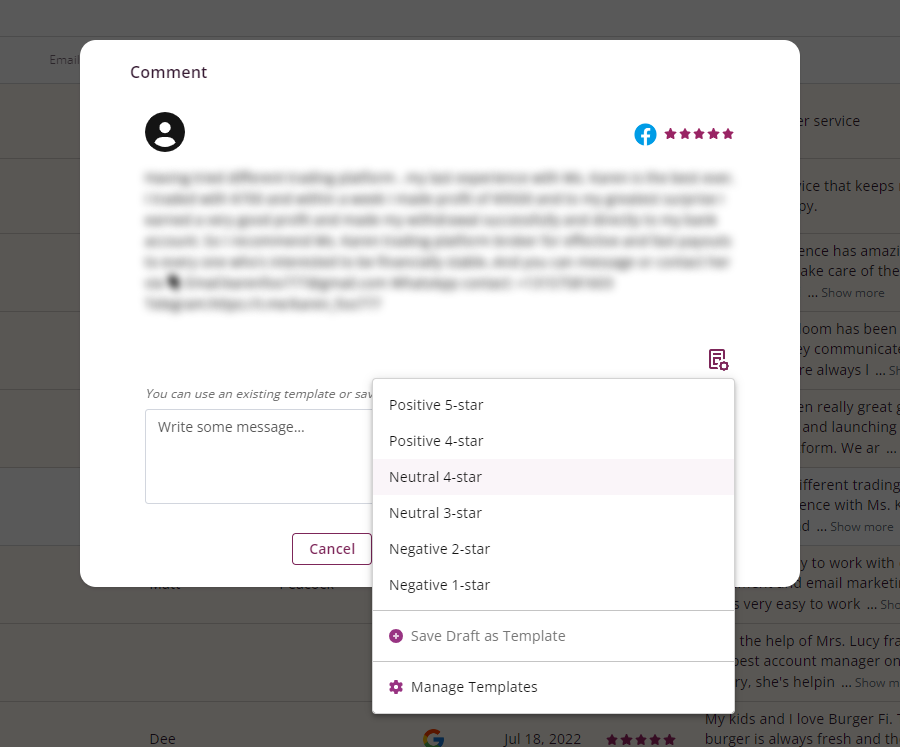
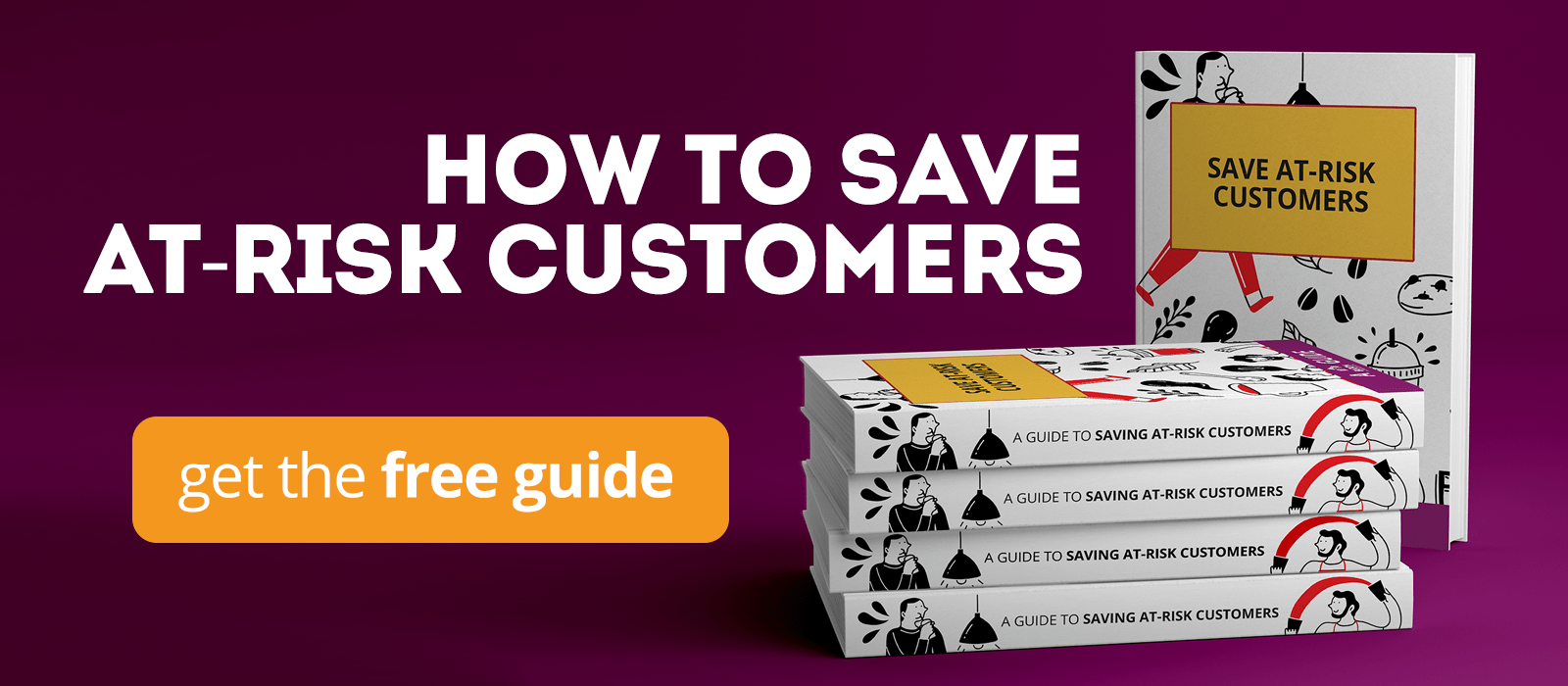


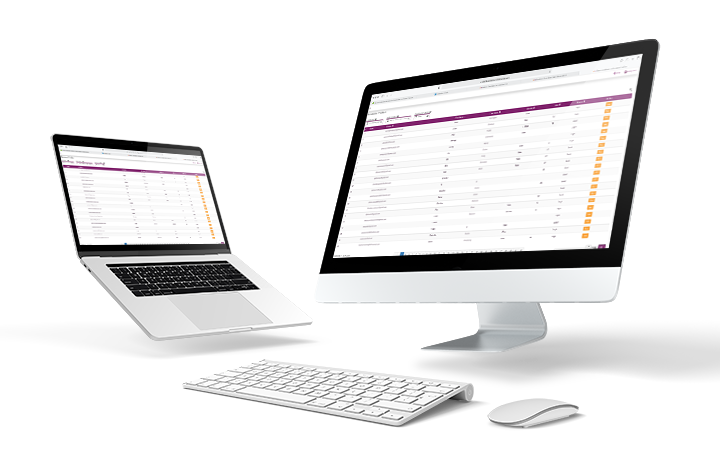


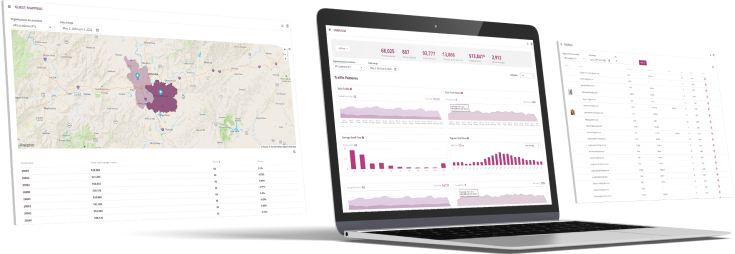

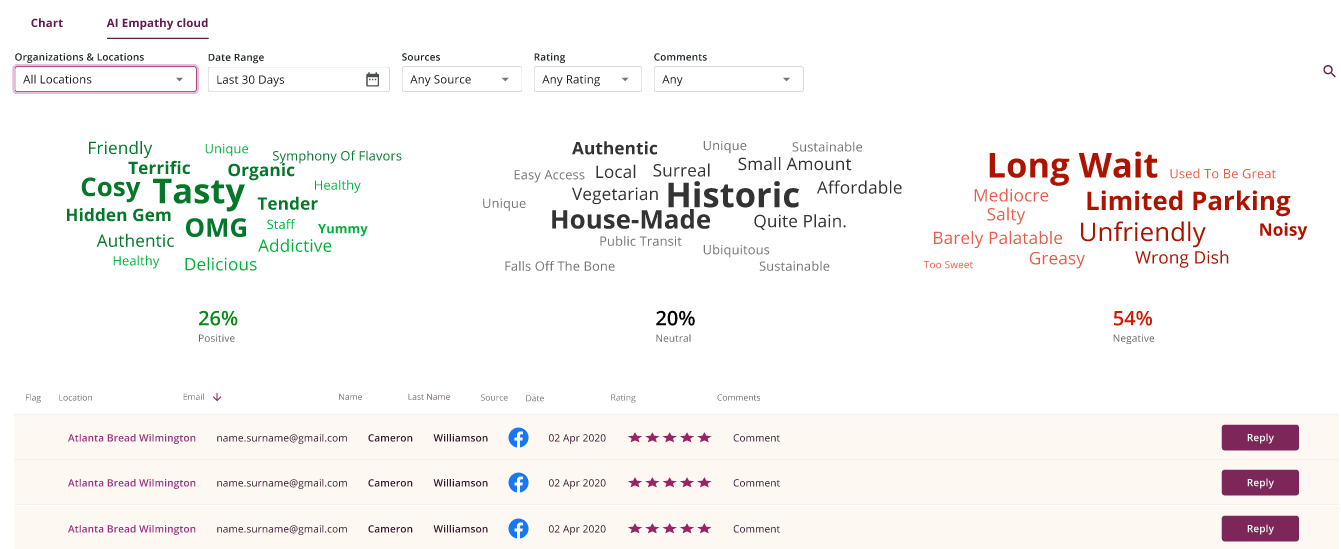

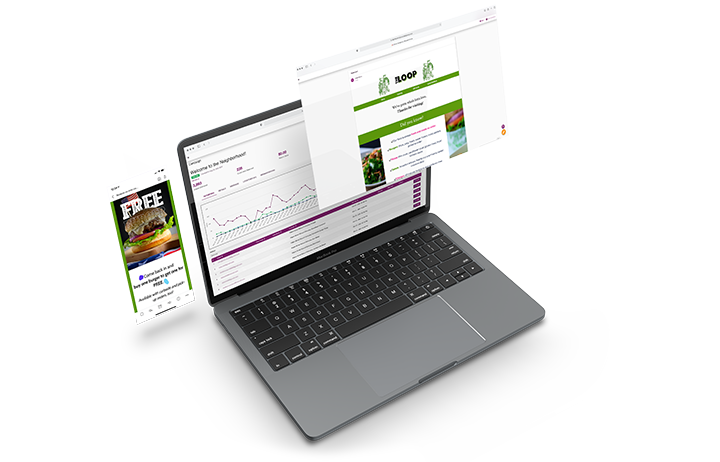

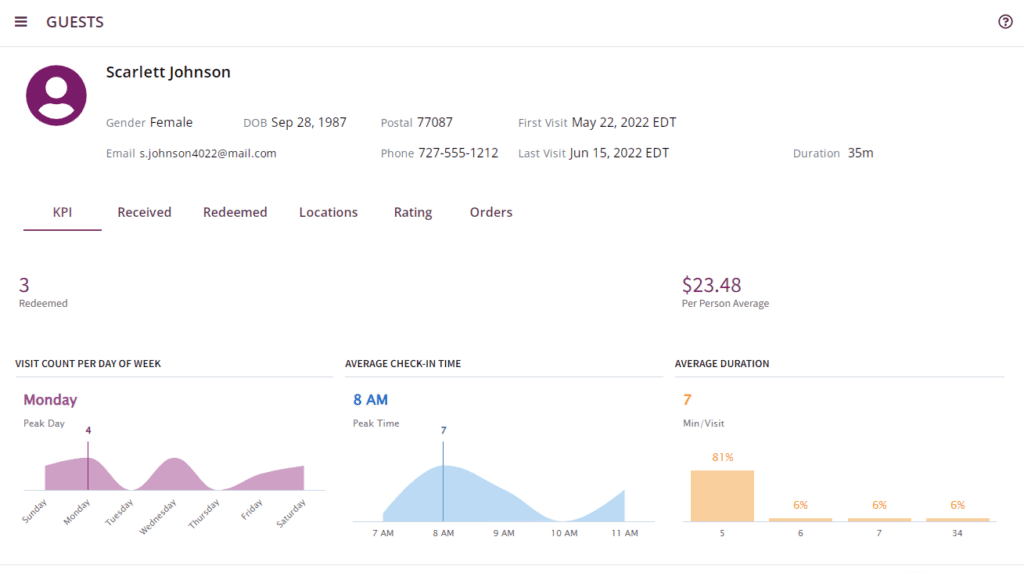
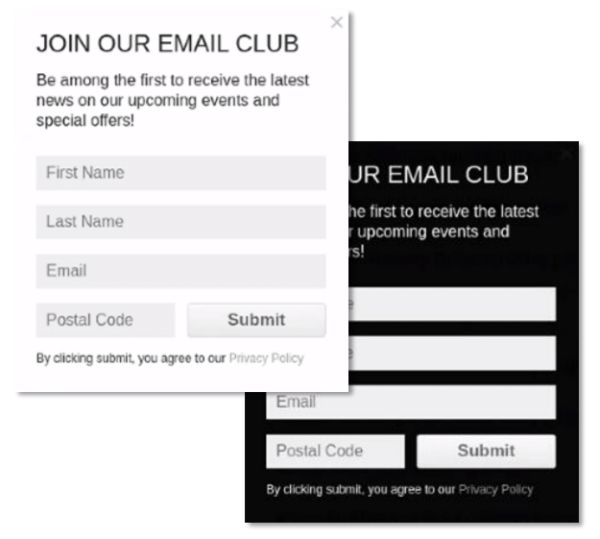

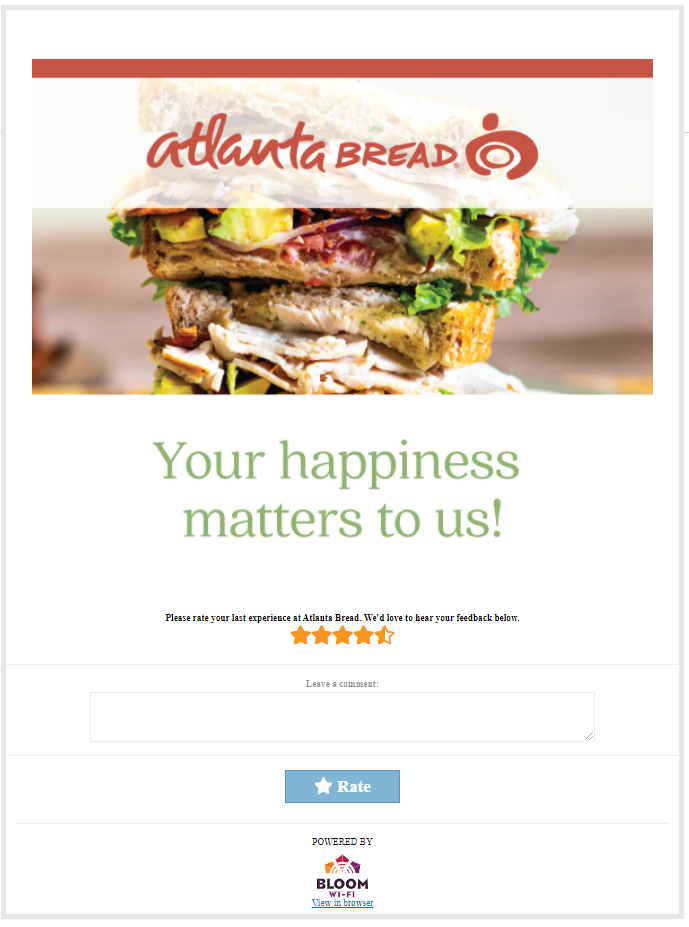
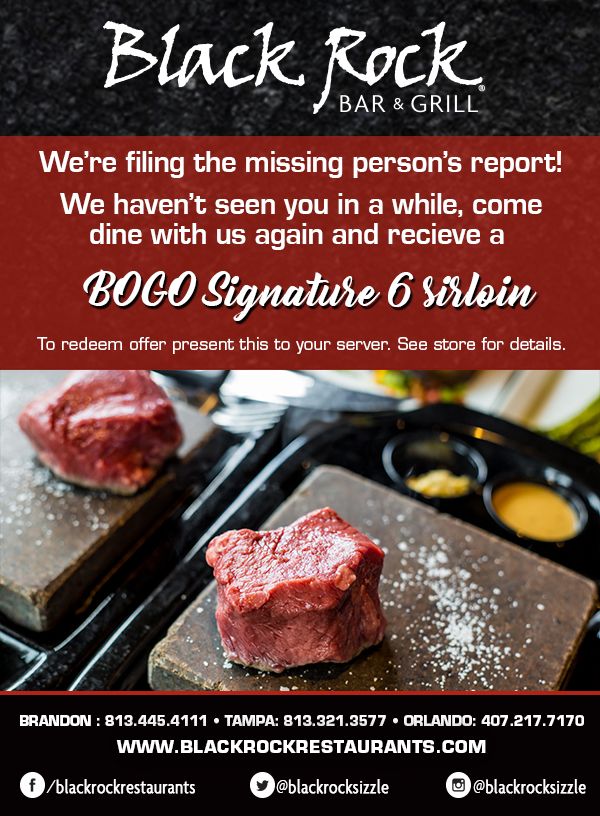
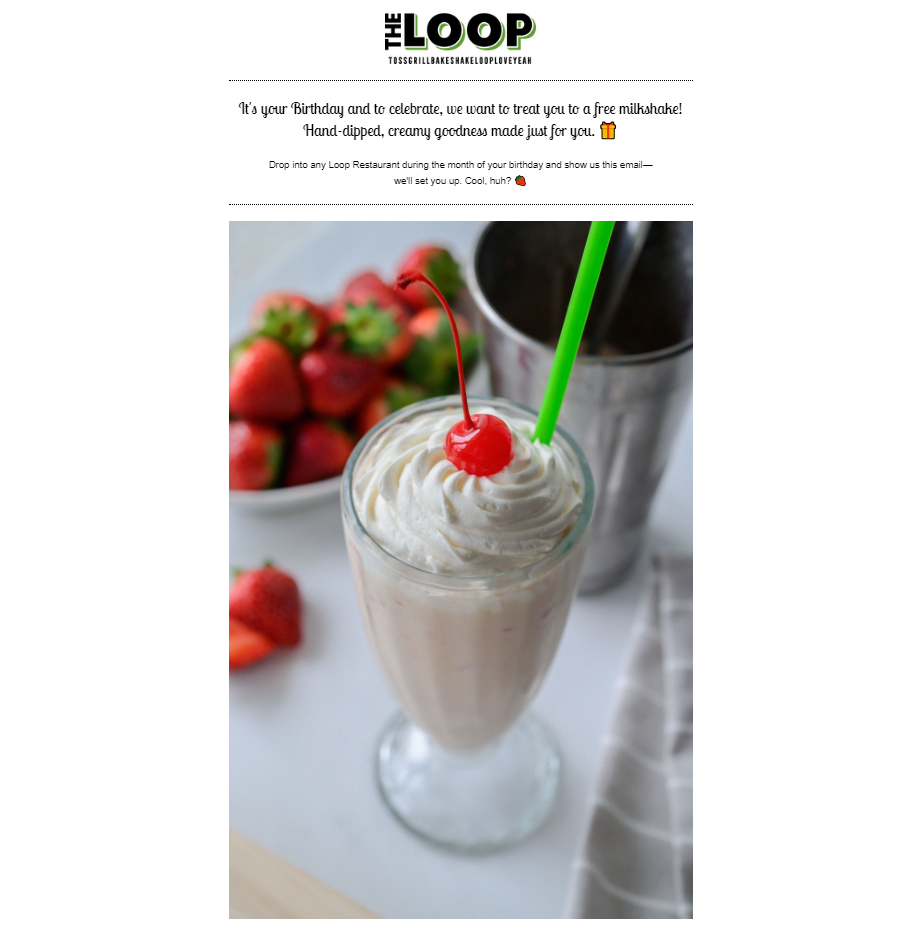





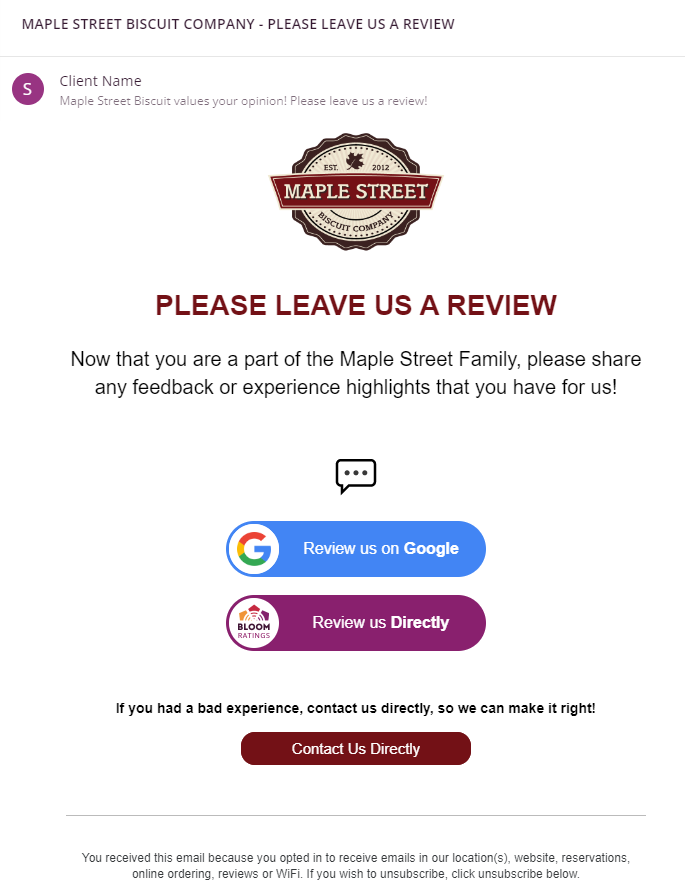
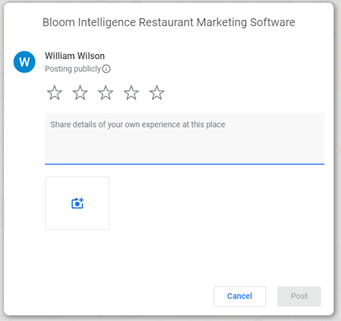
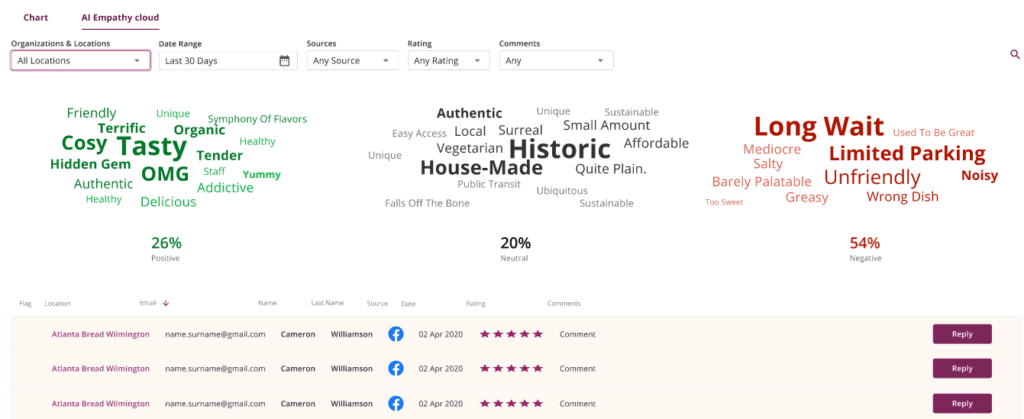

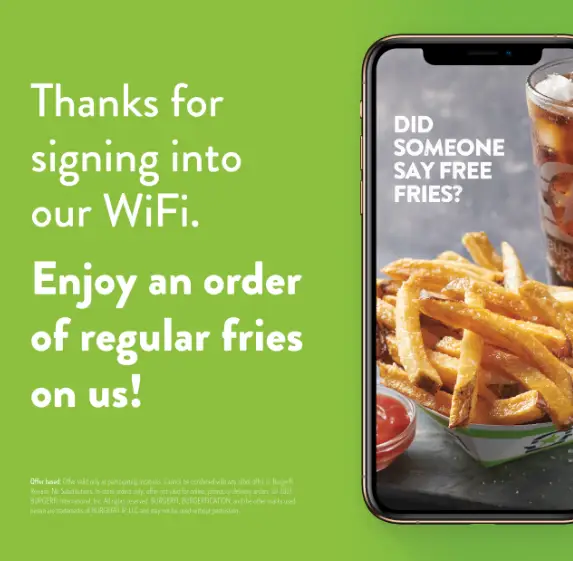
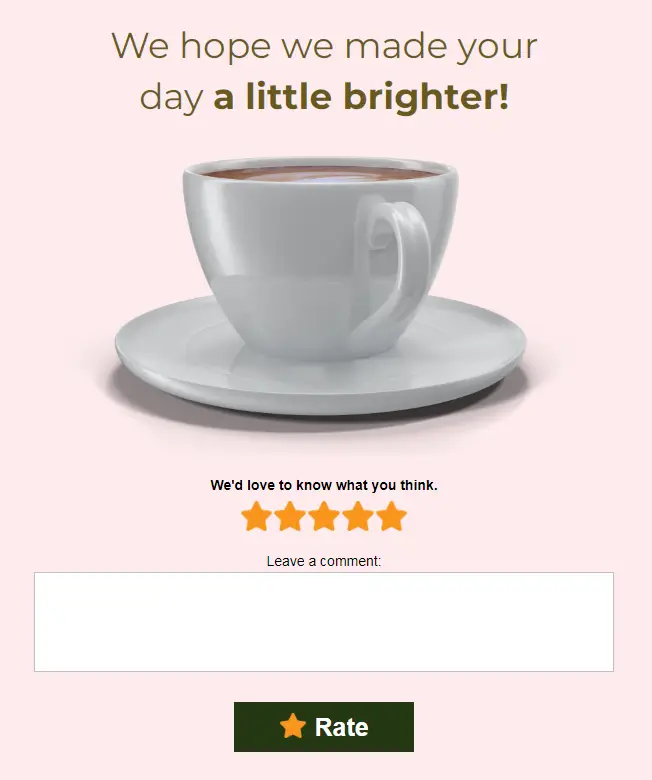 For instance, you can configure the message to be sent a specific amount of time after a guest exits your location. The message could contain any number of things, such as: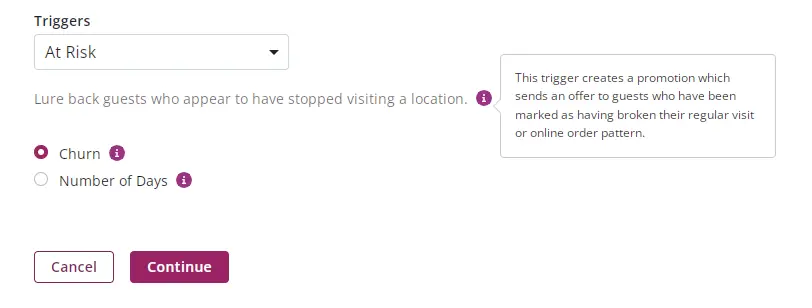
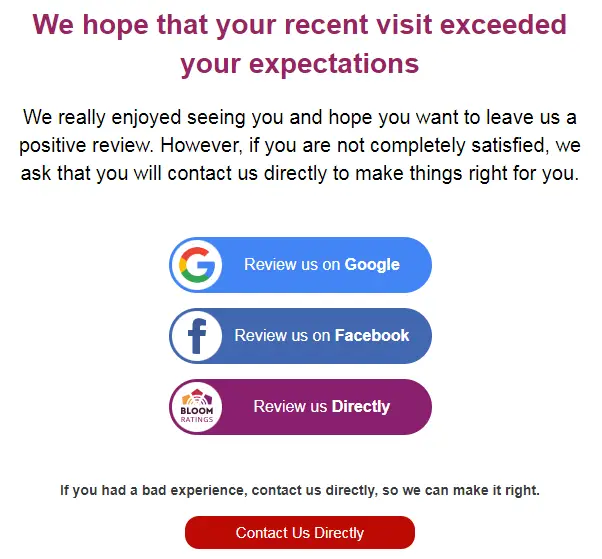 With this automated marketing campaign, you can send a message to a guest after a specified amount of time after they leave your physical location or execute an online order.