

Category: Restaurant Marketing

How To Do Restaurant Remarketing for a Better Bottom Line

As the restaurant industry quickly adapts to rising costs and a looming recession, owners and operators are constantly searching for innovative ways to improve guest lifetime values and keep their guests coming back.

Remarketing to current guests is an effective and low-cost way to keep your restaurant top-of-mind when your loyal guests are ready to make a dining decision.

And by doing so, it opens up a golden opportunity to also attract and bring in new guests to create an easy to manage and very profitable loop.

What is Restaurant Remarketing?

For restaurant marketers, remarketing is an essential strategy for success. By focusing on the guests who have already had contact with their brand and targeting them specifically, restaurants can maximize their promotional impact in order to bring more business through the doors.

Simply put, restaurant remarketing is a powerful way to connect with your guests online or by email. It allows you to send targeted digital advertising and behavior-driven promotions to those people through online advertising or email marketing.

It’s a key marketing concept that should be a primary focus of restaurant owners and marketers.

Remarketing allows restaurants to target guests who have previously visited their location or interacted with them in some way, nudging potential diners back into the restaurant’s orbit, increasing customer lifetime values. Keep reading to learn more.

restaurant remarketing can bring in new and loyal guests

How effective is restaurant remarketing?

Harvard Business Review has revealed that acquiring a new customer is anywhere from five to 25 times more expensive than retaining an existing one.

Further, a Bain & Company study showed that increasing customer retention rates by just 5% can increase profits by 25% to a whopping 95%.

Focusing on guest retention is crucial in today’s uncertain economy, and remarketing is one of the most effective and low-cost ways to bring those guests back.

One visit to your restaurant is not enough to make your brand come to mind when a prospect is ready to find a dining establishment. You need to get your brand in front of them over and over again.

Remarketing is a powerful way to connect with visitors to your website, those who have logged into your WiFi or ordered online. It allows you to use the first-party data collected through multiple channels to send targeted advertising and behavior-driven email campaigns through online advertising or email marketing.

Remarketing with Email Marketing

Restaurant email marketing is by far the most cost-effective channel in which to reach your guests with content, offers, and promotions.

By collecting guest contact information, ideally their verified email address, marketers can send unobtrusive branded promotions, surveys, and other valuable information to their targeted lists of email subscribers.

Using a restaurant customer data platform, or CDP, you’ll not only make passive data and email collection possible, but you can also automate your entire email marketing strategy.

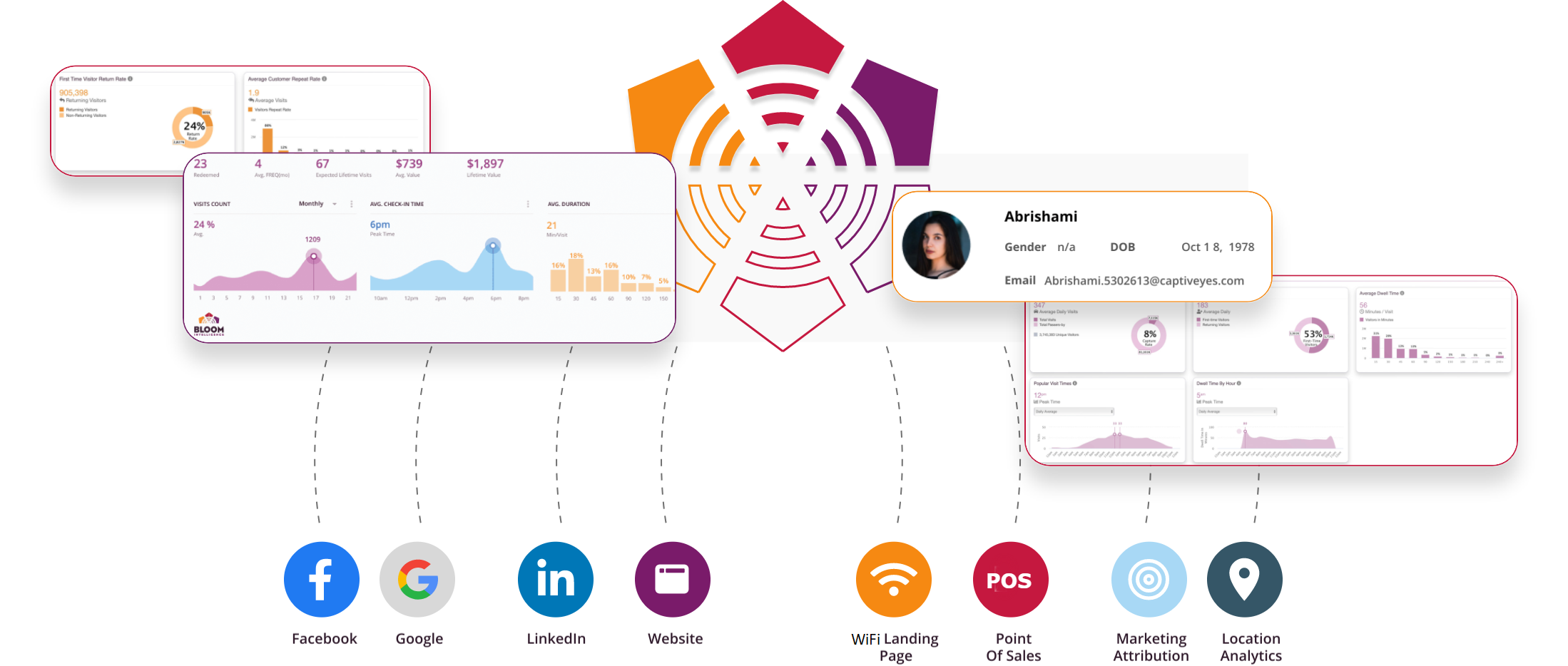
A CDP collects guest data, including their email address, from multiple sources, such as WiFi logins, online ordering and reservations, POS systems, websites, and more. It centralizes all of the data into a single guest database.
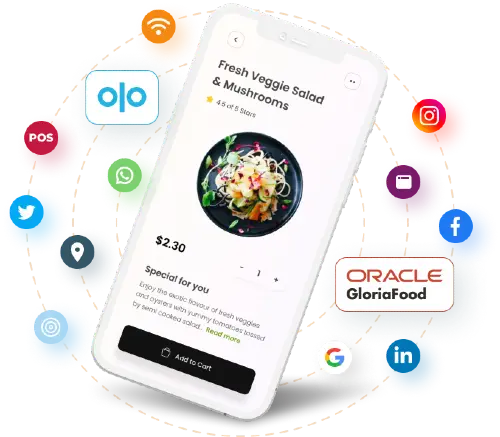
how to do restaurant remarketing: data collection channels

Then, using a unified marketing automation platform, email campaigns can be created and triggered based upon guest behavior and demographic information.

For example, you could create a campaign that would send an email asking for a rating of your guest’s experience a few hours after they have left your place of business or placed their order online.

There are countless campaigns available with a CDP like Bloom Intelligence. This include first-party surveys, ratings requests, birthday campaigns, loyalty campaigns, churning guest campaigns, and many more.

Best of all, everything is completely automated. After configuring your campaigns, it becomes free, targeted marketing that can keep your guests returning again and again.

All you need to do is monitor the results with the CDP’s detailed reporting feature, and optimize your campaigns over time.

This further strengthens brand awareness, placing it in front of your customers over and over again. To learn more, visit our restaurant remarketing page here.

You can also use your customer list to target online advertising on Facebook or Google and its partner sites.
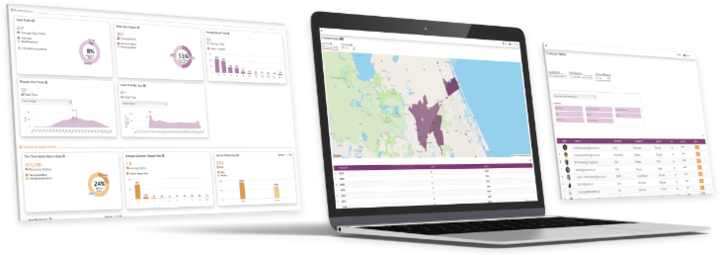
restaurant remarketing tools

Remarketing with Facebook Ads

With your own first-party customer data, you can easily create a list of guests which you can upload to Facebook.

Also known as a Custom Audience, Facebook will match your data with the guest’s account on Facebook. Then, whenever the guest logs into Facebook or Instagram, they can be served advertisements you have assigned to that particular list.

Using segmentation, you can further target your advertisements by uploading lists based on behavioral or demographic information and then assign specific, targeted advertisements more likely to engage that group of guests.

Bloom also gives you the ability to embed a Facebook pixel into your WiFi landing page or website. When a guest logs into your guest WiFi or visits your website, the pixel is triggered, and the action is recorded.

You then have the option to target those guests with Facebook and/or Instagram ads using Facebook’s Custom Audience feature.

For instance, when someone is at your place of business and logs into WiFi, the pixel is triggered and recorded. Unlike cookies, the pixel is not stored on the user’s device.

Then, when you create a Facebook ad campaign, you can instruct Facebook to show the ad only to those who triggered the pixel.

So, every time that guest logs into Facebook or Instagram, they will be targeted by the platform with your advertising campaign.

Another way to gain more new guests through advertising on Facebook and Instagram is by creating a “lookalike” campaign.

Since Facebook uses the pixel to track those who log into your WiFi, it will soon begin to understand the demographics and behavior patterns of those customers.

The platform can then search its enormous database to find others who share similar patterns and traits.

For example, if your customers who log into WiFi are mainly 25-35-year-old males who live in urban areas, Facebook can see this and create a list of people with those same traits.

Then, you can create an advertising campaign to target that lookalike audience.

Remarketing with Google Ads

Google also has a version of lookalike campaigns that you can use alongside Bloom to bring in new and existing customers. They call this Similar Audience Targeting.

It works in a different way than the Facebook Advertising pixel.

When guests log into WiFi at your place of business, they are taken to a WiFi landing page, also known as a captive portal.

This page requires the customer to enter their email address to gain full access to the internet.

The CDP then creates a customer profile for that guest and stores the email address – along with all of the past and future behavior data – in your customer database.

Likewise, when a guest orders online a customer profile is also created.

At any time, you can easily export all of these email addresses into a spreadsheet. Then, you can upload the spreadsheet to the Google Ads platform.

The platform will analyze the characteristics and behavior patterns of the customers and create your similar audience to target through Google Ads.

Your ads will only show to those who are within your similar audience. They will show on Google search results pages and on websites featuring Google Ads.

In addition, if you create a video advertisement, Google will display the ad to your similar audience on the YouTube platform, as well.

Get Started Today

Are you ready to become your guests’ favorite brand and watch your bottom line grow?

If you are looking for a low-cost way to improve guest retention, find new guests, and increase your bottom line, remarketing through email marketing and digital advertising should be a priority for you and your business.

New guests mean new profits. Repeat guests mean repeat profits.

These were only a few of the restaurant email remarketing examples of what you can do with a customer data platform unified with marketing automation. To learn more and see many more examples, visit our restaurant remarketing page.

Discover the Bloom Intelligence Customer Data Platform

It’s time to start planning for the successful future of your restaurant. And ensuring strong guest retention is the secret in today’s uncertain economy.

Using Bloom’s restaurant marketing and customer data platform, you can collect data from many different sources. Then you can leverage the real-time guest insights and campaign reporting to not only get your current guests back through your door but also to attract new guests and keep them coming back.

In a rough economy with rising food and labor costs, guest acquisition and retention are crucial for success.

If you’d like to see the Bloom restaurant customer data platform in action, and discover how you can grow your business through guest intelligence and marketing automation, schedule a free demo or call 727-877-8181.

Bloom Intelligence Restaurant Customer Data Platform

Restaurant Email Marketing: Creating Low-Cost Guest Retention

When the economy is struggling and consumer spending dwindles, smart restaurateurs look for low-cost ways to keep guests coming back.

According to studies, aside from providing a stellar guest experience, the best return on investment comes from email marketing.

Email marketing is a powerful and much more cost-effective marketing strategy to keep your seats full and improve your restaurant business.

restaurant email marketing keeps seats full

Studies show that email offers the best return on investment for marketing, with many restaurants seeing higher conversion rates than those who use other platforms like social media or digital advertising on sites like Facebook or Google.

For example:

  • A study published on WebpageFX says the ROI of email marketing, in general, is $44 for every $1 spent. Compare that to Facebook which returns $4-$5 for every dollar spent. It’s about 10x more effective.
  • The ROI of email marketing is 28.5% better than for direct mail.
  • According to an ebook from Gourmet Marketing, 70% of customers want restaurants to send them coupons and are prepared to use them.

These statistics are certainly impressive in today’s economy. So, if you’re a restaurant owner, then email marketing should be an important part of your business. Put simply, it is low-cost and very effective.

It can help to grow guest trust and engagement along with retention rates by getting people in the door more often than they would otherwise.

This means less money spent on your marketing budget, and more time to concentrate on providing the best guest experience possible.

Here are several examples of specific restaurant email marketing campaigns that are sure to keep your recipients clicking, and your guests coming back. They are simple to create and configure, and best of all they can be fully automated, saving you even more time.

Bring Back Lost Guests: The At-Risk Email Campaign

When it comes to a restaurant surviving in today’s economy, guest retention is key to staying afloat. It is well known that keeping current guests coming back is much more cost-effective than consistently trying to get new guests through the doors or ordering online.

No matter what business you are managing, customer attrition will always be a concern. Now there is a way to get those guests to return.

Using a restaurant marketing customer data platform like Bloom Intelligence, you can easily identify your regular guests who have surpassed the threshold of time at which they should have returned or ordered online.

Then, you can configure the platform to send an automated email message to those guests when they meet this threshold.

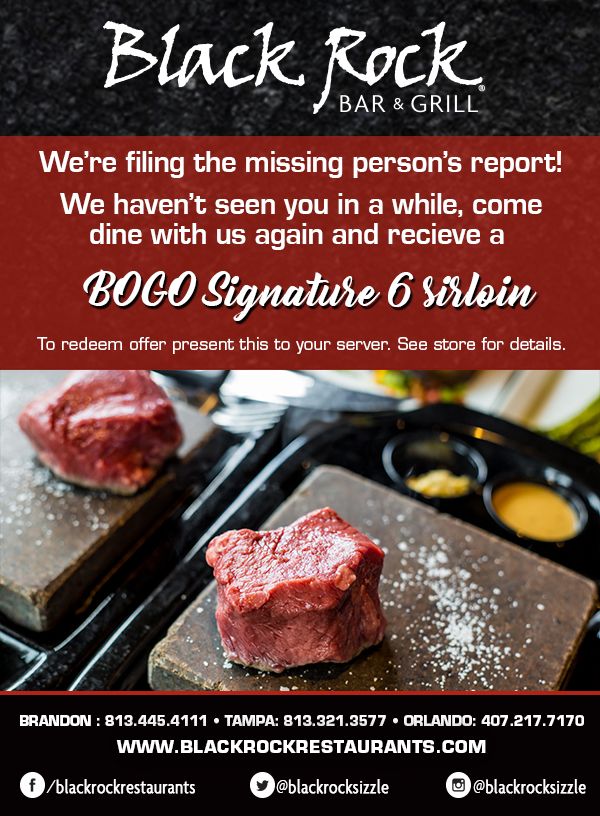
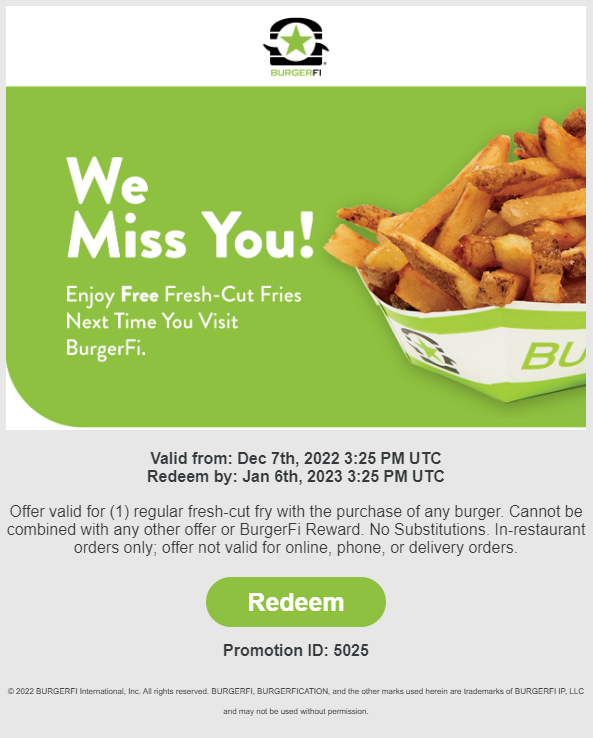
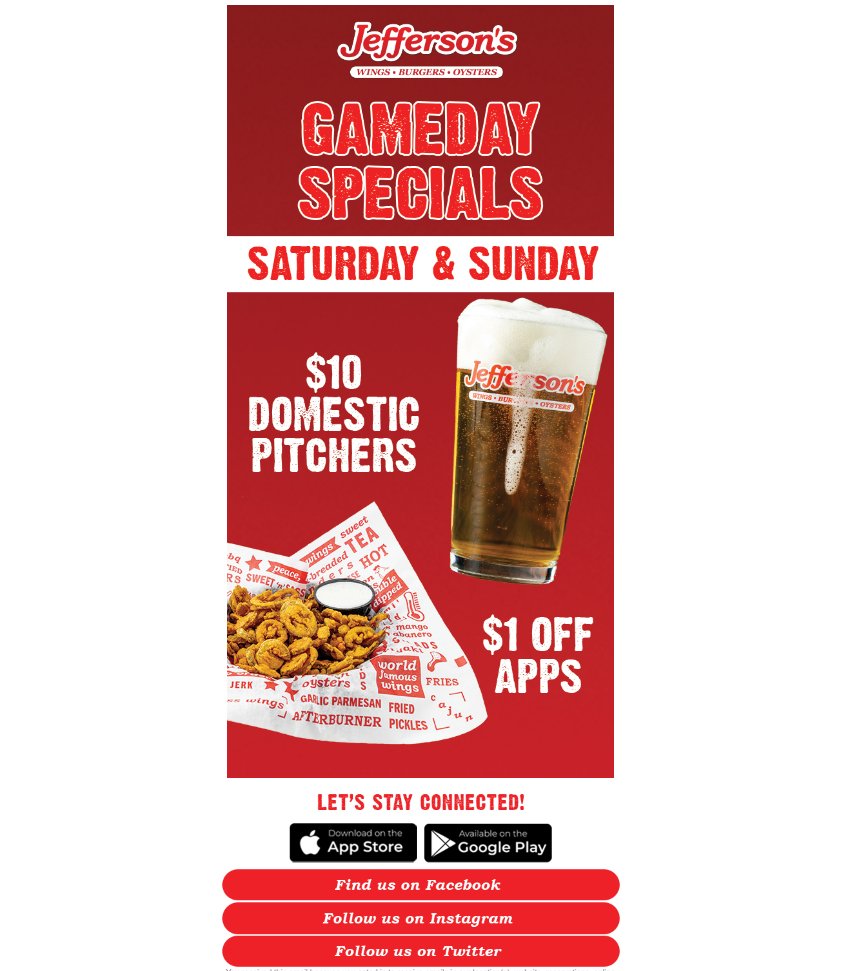
Many users will include an incentive to entice the guests to order again or return. Here is an example of one such email.


email marketing to bring back lost guests - example

The email contains a button to redeem the offer when the guest returns to the physical location. The platform will not only track who sees and opens the email, but who returned to your location and how many of them redeemed the offer.

A Florida-based restaurant chain began running an at-risk campaign several months ago. They saw a whopping 38% of these guests return to their restaurants. To see the details, download the report here or click on the banner below.

Customer Churn Success Report

Announce Your Special Offers

Do your guests know about your special offers and special events? Email is a great way to let them know without spending a dime!

Events and special offers present a great opportunity to engage with your guests through email.

The email can be scheduled as a one-time email blast to your entire database, or you can create a specific list of guests to send it to, such as men under 50 years old, who only visit on weekdays.

restaurant email marketing example - special offers

The system will give you accurate reports of the ROI of every email you send, all the way down to a guest walking back through your door.

Request Ratings and Reviews

Restaurant reputation management is another key factor in today’s online world. Most potential guests will search online rating websites like Yelp, Google, or Facebook to read reviews from your previous guests.

It is important to have consistent, positive reviews in order to impress potential customers.

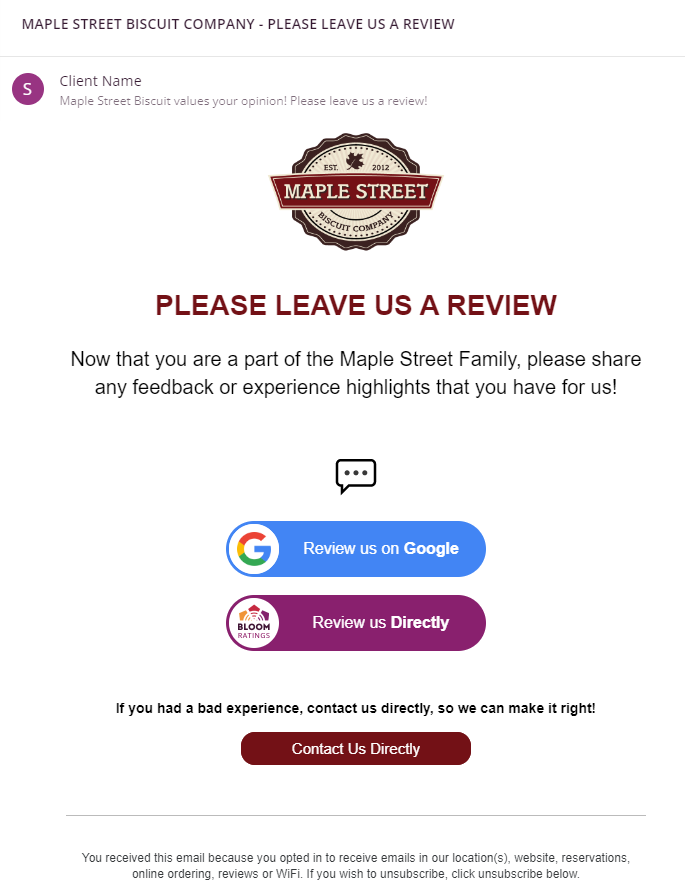
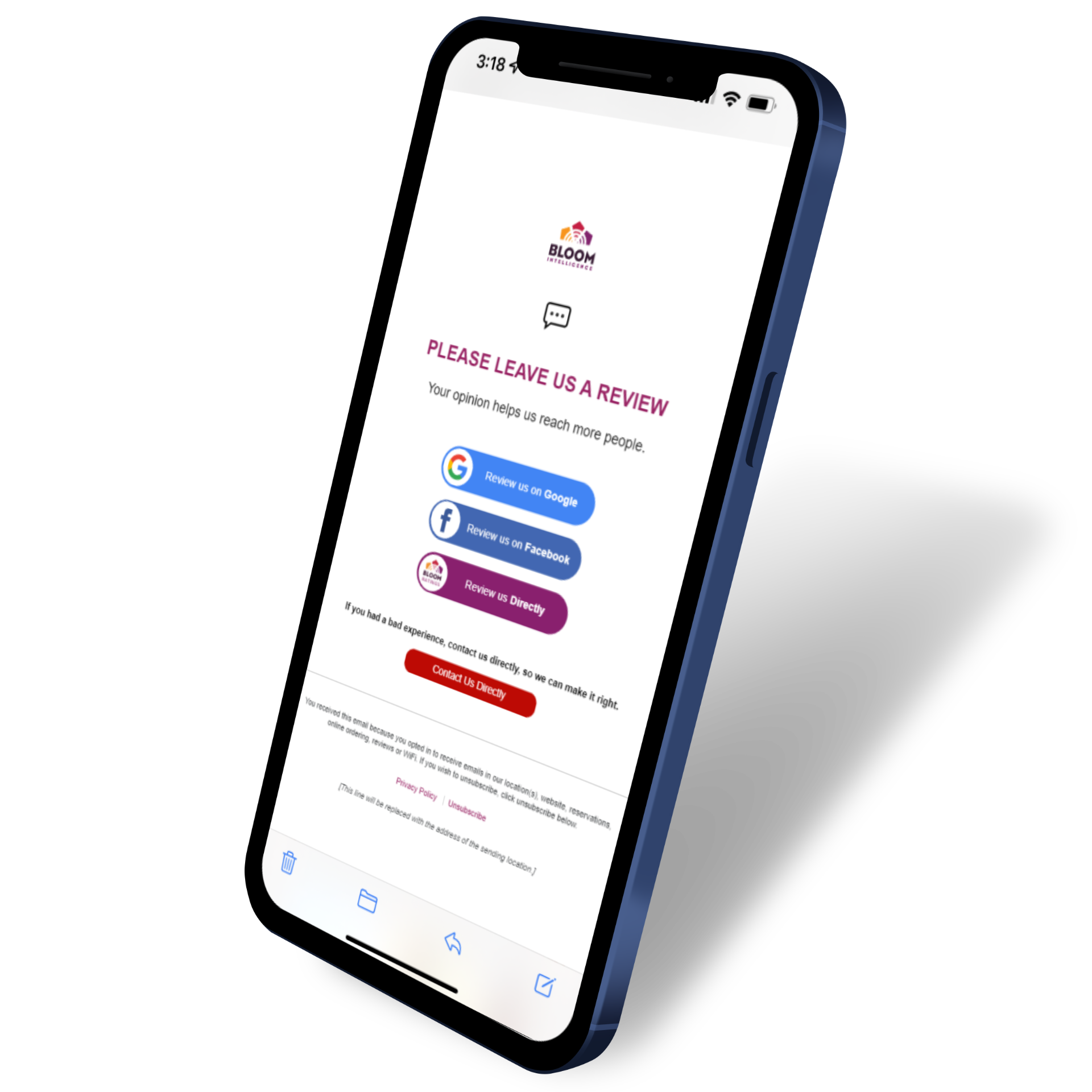
This restaurant email marketing example can be sent to your guests shortly after they leave your place of business or order online. It contains easy-to-use buttons that will take the guest directly to the rating website.

Likewise, there is a button for the guest to instead contact you directly if their experience was less than positive.

Even better, when they leave their rating and review, it is also sent directly to the customer data platform where you can see, manage and respond to them all from one platform – saving you a great deal of time.

ratings request email for restaurant marketing

First-Time Visitor Return Email Campaigns

We’ve already mentioned how guest retention is key to success in today’s unsteady economy. So, getting a first-time visitor to return is just as important. It will help establish a habit of that guest visiting you over and over again.

With a restaurant CDP, you can utilize your guest WiFi to establish whether a guest who logs in is a first-time visitor. If so, you can automate an email to that guest with an incentive for them to return, or a reminder of a special deal or upcoming event.


email marketing example to bring back restaurant guests


Customer Loyalty Email Campaign

Guest loyalty is paramount for a successful restaurant business to thrive. With a customer data platform, you will be able to sense when an individual guest is at your physical location or orders online.

This makes it possible to tally the guest’s visit or ordering count. You simply configure the system to send your email after a specific amount of transactions.

Here is an example of this type of email, also including a survey at the bottom.

customer loyalty email example for restaurants

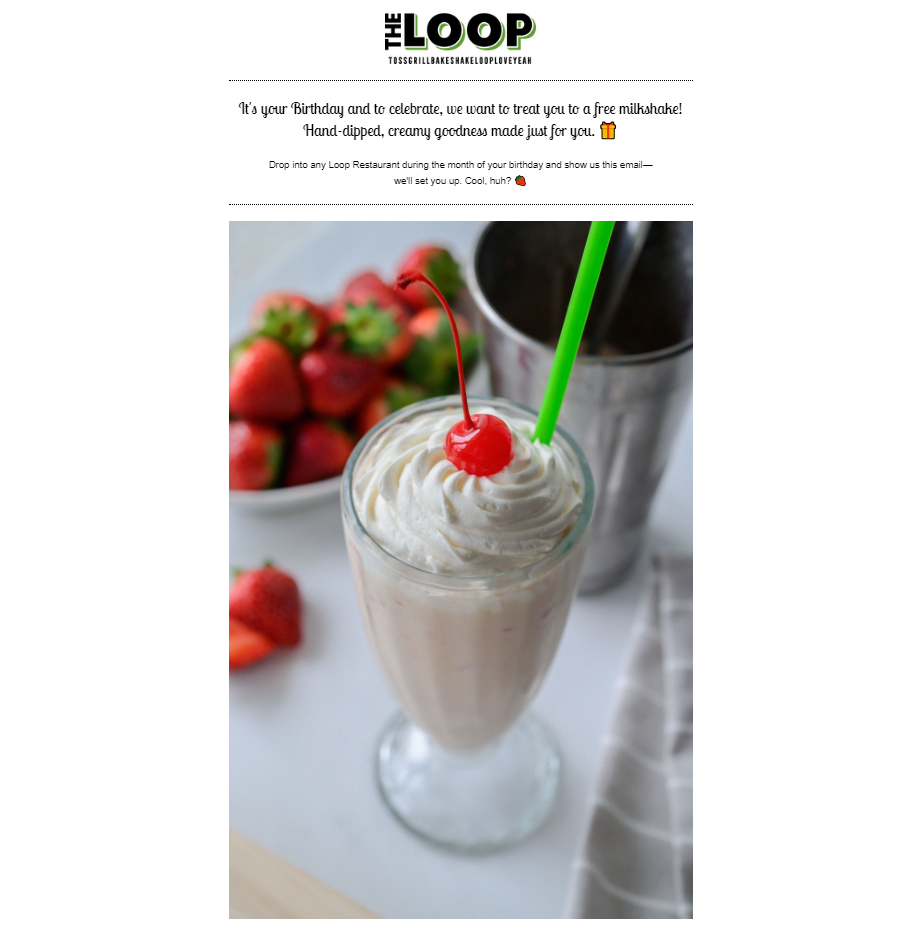
Happy Birthday Email Campaign

Who doesn’t like to be treated on their birthday? A Happy Birthday email campaign is another great way to help establish loyalty with your guests.

Your customer data platform is collecting data about each guest from many different channels. This includes their birthday. So why not engage them during their special occasion?

restaurant email marketing for guest birthdays - example

Moreover, most guests will not be alone when they go out on their birthday, so this is a great way to bring in additional revenue, as well.

Get Started Today

If you are looking for a low-cost way to improve guest retention and increase your bottom line, email marketing should be a priority for you and your business.

Repeat guests mean repeat profits.

These were only a few of the restaurant email marketing examples of what you can do with a customer data platform unified with marketing automation. To learn more and see many more examples, visit our restaurant email marketing page.

Discover the Bloom Intelligence Customer Data Platform

It’s time to start planning for the successful future of your restaurant. And ensuring a positive guest experience and strong guest retention are the secrets.

Using Bloom’s restaurant marketing and customer data platform, you can collect data from many different sources. Then you can leverage the real-time guest insights and campaign reporting to not only get your current guests back through your door but also to attract new guests and keep them coming back.

In a rough economy with rising food and labor costs, guest acquisition and retention are crucial for success.

If you’d like to see the Bloom restaurant customer data platform in action, and discover how you can grow your business through guest intelligence and marketing automation, schedule a free demo or call 727-877-8181.

Bloom Intelligence Restaurant Customer Data Platform

How To Measure Customer Sentiment to Improve Your Restaurant Business 

Today’s restaurant industry is experiencing rising costs, labor worries, and falling consumer confidence. In uncertain times like these, it is important to keep guests happy and turn them into long-term regulars while doing so on a smaller, limited budget. 

Providing a positive guest experience can be a smart way to drive revenue without draining your budget. A superior guest experience can drive revenue and loyalty even during tough economic times. 

measuring customer sentimentAccording to American Express, 7 out of 10 U.S. consumers say they’ve spent more money to do business with a company that delivers a great experience. 

Likewise, diners say that things like complimentary extras (69%) and seating preferences (65%) would go far in improving their experience and increasing their loyalty. 

This is why having a solid understanding of customer sentiment is important for success. You can use it to both improve areas that need attention and reinforce those that guests really enjoy. 

Customer sentiment is now such an important metric that about two-thirds (64%) of companies consider customer sentiment analysis key to measuring guest engagement, and nearly half (49%) say tracking sentiment trends is a key benefit they can take advantage of. 

Customer sentiment analysis is a powerful way to gain insight into the thoughts and feelings of your guests. By understanding how your restaurant is perceived by guests and online orderers you can make adjustments to improve, and also find out what aspects are most valued. 

The key to discovering and analyzing true customer sentiment is to fully understand your guests by collecting data from a number of different channels.  

Here we will learn more about the different ways restaurants can use sentiment analysis, such as analyzing online ratings and reviews, to see if they are meeting guests’ needs. 

Of course, talking to your guests is a great way to discover their sentiment, and should be one of the goals of every restaurant owner. Keeping detailed and consistent notes is key to making this strategy work. 

Unfortunately, many owners and operators simply do not have the time to speak to every guest table at every service. 

This is where technology can help you understand actual guest behavior and sentiment, saving you valuable time so you can concentrate on running your shift while providing the best guest experience possible. 

providing a good guest experience to improve customer sentiment

Aggregating Guest Data for Customer Sentiment Analysis  

A restaurant customer data platform (CDP) is a tool that collects and aggregates guest data from many different sources. It will aggregate the data into a single platform to easily gain rich guest insights into their behavior and how they feel about your restaurant.  

Here are some useful ways to use this technology to discover guest sentiment and improve your business.

Online Ordering Data 

Online ordering has become much more popular with diners in the last few years. Since the pandemic began, online ordering has skyrocketed as a major part of restaurant revenue all over the world. 

Why not use this channel to help discover the guest experience?

By integrating your online ordering system with your restaurant customer data platform, you can collect data from each and every guest who orders online. The data will include their contact information and their complete ordering history.

With a unified wifi marketing platform, you can send an automated message to guests who order online and ask them how their ordering experience was. Or, you could inquire about the quality of the delivered order. This is also known as online ordering marketing.

Best of all, it is completely automated to save you time. All you have to do is monitor the results and make data-driven changes based on them.

measuring customer sentiment using online ordering data

Using Review Sites to Measure Customer Sentiment 

Not only are positive ratings and reviews good for a restaurant’s bottom line, but they are also great for spotting trends and measuring customer sentiment. 

They can give you very deep insights into your customer base. They tell you not only what your guests like and dislike, but the reasoning behind the way they feel that way. 

This provides actionable insight to help you improve the overall guest experience, manage complaints better, spot trends, and spot new opportunities — all of which can increase brand loyalty and repeat customers. 

For example, you may discover consistent negative reviews about a certain menu item being too salty or not large enough in portion size – so you change the recipe and increase portion size. This is a great example of being able to make positive changes based on customer sentiment. 

It is valuable unsolicited feedback at no cost. 

To get the most out of your data, you need to be able to focus on the big picture while also looking at specific details. In using sentiment analysis, customer feedback becomes clear and useful information that can help you make targeted changes to improve your overall guest experience. 

By aggregating the reviews into your CDP from sites like Google and Facebook, you can read, manage, and respond to all reviews in one centralized platform. 

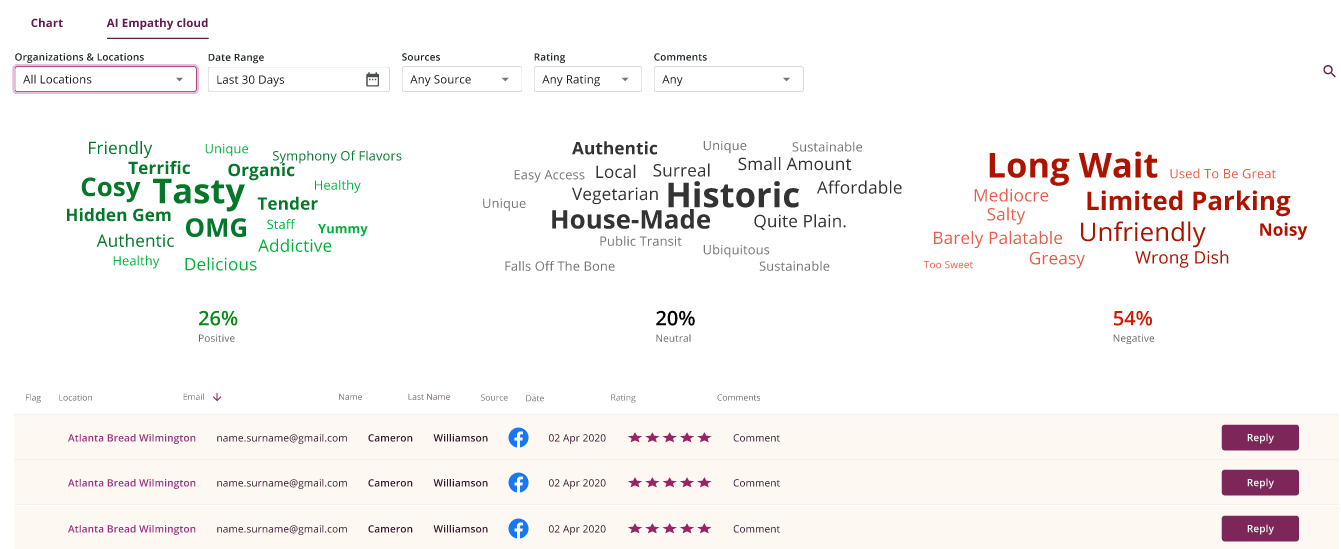
Moreover, the platform will analyze your ratings and provide you with an AI-driven word cloud to show a graphical image of positive, neutral, and negative words and phrases from all of your reviews on online review websites. 

measuring customer sentiment with a word cloud

In this image, you can easily see what guests like about the place of business, and what could use improvement. For instance, using the example above, you can see that guests enjoy the food, but are frequently upset by limited parking and long wait times. 

It is also very important that you respond to your reviews – both good and bad – to help build even more positive customer sentiment. This will inherently improve your ratings over time.

study performed by Michael Anderson and Jeremy Magruder, professors at the University of California, Berkeley, concluded that positive reviews have a direct correlation to increases in foot traffic during peak times.

They found that a ½-star rating increase resulted in a 30-40 percent increase in the number of 7 pm bookings.

Based on this study, although online rating websites may not generate attributable financial returns, they can certainly play a role in your restaurant’s success, driving more foot traffic and overall revenue.

At your next peak service time, think about what a 30-40 percent increase in bookings would look like at your restaurant.

Positive Customer Ratings Increase Revenue

Another study conducted by Professor Michael Luca at the Harvard Business School sought a correlation between online ratings and actual revenue.

The study found that a rating improvement of one star led to an increase in revenue of between 5 and 9 percent.

Interestingly, Luca also found that the star rating of restaurants played a much higher role in consumer decision-making, finding that website visitors were often overwhelmed by the number of written reviews.

Luca concluded, “Online consumer review websites improve the information available about product quality. The impact of this information is larger for products of relatively unknown quality…On the consumer side, simplifying heuristics and signals of reviewer quality seem to increase the impact of quality information.”

If a review is great, thank the reviewer and tell them you hope to see them again soon. If the review is positive, but not glowing, try to see if you can spot something that would have made their experience better. 

Responding to negative reviews is also very important. Your response to a negative review can actually influence and impress potential future customers. Make sure to respond in a positive tone and provide an effective solution to the issues that caused the negativity. 

This shows that you are actively listening to your guests and that you commit yourself and your restaurant to making things better. Make sure and take action to resolve the issue. 

These are just a few examples of using customer reviews to make your customer experience and sentiment better – the options are endless. 

By monitoring and evaluating customer sentiment, and then taking action based on it, you can keep your restaurant top-of-mind of your local consumers. 

improving ratings and reviews guide

Discover the Bloom Intelligence Customer Data Platform

It’s time to start planning for the successful future of your restaurant. And ensuring a positive guest experience is the secret.

Using Bloom’s restaurant marketing and customer data platform, you can collect data from many different sources. Then you can leverage the real-time guest insights and campaign reporting to not only get lost guests back through your door but also to attract new guests and keep them coming back.

Don’t let your guests get away because of a bad experience. In a rough economy with rising food and labor costs, guest acquisition and retention are crucial for success.

If you’d like to see the Bloom restaurant customer data platform in action, and discover how you can grow your business through guest intelligence and marketing automation, schedule a free demo or call 727-877-8181.

Bloom Intelligence Restaurant Customer Data Platform

How To Identify and Bring Back Lost Guests

In a downturning economy, restaurant owners and operators have been living in a cloud of uncertainty. And in the wake of rising costs, they are being forced to increase menu prices to remain in business.

Could this be scaring once-loyal guests away? And if so, is there a way of identifying those guests and re-engaging with them?

According to a 2024 survey by Toast POS, 35% of respondents said that restaurant menu pricing is the second most important factor when choosing a restaurant. Likewise, 55% of the respondents are dining out less frequently.

Now more than ever, guest experience, engagement, and retention are paramount. It’s time to take matters back into your own hands.

Fortunately, advances in technology have made it easy to identify and bring back these guests, no matter the reason they stopped visiting.

Successful restaurant marketing is a very important part of any business plan. However, the same rising costs that are causing increased menu prices are limiting the dollars and resources available for marketing, including bringing back lost guests.

In this how-to guide, we will show you how to use your restaurant customer data platform (CDP) to identify and re-engage with your guests who have stopped visiting your restaurant or ordering online.

1. Collect Guest Data from Multiple Platforms

When running a successful restaurant business, and especially in times of uncertainty, guessing should never be an option. It is essential to make data-driven, intelligent decisions.

In order to identify your churning guests, it is important to collect real-time data about each guest.

Using your CDP, you will have access to the visit and online ordering history of each of your regulars.

The platform uses advanced machine-learning algorithms to establish a guest’s regular visit pattern or online ordering pattern. This makes it possible to identify those lost guests when their pattern of visiting is interrupted.

2. Easily Identify Every Lost Guest

Once the system has established the visit patterns of each guest, it will begin to predict when they will make a return visit or order online.

If the guest does not engage with your restaurant after the system believes they should have returned, they will be marked as being at risk of churning.

Based on the length of time after the predicted visit date, they can be categorized as being at a low, medium, or high risk of churning.

This is all done automatically, saving you valuable time to focus on other areas of your restaurant marketing and operations.

You will see the guest’s risk category in their individual customer profiles. You will also be able to monitor your restaurant’s overall churn rate to spot trends or issues.

3. Craft an Email to Send to Churning Guests

Email marketing is one of the most powerful and low-cost ways of improving your restaurant business.

Studies have shown that email marketing is the most cost-effective marketing strategy. Especially for offline brick-and-mortar companies.

For instance:

  • A study published on WebpageFX says the ROI of email marketing, in general, is $44 for every $1 spent. Compare that to Facebook which returns $4-$5 for every dollar spent. It’s about 10x more effective.
  • The ROI of email marketing is 28.5% better than for direct mail.
  • According to an ebook from Gourmet Marketing, 70% of customers want restaurants to send them coupons and are prepared to use them.

So, when you are looking to cut costs without abandoning your marketing altogether, email is the way to go. Plus, this particular type of email campaign is likely the most powerful for your business – certainly for guest retention.

The email can be created within the CDP with an easy drag & drop email creator. Many restaurants will include an incentive within the email, such as a free drink or dessert.

However, even if there is no incentive, you are still engaging the guest and reminding them that you care and you would love to see them come back, or order online.

Lost Guest Email Example

4. Create the Campaign Using Marketing Automation

When your email is complete, it is time to set up the automation.

When a guest is deemed to be at risk of churning, the system will automatically send the email with or without an incentive to get them to return and re-establish their loyalty.

It is very quick and easy to configure. You can have the campaign up and running in a matter of minutes.

Plus, the system will track everything for you, letting you know if the guest opened the email, returned, and/or redeemed the incentive.

Bloom’s users are seeing up to 35%+ of their at-risk guests return. This has created a huge boost in their revenue and guest lifetime values. In tough economic times, it can be a lifesaver for your business.

Here is a great case study about how a restaurant saved over 35% of its churning guests.

Bring Back Lost Guests - Case Study

5. Monitor Your Results and Test Messaging Over Time

With the campaign reporting data that the CDP provides, you can also optimize your campaign over time.

When you create your email and configure the campaign, it is important that you monitor the ROI closely.

As initial results come in, analyze the report. Then, you can make a small change to the message. Perhaps you can change an image, your call to action, or an incentive.

You should only make a single change to the message while optimizing. If too many changes are made, you won’t know which change made the difference.

Then, Execute!

Compare its results to those of the original messages using your campaign reporting tools. If the results are not as good as the original, go back to your original message and test a different aspect.

If the results are better, keep the change and continue testing and optimizing over time. Over time, your campaign will become more and more optimized as you test and analyze results.

Are you ready to start bringing back your lost guests and realizing the tremendous boost it can offer? In today’s economy, every penny counts, and guest attrition is key.

6. Discover the Bloom Intelligence Customer Data Platform

It’s time to start planning for the successful future of your restaurant. And guest retention is the secret.

Using Bloom’s restaurant marketing and customer data platform, you can collect data from many different sources. Then you can leverage the real-time guest insights and campaign reporting to not only get lost guests back through your door but also to attract new guests and keep them coming back.

Don’t let your guests get away because of rising menu prices. In a rough economy with rising food and labor costs, guest acquisition and retention are crucial for success.

If you’d like to see the Bloom restaurant customer data platform in action, and discover how you can grow your business through guest intelligence and marketing automation, schedule a free demo or call 727-877-8181.
Bloom Intelligence Restaurant Customer Data Platform

How To Use Google My Business To Grow Your Restaurant Business

What is Google My Business?

Have you heard about Google My Business and want to know how it works? Google My Business (GMB) is a free tool offered by Google that helps businesses manage their online presence in Google Search Results and Google Maps. It also makes it easier to communicate and interact with your guests.

GMB: An Overview

When someone searches for your business, or terms related to your business, Google My Business will present them with extra information. This includes your address and contact information, hours of operation, customer ratings and reviews, and much more.

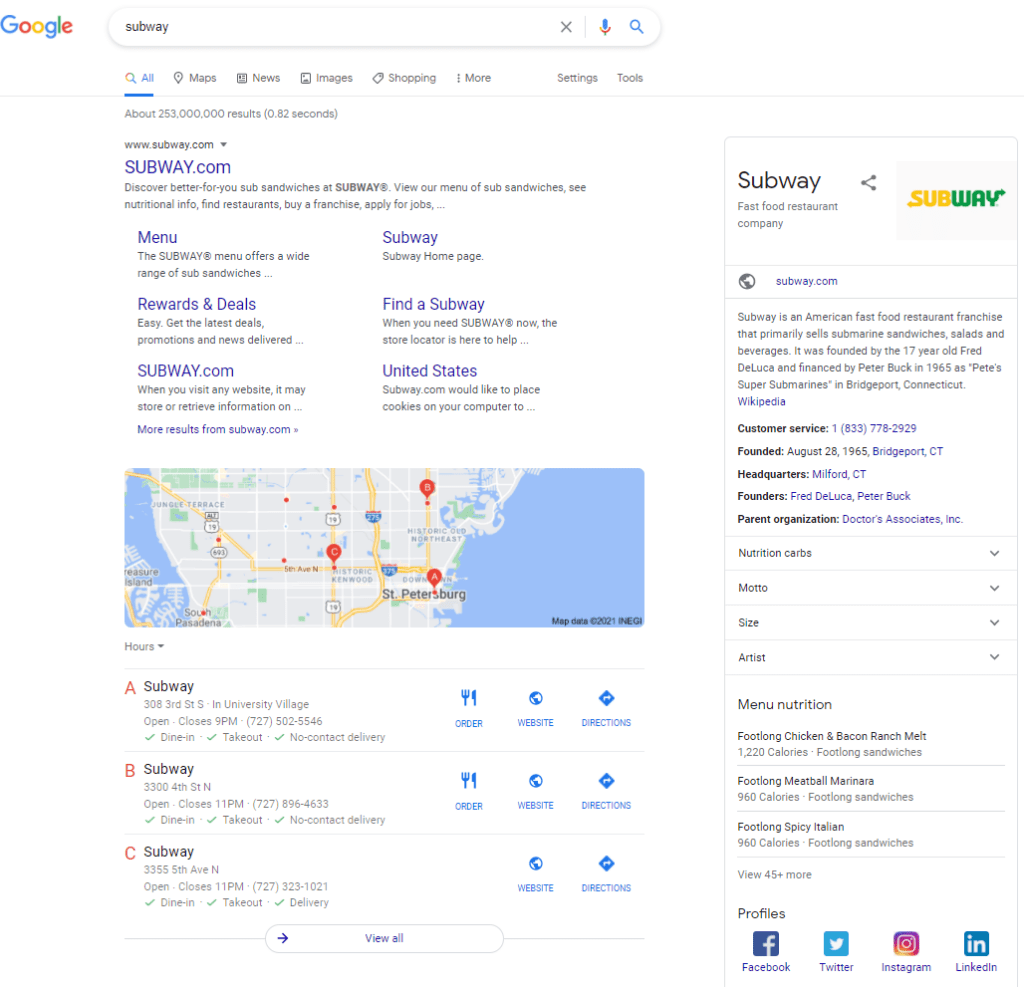
For example, if you do a Google search for Subway, you will see a local map of Subways near your location and a section on the right side of the main search results with more information.

In the image below, you can see:

  • a description of the company
  • other company information (phone, headquarters, etc.)
  • nutrition information of menu items
  • company motto
  • information about sandwich sizes
  • information about “sandwich artists”
  • social media links


This can make your search result in Google much more
attractive and informational for your current and potential guests.Likewise, it can be a great (and free) local marketing tool for your business.

This is only one example of what Google My Business is and how a restaurant location/company can configure GMB information. Read on for more.

GMB for Local Search

Over the last few years, and especially since the COVID-19 pandemic, Google searches including the phrase “near me” have skyrocketed. 

When people search for companies near them, Google almost always displays GMB information for businesses nearby. That is why it is essential to create, configure, and maintain a search-friendly GMB account for your restaurant.

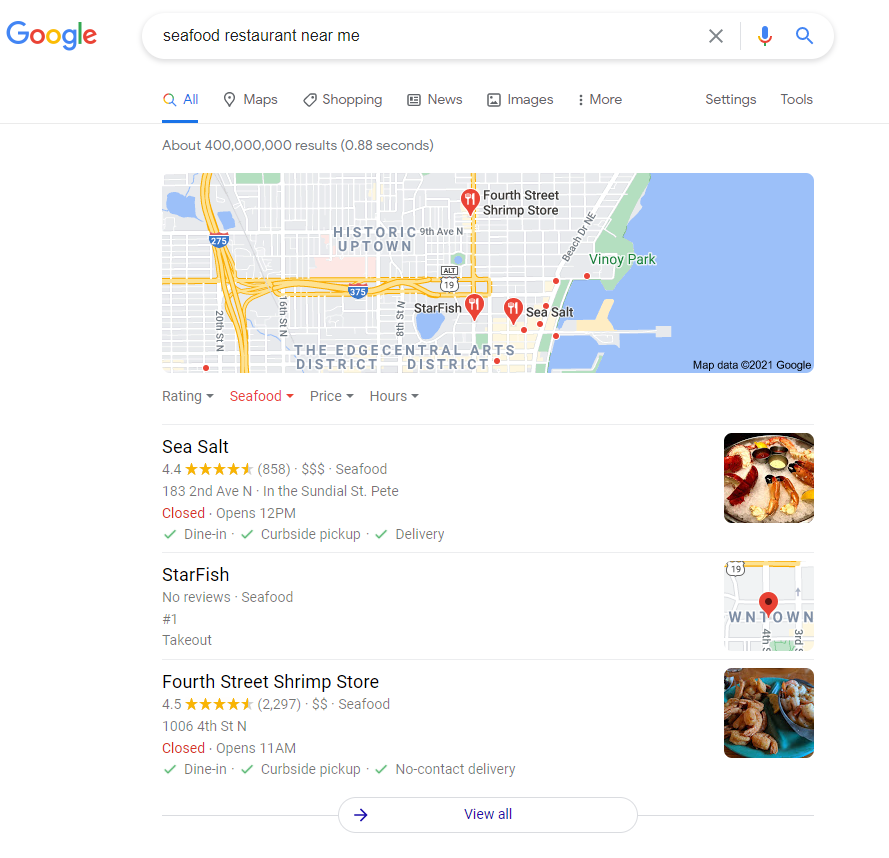
Imagine owning a small seafood restaurant and popping up at the top of local search results for “seafood restaurants near me” – a great example of free marketing, which is vital in today’s challenging and competitive marketplace.

Google My Business Maps

As you can see, Google My Business for your restaurant can make a big difference when used and configured correctly.

How to Use Google My Business to Generate More Business

No matter your business’s size, learning how to use Google My Business can be powerful. Put simply, it’s a free tool to help grow your business.

In today’s digital world, people tend to go to Google to search for your company or topics related to your company, products, or services. So Google is where you need to grab their attention.

If you are looking for more foot traffic or more website traffic, knowing how to use GMB and having an optimized account can bring new guests. It also keeps you top of mind with your present or previous guests.

According to a recent article from Hootsuite: A Google My Business profile lends credibility to your company. Need proof? Customers are 70% more likely to visit businesses with a Google My Business listing.

Another study found that businesses with complete listings on Google are twice as likely to earn trust from customers.

Trust is a crucial factor when it comes to making dining decisions. The more confident a consumer feels, the more likely they are to buy. Credibility gained from Google is enough to sway people to be 38% more likely to visit your store and 29% more likely to buy something.

Google My Business ratings and reviews help build trust, too. Research by Think With Google finds that 88% of consumers trust online reviews as much as personal recommendations.

The Data Doesn’t Lie

As you can see from these statistics, Google My Business can make a huge difference in building your customer base.

So, how do you use it to its fullest potential? The answer is simple. Provide as much information as you can, monitor and respond to all ratings and reviews, add photos, and provide regular updates announcing the news, events, blog posts, or any other information your guests can use to engage.

The more effort you put into monitoring and updating your GMB account, the more the potential growth for getting guests to take the action you’re ultimately seeking.

Since this is a free and easy-to-use tool, it is a unique marketing tool to get your information onto the first page of Google’s local and national search results and Google Maps.

How to Sign Up and Set Up Google My Business

These steps will allow you to learn how to set up Google My Business on both desktop and mobile environments.

First, go to https://business.google.com. Don’t have a Google My Business account? You can create one there.

If you have a Google account or create one and log in, you can type your business name. Then, if you see your business in the drop-down list, click on it and follow the prompts to create a basic business profile.

In case you don’t see your business in the drop-down list, click on “Add your business to Google” and follow the prompts to create a basic business profile.

Please note that when adding your business to Google, it uses your physical address to look for any potential matches. There might be a business profile for an old business at the same location. Do not try to claim it. Instead, suggest an edit to have it marked as closed. Then, you can create a new profile on Google My Business for your business.

You will receive a prompt to:

  • choose a business category
  • enter the business address
  • enter a service area, if applicable
  • provide your telephone number
  • enter your website address
  • Click Finish

Verify Your Business to Get Started

At this point, Google will need to verify that the business is indeed yours. Follow the prompts, and Google will send you a postcard containing a verification code in the mail. It typically takes about five days to receive the postcard.

When you receive the postcard with the verification code, go back to https://business.google.com and click on the link in the upper right side of the page to “Verify Now” and enter your code.

Then you can begin editing and adding your business information.

Be sure to confirm that your business information is correct. When you verify your business information, all your data is ready for users to find across Google.

To edit any incorrect information, follow these steps:

  1. In case you manage more than one location, on the left, open the Menu and click Manage locations. Then, select the location you want to edit.
  2. Located in the left navigation panel, click the “Info” link.
  3. Next to each section you want to change, click edit. Then, enter the correct business information.
  4. Click Apply.

How to Add and Edit Content in Google My Business

Now that you have created and verified your account, you can begin adding more information and content that will appear in Google search results and Google Maps.

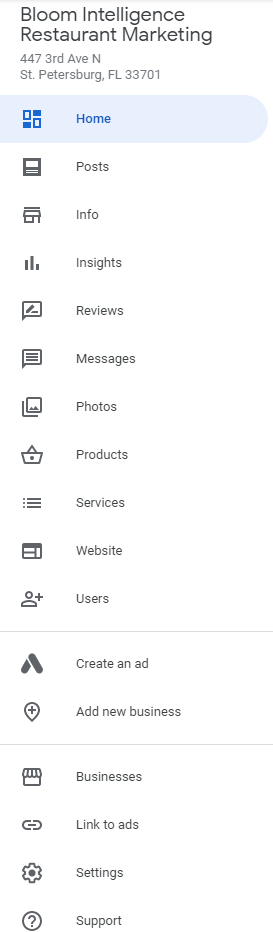
Google My Business NavigationWhen you log into Google My Business (GMB), you will see several items in the left-side navigation column, as seen in the image here.

Here we will discuss each of these options.

Posts

This page allows you to create posts that will appear in search results in the GMB section.

You can post:

  • Pages from your website with an image, description, and link.
  • Special offers with optional coupon codes, a link to the offer, and terms & conditions.
  • Special events, including an image, date and time, and optional link to more information.
  • Product information with image and category, and optional price, description, and link.

This is a great way to proactively provide more information about your business to potential and existing customers who search for you business.

Info

This is where you can edit existing business information or add new business information, such as:

  • Address, phone number, and business categories
  • Hours of operation
  • Special hours, such as holidays
  • Website address
  • Products and services
  • and much more.

You should include as much information on this page as possible.

Insights

This page gives you deep insights into how people are finding your business in Google properties.

You’ll see:

  • How many people saw your GMB information from searching for your business name vs. searching for a related topic.
  • How many people found you in Google search results vs. Google Maps.
  • How many people are visiting your website, calling you, or asking for directions via GMB.
  • How many people are viewing the photos you upload to GMB.

By monitoring these insights, you can continue optimizing your account and watching the results while discovering the behavior of those searching for you or your business-related topics.

Reviews

This is a very important piece of the GMB platform. This is where you go to see all of your Google ratings and reviews.

As mentioned before, it is important to respond to all of your reviews – whether they are positive or negative.

Fortunately, GMB offers the choice to see all reviews, only reviews you have responded to, or only reviews you have not responded to. This makes it easy to find those that may have slipped through the cracks.

They also give you the ability to sort by date, by highest ratings, or by lowest ratings.

Customer ratings and reviews are very important to stay on top of in today’s marketplace. This is where you can engage with them in Google.

You can find more information about the importance of ratings and reviews here.

Messages

This is where you can opt into allowing customers viewing your listing to message you directly.

Respond to questions, share information, and quickly connect, all for free.

Photos

This is another important feature of GMB. By default, if you have a physical location, Google will include a street-view image of your place of business.

However, this is a great opportunity to show Google searchers your products, your interior, and your team. Showcase the look and feel of your business and show your culture, and more deeply identify the uniqueness of your brand.

You can also upload videos and include customer photos, as well.

Products

Also accessible from your Posts page, you can showcase your products here for free, including details and a photo.

Services

Also accessible from your Home page, this is where you can see which services are configured on your account.

Services are added or removed from your account based on feedback from customers and other Google sources. You have the option to view recent updates, accept changes, and/or add your own.

Website

If your business does not already have a website, Google allows you to create one here and publish it for free, or purchase a custom domain name (URL) for your site.

There are several templates to choose from and the editor makes it easy to set up and have your website up and running fast.

Users

Clicking this link will display a pop-up window where you can add or delete other users to your business account.

You can add new users as an owner, a manager, or a site manager. To learn about the differences in user roles and permissions, click here.

Get Started Today!

It only makes sense to get your business listing up and running as soon as possible. Then you can take advantage of Google’s enormous traffic for your restaurant marketing strategies.

Google My Business can make a big difference in how Google users see and understand your business. And this can result in more guests, higher customer loyalty, and stronger brand awareness.

Bloom Intelligence allows users to update their GMB and Facebook account pages directly from within the Bloom platform. You’ll save time managing your business listings and attracting more guests. Simply enter the information into Bloom and it will automatically update your GMB page for you!

If you’d like to see the Bloom restaurant customer data platform in action, and discover how you can grow your business through guest intelligence and marketing automation, schedule a free demo or call 727-877-8181.
Bloom Intelligence Restaurant Customer Intelligence Platform

Stop Losing Guests: How to Keep Them Coming Back For More

If you are like many of today’s small business owners, it has been a constant struggle to keep up with rising costs, a poor labor market, and dwindling customer spending. Are you tired of worrying about your restaurant surviving in today’s unstable economy? Are you concerned that increased pricing might be scaring away your restaurant guests?

Fortunately, there is a simple way to find new guests, keep them coming back, and get them to spend more. And you can do it all while saving time to concentrate on creating the best experience for your guests.

The secret lies in being proactive in using the power of a restaurant customer data platform (CDP). A CDP will gather data about your guests from multiple sources to passively create a guest database of individual and overall guest data.

Then, you can use the data to make more efficient marketing and operations decisions, you can automate marketing tasks, lower purchasing and labor costs, and save a great deal of time.

To learn more about the value and power of the Bloom Intelligence restaurant customer data platform click here.


How to Identify and Bring Back Your Lost Guests

Even better, a CDP can identify guests who have stopped visiting your locations or ordering online.

Keeping your loyal customers coming through your doors is the lifeblood of your business. However, no matter what kind of business you manage or own, some of those loyal customers will choose not to return.

This is known as restaurant customer attrition, or customer churn, and it should be kept under close watch. When a guest changes their habit and stops visiting your place of business, will you know? And if so, do you have the means to entice them to come back?

If you were able to identify a guest who is at risk of not returning, wouldn’t it be great to reach out, engage them, and invite them back? Today’s competition is fierce, especially in the restaurant industry, and it doesn’t take much to shift a loyal guest’s routine.

Restaurants are in the business of becoming part of each guest’s routine. Any change in that can quickly result in an at-risk guest becoming a “once-was” guest.

The simple truth is that if your guest isn’t dining at your establishment, chances are they are dining somewhere else. But it doesn’t have to end up with you losing that guest.

A CDP like Bloom Intelligence can let you know when this happens, allowing you to reconnect with the guest. A powerful, yet easy way to understand and shape guest behavior is by utilizing a CDP unified with marketing automation.

CDP and Marketing Automation to the Rescue

Marketing automation is a tool that can make your marketing efforts much more efficient and productive while saving you precious time.

Using behavior triggers to send marketing messages, you can make strategies and tasks much easier. Automation is helpful when it’s set up correctly, especially with tasks that may slip through the cracks if you had to rely on memory alone.

When it comes to using automated marketing to engage at-risk guests, your CDP can provide powerful insight. Imagine having the ability to automatically send a quick note to your at-risk guests:

“We haven’t seen you in a while and we miss you. We hope everything is well with you and look forward to seeing you soon! We’d like to offer you a free appetizer with your next meal. Hope to see you soon! Your friends at….”

The ability to identify at-risk guests and automatically send them a quick message or email inviting them back is now completely possible. More important than what the message says (and content does matter), is letting your guests know that you value them.

It is also a great way to stay top-of-mind so your guests will think of you when making a dining decision.

So that means you have to keep tabs on all of our guests and have a way to contact them? Yes, to the best of your ability. Now the need for automation begins to take on more clarity.


To learn more about the value and power of the Bloom Intelligence restaurant customer data platform click here.


A CDP Helps Improve Customer Retention

When it comes to retaining your guests, automation can help with doing things better and faster than without automation – at least realistically speaking.

With a CDP, you have the ability to see whether a guest has been to your location or ordered online recently. So, when it comes to recognizing and retaining at-risk guests, you immediately have a distinct advantage.

Restaurant CDP Helps Stop Losing Guests

Recognizing the At-Risk Customer

Even if you manage a single-location family-owned diner, you may believe you are “small enough” and have a volume manageable enough to recognize those at-risk patrons. But that may not truly be the case.

First, consider the lost revenue from one loyal customer, it can be significant. What is the lifetime value of a guest? How many meals will they purchase over the course of time and what does that mean to your establishment?

Further, if you are the owner or operator of a franchise restaurant chain, you have multiple locations, and losing guests can result in substantial revenue loss. In today’s unstable economy, you don’t have the luxury of being unaware of guest behavior while your competition is becoming more aware and proactive at enticing your loyal guests to them.

The Marketing Automation At-Risk Trigger

Bloom Intelligence allows you to quickly create a beautiful message that you can send to your at-risk guests.

Then, a marketing campaign can be easily configured to send that message to any guest the platform deems as being at risk of churning.

Bloom uses advanced algorithm sets to identify guests who are at risk of churning or are not coming back to your restaurant or ordering online. Users are seeing as much as 38% of their at-risk guests returning – many of whom they would have never realized were churning at all.

For a real-life case study, and more details about how to save your at-risk guests, download our free customer success story by clicking on the banner below.

restaurant customer attrition report


Every business owner wants loyal customers who frequently return. However, not everyone fully appreciates just how valuable such customers are. Research indicates that repeat customers typically account for most of a business’s total revenue.

How to Attract Repeat GuestsOnce someone is in the habit of returning to your place of business, you no longer have to spend as much money convincing them to come back.

Such customers are also more likely to refer their friends and family to your business. These are just some of the reasons that it makes sense to prioritize your returning customers.

How to Apply Triggered Marketing

Online marketers who send out emails and social media messages know the value of timing their communications. They study analytics about when people are most likely to read emails, Facebook posts, and other content.

Most marketing by brick-and-mortar businesses, on the other hand, doesn’t account for customers’ current locations or daily habits.

A newspaper ad, for example, is read whenever the reader happens to see it. Triggered marketing helps you increase engagement by connecting with guests at strategic moments and places.

With the help of a CDP, you can encourage your guests to return by sending them timely offers.

For example, if someone eats dinner at your restaurant every Friday night and logs into your WiFi, you can send them an offer that may entice them to try new dishes and return more often.

Improve Guest Attrition Rates and Stop Losing Guests: WiFi Marketing Guide

Observe, Measure, and Improve

If you want your guests to return to your business, make sure you’re constantly looking for ways to improve.

  • Analyze your data. Track all of your data, whether from your website, social media campaigns, emails, online ordering system, or anywhere guests engage with your brand. Always look for ways to improve your results.
  • Ask their opinion. Guests love to tell you what they think. So ask them, whether it’s online or at your place of business.
  • Reward and loyalty programs. These are familiar techniques but still effective, especially if you offer people discounts on products they highly value.
  • Practice empathic design. While traditional analytics focus on the internet, empathic design is about observing customers in the real world and looking for ways to enhance their experience. Could you make the layout of your cafe or restaurant more comfortable? If you have several types of chairs, which do people prefer? Could you improve the atmosphere with a different type of lighting? These and other design elements can affect guest behavior – and whether or not they return.

Don’t underestimate the value of repeat customers. They are the bedrock of your business. If you want to attract repeat business, you have to be ready to constantly up your game. 

Gaining Insights from CDP Analytics

Using a restaurant customer data platform like Bloom Intelligence, you can determine who makes up your audience of loyal visitors. You can also account for the length of time users visit and how their behavior at your location changes over time.

With this data, you’re able to get a much deeper understanding of your guests and create targeted campaigns to ensure they remain loyal to your business.

Bloom monitors each customer’s frequency distribution to understand and accurately define your customer churn rate in real-time.

By analyzing individual customer frequency, Bloom can determine when a guest is at risk of churning or has churned. Then you can use the unified automated marketing tools to send triggered messages to your at-risk and churned guests persuading them to come back.

In most cases, a high customer churn rate comes down to neutral or poor customer experiences. While you can persuade guests to give you another chance, you will still need to keep them from churning in the first place and to cement their loyalty when they give your restaurant another chance.

For info on how to reduce your restaurant customer attrition using Bloom, click on the banner below!

Bloom Intelligence Restaurant Customer Data Platform

First-Party Customer Data is Key for Success: The Data Doesn’t Lie

If you’re a restaurant owner, you know that your guests are everything. A single bad review or a loss of your good reputation can hurt your business, so it’s important to make sure you’re doing everything you can to keep your guests happy.

Here, we’ll define exactly what first-party customer data is and give some tips on how to use it to improve your restaurant business.

In today’s uncertain economy with costs soaring and labor issues affecting guest satisfaction, having your own first-party data can be the catalyst you need to keep guests happy, coming back, and spending more.

What is First-Party Customer Data?

First-party customer data is data that restaurant owners collect directly from their guests.

The data is collected when guests log into WiFi, order online, fill out a form on your website, reserve a table online, or any other place – online or offline – where your guests engage directly with your brand.

First-party data is far more valuable for restaurant marketing than third-party data that can be purchased. It tells you what your real customers do and want, rather than giving you speculations about theoretical customers.

Restaurant guest entering first-party customer data

You will have clean, verified data about your very own guests.

What’s more, third-party data can be inaccurate and expensive, while first-party data is owned by you, extremely accurate, and very inexpensive.

Plus, by owning your own first-party customer data, you will be able to market to your guests when you need to most, and not have to pay for other platforms to drive revenue when you need it most.

How to Gather Your Very Own First-Party Data

To collect the most data, a restaurant customer data platform (CDP) is the most effective and inexpensive way to gather a very large amount of clean, verified guest data.

A CDP allows operators to easily centralize and automate the collection of guest data and behavior from multiple sources into a single database. It allows restaurant marketers to visualize and segment guest insights for much for effective marketing.

Advanced CDPs are unified with marketing automation and reputation management tools to automate the process of finding new guests, bringing back lost guests, and increasing your customers’ lifetime values.

In addition, it will track the effectiveness of your campaigns with detailed reporting. You’ll see how your messaging performs all the way back to a guest coming back to your location or ordering online, including transactions.

Sources of first-party customer data

A unified platform also avoids data silos, where data is trapped in separate systems and can’t be used effectively across the whole business.

Here are a few of the latest statistics about the benefits of using a customer data platform. According to Aberdeen, September 2020, companies using a CDP saw:

  • 9.1x greater annual increase in guest satisfaction rate.
  • 2.9x greater year-over-year growth in annual revenue.
  • 5.7x greater annual increase in guest spending.
  • 4.9x greater annual growth in up-sell revenue.

In an unstable economy, the more you know about your guests and how your campaigns are performing, the better chance you will have to improve marketing return on investment.

According to the latest numbers from Black Box Intelligence, last month was the seventh month in a row (since March 2022) that same-store traffic growth numbers have been negative.

That is why it is so important to build a large guest database to remarket to using marketing automation. In addition, you can create lookalike campaigns to greatly increase conversion rates if you are planning on using, or using digital advertising.

Marketing Automation using First-Party Data

As mentioned earlier, an advanced CPD like Bloom Intelligence is unified with marketing automation and reputation management tools.

Marketing automation is the process of using your first-party guest data to send marketing messages to guests automatically. Messages are sent to individual guests as they meet specific criteria configured by the marketer.

Messaging can be personalized to individual guests or groups of similar guests to improve engagement and ROI. This is also referred to as customer segmentation.

For instance, if your guest data includes your guest’s birth date, you can configure the marketing automation platform to send a happy birthday message a few days prior to that date. It can contain an incentive to get the guest to choose your restaurant for their special day.

To personalize even more, you could create a different message for men and women, for example.

Or imagine you raise your prices to offset inflation, and this scares away once-loyal guests. Bloom’s marketing automation can identify these guests and target them with an offer to bring them back. (see how it works here)

Guide to using first-party data to save lost guests

Types of Campaigns

Plus, it is all done automatically. All you need to do is configure the campaign and monitor the results.

When a guest meets your configured criteria, a message is “triggered” and sent to the guest. Triggered messages can be sent based on:

  • Milestone – when guests reach predetermined milestones such as their 10th, 25th, or 100th visit.
  • Loyalty – every time a guest reaches a predetermined number of visits.
  • Rating – when a guest provides a rating at or below a level you specify.
  • Anniversary – when guests reach the anniversary of their first visit.
  • Birthday – a configured number of days before a guest’s birthday.
  • Upon Exit – a predetermined number of days or hours after a person leaves a location.
  • Upon Registration – shortly after a guest first registers (logs in) on your WiFi, makes an online order or fills out a website form.
  • At-Risk of Churning – when a guest has been determined as unlikely to return by our statistical model.
  • At-Risk (number of days) – when a guest has not returned after a set number of days.
  • Upon Order – a predetermined number of days or hours after a person makes an online order.

By using these powerful marketing automation campaigns, you’ll save time and money to concentrate on other areas of running a successful restaurant.

With a restaurant customer data platform, which gathers behavior data from multiple channels, attribution can be given very easily because it gives you the ability to measure results based on actual guest behaviors.

You’ll be able to see if a guest visited your restaurant, made an online order, left an online review on sites like Google or Facebook, completed a survey, increased their dwell time or PPA, or any other number of behaviors.

This gives you an accurate picture of how well your campaigns are performing.

Attribution can not only tell you how your campaigns are performing, but it can also help make them even better by allowing you to optimize and test your messaging over time with accurate, data-driven decisions.

Reputation Management Using First-Party Data

More and more, consumers are turning to the internet to help them make their dining decisions.

Rating websites like Google, Facebook, Yelp, and TripAdvisor receive millions upon millions of visitors every single day, and these sites can be one of your restaurant’s most powerful and relatively inexpensive marketing commodities.

The more positive ratings you receive, the more consumers will trust that they will have a pleasurable experience at your establishment.

Collecting first-party data can help you get more positive reviews while mitigating some of the negative reviews that can end up online.

But the truth comes in the research that has been done around these rating sites and the potential effects that restaurant ratings have on your overall bottom line.

A study performed by Michael Anderson and Jeremy Magruder, professors at the University of California, Berkeley, concluded that positive reviews have a direct correlation to increases in foot traffic during peak times. They found that a ½-star rating increase resulted in a 30-40 percent increase in the number of 7 pm bookings.

Another study conducted by Professor Michael Luca at the Harvard Business School sought a correlation between online ratings and actual revenue. The study found that a rating improvement of one star led to an increase in revenue of between 5 and 9 percent.

In 2017, websitebuilder.org collected data and statistics about the effects of good and bad user reviews. Among the data, here are some interesting facts they found:

  • 72% of consumers say that positive reviews make them trust a local business more.
  • 61% of consumers have read online restaurant reviews, more than any other type of business.
  • 53% of 18-to-34-year-olds report that online reviews factor into their dining decisions, as do 47% of frequent full-service customers.
  • 34% of diners choose a restaurant based on information provided on a peer-review website.
  • Consumers are likely to spend 31% more on a business with excellent reviews.

Think about current foot traffic and revenue numbers at your establishment and you’ll further realize how important and valuable positive user ratings can be.

Guide to using first-party data to automate ratings

How First-Party Data Helps Improve Ratings and Reviews

Requesting ratings from your guests can be a very powerful way to increase and improve your online ratings and reviews.

Marketing automation with first-party data allows restaurant marketers to send out personalized messaging to guests after they have dined at their establishment or ordered online.

One type of message you can send is a request for a rating and review. The message includes a widget containing links to your accounts on sites like Google and Facebook. It will include the links to whichever sites you configure in your marketing automation platform.

It also contains a link where the guest can contact you directly if they had a negative experience.

When guests click on any of the links, they are taken directly to your review page on these websites. Then, when they publish their rating and/or review, it is also sent to Bloom’s CDP in real-time. This is all done automatically for you, behind the scenes.

You’ll see an immediate increase in the number of ratings and, over time, an inherent improvement.

Better yet, you will be able to monitor and respond to all of these ratings and reviews right from within the platform. As a result, Bloom users are reporting that many hours are being saved every week, depending on the number of locations, by executing this powerful automated marketing campaign.

The CDP also provides detailed reporting, plus you can literally see guest sentiment in the customer sentiment word cloud. This allows you to easily spot trends and make data-driven changes to your marketing and operations procedures.

Guide to growing your restaurant business with first-party data

Remarketing and Lookalike Campaigns

Remarketing is another powerful way to connect with visitors to your website, WiFi, online ordering & reservations platforms, or social accounts. It allows you to send targeted advertising and behavior-driven promotions to those people through online advertising or email marketing.

Remarketing is a key marketing concept that should be a primary focus of restaurant owners and marketers.

By collecting guest contact information, ideally their verified email address, marketers can send unobtrusive branded promotions, bounce-back offers, surveys, newsletters, and other valuable information to their targeted lists of email subscribers.

This further strengthens brand awareness, by placing your brand in front of your customers repeatedly.

You can also use your customer list to target online advertising on Facebook or Google and its partner sites.

These powerhouse websites are eliminating their cookie- and pixel-based targeting. So now, the only way to advertise on these platforms to your guests (remarketing) is to upload your own first-party data.

Then, your targeted ads will be shown only to those who have been added into your CDP.

You can also take this a step further and execute lookalike campaigns. This is a very powerful way to find and lure new guests to your locations.

After uploading your own first-party guest data, Google and Facebook will analyze the online behavior and demographics of your guest list. Then they will send your targeted messaging to those who match the characteristics and behavior patterns of the guests in your list (lookalikes).

According to Google, these lookalike audiences can boost the performance of your ads to the tune of 60% more impressions, 48% more clicks, and 41% more conversions.

Customer Data Platform Examples

The Data Doesn’t Lie

In order to understand the value of first-party data and how it can be used, it’s important to understand what it is. First-party customer data is information that restaurants collect from their own interactions with guests or website visitors.

This type of data will include any interaction between a restaurant and its guests that you can track and measure.

By understanding how to gather this data, and using the tips provided above, you can use it to improve your marketing automation efforts, create remarketing or lookalike campaigns that are highly targeted and effective, manage your reputation better online and improve your ratings and reviews.

Bloom Intelligence Customer Data Platform

If you are ready to start building your own powerful restaurant customer data platform, saving time and money, and collecting your own first-party guest data from all of your channels, take a look at Bloom Intelligence.

By building your own restaurant customer data platform you will take control of your own first-party guest data, and unlock guest insights that will improve the success of your business. Likewise, you may be able to eliminate some of your other marketing costs.

Then, combine this with our unified WiFi marketing automation and reputation management to save time with automation, and money with the consolidation of services into one unified platform.

In today’s competitive environment, Bloom can give you the competitive edge for success!

If you’d like to see the Bloom restaurant marketing platform in action, and discover how you can grow your business through guest intelligence and marketing automation, schedule a free demo or call 727-877-8181.
Bloom Intelligence Restaurant Customer Data Platform

Consolidating Restaurant Technology Tools to Save on Costs

In the face of rising costs and a slumping economy, restaurateurs are having to find ways to save money without risking guest satisfaction and loyalty. By consolidating technology tools into one centralized customer data platform (CDP), restaurant operators can save a significant amount of money.

Here are several consolidation ideas to help keep costs down.

Email Marketing Software

Email marketing is a very powerful marketing channel, and one of the least expensive, but services can be costly.

A CDP like Bloom Intelligence has a full email marketing solution built in. If you are paying extra for an email marketing tool, a CDP will allow you to execute automated email marketing campaigns without having to use a third-party solution.

Emails can be scheduled, or triggered by certain customer behavior or demographic data.

With Bloom’s drag & drop email builder, creating emails is quick and simple, and provides you access to a host of different professionally designed email templates. You can edit all emails to match your restaurant’s branding and personality, and send from your own domain.

Consolidating Email Marketing Software

Types of Email Marketing

Bloom offers several types of email marketing types. You can send:

  • Offer Emails – this type of email will contain an offer, such as a free dessert. It will include a “redeem” button which can be redeemed when the customer returns. You can use this to increase guest frequency or save at risk customers with Bloom’s proprietary machine learning marketing trigger.
  • Ratings Emails – this type of email contains a ratings widget that will let the guest rate you. You can use this to effectively build positive online reviews on Google and Facebook.
  • Survey Email – this email contain a widget allowing a guest to give feedback, from one to five stars. This is a great way to unlock more guest insight and customer sentiment.
  • Message Emails – this will allow the marketer to create and send an email with text and images. This can be used to promote delivery, online ordering, curbside pick up or even to get guests to download your mobile app.

In addition, all emails are tracked for sending, open rates, clicks, and return rates to your locations. Ratings and offers are also tracked and recorded in your database allowing you to optimize your campaigns over time.

Reputation Management Tools

Restaurant reputation management is another powerful way to improve your business. It is a very important aspect of running a successful restaurant business.

A very large part of reputation management is monitoring and improving your online guest ratings and reviews.

According to Modern Restaurant Management, an increase of just one star can give a business an approximate 5-9% increase in revenue. And an increase of just one-half star would likely fill your seats during peak business times.

They also reported that 34% of diners choose a restaurant based on peer review websites.

And 53% of 18-to-34- year-old’s reported that online ratings and reviews factored into their dining decisions.

In fact, more consumers read restaurant reviews this year than they did the year before. 90% of guests check out a restaurant online before eating there.

That’s why it is critical to have a rock-solid restaurant reputation management strategy. It should include consistently asking your guests to leave you a positive rating. And it is just as important to make sure to respond to each one of them.

A CDP can do this for you. Plus, sending the rating requests can be fully automated. Ratings from online ratings sites are consolidated into a single place to monitor and respond to.

Reputation management tools can be expensive. Consolidating into a single and much less expensive CDP can save restaurants on costs.

Reputation Management Email Example

Customer Relationship Management (CRM) Technology

CRMs allow restaurants to collect guest data and insights including online and offline behavior, demographics, email, phone numbers, income, ZIP Codes, transactions, and even visit history.

Data can be collected from various sources such as your website, your POS, online ordering, and reservation systems.

With guest data, it becomes possible to engage your guests and market to them through email. Then, automate and personalize your restaurant marketing to achieve and measure specific goals such as saving your at-risk guests, building positive online reviews, and increasing your customer lifetime values.

Detailed campaign reporting also makes it easy to monitor and optimize your campaigns over time.

This is all included in the Bloom CDP. So if you are currently spending for a restaurant CRM solution, money can be saved by rolling your data into a single CDP.

Bloom CDP to Consolidate CRM Data

Bloom Intelligence Customer Data Platform

If you are ready to start building your own powerful restaurant customer data platform, saving time and money, and collecting guest data from all of your channels, take a look at Bloom Intelligence.

By building your own restaurant customer data platform you will take control of your own first-party guest data, and unlock guest insights that will improve the success of your business. Likewise, you may be able to eliminate some of your other marketing costs.

Then, combine this with our unified WiFi marketing automation and reputation management to save time with automation, and money with the consolidation of services into one unified platform.

In today’s competitive environment, Bloom can give you the competitive edge for success!

If you’d like to see the Bloom restaurant marketing platform in action, and discover how you can grow your business through guest intelligence and marketing automation, schedule a free demo or call 727-877-8181.
Bloom Intelligence Restaurant Customer Intelligence Platform

How to Combat Rising Restaurant Costs

If you are struggling to keep up with rising costs at your restaurant, now is the time to execute a plan to stay competitive without passing too much of the costs on to your guests.

For restaurant operators, wage rates have increased by about 13% over the past year, causing a decrease in profit margins. Add to this the rising food costs and it all leads to the inevitable need to raise menu prices.

In fact, full-service menu prices have risen 8.9% over the past year as overall inflation rose at its highest rate since 1981.

The question for restaurateurs now becomes whether raising their menu prices is pushing guests away. And if so, how can they identify those guests and lure them back? Do they have an effective way to survey their guests and discover their true customer sentiment?

Effective marketing is key to maintaining guest loyalty and finding new guests to continue growing your restaurant business.

Here are some low-cost ways to manage guest loyalty and satisfaction in the face of soaring costs.

Collecting Guest Data

The first step in managing guest loyalty and satisfaction is to know who your guests are, how they behave both online and offline, and what their spending habits look like.

Without this data, marketers are basing their strategies on speculation, and that is a very dangerous approach in uncertain times.

A restaurant customer data platform (CDP) is a relatively inexpensive tool used to gather guest data from multiple sources to get a full 360-degree view of who your guests are and how they behave across all of your platforms and at your physical locations.

Using this data, you can create targeted automated restaurant marketing campaigns, saving you time and driving a much higher return on investment than simple mass marketing campaigns.

Data is collected automatically from various sources, such as online ordering and reservation systems, WiFi logins, website engagement, POS systems, and social media platforms.

The data is stored in the centralized CDP where you can quickly and easily see how your guests behave. The platform also automatically creates individual guest profiles which show:

  • Contact data such as name, email, and phone number.
  • Demographics such as age, gender, and postal code.
  • Behavior data such as visit days, dwell times, and repeat rates.
  • Engagement metrics such as ratings and reviews given or offers redeemed.

By having this type of detailed data about your guests, you can execute and measure marketing with reliable data-based information. It allows restaurant marketers to discover, visualize, and segment detailed guest insights for more effective marketing.

restaurant marketing guide

Customer Segmentation for Improved ROI

It is also possible to break down your guests in the CDP into smaller groups. This is known as customer segmentation. For instance, you can create a list of all women to send a marketing message, or a list of all men. Then you can tailor the message to appeal to each specific group.

Segmented, targeted marketing is much more effective in terms of engagement and ROI. Here are some examples:

  • An article from CMO.com stated that targeted advertisements are, on average, almost twice as effective as non-targeted ads.
  • eConsultancy.com reported that 74% of marketers say targeted personalization increases guest engagement.
  • In a study by The Direct Marketing Association, segmented and targeted emails generate 58% of all marketing revenue. And 77% of ROI comes from segmented, targeted, and triggered campaigns.

With a CDP like Bloom Intelligence, you can send email messages to your guests or to your guest segments. This is a great money-saving feature because email marketing is one of the cheapest forms of marketing today, and it is highly effective when comparing to other methods.

Plus, you can automate the entire process, sending out messages based on behavioral or demographic triggers. This will save you time to concentrate on other ways of growing your business.

restaurant marketing segmentation guide

Bringing Back Lost Guests

Being able to identify guests who are no longer loyal to your business can be a true game-changer. Most restaurateurs, however, have no way to distinguish who those guests are.

Bloom Intelligence uses machine learning algorithms to monitor guest visit patterns. After three visits, the CDP begins to predict when a guest might be returning based on all of their previous visits.

If the predicted date is reached without the guest returning, they are flagged in the database as being at risk of churning.

When a guest is flagged, a personalized automated message can be sent to the guest to remind them of your business and lure them back to re-establish their loyalty.

Saving your churning guests is a very powerful way to maintain guest loyalty and significantly increase revenue.

Bloom users are seeing up to 37% of their churning guests return for another visit, improving customer lifetime values and keeping their revenue stream healthy.

Click the banner below to read the case study.

restaurant customer churn report

Discover True Sentiment with Guest Surveys

Using a CDP, you can also survey your guests, asking them any question you want to ask, including how they feel about your menu prices.

First, you create a message which includes a place for the guest to rate their experience from one to five stars. Then, you configure the system to automatically send the message a certain amount of time after a guest leaves your place of business.

After configuration, all you have to do is monitor the campaign results and adjust over time based on tangible guest sentiment.

Effective Marketing Strategy to Drive Down Costs

Restaurant menu prices are on the rise across the entire industry, and consumers are looking for ways to save money however they can.

With rising costs and looming recession, raising menu prices is necessary for restaurants to remain competitive and in business.

With a solid marketing strategy using a CDP, it becomes possible to save costs and improve your revenue stream. By saving churning guests and discovering who they are and what their sentiment is toward your business and pricing structure, you can pivot your strategy and remain competitive.

combat restaurant rising costs with guest data

Finding new guests and keeping them coming back all comes down to having solid customer data and a way to monitor and measure guest behavior and sentiment. It improves customer lifetime values and saves you time and money.

Implementing a CDP is an important step in creating a successful marketing strategy that will save you time and money while improving your guests’ experience. To learn more about Bloom Intelligence and how we can help you implement a CDP at your restaurant, contact us today.

Bloom Intelligence Customer Data Platform

If you are ready to start building your own powerful restaurant customer data platform and collecting guest data from all of your channels, take a look at Bloom Intelligence.

By building your own restaurant customer data platform you will take control of your own first-party guest data, and unlock guest insights that will improve the success of your business.

Then, combine this with our unified WiFi marketing automation and reputation management to save time with automation, and money with the consolidation of services into one unified platform, increasing your guest lifetime values.

In today’s competitive environment, Bloom can give you the competitive edge for success!

If you’d like to see the Bloom restaurant marketing platform in action, and discover how you can grow your business through guest intelligence and marketing automation, schedule a free demo or call 727-877-8181.

Bloom Intelligence Restaurant Customer Intelligence Platform

How to Gather Guest Data for Better Restaurant Marketing

It’s no secret that having accurate, comprehensive, clean guest data from multiple online and offline channels is the key to marketing success in today’s competitive marketplace.

For successful marketing, your tech stack should be created with a solid, central focus on guest data collection to unify your guest insight and engagement metrics across all of your tools.

Collecting guest data will not only give you the insights required to execute effective marketing campaigns but it will also recession-proof your marketing strategy.

In this how-to guide, we will explore the importance of collecting guest data, the various ways to collect it, and then touch on how to use the data to improve your restaurant marketing strategy.

Understanding the Importance of Data

No matter what kind of business you are running, the odds are that your guests do not all fall into the same persona.

Differences in age, gender, visit patterns, and other demographics can have a huge impact on how they engage with your marketing, advertising, and your business as a whole.

Ideally, you want to send specific messaging to specific segments of your customer base.

guest data collection for marketingAs a basic example, you can send one message or advertisement to women, and a different message or advertisement to men.

Since the message is created to appeal to those specific guests, their engagement with your message will improve dramatically. Likewise, they will remember your brand as one that they can relate to and trust.

Most restaurateurs are still executing mass marketing campaigns. This means they create a single marketing message or advertisement and send it to their entire customer base. There is no personalization of the messages.

Sure, the message may interest some, but segmenting and personalizing messages for each segment can increase engagement and have a tremendous effect on the ROI of your restaurant marketing budget. Its value cannot be understated.

To do this, you need reliable and comprehensive guest data.

Traditionally, it has been difficult for brick-and-mortar business owners to collect valuable data about their guests. It was either too expensive or too time-consuming.

In addition, the data collected was just a snapshot in time. If you wanted more current data, you’d have to invest time and money all over again.

Fortunately, today’s technology now makes it easy to collect offline guest data at scale, and in real-time. More on this is below.

Why Collecting Data is Crucial For Your Business

Consider the statistics:

Here are some recent statistics which compare personalization to mass marketing campaigns.

  • A personalized customer experience leads to 77% of consumers being willing to choose, recommend, and even pay more for your products or services.
  • In an average marketing campaign, mass marketing leads to an 83% lower response rate than personalized campaigns.
  • Personalized campaigns can increase revenue by 5-15% and reduce acquisition costs by up to 50%.
  • Personalized content leads to repeat business in over 40% of consumers.
  • Calls to Action that are personalized convert a whopping 202% better than non-personalized CTAs.
  • A personalized customer experience leads to an average increase of 56% in sales, according to marketers.
  • 87% of consumers surveyed say that personalized, targeted, branded content has a positive impact on how they feel about a brand.

These are just a few of the latest statistics showing that personalization in marketing and advertising works. And it can make the difference between the life and death of your business.

But it is impossible to execute personalization without knowing who your guests are and what their interests are. That is why guest data is so valuable for restaurant businesses.

guide to collecting guest data for marketing

How to Collect Guest Data

Of course, hiring a third-party company to do market research and perhaps even survey your actual guests is an option.

However, these companies can tend to be very expensive. And they can only give you current data. So if you want new data to spot trends or measure marketing effectiveness, you will have to pay for it again.

You could also collect the data yourself. However, the time spent can quickly add up, not to mention it may be off-putting to guests.

Likewise, you will need a way to store and effectively analyze the data you collect.

All of this can quickly drain resources (time and money) and leave you with the idea of simply giving up.

Fortunately, technology has solved these problems and made collecting massive amounts of guest data quick and easy.

CRM Database Information

Ways to Collect Guest Data

There are several ways to collect guest data from various channels. First, we’ll discuss using your physical location WiFi access points.

The WiFi access points at your place of business are constantly sending out a signal so that nearby devices can identify the network and connect to it.

At the same time, WiFi-enabled devices (smartphones, tablets, laptops) are constantly sending out a signal looking for WiFi access points.

Since the signals contain a unique code specific to each device, your access point can recognize the device from now on.

With a quality restaurant customer data platform, the anonymous data (it doesn’t know who owns the device, only that is it within range) can be collected and stored in a database.

Even if the guest does not log into your WiFi, the system will know the device is there.

At this point, the platform does not know who the user is or any of their demographic/contact information. Therefore, the data is anonymous.

However, valuable guest behavior data can still be collected.

Anonymous data includes information like:

  • Guest Dwell Times
  • Daily Guests vs. Passers-by
  • First-time Visitors
  • First-time Visitor Return Rate
  • Popular Visit Times
  • Projected Lifetime Visits
  • Guest Repeat Rates, and more

guest data collection exampleThe moment you begin using your customer data platform, you’ll start seeing these data points populate in real-time.

It is the most accurate and reliable market research you can obtain because it is updated in real-time and is a view of your actual guest behavior.

Likewise, it comes at a fraction of the cost of other data collection methods and can power a profitable WiFi marketing strategy.

This type of anonymous data can be lucrative for your business. For instance, marketing campaigns can have actual data as measurements.

If you are running a campaign to increase your daily lunchtime visits, you’ll be able to get an accurate view of traffic counts during lunchtime hours and which way it is trending.

If you operate multiple locations, you can use the data to compare traffic and dwell times of different places.

You can also use this anonymous data to help make more efficient staffing and purchasing decisions.

Building Accurate, Comprehensive Customer Profiles

When guests log into your WiFi, they can be taken to a captive portal, also known as a WiFi landing page. Here, they will be required to enter their contact information (usually an email or mobile number) before they can access the internet.

Or, they can log in with a social media account, such as Facebook, with one touch.

The system will immediately build a customer profile for that guest including their contact information and all previous data associated with their device.

From then on, the customer profile will be updated whenever the guest returns.

WiFi technology is now the most effective way to collect massive amounts of accurate guest data quickly and in real-time.

There are, however, other powerful ways to gather rich guest insights such as purchasing habits and visit behavior which we will discuss below.

guest data profiles guide

How Anonymous Data Can Help Your Business

In short, this type of data can be helpful for retail and restaurant marketing because it gives you concrete data about how your guests behave in your physical locations.

For instance, if you notice your average guest dwell time double between the hours of 10 am – 11 am, you can take steps in your marketing and operations to try and bring it back within normal limits.

These types of key performance indicators (KPIs) are something you may not have even noticed without this data. Likewise, for restaurants, being able to “turn” more tables means more revenue for the business.

Above all, the beauty of it is that your guests don’t have to do a thing in order for you to see these KPIs, providing you with actionable insights to optimize your business.

You can also use the data to spot visitor behavior trends such as an increase in foot traffic, or a shift in your peak traffic hours.

In addition, you can use this anonymous data to help measure marketing ROI.

Did you run a campaign to get more people into your happy hour? Did you run a campaign to fill your seats on Mother’s Day? With anonymous guest data, you will be able to see tangible data to track campaign effectiveness and optimize over time.

Advanced Guest Data Collection

As has been noted above, there are other ways to collect guest data from your other tech stack tools. Here are a few:

Online Ordering Platforms – when guests order online, these systems can gather data such as purchasing habits/history, emails, phone numbers, and more, leading to powerful online ordering marketing campaigns.

Online Reservation Systems – much like online ordering platforms, these systems can gather additional on-premise visit behavior data.

Restaurant Websites – visitors to your website can sign up for newsletters, promotions, or offers. Contact information and website engagement data are collected.

Social Media Platforms – when guests use their social media platforms to log into any of your tech platforms, further demographic data can be collected.

When a guest logs into your WiFi, orders online, signs up on your website, or makes an online reservation, the benefits for your business can skyrocket.

To emphasize, now you have that person’s contact information, demographics, behavior data, and even geographic data – marketing gold.

A customer profile is created for that person inside your restaurant customer data platform and all previous anonymous data associated with their device will also be added to their profile.

Consequently, you will now have access to much more detailed insights about your guests, such as their:

  • Name
  • Email address
  • Gender
  • Age
  • Phone number
  • Postal code
  • Ratings
  • Presence analytics by location
  • Churn likelihood

This kind of accurate, real-time data about your guests’ behavior and demographics can have a tremendous impact on the success of your marketing efforts & operational efficiencies efforts. Here’s how.

Using Guest Data to Improve Restaurant Marketing

As your guest database begins to grow, you can begin sorting and filtering it into individual lists (personas) based upon certain metrics or demographics, including:

  • Number of all-time visits to your restaurant
  • Any number of days since their last visit
  • Their average dwell time (average time spent in your restaurant)
  • Age and Gender
  • Contact information (email, phone)
  • and much more.

As discussed above, sending targeted messaging to a specific grouping of guests provides a much higher ROI.

For instance, you can create a list of women, over 30, who have visited your business more than 5 times. Then you can send a more engaging targeted marketing message specifically written and tailored for that type of guest and their needs and interests.

This is known as personalization and segmentation, and it can dramatically improve guest engagement and purchasing decisions.

To illustrate, here are some recent statistics:

  • An article from CMO.com stated that targeted advertisements are, on average, almost twice as effective as non-targeted ads.
  • eConsultancy.com reported that 74% of marketers say targeted personalization increases guest engagement.
  • Also, in a study by The Direct Marketing Association, segmented and targeted emails generate 58% of all marketing revenue. And 77% of ROI comes from segmented, targeted, and triggered campaigns.
  • Certainly, without guest data and contact information, the task would be either impossible or very expensive to execute at scale.

The major benefit of executing targeted segmented marketing campaigns is that you are sending a specific message to guests who are more likely to engage and respond.

So, with the ability to passively collect guest data like contact information, demographics, physical behavior, customer ratings, purchasing habits, and other targeted information, you can deliver this type of highly effective messaging to help your business grow rapidly.

In summary, by understanding your guest’s behavior and demographics, you can drive more engagement and higher ROI in your marketing campaigns.

Above all, personalization of your guest’s experience will build familiarity and loyalty between you and your guests, driving solid increases in per-person averages and customer lifetime values.

You can also leverage this data to decrease operational expenses by discovering negative trends you could not see before.

No matter what size or type of business you operate, your guests are your number one asset. Likewise, customer acquisition, retention, and maximizing your revenue per customer should be among your business’s primary goals.

If you manage a brick-and-mortar establishment, such as a restaurant or coffee shop, you may not have an efficient way to keep track of and know every guest who comes into your locations.

Collecting guest data is the first and most important step to personalizing your guests’ experiences and maximizing your revenue per guest.

This foundation allows you to measure your guest behavior online or offline. You can build automated, personalized marketing campaigns to measure guest satisfaction, save at-risk guests, increase guest frequency, and much more.

To find out more about Bloom’s restaurant marketing and customer data platform, and how it can grow your business, schedule your free demo below.

Bloom Intelligence Customer Data Platform

If you are ready to start building your own powerful restaurant customer data platform and collecting guest data from all of your channels, take a look at Bloom Intelligence.

By building your own restaurant customer data platform you will take control of your own guest data, and unlock guest insights that will improve the success of your business.

Then, combine this with our unified WiFi marketing automation and reputation management to save time with automation, and money with the consolidation of services into one unified platform, increasing your guest lifetime values.

In today’s competitive environment, Bloom can give you the competitive edge for success!

If you’d like to see the Bloom restaurant marketing platform in action, and discover how you can grow your business through guest intelligence and marketing automation, schedule a free demo or call 727-877-8181.
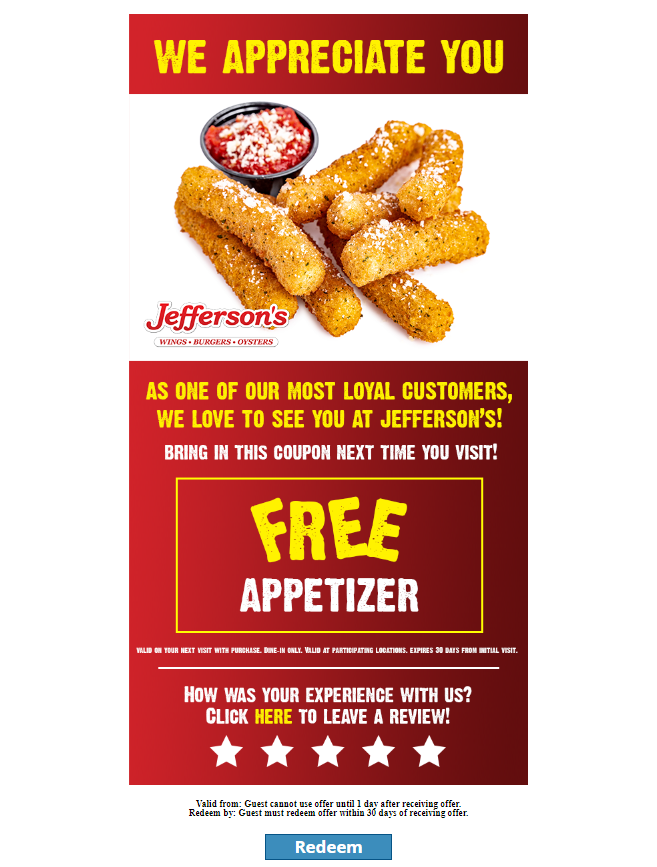
Bloom Intelligence Restaurant Customer Intelligence Platform