


Category: Restaurant Marketing

Restaurant Management Software: The Impact on Operations and Guest Experience

In today’s restaurant industry, the rise of digital technology has revolutionized how restaurateurs operate, manage guest experiences, and market their businesses.

Amid this digital transformation, an array of restaurant management software has emerged, each tailored to address different facets of the restaurant business—from operations and guest experience to marketing and beyond.

Understanding the significance and application of these software solutions is pivotal for restaurateurs aiming to streamline their operations, enhance guest satisfaction, and leverage data-driven restaurant marketing strategies for growth.

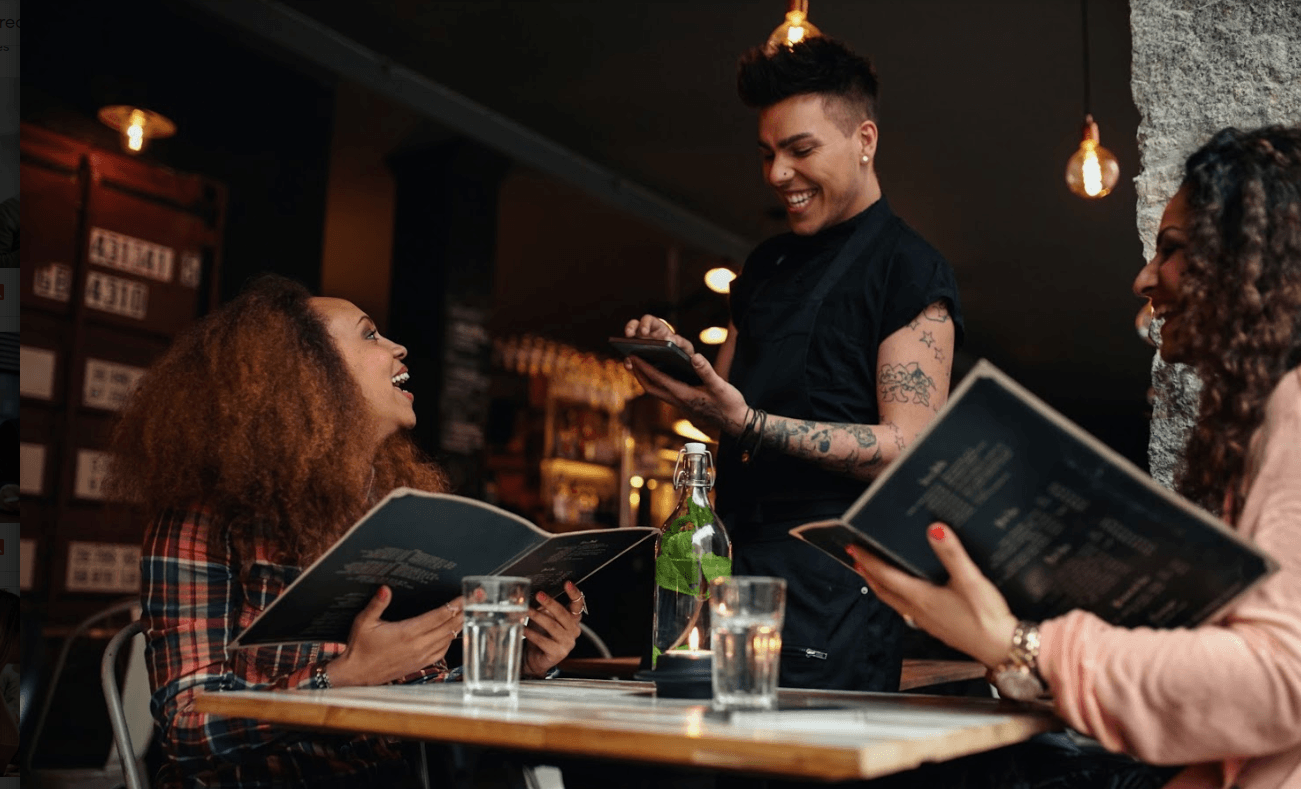
restaurateurs using restaurant management software

Operations and Guest Experience Software

Point of Sale (POS) Systems: The backbone of restaurant operations, modern POS systems do more than process transactions. They serve as comprehensive management tools that handle orders, track inventory, manage staff, and gather valuable data to inform business decisions.

Advanced systems integrate with other restaurant management software for seamless operations, embodying the concept of a restaurant operating system that centralizes management tasks​.

Reservation and Table Management Software: Solutions like OpenTable and Tock facilitate online reservations, manage seating arrangements, and optimize dining room capacity.

These systems enhance the guest experience by reducing wait times, personalizing guest interactions based on preferences, and improving the efficiency of restaurant operations​​.

Customer Relationship Management (CRM) Systems: CRMs play a crucial role in personalizing the guest experience by compiling detailed guest profiles. This data enables restaurants to tailor their service and marketing efforts, fostering loyalty and repeat business.

Automation in restaurant CRM systems can trigger personalized communications, such as reservation reminders or birthday offers, enhancing guest engagement​​​.

restaurant team using restaurant software

Marketing Software

Email and SMS Marketing Tools: Leveraging guest data to send personalized, timed SMS and email marketing messages can significantly boost guest engagement and retention.

Marketing automation platforms (MAPs) allow for sophisticated segmentation, automated campaigns, and detailed analytics to refine marketing strategies and increase return on investment (ROI)​​​​.

Social Media Management Platforms: These tools enable restaurants to maintain a consistent and engaging presence across various social media platforms.

They offer features for scheduling posts, analyzing performance, and interacting with guests, vital for building brand awareness and loyalty in the digital age.

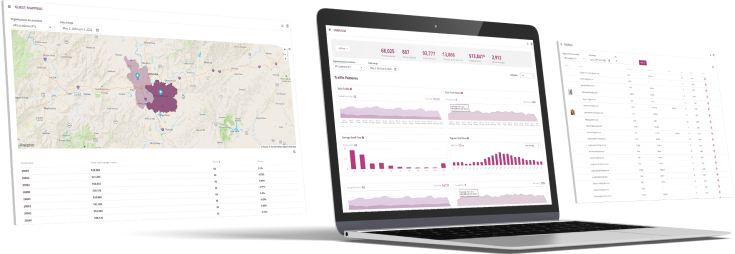
Bloom Intelligence: A standout in the restaurant marketing software realm, Bloom Intelligence offers an AI-powered marketing automation platform that aggregates and analyzes guest data from diverse sources, including POS systems, online ordering, reservations, and WiFi networks.

By automating marketing campaigns and personalizing guest communications, Bloom helps restaurateurs attract new guests, turn occasional visitors into regulars, and manage their online reputation across major platforms like Google, TripAdvisor, Facebook, and Yelp​​​​.

Loyalty Program Management Software: These platforms enable restaurants to create, manage, and optimize loyalty programs, offering rewards and incentives that encourage repeat visits.

Automation in these systems ensures personalized rewards and promotions are delivered to guests, based on their behavior and preferences.
restaurant marketing software

The Value of a Customer Data Platform (CDP)

At the heart of restaurant management software lies the Restaurant Customer Data Platform (CDP), a tool that centralizes guest data from various sources into a unified, actionable database.

A CDP empowers restaurateurs to gain a holistic view of their guests, uncovering insights into preferences, behavior, and spending patterns. This intelligence is crucial for tailoring marketing efforts, enhancing guest experiences, and driving strategic business decisions​.

Centralization of Guest Data: One of the most formidable challenges restaurants face is the fragmentation of guest data across various systems such as POS, online ordering, reservations, WiFi, and loyalty programs.

A CDP addresses this challenge head-on by aggregating data from these disparate sources into a single, unified view of each guest. This holistic approach eliminates silos, providing actionable insights that can inform business decisions and marketing strategies.

Enhanced Guest Personalization: With the detailed guest profiles generated by a CDP, restaurants can deliver highly personalized experiences that resonate with individual preferences and behaviors.

From customizing marketing messages to tailoring menu recommendations, personalization has been shown to significantly increase guest engagement, satisfaction, and loyalty​​​.

This level of personalization not only fosters a deeper connection between the restaurant and its guests but also drives repeat visits and higher spending.

Data-Driven Marketing Strategies: A CDP’s, like Bloom Intelligence, real power lies in its ability to inform and automate targeted marketing campaigns.

By understanding guest behavior and preferences, restaurateurs can segment their audience more effectively and craft messages that are more likely to convert.

Whether it’s re-engaging at-risk guests with personalized offers or recognizing and rewarding loyal patrons, a CDP enables restaurants to execute sophisticated marketing strategies that would be nearly impossible to manage manually​​.

Operational Insights and ROI Measurement: Beyond marketing, the insights gleaned from a CDP can lead to improved operational efficiencies and a better understanding of the restaurant’s return on investment (ROI) for various initiatives.

For instance, analyzing guest visitation patterns can help optimize staffing levels, while tracking the effectiveness of marketing campaigns in real-time allows for rapid adjustments to maximize impact​​.

Competitive Advantage in a Digital Landscape: In today’s digital-first world, a CDP provides a competitive edge by enabling restaurants to act quickly on insights, personalize guest interactions across all touchpoints, and stay ahead of evolving consumer preferences.

This agility is key for maintaining relevance and driving growth in an industry where guest expectations and technology are always advancing.

The diverse array of restaurant management software available today offers restaurateurs the tools to optimize every aspect of their business.

From improving day-to-day operations and guest experiences to executing sophisticated, data-driven marketing strategies, these technologies are indispensable for staying competitive in the digital era.

As the industry continues to evolve, embracing these innovations will be key to achieving operational excellence and fostering sustainable growth.

restaurant manager growing business with restaurant management software

Discover Bloom Intelligence 

Bloom Intelligence is an AI-powered restaurant marketing platform. It includes a powerful customer data platform, automated guest data collection, marketing automation, and reputation management tools.

Guest data is collected from many different sources and aggregated into one single platform. This makes it simple to analyze and segment your guest personas for your restaurant’s digital marketing and operations decisions.

Data is collected from sources like WiFi logins, online reservation systems, online ordering platforms, POS systems, website forms, social media, and more.

Bloom makes guest data collection effortless, this allows you to quickly execute the strategies listed above, saving you time, increasing customer lifetime values, attracting new guests, improving your reputation, and boosting your bottom line.

Click Here to Schedule a Free Online Demo, or call 727-877-8181 to see how we can help you save time and drive tangible results for your restaurants.


How to Increase Customer Lifetime Values to Improve Restaurant Revenue

As a restaurateur, you understand the importance of gaining loyal guests, ensuring their satisfaction, and turning them into long-time regulars. With costs out of control and labor rates on the rise, regular guests can help ensure business stability.

One of the most effective ways for restaurants to ensure sustained growth and a higher return on investment is by concentrating on increasing their customer lifetime value (CLV). Investing in strategies that increase CLV and boost repeat orders helps restaurants build that all-important guest loyalty.

In a nutshell, in the highly competitive and fast-changing food service industry, CLV is of immense importance to a restaurant’s bottom line and greater profitability over the long haul.

Why? The answer is simple.

The more guests you acquire who keep coming back and spending more, the higher your overall revenue will grow.

Then you can reallocate guest acquisition dollars and apply them to other areas of business improvement, or to offset rising costs.

Here are several ways you can begin improving your customer lifetime values at your restaurant.

increasing customer lifetime value with guest engagement

Identify Your Best Customers

First, guest CLVs can help you identify your ideal guests. The CLV metric assesses guests and can identify those who typically spend the most time and money at your business.

Knowing this helps focus your marketing efforts so that when you do offer things like incentives and loyalty programs, you know who to primarily target for the best possible results.

You’ll find that this concept will be an underlying theme throughout the rest of this article.

Post-Sale Outreach

Restaurants can reach out to both high and low CLV guests after they leave, or after ordering online.

Anything from traditional paper coupons to email and social media marketing can help you create a connection with a guest that encourages future visits and more sales.

Also, making your interaction with the guest feel more personal and less “businessy” is always a plus. With a restaurant customer data platform (CDP) like Bloom Intelligence, you can collect guest contact information automatically.

The platform will create a large database of customer profiles that can be segmented for more personalized marketing campaigns. Segmented marketing campaigns have been shown to have a much higher ROI than blasting a single message to your entire database.

Customer Rewards Programs

Guest loyalty programs are popular with today’s consumers, and smart restaurant owners know this. So when you identify a certain group of your guests who are high CLV, it provides you with an opportunity to reward them for their loyalty.

This kind of reward program is one of the best ways to ensure the retention of such high CLV customers.

Rewards programs don’t have to be elaborate, computerized points systems. They can be as simple as punch cards offering a free sandwich with every 10 purchases.

Another simple way is to utilize your guest WiFi or online ordering system with your CDP to measure guest return visits or orders automatically. Then, with the unified automated marketing platform, have the system email them a coupon or any other offer to redeem on their next visit.

Offering low CLV guests a rewards program in which they can get a discount on a pricey item is a useful way of convincing them to purchase that item later at the standard price – which also represents a form of up-selling.

increasing lifetime value with rewards program

Up-Selling for Better Customer Lifetime Value

Up-selling is one of the most effective ways to increase the value of low CLV customers. In this approach, restaurants try to convince the guest to add more items to their order or purchase a more expensive item than the one they originally ask for.

Up-selling can also mean selling the guest a complimentary product that increases the profit margin on that particular sale. For instance, some guests will decide to upsize their orders by getting a supersized meal instead of the regular one.

And when guests are ordering and you ask them if they “want fries with that”, that’s also up-selling.  Suggesting pairing a wine with a meal or bringing the dessert tray before being asked are also great ways to encourage larger tickets.

Down-Selling for Better Customer Lifetime Value

Despite the fact that restaurants have their prices printed on a menu, patrons will often ask employees what something costs. If they don’t like the answer, they sometimes just walk away.

This is where down-selling can work. Down-selling is a technique where restaurant employees can direct a guest to a lower-cost item they might be more likely to buy.

This approach is very useful for selling to low CLV guests since they are more likely to be looking for bargains. Offering a less-expensive option to these guests means at least some profit, which is better than no sale at all.

Guest Engagement

Obviously, losing high CLV guests and maintaining low CLV guests at their current level of spending would be bad for business. Understanding this makes it possible for you to adjust your approach to both groups by finding new ways to hold on to more profitable guests, while also turning those low CLV guests into bigger spenders.

One of the keys to retaining high CLV customers is guest engagement.

Guest engagement means more than just offering a smile while taking someone’s order. Employees and management must engage with the guest throughout their restaurant experience and beyond.

Also, when patrons feel appreciated – from the moment they approach the host stand to the moment they walk out the door – it makes it more likely that low CLV guests will spend more on their current visit or make another purchase in the future.

Connect Better with Your Guests

Customer lifetime value can also help you adapt to your guests’ preferences to engage them more appropriately.

For example, if a restaurant finds that older patrons have the highest CLV among their guests, this shapes marketing and feedback efforts differently than it would with younger guests, as older generations are less likely to use social media.

In this instance, you might collect email addresses and market to those guests using email, instead of trying to create a large social media presence.

Knowing who your best guests are allows you to cater to them better. It gives you the opportunity to improve your business by capitalizing on the benefits of knowing your high CLV clients.

Typically, these guests are most likely to try new products, tell others about your restaurant, and offer reviews and feedback. Those with high CLVs are the ones whose feedback will provide the most benefit.

engaging with guests to increase customer lifetime value

Study Loyal Guest Visits

There are several ways to improve customer lifetime value numbers, including running promotions, providing perks and loyalty programs, and creating a bigger presence online. What if you’re already doing some of these things but your CLV numbers are still low?

You may need to target your efforts toward one group. Family-friendly restaurants, for example, cater to a broad range of people. Other restaurant analytics tools could indicate the kinds of families to target.

For instance, with a restaurant customer data platform, you can track guest age, gender, new and repeat customers, and more. But these metrics give you a general idea of who visits your establishment. Tracking the demographics of returning guests identifies the people to target when building loyalty to boost your CLV.

There are significant benefits for your restaurant if you understand the CLV of the guests coming into your establishment.

Having these numbers in hand gives you the power to target your guests through engagement, rewards programs, and marketing in a way that can retain high CLV guests and convince low CLV guests to spend more.

Discover the Bloom Intelligence Customer Data Platform

If you are looking for an effective way to improve guest retention and increase your bottom line, then improving customer lifetime values should be a priority for you and your business.

Repeat guests mean repeat profits.

It’s time to start planning for the successful future of your restaurant. Ensuring a positive guest experience and strong guest retention are the secrets.

Using Bloom’s restaurant marketing and customer data platform, you can collect data from many different sources. Then you can leverage the real-time guest insights and campaign reporting to not only get your current guests back through your door but also to attract new guests and keep them coming back.

In a rough economy with rising food and labor costs, guest acquisition and retention are crucial for success.

Click Here to Schedule a Free Online Demo, or call 727-877-8181 to see how we can help you save time and drive tangible results for your restaurants.



How to Leverage the Power of Social Proof to Attract More Guests

As a restaurant owner, you know how much of a challenge it can be to stay competitive and keep your guests coming back. With so many eateries vying for consumer attention, being able to stand out is essential.

The good news is that by leveraging social proof strategies, you can create a powerful draw for potential guests and maintain strong relationships with your regulars.

Social proof is an essential marketing tool for any business. It’s especially useful for restaurants due to its relationship with guest reviews and ratings.

From showcasing positive reviews on your website or in ads to creating engaging social media posts about guest experiences, leveraging social proof can be a game changer when attracting new patrons.

Social proof is based upon “informational social influence.” This means people will conform in order to be liked by, similar to, or accepted by the influencer or society.

In terms of marketing your restaurant, social proof occurs when guests or potential guests see what others are saying about your business.

When consumers are looking to buy something, they look for ratings & reviews, recommendations, and ways that others have used a product before making their decision.

Here are some ways to use social proof to increase foot traffic and online ordering, improve customer lifetime values, and combat rising costs with better ROI.

Examples of Social Proof to Get More Guests

Using Social Proof to Get More CustomersFor instance, rating sites like Google or Facebook are avenues of social proof because users can quickly and easily see the ratings and reviews of your business.

The better your ratings, the more likely people are to give you their business.

When you visit a website and you see a testimonial from a happy guest or industry expert – that’s social proof. Deciding to choose a particular restaurant because you love steak and saw someone leave a comment about how good their steak is – that’s social proof. When you see an item on a menu with a star that says “Customer Favorite!” – that’s social proof.

All of these different tactics help build trust, convey value, and improve customer lifetime values. It is a simple way to use valuable third-party influence to market your restaurant.

Because social proof is such a powerful consumer trigger, it is a great item to incorporate into your marketing strategy.

Every customer touchpoint should display social proof. Consider incorporating elements of social proof into your:

  • website pages
  • social media platforms, including Google My Business
  • paid marketing media (Google Ads, print, radio, etc.)
  • physical location (signage, table tents, etc.)
  • menu items
  • email and SMS communication
  • Google search results schema
  • loyalty program/mobile apps

Let’s turn our attention to optimizing your online presence. Specifically, how to present yourself on Google and the pages of your website.

Have you ever been searching for something on Google and come across a result that displays a star rating and the number of votes? This is great social proof because the ratings come directly from guests who have left a rating on Google.

Using Google for Social Proof

Using Google for Social Proof

Website schema, or structured data, is a standardized format for providing search engines information about a web page and classifying the page content. If you’re new to structured data, you can learn more about how structured data works here.

When users search for businesses on Google Search or Google Maps, search results may display a prominent Google knowledge panel with details about a business that matched the query.

When users query for a type of business (for example, “best NYC restaurants”), they may see a carousel of businesses related to that query. Likewise, some results will show the restaurant’s average rating and the number of ratings given.

With Local Business structured data, you can tell Google about your business hours, different departments within a business, reviews for your business, and more. In turn, Google may add some or all of these things to your search result.

As Google does not guarantee this will happen automatically, there are strategies you can implement that could convince them of your relevancy and boost visibility. To find out how, download our whitepaper, “Learn How to Use Social Proof to Get More Customers.”

Using Your Website for Social Proof

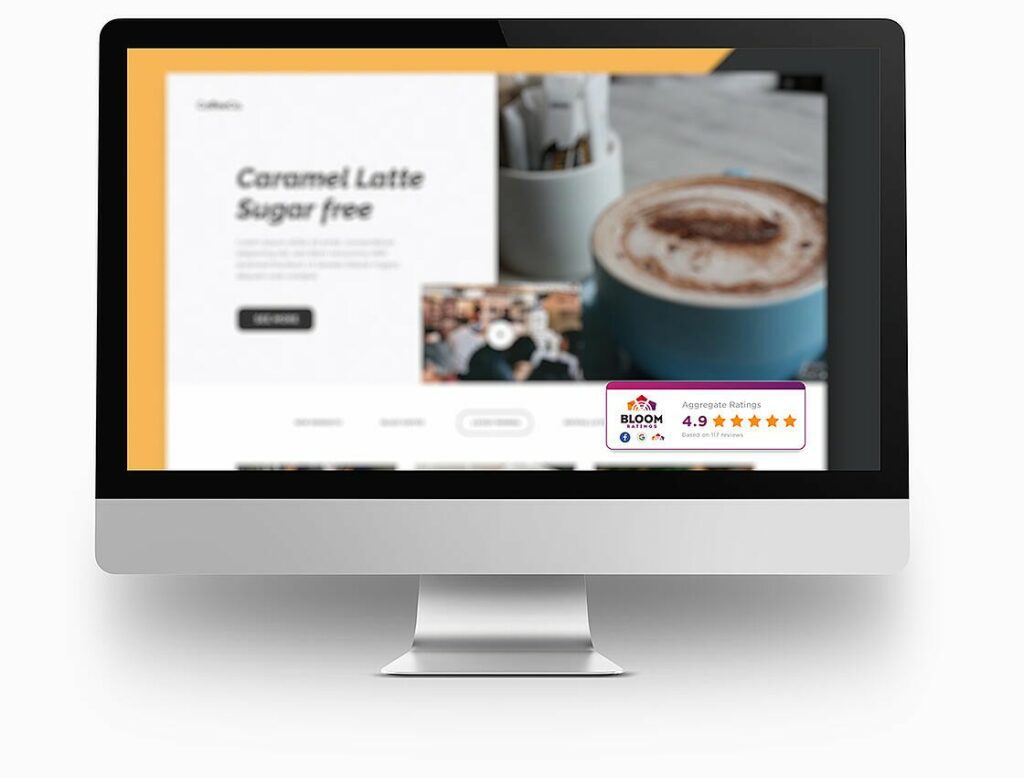
Another great way to show your guests and potential patrons social proof is to display your aggregate ratings on your website, blog pages, and social media accounts.

With the Bloom Intelligence website ratings widget, you can display a small badge on your website pages that will display your aggregate ratings from Facebook, Google, and Bloom.

Adding this widget directly onto your website can help display your reputation. It can also have a positive effect on your bottom line by creating positive social proof.

Website Widget for Social Proof

Unfortunately, most restaurant marketers don’t have the ability or time to create this type of thing. But with Bloom, it is simple and fun.

Click the banner above for instruction on how to do it!

Are you ready to improve your restaurant’s reputation by automatically building positive online reviews and using social proof?

The answer is simple. Show your positive online reviews to your guests and potential guests.

Discover Bloom Intelligence

Get your ratings to stand out online! Using rating schema, you can boost the visibility of your restaurant by having ratings appear in a Google search result. An effective tool for getting noticed on the web.

Likewise, creating a website widget that will display your real-time aggregate Google, Facebook, and Bloom ratings will showcase your positive ratings, and improve your reputation, helping you drive new Guests into your restaurants.

Call us or schedule a free demo online and Bloom will show you how our restaurant marketing and customer data platform can help you save time and increase your customer lifetime values by automatically building first-party customer databases, unlocking important guest insights to trigger marketing at the right time and place, showcase your positive ratings, save at-risk guests, increase your current guests’ frequency, and find new guests.

Click Here to Schedule a Free Online Demo, or call 727-877-8181 to see how we can help you save time and drive tangible results for your restaurants.


Restaurant Marketing Automation: Boosting Guest Experience and Revenue

The restaurant industry has undergone a significant transformation in the past few years, with increased competition and evolving guest preferences.

Consequently, restaurateurs have been seeking innovative ways to attract and retain guests. Restaurant marketing automation has emerged as a powerful tool to enhance guest engagement, improve operational efficiency, and increase revenue.

Here we will discuss the various aspects of marketing automation for restaurants, highlighting its benefits and showcasing best practices to implement it effectively to save you time and money.

restaurant marketing automation saving time and money

What is Restaurant Marketing Automation

Marketing automation refers to the use of software and technology to automate repetitive marketing tasks and processes.

For restaurants, this includes things like customer relationship management, restaurant email marketing, reputation management, loyalty program administration, and online reservation and ordering systems.

By leveraging marketing automation, restaurant owners can enhance guest engagement, improve operational efficiency, and drive revenue growth – all while reducing manual labor and human error.

This powerful tool is essential for restaurants looking to elevate their marketing efforts and create memorable experiences for their guests.

Benefits of Restaurant Marketing Automation

Embracing marketing automation in the restaurant industry provides a wealth of benefits that empower businesses to thrive in a competitive landscape.

By utilizing marketing automation tools, restaurants can deliver personalized experiences, streamline marketing tasks, and identify trends for better decision-making.

As a result, restaurant owners can optimize their resources and focus on providing exceptional dining experiences to both new and loyal guests while fostering long-lasting relationships.

Here are some of the powerful benefits of marketing automation:

1. Enhanced Guest Engagement

Marketing automation allows restaurants to stay connected with their guests at every stage of the customer journey. Through targeted email campaigns, personalized offers, and tailored loyalty programs, restaurants can engage their audience better and foster long-lasting relationships. This not only helps to increase repeat business but also enhances overall guest satisfaction.

2. Improved Operational Efficiency

Automation helps streamline various marketing tasks, leading to improved efficiency and time savings. By automating tasks like customer feedback collection, responding to reviews, email campaigns, and potential customer churn, restaurant staff can focus on running their restaurant operations and providing exceptional service to their guests.

3. Increased Revenue

Automated marketing campaigns and targeted promotions can drive more traffic to a restaurant, both online and offline. This, in turn, leads to increased revenue as new customers discover the restaurant and loyal customers return more frequently.

4. Data-Driven Decision Making

Marketing automation tools collect valuable guest data, such as preferences, past orders, and visit frequency. This data can be analyzed to identify patterns and trends, enabling restaurant owners to make data-driven decisions on menu items, promotions, and guest engagement strategies.

5. Cost Savings

By reducing the need for manual labor and minimizing human error, marketing automation can lead to significant cost savings for restaurants. This allows for more effective budget allocation, with valuable funds being directed toward other areas of the business.

The benefits of marketing automation for restaurants are both diverse and impactful. By streamlining marketing tasks, enhancing guest engagement, improving restaurant reputation, enabling data-driven decisions, and cutting costs, marketing automation provides a competitive edge in a demanding industry.

By integrating these powerful tools, restaurant owners can foster long-lasting relationships with their patrons while optimizing operations, ultimately resulting in a more successful and memorable dining experience.

restaurant marketing automation leads to a better guest experience

Implementing Marketing Automation in Restaurants

The implementation of marketing automation in restaurants has become an indispensable strategy for success in an increasingly competitive industry.

By leveraging software and technology like what Bloom Intelligence delivers, restaurant owners can effectively automate repetitive marketing tasks while optimizing guest engagement, and improving overall operations.

This section explores the process of implementing marketing automation in restaurants, highlighting key aspects. As restaurants venture into the world of marketing automation, a strategic approach is crucial to unlock its full potential and elevate the dining experience for every guest.

1. Choose the Right Tools

Selecting the appropriate marketing automation software is crucial for success. Look for a platform that offers features tailored to the restaurant industry. Remember that customer service is important when choosing a restaurant marketing platform.

2. Grow a Customer Database

A comprehensive customer database is the foundation of effective marketing automation. Encourage visitors to sign up for your mailing list on your website, or log into your guest WiFi. Also, make sure to integrate with your POS and online ordering system. This will provide you with valuable data, such as email addresses, phone numbers, and visit/ordering history, which can be used for targeted marketing campaigns.

3. Segment Your Audience

Divide your customers into segments based on factors such as visit times and frequency, demographics, and geographic data. This enables you to create personalized marketing messages and offers, which are more likely to resonate with your audience.

4. Implement Email Marketing Campaigns

Restaurant email marketing is a powerful way to engage with customers, promote special offers, and share news about your restaurant. Automate the process by setting up triggered email campaigns, such as birthday promotions, anniversary discounts, personalized offers, and surveys.

5. Set Up a Loyalty Program

Implement an automated loyalty program to reward repeat customers and encourage new visitors to become regulars. Utilize a platform that integrates with your marketing automation software to track customer visits and reward redemption. Personalize rewards based on individual preferences, and use targeted marketing to promote the program and drive customer engagement.

6. Optimize Online Reservations and Online Ordering

Implement online reservation and ordering systems that integrate with your marketing automation platform. This not only streamlines the process for guests but also provides valuable data for your marketing efforts. Utilize this data to send targeted promotions, such as discounts on off-peak hours or reminders for upcoming special events.

7. Monitor and Analyze the Results

Track the performance of your marketing automation campaigns using built-in analytics and reporting tools. Monitor key performance indicators (KPIs) such as open rates, click-through rates, conversion rates, and customer lifetime value. Use this data to refine your campaigns and make data-driven decisions for future marketing initiatives.

8. Continuously Test, Improve, and Adapt

The key to successful marketing automation is continuous improvement. Regularly assess the effectiveness of your campaigns and make adjustments as needed. Stay up-to-date with industry trends and customer preferences, and be prepared to adapt your marketing strategies to meet evolving needs.

The successful implementation of marketing automation in restaurants is a game-changer, offering a competitive edge in a demanding industry. By strategically following these steps, restaurant owners can harness the power of marketing automation to drive guest engagement and improve operations.

As technology and guest preferences continue to evolve, it is imperative for restaurants to stay ahead of the curve by embracing marketing automation, ultimately setting the stage for exceptional dining experiences and long-term business success.

restaurant owner setting up marketing automation

Tying It All Together

Marketing automation is a powerful tool for restaurants, offering a multitude of benefits, including enhanced guest engagement, improved operational efficiency, increased revenue, and cost savings.

By implementing marketing automation best practices, restaurant owners can better understand who their guests are, develop more effective marketing strategies, and ultimately create a better guest experience.

Embracing marketing automation is a necessary step for restaurants that want to stay competitive and relevant in today’s fast-paced digital world.

By choosing the right tools, segmenting your audience, and continuously refining your strategies, you can unlock the full potential of marketing automation and set your restaurant on a path to success.

Discover Bloom Intelligence

Bloom Intelligence is an AI-powered restaurant marketing platform that incorporates a powerful marketing automation system. Discover how to easily find and keep new guests, improve your restaurant’s reputation, optimize the guest experience, and increase customer lifetime values  – all while saving time and lowering marketing costs.

Call us or schedule a free demo online and Bloom will show you how our restaurant marketing platform can help you save time and increase revenue by automatically building first-party customer databases, unlocking important guest insights to trigger automated marketing at the right time and place, discover true guest sentiment, save at-risk guests, increase your current guests’ frequency, and find new guests.

Click Here to Schedule a Free Online Demo or call Click To Call 727-877-8181 to see how we can help you save time and drive tangible results for your restaurants

AI-powered restaurant marketing platform demo


Restaurant Email Marketing Personalization: Standing Out In The Crowd

When it comes to successful marketing in a crowded marketplace, personalization is the key to unlocking amazing results.

Today’s consumer is blanketed with advertising from countless online and offline channels. To stand out, marketing messages need to be personalized and targeted to specific demographics and customer personas.

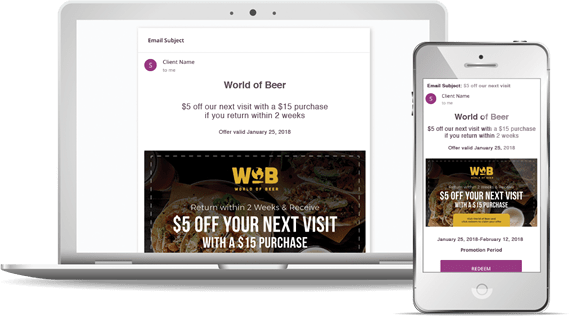
Personalization of restaurant email marketing messages refers to using guest data to create much more effective email content. Its effectiveness is increased because the message can be tailored for each individual guest or customer segment.

Personalized Email Marketing Campaign

Using personalized messaging has been proven to improve open rates and generate more revenue because it allows marketers to create more relevant content that will interest and engage the consumer.

By collecting guest data through various channels, and grouping those guests into separate lists, marketers can avoid sending out a single message to every guest hoping that it resonates with at least some of the audience. Instead, they can focus on sending highly-targeted messaging to increase open rates and encourage more engagement.

Collecting Guest Data for Email Personalization

To execute an effective personalized email marketing campaign, you’ll need to have comprehensive data about your individual guests.

There are various ways in which to collect guest data. Using a customer data platform (CDP) like Bloom Intelligence, restaurants can gather and aggregate data from online ordering and reservation platforms, WiFi logins, social media, POS systems, website forms, and more.

Restaurants will know who their guests truly are, how they behave online and offline, and what their spending habits are. They will understand their true voice of guest.

This will allow you to passively gather the necessary individual guest information required for proper personalization.

Using progressive profiling, data such as name, email address, phone number, age, gender, birthday, and other information is entered by the guest each time they interact with your restaurant. In addition to all of this demographic information, the built-in WiFi marketing platform also tracks the physical behavior of your customers when they are at your locations, logging things such as dwell times, repeat visits, coupon redemption, days of the week, and hours of the day.

With this kind of thorough and reliable data, marketers can begin using it to build powerful, data-driven targeted marketing campaigns.

Restaurant Email Personalized for Guests

Using Data To Build Personalized Marketing Messages

According to research from Salesforce, the world’s #1 customer relationship management platform, data targeting and segmenting were used 51% more by overperforming businesses than those who were underperforming. This makes perfect sense when thinking about today’s consumers. They expect personalized messaging and they know when they’re receiving a generic mass-marketing message.

The simplest way to get started creating personalized campaigns is to use your CDP to make your guest profile data filterable. This will allow you to start building segments of specific guests based on their demographics, behavior, and spending data.

Email Segmentation Examples for Restaurant Marketing

It is important to be able to save these segmented lists so you don’t have to build them each time you want to send out a new message or campaign. Likewise, make sure to name the list appropriately to avoid any confusion in the future.

Some examples of segmented lists might be:

  • Women over 30 who visited on Mother’s Day of last year
  • Any guest who has visited more than x times
  • Guests whose average dwell time is under 20 minutes
  • Men below 45 years old who have only visited your establishment once
  • Women/Men who only visit at lunchtime or order online
  • Guests at-risk of churning with a PPA over $20

While building these lists, you’ll need to also be brainstorming about how to effectively engage these groups. As you go through this process, ask yourself and your team members these questions:

  • What kind of action do I want this guest to take?
  • What is the best way to engage this guest?
  • What kind of deals or promotions would they be interested in?
  • What kind of deals and promotions would they NOT be interested in?
  • What new products or services might engage this customer?
  • What are this person’s pain points? Why do they need what I offer?
  • How can I attract and engage more guests like this?
  • What type of imagery or media would engage them?

Once you have your list segmented and your marketing message ready, you can use the email marketing tools to launch your automated campaigns. Just assign a message and a list to a campaign and turn it on.

When any new guest meets the criteria of one of your segmented lists, they will automatically be added to the campaign.

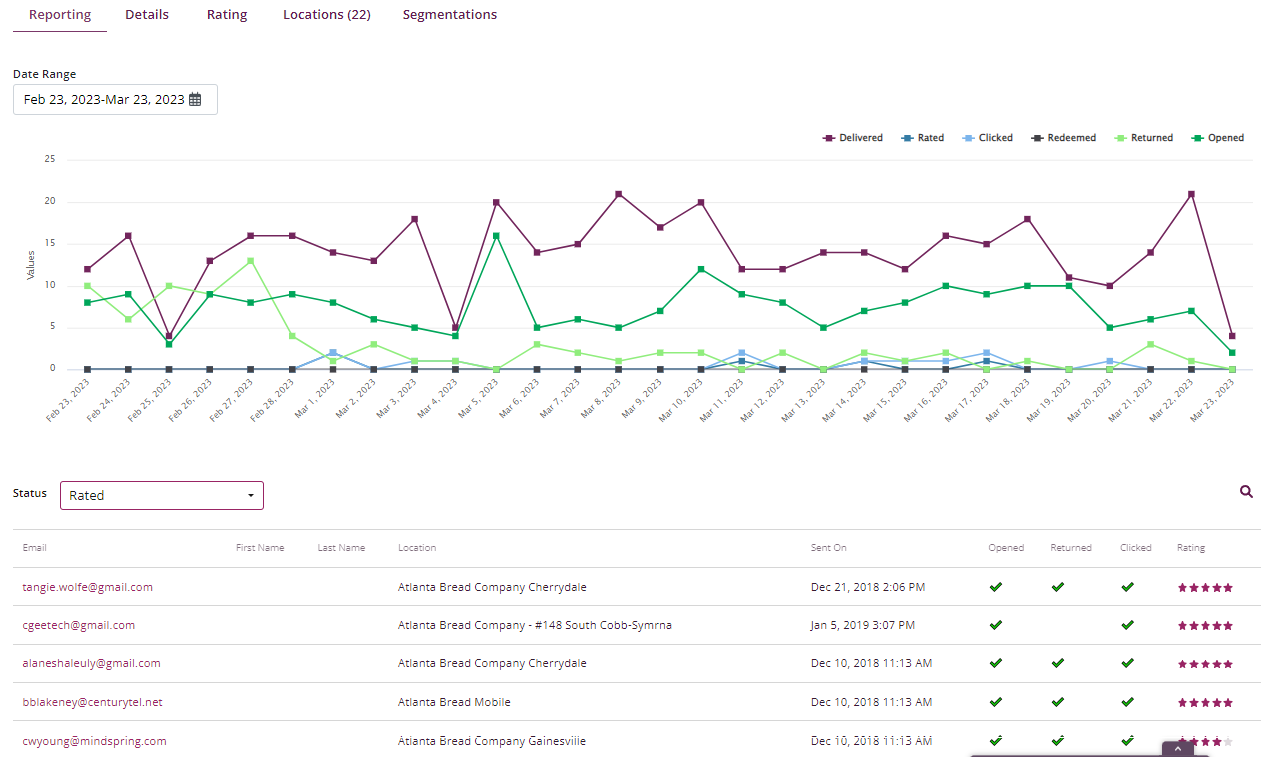
Personalized email marketing campaign report

Test, Test, and Test Again

Now that you have your customer segments properly defined, and you have your marketing messages and promotions ready to go, it’s time to get started. When you create and send your marketing messages to each list, it is vital that you monitor the ROI of each campaign.

As initial results come in, analyze the results and keep them documented in your platform. The next time you send a message to each group, you’ll want to make a small change to the message. You should only make a single change to the message when testing.

Send the message and compare its results to the original message. If the results are not as good, go back to your original message and test a different aspect of the message. If the results are better, keep the change and continue testing and optimizing over time.

Also, don’t forget that you’re not just targeting current guests. You can also be seeking out new lookalike prospects with social media or search engine advertising online and targeting them in an effective manner using the first-party data you’ve collected. These prospects should have a higher probability of becoming new customers, providing a more cost-effective means of acquiring new customers.

Email Marketing Personalization

Personalizing your email marketing messages with reliable guest data has been proven as an effective way to deliver relevant and engaging marketing content to your customers. This adds value to their experience and can quickly improve your open rates and subsequent revenue.

Using a customer data platform like Bloom Intelligence to collect a large volume of the right data, personalizing your restaurant marketing campaigns has never been easier. You’ll feel confident as you make data-driven decisions, drive company growth, and build a much larger base of loyal guests.

Personalize and Automate Email Marketing with Bloom Intelligence

Bloom Intelligence is an AI-powered restaurant marketing platform that includes a powerful customer data platform, WiFi marketing, and reputation management tools.

Guest data is collected from many different sources and aggregated into one single platform, making it simple and easy to analyze and segment your restaurant’s guest personas.

Bloom makes guest data collection effortless, allowing you to quickly execute the strategies listed above, saving you time, increasing customer lifetime values, attracting new guests, improving your reputation, and boosting your bottom line.

To see more of what Bloom can do for your restaurant, schedule a free demo today, or call us at 727-877-8181.

Bloom Intelligence Restaurant Marketing Platform


Guest Data and Email Marketing for Your Restaurant Success

In the age of countless online platforms like Facebook, Instagram, Twitter, and Reddit, maintaining a strong connection with your restaurant guests may appear daunting. Managing all these channels might feel overwhelming and confusing.

To maintain loyal patronage, mastering every new social platform isn’t necessary. The real challenge is identifying where your guests are spending their time online, focusing on the major players, and staying relevant.

However, what we truly crave is a strategy that brings simplicity and tangible results.

Amidst the surge of social media marketing, conventional restaurant email marketing may seem out of date. This perception, however, couldn’t be more wrong. In reality, email marketing for restaurants has gained a newfound potency.

As stated by the global management consulting firm, McKinsey & Company, email continues to be a significantly more efficient avenue to attract guests compared to social media. Likewise, it remains one of the cheapest forms of marketing.

restaurant email marketing

When Gary Thuerk dispatched the first-ever marketing email in 1978, he saw this novel tool as a swifter, more efficient method to share product information with customers, particularly under tight deadlines.

His vision promptly turned into reality as email marketing started to blossom. As the entire world gradually embraced this new form of communication, it necessitated a transformation in our approach to business.

Regulations and frameworks such as the CAN-SPAM Act of 2003 and the Sender Policy Framework emerged, forcing businesses that had been passively blasting emails to “nurture” guests to elevate their strategies.

The habit of indiscriminately sending solicitation after solicitation started to tarnish businesses’ relationships with their guests. A more refined and thoughtful strategy was needed to maintain and grow these contacts rather than relentlessly flooding inboxes with emails.

Why It Still Works

In the realm of digital outreach, it’s crucial to recognize that prospective guests of your restaurant may be spread across various social media platforms, making it a fragmented environment for effective communication.

However, according to 2019 statistics, roughly 90.9% of the U.S. population engaged with email, promising a wider and more consistent audience compared to select social media networks.

Moreover, email as a marketing medium offers unparalleled creative latitude. Unlike social media channels that might impose character limits or strict formatting rules, emails act as a blank canvas. There are no explicit word restrictions and no pre-established formatting protocols.

The moment your audience clicks to open your email, they’re giving you their undivided attention, without distractions. This implies that the versatility of your emails is solely limited by your creative aspirations, paving the way for a multitude of opportunities for distinctive and captivating restaurant marketing.

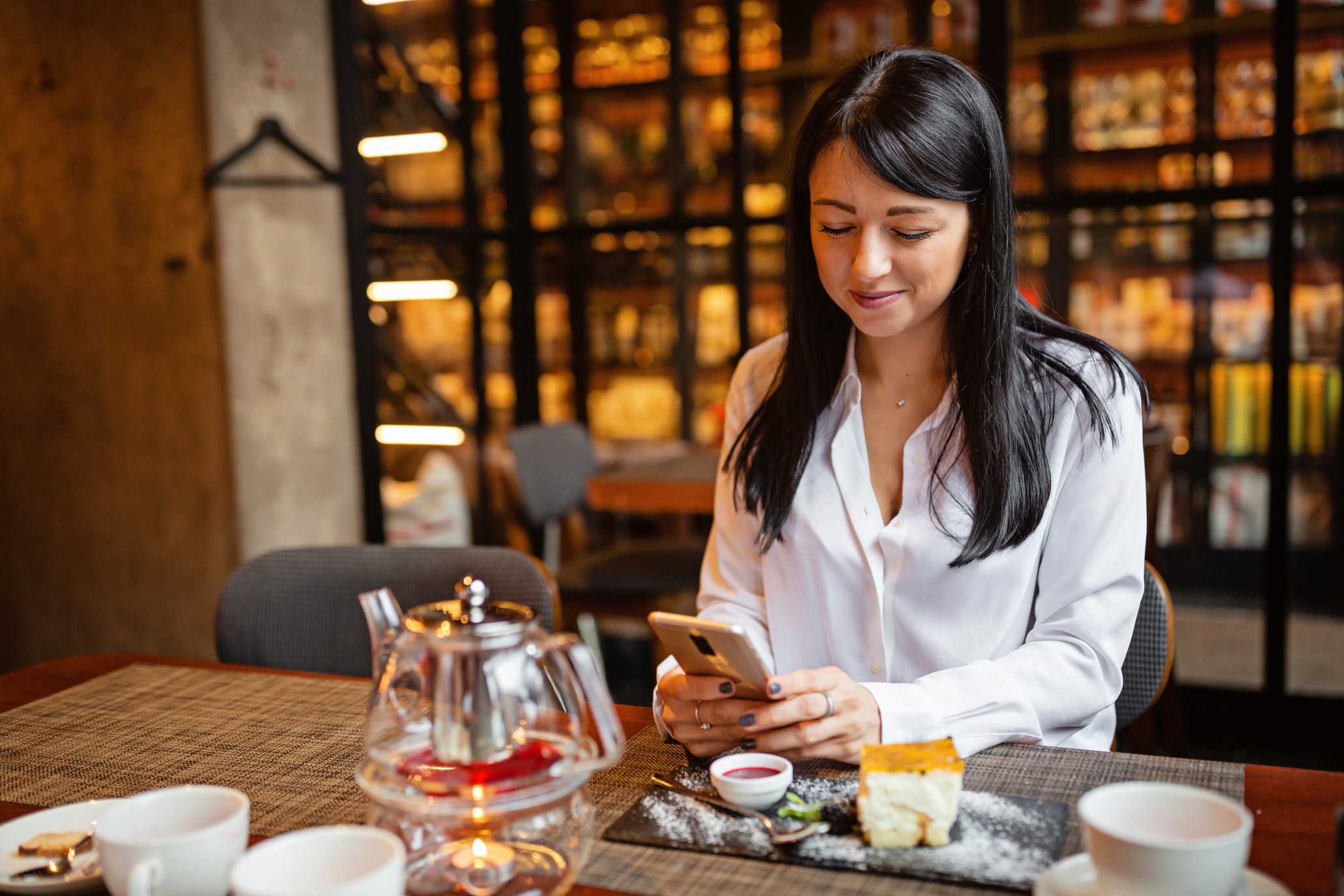
restaurant owner doing email marketing

Restaurant Email Marketing Tips

Here are a few things you need to know to execute email marketing to its fullest potential.

  • Be Reliable and Consistent – The two biggest reasons people unsubscribe from an e-newsletter are that they’re getting too many emails, or they don’t remember signing up in the first place. Set up an automated welcome email so that as soon as someone subscribes to get emails from you, they receive a message. Use this welcome message just like you use a WiFi landing page. Orient them to your business, tell them the community of guests they’re joining, offer them a deal, and talk up an upcoming big event. Then, once you’ve welcomed them, stick to a consistent schedule, once a week, once a month…it almost doesn’t matter as long as you are consistent. Most people open their emails first thing in the morning, or just before they go home, so time your emails so they’ll be at the top of their inbox.
  • Content Is King – If you email your guests ten separate tidbits a week, the reasons for your guests to open the emails are similarly tiny. Craft your message in advance and think about what you want to do for them. Is this email about making their lives more convenient? Is this email about giving them a break from the rat race? Find your objective and design your email to that end. Also, make sure that your email establishes and maintains a relationship. Today, photos and videos are where it’s at. Videos can triple your click-throughs. Likewise, personalized emails have a higher chance of success. Just remember that a bad video or improper personalization equals bad content.
  • Simple Designs Work – White space can increase comprehension by as much as 20%. It also gives the air of thoughtfulness, elegance, or intention. About 80% of readers are only going to scan your email, so keep your writing short, simple, and clear, with compelling subheadings that summarize your main point. Also, more than half of your guests are opening your email on their smartphones, another reason to keep things simple, short, and elegant.
  • Know Your Audience: Understanding your audience is a fundamental aspect of effective restaurant email marketing. When you know who your guests are, their dining preferences, favorite dishes, frequency of dining out, and even special occasions like birthdays, you can tailor your email communications to resonate with them on a more personal level. This personalized approach to email marketing not only enhances customer engagement but also fosters a sense of loyalty toward your restaurant. In an industry where repeat guests significantly contribute to the success of the business, making the effort to comprehend and meet your audience’s unique needs can truly set your restaurant apart and ensure a steady stream of patrons eager for a dining experience that feels specially curated for them.
  • Send Personalized Emails: Personalizing your emails in restaurant marketing is not just a nicety—it’s a necessity. In a world where consumers are inundated with generic promotional emails, personalization serves as a powerful tool to cut through the noise and truly connect with your patrons. When you tailor your emails based on your guests’ preferences, dietary restrictions, past orders, or even their special occasions, you demonstrate that you value them as individuals, not just as sales figures. This personalized approach can significantly improve engagement rates, as recipients are more likely to open and interact with emails that feel specifically catered to their interests and needs.
  • Use Eye-Catching Subject Lines: The significance of crafting compelling subject lines in restaurant email marketing cannot be overstated. The subject line acts as the front door to your message—it’s the first thing recipients see in their inbox and often the determining factor in whether they open the email or scroll past it. An enticing subject line can spark curiosity, encourage clicks, and drive guest engagement. It can tease a new menu item, highlight a special offer, or simply reflect your restaurant’s unique personality. Conversely, a poorly composed subject line can lead to lower open rates, or worse, your carefully crafted emails being relegated to the spam folder.
  • Leverage Special Events and Holidays: Capitalizing on special events and holidays in restaurant email marketing offers a golden opportunity to connect with guests in a timely and relevant manner. Whether it’s Christmas, Valentine’s Day, Mother’s Day, local festivals, or even your restaurant’s anniversary, these occasions provide the perfect backdrop for unique promotions, special menus, or exclusive events. By tying your marketing efforts to these celebrations, you can tap into your guests’ existing excitement and anticipation, making your communication more resonant and engaging.
  • Regularly Share Menu Updates: In restaurant email marketing, sharing updates about your menu serves as a crucial strategy for driving customer engagement and business growth. Whether it’s introducing new dishes, announcing seasonal specials, or even alerting guests to discontinued favorites, these updates can create a sense of anticipation and exclusivity, tempting patrons to visit your establishment to try something new. High-quality photos of your offerings can significantly amplify this effect, creating a visual appeal that whets the appetite and stimulates the senses. Regular menu updates not only keep your communication fresh and interesting, but they also signal your commitment to innovation and quality, further solidifying your restaurant’s reputation in the minds of your subscribers.
  • Ask for Feedback: Soliciting feedback is a critical component of restaurant email marketing. It serves as a two-way communication channel, allowing you to understand your patrons’ experiences, preferences, and expectations more deeply. By asking for feedback, you’re not just collecting valuable data that can help improve your services and offerings, but you’re also expressing to your guests that their opinion matters to you. This can significantly enhance guest satisfaction and loyalty. Moreover, guests who provide feedback often feel more invested in your restaurant, which can lead to increased patronage and positive word-of-mouth.
  • Use High-Quality Images: Integrating high-quality photographs into your restaurant’s email marketing strategy is of paramount importance. As the old adage goes, “we eat with our eyes first,” and this rings especially true in the digital world. Photos of your dishes, when done professionally and creatively, can elicit a near-tangible craving, convincing subscribers to book a table or order a delivery. Beautiful imagery can also elevate the perceived value of your offerings, helping to justify premium pricing or special promotions. Moreover, visually captivating emails are more likely to be shared on social media, extending the reach of your marketing efforts.
  • Don’t Overdo It: While keeping in touch with your guests is important, sending too many emails can lead to fatigue and unsubscriptions. Find a balance that keeps your restaurant fresh in your patrons’ minds without overwhelming them.
  • Track and Analyze Your Results: Tracking and analyzing the results of your restaurant’s email marketing campaigns is absolutely vital for their continued success. By monitoring key metrics such as open rates, click-through rates, conversions, and bounce rates, you can gain valuable insights into what’s resonating with your audience and what isn’t. This data-driven approach allows you to continuously refine your strategy, tailoring your content, offers, and even send times to better align with your audience’s preferences and behaviors. Understanding the return on investment from your email campaigns can help justify your marketing spend and inform future budget allocations.

As you devise your marketing strategy, the many online platforms available might seem overwhelming. However, it’s essential to remember that effective marketing doesn’t require a “scattergun” approach across all platforms.

Email marketing, a reliable tool that has been in existence for five decades, continues to hold sway in the marketing world. Its enduring relevance can be attributed to its universality, adaptability, and potential for deliberate, thoughtful communication.

The universality of email marketing is reflected in its impressive reach. With the majority of consumers having access to an email account, it opens up a broad and diverse audience base. This makes it a highly efficient method of communication, reaching both young and old, tech-savvy and technophobe, within and beyond your local community.

Its adaptability lies in its flexible nature. Whether you want to share a quick update, send out a monthly newsletter, or distribute elaborate promotional materials, email marketing can accommodate it all. The format, design, and content can all be tailored to fit your brand and meet your objectives.

Finally, email marketing allows for thoughtful communication. This means that you can fully express your thoughts, explain your services, and engage your guests with well-crafted messages. You can personalize your emails to appeal to individual guests, thereby making them feel valued and understood.

Furthermore, the use of analytics in email marketing means you can measure the effectiveness of your campaigns, adjust your strategies, and continuously improve.

So, while it can be tempting to chase the latest social media trend or new platform, remember the time-tested effectiveness of email marketing. It continues to be a trusted choice for marketers globally due to its broad reach, flexibility, and the unique opportunity it provides for meaningful communication with guests.

email marketing for restaurants

Schedule a Free Demo Today

Bloom Intelligence is an AI-powered restaurant marketing platform that includes a powerful customer data platform, automated data collection, automated WiFi marketing, and reputation management tools.

Collect guest data from many different sources and aggregate it all into one single platform, making it simple and easy to analyze and segment your restaurant’s guest personas for your restaurant email marketing.

You’ll passively collect data from sources like WiFi logins, online ordering systems like Oracle’s GloriaFood or Toast, online reservation systems like OpenTable, POS systems, and website forms.

Bloom makes guest data collection effortless, allowing you to quickly execute the strategies listed above, saving you time, increasing customer lifetime values, attracting new guests, improving your reputation, and boosting your bottom line.

To see more of what Bloom can do for your restaurant, schedule a free demo today, or call us at 727-877-8181.


Building and Nurturing Your Guest Email List for Maximum Impact

In today’s digital landscape, where the boundaries between the virtual and physical worlds increasingly blur, restaurants are discovering that success hinges not just on the quality of their services but also on the caliber of their guest engagement.

Central to this engagement is the strategic development and nurturing of an email list—a direct line to guests that provides a platform for personalized communication.

Here, we’ll look at the multifaceted strategies for expanding a restaurant’s email list and leveraging segmentation for targeted restaurant email marketing efforts, all aimed at amplifying guest engagement and fostering repeat business.

Elevating Your Email List: A Keystone of Digital Strategy

An email list is a vital asset for restaurants navigating today’s digital era. It facilitates direct, personal interaction with guests, offering a dependable and cost-efficient channel for marketing communications.

This channel’s benefits include :

  • Direct and Personal Communication: An email list allows you to send tailored messages directly to your guests’ inboxes. Unlike broad advertising or social media posts, email can address your guests by name, celebrate their milestones, and invite them back with offers that resonate with their preferences, creating a personal touch that fosters loyalty.
  • Cost-Effective Marketing: Building and utilizing an email list is one of the most cost-effective restaurant marketing strategies available. It bypasses the costs associated with traditional print advertising and paid online ads, offering a high return on investment. Emails can be sent to hundreds or thousands of guests simultaneously, spreading your message far and wide at minimal cost.
  • Increased Guest Retention: The personal and direct nature of email communication encourages repeat visits by reminding guests of the unique experiences your restaurant offers. Whether it’s through birthday discounts, exclusive event invitations, or personalized recommendations based on past dining history, these communications make guests feel valued and more likely to return.
  • Measurable Results: With email marketing, every campaign’s effectiveness is measurable through open rates, click-through rates, and conversion rates. This data provides insights into guest preferences and behaviors, allowing you to refine your marketing strategies for even better results over time.

In essence, a restaurant email list is not just a marketing tool, it’s a relationship-building platform that enhances guest experiences, nurtures loyalty, and drives repeat business, all while offering unmatched cost efficiency and measurable outcomes.

Guests on an email list getting messages

Strategies for List Expansion: Beyond the Basics

Expanding a restaurant’s email list is essential for broadening your reach and enhancing guest engagement.

Effective strategies for list expansion involve a mix of innovative technology use and traditional guest interaction, all aimed at seamlessly integrating the process of email collection into the guest experience.

Here are some key strategies:

  • Wi-Fi Marketing: Utilize your free WiFi service as a signup incentive. Guests can log in using their email address, seamlessly integrating connectivity with email list growth.
  • Digital Reservations and Orders: Incorporate email capture into the online reservation and ordering process. This not only makes operations efficient but also ensures every digital interaction contributes to list growth.
  • In-Restaurant Engagement: Leverage physical touchpoints in your restaurant. Use table tents with QR codes that lead to a signup page, offer a discount in exchange for an email at checkout, or run contests where entering an email is part of participation.
  • Social Media and Online Content: Use your online presence to encourage email signups. Offer exclusive content, discounts, or insider information in exchange for email subscriptions. Promote these offers through regular posts and interactive stories.
  • Feedback and Surveys: Encourage guests to leave feedback through surveys by providing their email. Not only does this grow your list, but it also offers valuable insights into their dining experience.
  • Partnerships and Collaborations: Collaborate with local businesses or events and include an email signup as part of promotional offers. This can expose your restaurant to a wider audience and attract new subscribers.

Each of these strategies not only aids in expanding your email list but also strengthens your relationship with guests by offering value in exchange for their information, laying the groundwork for more personalized and effective email marketing campaigns.

A restaurant customer data platform is essential in collecting guest data from all these sources and storing it in a single database for easy use.

restaurant CDP for building an email list

Mastering Segmentation for Enhanced Engagement

Segmentation is the process of dividing your email list into specific groups based on criteria like dining habits, preferences, or demographic information. This enables highly tailored and relevant marketing communications.

Effective customer segmentation strategies include:

  • Behavioral Insights: Craft campaigns targeting guests based on their interaction history, catering to their habits and preferences to boost engagement​​.
  • Demographic Differentiation: Utilize basic demographic data to personalize messages more effectively, whether it’s for birthday promotions or local events​​.
  • Preference Profiling: Pay attention to guests’ dietary preferences and past orders to send updates and offers that are genuinely relevant and enticing​​.

Mastering segmentation in your email marketing strategy significantly enhances guest engagement by ensuring that the content of each email resonates with the recipient’s preferences, behaviors, and characteristics.

Segmentation involves dividing your email list into smaller groups based on specific criteria, allowing for more targeted and relevant communication.

Here are some ways restaurants can leverage segmentation for maximum impact:

Behavioral Segmentation

Classify guests based on their dining behavior, such as frequency of visits, average spend, menu preferences, or online ordering habits. This enables you to tailor communications like special offers for high spenders, reminders for infrequent visitors, or personalized recommendations based on past orders.

Demographic Segmentation

Use basic demographic information like age, gender, and location to send more relevant emails. For instance, demographic data can help you target families with kids through promotions for family meals or engage local residents with special offers to combat seasonal downturns.

Occasion-based Segmentation

Identifying important dates for your guests, such as birthdays, anniversaries, or even local holidays, allows for celebration-specific marketing efforts. Sending a personalized offer or a simple congratulatory message can significantly boost guest loyalty and encourage celebratory dining at your restaurant.

Engagement Level Segmentation

Differentiate between guests who frequently open and interact with your emails versus those who do not. For highly engaged guests, consider sending more content-heavy emails like newsletters or behind-the-scenes looks. For those less engaged, a captivating subject line with a compelling offer might be more effective in rekindling their interest.

Loyalty Program Members

Segmenting your email list by loyalty program membership can help you send targeted loyalty rewards, exclusive event invitations, or program updates. This not only promotes program engagement but also appreciates and retains your most loyal guests.

Implementing these segmentation strategies requires a good understanding of your guests and the ability to collect and analyze data effectively.

By doing so, you’ll be able to send emails that are not just seen but valued by your guests, leading to increased engagement, higher open rates, and, ultimately, more repeat business.

Remember, the goal of segmentation is to make every guest feel like your email was crafted just for them, enhancing their connection to your restaurant and making them more likely to engage with your brand.

Conclusion: The Art of Email Mastery

A well-curated email strategy stands as a pillar of modern marketing. By diligently growing and intelligently segmenting your email list, and by deploying targeted, meaningful campaigns, you can dramatically enhance guest engagement and loyalty.

The objective is to create an experience that feels both personalized and valued, encouraging each guest not just to return, but to become an advocate for your brand.

Through strategic email marketing, restaurants can not only survive in the digital age but thrive, building a community of guests who are as engaged online as they are at the table.

Targeted marketing campaigns can fill your restaurant

Discover Bloom Intelligence 

Bloom Intelligence is an AI-powered restaurant marketing platform. It includes a powerful customer data platform, automated guest data collection, marketing automation, and reputation management tools.

Guest data is collected from many different sources and aggregated into one single platform. This makes it simple to analyze and segment your guest personas for your restaurant digital marketing and operations decisions.

Data is collected from sources like WiFi logins, online reservation systems, online ordering platforms, POS systems, website forms, social media and more.

Bloom makes guest data collection effortless, allowing you to quickly execute the strategies listed above, saving you time, increasing customer lifetime values, attracting new guests, improving your reputation, and boosting your bottom line.

Click Here to Schedule a Free Online Demo, or call 727-877-8181 to see how we can help you save time and drive tangible results for your restaurants.


Accelerate Your Restaurant Email Marketing with Comprehensive Guest Data

In the competitive restaurant industry, email marketing emerges as a powerful tool to connect directly with patrons, nurturing relationships that drive loyalty and repeat business.

The effectiveness of email campaigns, however, hinges on the precision of accurate and comprehensive guest data and how well it’s utilized.

A Customer Data Platform (CDP) is a game-changer in the realm of restaurant email marketing. Imagine the power of knowing your guests’ preferences so well that every email you send feels like a personal note from a friend.

This is where the magic of a CDP comes into play, transforming email marketing into an art form. By collecting and analyzing detailed guest data, a CDP enables restaurants to craft email campaigns that speak directly to the heart of each customer, promising a revolution in how restaurants connect, engage, and thrive in today’s digital age.

The Role of a CDP in Email Marketing

At its core, a restaurant CDP is a digital repository that aggregates, organizes, and manages customer data from multiple sources. It creates a unified customer profile that is accessible and actionable.

In the context of email marketing, this means having a wealth of guest data at your fingertips, ready to be harnessed for creating targeted and meaningful email campaigns. This process is essential for creating personalized and targeted email marketing campaigns.

With a CDP, restaurants can send emails that are tailored to individual guest preferences, behaviors, and demographics, making each message more relevant and impactful.

This targeted approach can significantly increase engagement and conversion rates, making email marketing campaigns much more effective and profitable.

Segmenting Your Audience with Precision

Customer segmentation is the cornerstone of effective email marketing, enabling restaurants to send the right message to the right people at the right time.

Segmenting your email list is like organizing your restaurant’s menu to cater to different tastes—it makes your emails more appealing to each group of customers.

With a CDP, you can easily divide your patrons into separate email lists based on behavior, demographics, and spending habits. This way, you can send more personalized emails that really speak to them.

For example, you could send special offers to your regulars or a welcome-back message to those who haven’t visited in a while. This targeted approach makes guests feel valued and increases the chances they’ll engage with your emails and your restaurant.

segmenting customer base

Personalizing Your Email Campaigns

In a world cluttered with generic marketing messages, personalized emails stand out, offering a tailored touch that guests appreciate.

Personalizing your email campaigns is about creating messages that feel custom-made for each recipient, much like how a chef prepares a meal with a specific guest in mind.

This involves using the data collected by a CDP to understand each guest’s unique preferences, past behaviors, and dining history. By leveraging this information, restaurants can send emails that resonate personally with each of them, such as suggesting their favorite dishes, celebrating their milestones, or offering tailored rewards.

This approach not only enhances the customer experience but also significantly boosts the effectiveness of email marketing by fostering a deeper connection and encouraging more frequent visits.

Personalized emails are more likely to be opened, read, and acted upon, turning casual diners into loyal patrons and advocates for the restaurant.

Automating Your Email Marketing

Efficiency and effectiveness in email marketing are greatly enhanced through email marketing automation.

Automating your email campaigns is like setting your restaurant’s marketing on autopilot. By automating, you save valuable time and resources that can then be invested in other critical aspects of your business, such as menu development, customer service, or staff training.

Automated emails can be scheduled for specific times, triggered by certain customer actions, or personalized based on the customer data collected by the CDP.

This efficiency not only streamlines your marketing efforts but also ensures consistent and timely communication with your customers, enhancing their overall dining experience and loyalty to your restaurant.

restaurateur automating email marketing campaigns

Measuring and Optimizing Email Performance

A robust CDP doesn’t stop at enabling targeted and personalized campaigns; it also plays a critical role in measuring their success.

By tracking key metrics such as open rates, click-through rates, and conversion rates, a CDP provides actionable insights that can be used to refine and optimize future email campaigns.

This continuous loop of measurement and optimization ensures that email marketing strategies evolve in alignment with guest preferences and behavior, maximizing ROI over time.

Getting Started

Embarking on a journey to elevate your restaurant’s email marketing with a CDP is straightforward and cost-effective.

Importing your current email list from more expensive platforms to a CDP-centric marketing solution like Bloom is typically a free process, designed to be seamless and hassle-free.

Or, if you don’t have an email list already, you can effortlessly begin building a large clean customer database using your CDP.

This initial step opens the door to a more data-driven, personalized, and automated approach to email marketing, setting the stage for enhanced customer engagement and loyalty.

The integration of a Customer Data Platform into your restaurant’s email marketing strategy heralds a new era of personalized, efficient, and impactful communication.

By leveraging comprehensive guest data for precise segmentation, personalized messaging, and automated campaigns, restaurants can significantly enhance their engagement with customers.

Targeted marketing campaigns can fill your restaurant

Discover Bloom Intelligence 

Bloom Intelligence is an AI-powered restaurant marketing platform. It includes a powerful customer data platform, automated guest data collection, marketing automation, and reputation management tools.

Bloom gathers guest data from many different sources and aggregates it into one single platform. This makes it simple to analyze and segment your guest personas for your restaurant digital marketing and operations decisions.

Data is collected from sources like WiFi logins, online reservation systems, online ordering platforms, POS systems, website forms, social media, and more.

Bloom makes guest data collection effortless, allowing you to quickly execute the strategies listed above, saving you time, increasing customer lifetime values, attracting new guests, improving your reputation, and boosting your bottom line.

Click Here to Schedule a Free Online Demo, or call 727-877-8181 to see how we can help you save time and drive tangible results for your restaurants.


Optimizing Guest Experience with WiFi Analytics and Data Collection

WiFi-enabled data collection has emerged as a pivotal tool for enhancing guest experiences. By leveraging guest WiFi networks, restaurants are now able to collect valuable data, providing insights into guest preferences and behaviors.

This article explores how WiFi analytics are reshaping guest experiences in restaurants, driving personalized service and operational efficiency.

The Role of WiFi Analytics in Understanding Guests

WiFi-enabled data collection in restaurants offers a unique opportunity to gather real-time guest data. This approach involves analyzing WiFi login information to understand guest demographics, visit frequency, dwell times, and more.

Advantages of WiFi Analytics:

  • Guest Insights and Segmentation. Restaurants can gather insights on their guests by collecting data from WiFi logins, including visit times and durations. This data is essential for segmenting customers and tailoring marketing efforts.
  • Personalized Marketing and Offers. WiFi analytics enable restaurants to send targeted offers and promotions to guests based on their visit history and preferences. A study by Accenture shows that 91% of consumers are more likely to shop with brands that provide offers and recommendations relevant to them.
  • Enhanced Operational Decisions: Understanding guest traffic patterns helps restaurants make informed decisions about staffing, menu offerings, and operational hours.

WiFi analytics examples

Implementing WiFi Analytics Strategies

Effective utilization of WiFi analytics requires strategic implementation:

Guest WiFi as a Data Collection Tool:

Offering free WiFi in exchange for guest information such as names and email addresses can be a valuable trade-off. Guests enjoy the convenience of internet access while restaurants collect data for analysis and marketing purposes.

Engaging Guests Post-Visit:

Using the data collected through WiFi, restaurants can engage guests with follow-up communications, including feedback requests, personalized offers, or information about upcoming events.

Integrating WiFi Data with Other Systems:

WiFi data, when combined with other sources like online ordering, reservations, or POS data, provides a better understanding of guest behaviors and preferences.

Measuring the Impact of WiFi Analytics Data Collection

Tracking Marketing Campaign Effectiveness:

Analyzing the success of campaigns targeted at WiFi users, such as email open rates and redemption rates of offers, can provide insights into the effectiveness of WiFi-enabled data collection.

Reviewing Guest Return Rates:

Monitoring the frequency of guest returns after implementing targeted marketing strategies can indicate the success of personalized engagement efforts.

Assessing Operational Improvements:

Evaluating changes in operational efficiency, such as reduced wait times or increased sales during targeted hours, can be attributed to insights gained from WiFi analytics.

The Strategic Advantage of WiFi Analytics in Restaurants

In summary, WiFi-enabled data collection offers restaurants a strategic advantage in understanding and enhancing guest experiences and restaurant marketing efforts.

By leveraging guest WiFi for data analytics, restaurants can tailor their services, improve operational decisions, and engage guests more effectively.

For restaurant owners and marketers, embracing WiFi analytics is a forward-thinking approach to gaining deeper insights into customer behavior, driving personalized experiences, and achieving operational excellence in the competitive restaurant industry.

Targeted marketing campaigns can fill your restaurant

Discover Bloom Intelligence 

Bloom Intelligence is an AI-powered restaurant marketing platform. It includes a powerful customer data platform, automated guest data collection, marketing automation, and reputation management tools.

Guest data is collected from many different sources and aggregated into one single platform. This makes it simple to analyze and segment your guest personas for your restaurant digital marketing and operations decisions.

Data is collected from sources like WiFi logins, online reservation systems, online ordering platforms, POS systems, website forms, social media and more.

Bloom makes guest data collection effortless, allowing you to quickly execute the strategies listed above, saving you time, increasing customer lifetime values, attracting new guests, improving your reputation, and boosting your bottom line.

Click Here to Schedule a Free Online Demo, or call 727-877-8181 to see how we can help you save time and drive tangible results for your restaurants.


The Benefits of Integrating Customer Data Platforms and Marketing Automation for Restaurants

Staying ahead of the competition requires not just great food and ambiance but also smart, efficient marketing strategies.

This is where the integration of Customer Data Platforms (CDPs) and Marketing Automation comes into play, revolutionizing the way restaurants engage with their guests.

By combining the power of comprehensive guest data aggregation with automated marketing techniques, restaurants can achieve unparalleled efficiency, boost guest engagement, and see a significant return on investment (ROI).

Understanding Customer Data Platforms

A Restaurant Customer Data Platform serves as the backbone of modern marketing strategies by aggregating and organizing guest data from various sources into a unified database.

This consolidation of data encompasses everything from dining preferences and frequency to feedback and churn rates.

The core benefit of a CDP lies in its ability to provide a 360-degree view of the guest, also called a single customer view. This enables personalized marketing efforts and deeper insights into guest behavior.

For restaurants, this means the ability to tailor marketing messages to individual preferences, enhancing the effectiveness of campaigns and ultimately fostering a more intimate connection with guests.

integrating marketing automation with CDPs

The Power of Marketing Automation

Marketing Automation refers to the use of software to automate repetitive marketing tasks, thereby streamlining marketing efforts and freeing up valuable time for other areas of running the business.

In the context of the restaurant industry, this can range from automated email campaigns celebrating a guest’s birthday to discovering and re-engaging lost guests.

The result is not just a reduction in manual labor but also an increase in the effectiveness and ROI of marketing campaigns.

Automation ensures that each guest receives timely, relevant communications, increasing the likelihood of repeat visits and positive word-of-mouth.

Enhanced Guest Personalization

At the heart of modern marketing lies personalization – the art of tailoring communications to meet the unique preferences of each guest.

Integrating CDPs with Marketing Automation enables restaurants to achieve an unprecedented level of personalization.

By leveraging detailed guest profiles, restaurants can customize every aspect of their communication, from email content to special offers, ensuring that each guest feels valued and understood.

This personalized approach not only enhances the guest experience but also significantly increases the effectiveness of restaurant marketing efforts.

restaurant guests receiving automated marketing emails

Improved Guest Segmentation

Effective marketing requires understanding not just individual guests but also the broader patterns within your guest base.

Customer segmentation divides guests into groups based on shared characteristics or behaviors, allowing for more targeted and relevant marketing.

With the insights provided by a CDP, restaurants can segment their guests with precision, targeting each group with tailored campaigns.

Whether it’s frequent diners, special occasion visitors, or dietary preference groups, segmentation ensures that marketing efforts resonate with each intended audience.

Real-Time Guest Insights and Analytics

In the fast-paced world of the restaurant business, the ability to make swift, informed decisions is crucial.

Integrating CDPs with Marketing Automation provides real-time data analysis, offering up-to-the-minute insights into guest behavior and campaign performance.

This immediacy allows restaurants to quickly adjust their marketing strategies and tactics in response to emerging trends or feedback, optimizing both the effectiveness of marketing efforts and the overall guest experience.

Restaurant Customer Data Platform

Boosting Guest Loyalty and Retention

The ultimate goal of any marketing strategy is to build a loyal base of repeat guests.

Personalized, automated marketing nurtured by the integration of CDPs and Marketing Automation plays a pivotal role in achieving this.

By consistently engaging guests with relevant, timely communications, restaurants can foster a sense of belonging and appreciation, encouraging repeat visits and long-term loyalty.

The impact of this approach on guest retention and word-of-mouth recommendations cannot be overstated.

In Conclusion

The integration of Customer Data Platforms and Marketing Automation represents a significant leap forward for successful and efficient restaurant marketing.

By harnessing the power of detailed guest data and automated communication strategies, restaurants can achieve a level of efficiency, personalization, and guest engagement that was previously unattainable.

The result is not just improved marketing ROI but also a deeper, more rewarding relationship with guests. In an industry where competition is fierce, and guest expectations are ever-evolving, embracing this integration is not just advantageous – it’s essential for success.

Automated marketing campaigns can fill your restaurant

Discover Bloom Intelligence 

Bloom Intelligence is an AI-powered restaurant marketing platform. It includes a powerful customer data platform, automated guest data collection, marketing automation, and reputation management tools.

Bloom gathers guest data from many different sources and aggregates it into one single platform. This makes it simple to analyze and segment your guest personas for your restaurant digital marketing and operations decisions.

Data is collected from sources like WiFi logins, online reservation systems, online ordering platforms, POS systems, website forms, social media, and more.

Bloom makes guest data collection effortless, allowing you to quickly execute the strategies listed above, saving you time, increasing customer lifetime values, attracting new guests, improving your reputation, and boosting your bottom line.

Click Here to Schedule a Free Online Demo, or call 727-877-8181 to see how we can help you save time and drive tangible results for your restaurants.