

Author: Allen Graves

Maximize Guest Frequency: How To Multiply Customer Lifetime Values

Are you a restaurant owner or operator witnessing a steady stream of foot traffic, yet finding yourself puzzled and concerned by a low repeat rate?

You’re not alone. In the competitive world of the restaurant business, attracting new guests is just half the battle. The real challenge lies in turning them into loyal patrons who return time and again.

In this industry, it’s crucial to understand that getting guests through the door is only the first step. The key to sustainable success lies in mastering the art of guest retention and building a strong, loyal customer base.

But how do you transform a one-time visitor into a regular? And more importantly, how can you increase the frequency of visits from your existing customer base?

Using guest data to increase guest frequency

Here are proven strategies and innovative approaches to not only attract more guests to your restaurant but also ensure they keep coming back.

Say goodbye to the anxiety of empty tables and the mystery of one-time visitors. Get ready to engage with your guests like never before, turning fleeting visits into lasting relationships.

Read on to unlock the secrets to a thriving restaurant business, where every guest visit holds the promise of many more to come.

The First Step: Collecting Guest Data

As we move into 2025 and beyond, the restaurant industry is witnessing a shift. The key to outperforming the competition and achieving sustained success no longer solely hinges on the quality of food and ambiance but increasingly on the strategic use of guest data.

In this data-driven era, the restaurants that excel are those that gather extensive guest data from a multitude of channels, crafting a comprehensive 360-degree view of each guest.

Imagine being able to understand not just what your guests order, but why they choose your restaurant, their dining preferences, the times they prefer to eat, and how they interact with your brand across various platforms.

This level of insight is now attainable by leveraging data from diverse sources such as guest WiFi logins, POS systems, online ordering platforms, reservation systems, website forms, and social media interactions.

Each of these channels offers a unique piece of the customer puzzle, and when combined, they provide a holistic view of each guest’s behavior, preferences, and needs.

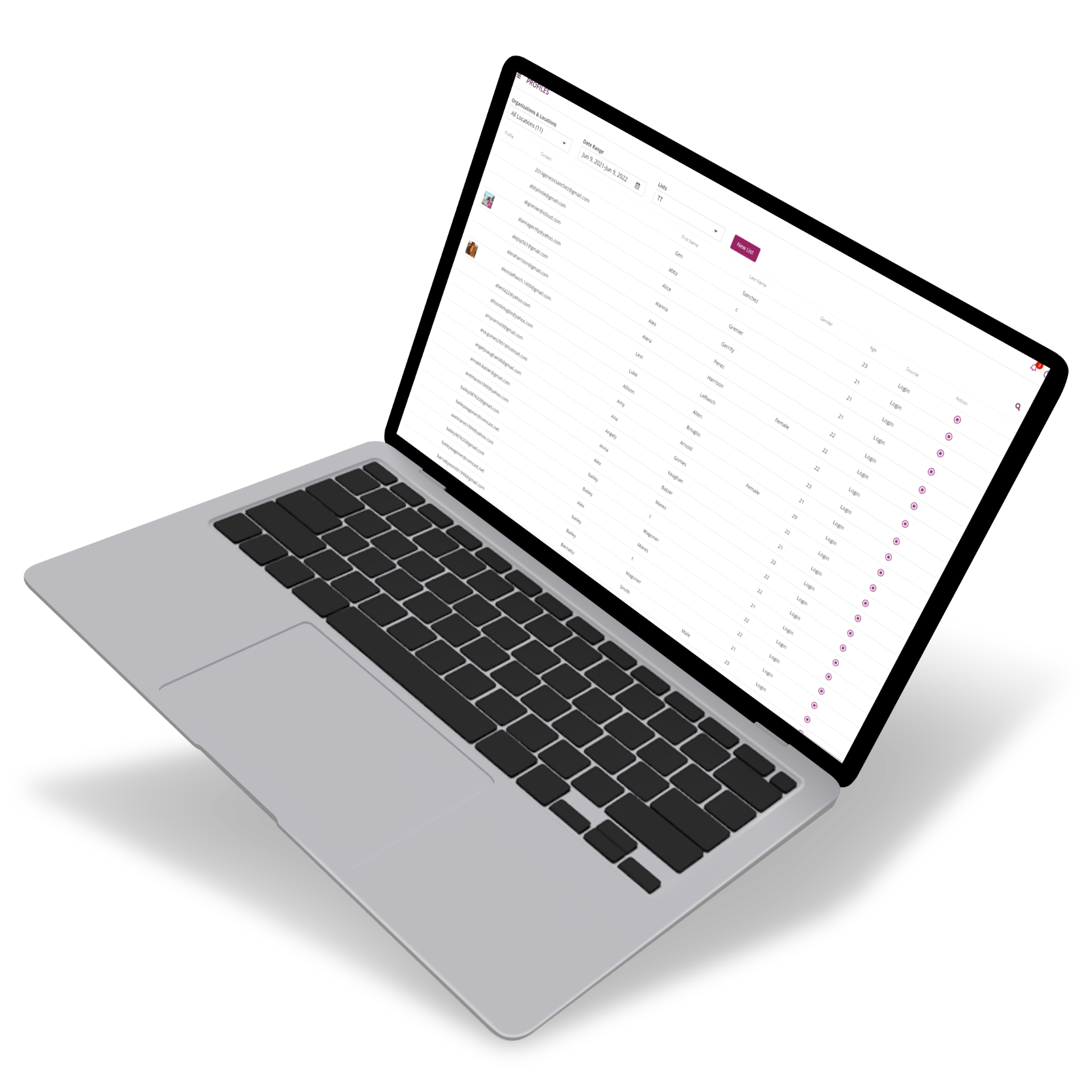
Customer data platforms like Bloom Intelligence can automate the collection of this data and combine it all into one platform to easily discover these valuable guest insights.
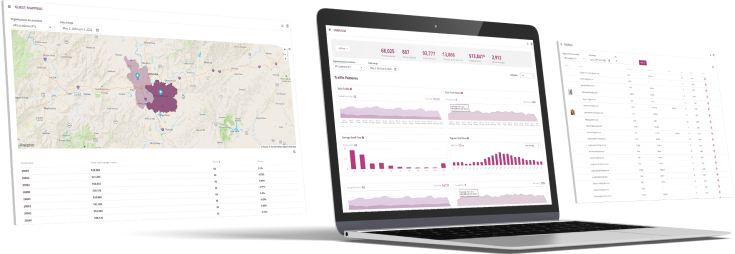
Guest data collection example for increased guest frequency

This extensive data collection enables a deeper understanding of your guests. You can identify patterns in dining habits, guest preferences, peak visiting times, and even the effectiveness of your restaurant marketing efforts.

With this knowledge, you can make informed decisions that directly cater to your guests’ desires, ultimately enhancing their dining experience and your restaurant’s profitability.

As we accumulate and analyze this vast array of data, the concept of customer segmentation comes into play. By categorizing guests based on their behavior and preferences, you can tailor your restaurant marketing strategies, service, and menu offerings to different segments.

This personalized approach not only increases guest satisfaction but also fosters loyalty.

For instance, if you identify a segment that frequently orders certain dishes, you can target them with special promotions on new menu items or invite them to exclusive tasting events.

Collecting and utilizing guest data is not just a trend, it’s the engine driving the future success of restaurants. In a world where personalization is king, understanding and catering to each guest’s unique preferences is no longer a luxury but a necessity.

Remember that the goal is to enrich the dining experience for every guest, making each visit not just a meal but a personalized experience leading to more visits and word-of-mouth promotion.

Customer Segmentation and Personalization

The ability to stand out and cultivate a loyal customer base hinges on effectively engaging guests and meeting their preferences at every interaction.

This is where the art of customer segmentation and personalization becomes vital.

By dividing guests into distinct groups based on their behaviors, preferences, and interactions with your restaurant, you have the power to tailor your services, marketing, and overall dining experience to each group’s specific needs and desires.

The Essence of Segmentation

Segmentation is crucial for various aspects of the restaurant experience. It enables targeted marketing, where promotions and event information can be specifically aligned with the interests of different customer groups.

For example, through segmentation you can identify a guest who visits once a month and send targeted messaging and promotion to increase their visit frequency to two or three times per month. If this guest spends $50 per visit, that’s an increase of $1200 – $1800 in a year from a single guest. Imagine this scenario occurring over and over every day –  all on auto-pilot.

As technology advances, customer data platforms like Bloom will even create these customer segments automatically for you. All you have to do is create the messaging that will be sent to the segment and watch the results in real time.

In addition, a customized online ordering experience can significantly elevate customer satisfaction. Understanding the ordering habits of different segments allows for tailored menu recommendations and specialized deals.

For instance, a group that frequently orders family meals might appreciate new family combo offers.

The on-site dining experience also benefits immensely from segmentation. By recognizing the preferences of different guest groups, you can offer personalized service. Staff can recommend wines to a group known for their interest in vintages, or celebrate special occasions like anniversaries for guests who have shared this information.

Improved guest experience leads to higher frequency

Implementing Personalization Across Various Interactions

Marketing efforts become more relevant and engaging when they are based on data from various customer segments. Emails, SMS, social media content, and advertising can be tailored to reflect the interests and behaviors of these different groups.

This leads to a much higher engagement rate and return on investment.

The online ordering platform can also become a tool for personalization, recommending dishes and offering specials based on a user’s past orders and preferences. This online ordering marketing approach ensures that guests feel their preferences are understood and catered to, even in a digital setting.

Personalization also extends to feedback and follow-up communications. For instance, if a segment is identified as health-conscious, feedback can be solicited specifically about healthy menu options, and these guests can be informed about new health-focused dishes.

By embracing customer segmentation and personalization, restaurants not only increase customer satisfaction but also foster a sense of loyalty.

Personalized experiences make customers feel valued and understood, encouraging repeat visits and turning them into brand advocates. Over time, this strategy leads to stronger guest relationships, increased spending, and a notable competitive edge in the marketplace.

Maximizing Guest Frequency and Spending: Strategic Steps for Restaurants

Building on the foundation laid by effective guest data collection, customer segmentation, and personalization, restaurants can now focus on concrete steps to increase both the frequency of guest visits and their spending.

These steps, rooted in the insights garnered from guest data collection, are designed to create a more engaging, personalized, and satisfying dining experience that encourages guests to return more often and spend more during each visit.

1. Implement Targeted Marketing Campaigns

Utilize the customer data and segmentation insights to create targeted marketing campaigns that speak directly to the interests and preferences of different customer groups.

For example, if a segment frequently visits later in the night, you could send them promotions for late night happy hour items or special events.

This approach ensures that each marketing communication feels relevant and personal to the recipient, increasing the likelihood of them acting on it.

2. Enhance the Online Ordering Experience

In today’s digital age, a seamless and personalized online ordering experience is crucial. Use the data collected to provide tailored recommendations and special offers that align with individual customer preferences.

This could involve suggesting their favorite dishes or recommending new items similar to their past orders. A more personalized online experience can lead to larger order sizes – and more frequent orders.

3. Personalize the On-Site Dining Experience

Train your staff to use customer data to provide a more personalized service. This could include recognizing repeat customers, remembering their favorite dishes or drinks, and making recommendations based on their past preferences.

Such personalized attention can make customers feel special and appreciated, increasing their likelihood of becoming regulars.

4. Optimize Menu Offerings

Analyze guest data to understand popular items and identify trends in preferences. Use this information to optimize your menu, introducing new items that cater to the tastes of your customer base and discontinuing those that are less popular.

A menu that resonates with your customers’ preferences is more likely to encourage repeat visits and higher spending.

5. Create Loyalty Programs

Develop restaurant loyalty programs that reward repeat customers. These programs can be segmented based on guest behavior, such as offering special rewards to those who frequently order certain items or visit during specific times.

Tailored loyalty programs not only incentivize repeat visits but also create a sense of belonging and appreciation among your customers.

6. Regularly Seek and Act on Feedback

Encourage guests to provide feedback through automated email campaigns – and act on it.

This shows that you value their opinions and are committed to improving their dining experience. Regularly updating your services and offerings based on guest feedback can lead to increased satisfaction and loyalty.

By following these steps, restaurants can create a more engaging and personalized experience for their guests, leading to increased frequency of visits and higher spending.

Each step works together to create a welcoming environment that encourages guests to return and enjoy more of what your restaurant has to offer.

A restaurant customer data platform like Bloom Intelligence can make all of this easy and effective for restaurant owners and marketers, automating targeted, segmented email marketing campaigns to increase guest engagement, improve restaurant reputation, and bring back lost guests.

Full restaurant dining room

Discover Bloom Intelligence

Bloom Intelligence is an AI-powered restaurant marketing platform that includes a powerful customer data platform, automated data collection, marketing automation, and reputation management tools.

Guest data is collected from many different sources and aggregated into one single platform, making it simple and easy to analyze and segment your restaurant’s guest personas for your restaurant digital marketing and operations decisions.

Data is collected from sources like WiFi logins, online reservation systems, online ordering platforms, POS systems, website forms, social media and more.

Bloom makes guest data collection effortless, allowing you to quickly execute the strategies listed above, saving you time, increasing customer lifetime values, attracting new guests, improving your reputation, and boosting your bottom line.

Click Here to Schedule a Free Online Demo, or call 727-877-8181 to see how we can help you save time and drive tangible results for your restaurants.



Maximize Guest Acquisition: Leverage Guest Data to Attract New Patrons

In the world of restaurants, where competition is as varied and rich as the menus, understanding and utilizing guest data can be the secret ingredient to success.

As a restaurant owner or marketer, you’re not just selling meals, you’re curating experiences, building relationships, and weaving a story that resonates with every diner.

But how do you ensure that your story reaches new eyes and ears and invites new guests to your tables?

In this digital era, data is like gold for the hospitality industry, offering invaluable insights into guest preferences, behavior, and feedback.

But harnessing this data effectively requires more than just collecting numbers and names. It demands a strategic approach that respects privacy, understands subtleties, and integrates guest insights into your marketing and operational strategies.

Here, you’ll learn how to translate this information into personalized restaurant marketing campaigns, tailor-made experiences, and a customer journey that turns first-time visitors into regulars.

Whether you’re a cozy cafe in a quaint neighborhood or a high-end restaurant in the city’s heart, understanding your current guests is key to unlocking the potential of future ones.

Learn how how to turn data into amazing guest experiences and transform your restaurant into a hub that continually welcomes new faces.

Understanding Your Guests: The Power of Data

The Significance of Collecting Guest Data

In an era where personalization is paramount, the significance of collecting guest data in the restaurant industry cannot be overstated.

This data acts as a compass, guiding restaurant owners and marketers towards understanding the preferences, behaviors, and needs of their clientele.

By collecting and analyzing guest data, restaurants can create more meaningful, engaging, and customized experiences that resonate deeply with their patrons. This not only enhances guest satisfaction but also fosters loyalty, increases net-new and repeat business, and ultimately, drives revenue growth.

Types of Data to Collect

  • POS (Point of Sale) Data: This is the goldmine of transactional information. It provides insights into popular menu items, peak dining times, average spending per guest, and more, enabling restaurants to optimize their menu and service efficiency.
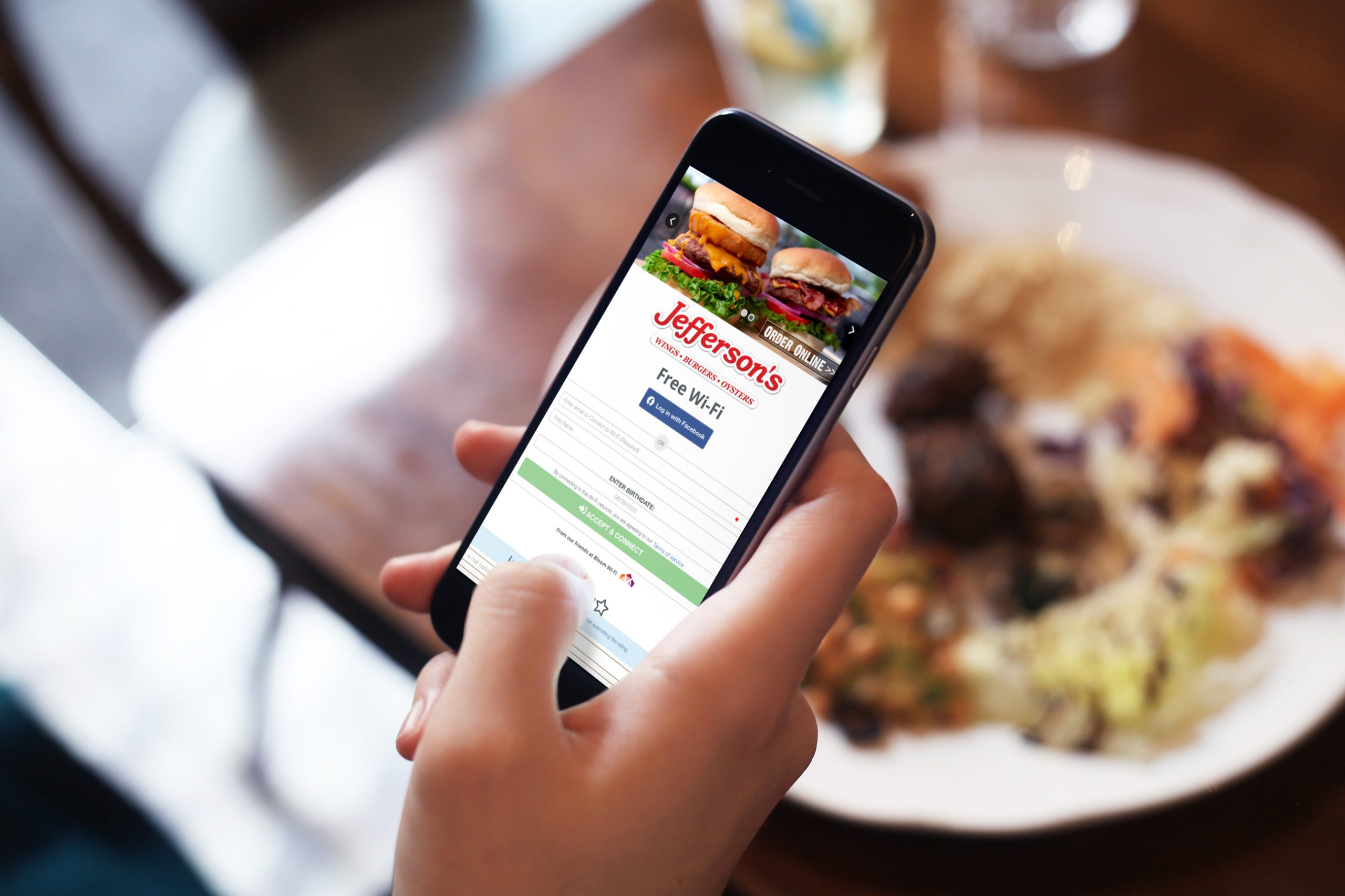
  • WiFi Analytics: Offering free WiFi can serve as a data collection tool. When guests log in, restaurants can gather information on their visit frequency, duration of stay, and even demographics for effective WiFi marketing.
  • Online Ordering Systems: With the rise of online ordering, tracking what customers order online can reveal preferences and trends that might differ from in-house dining experiences.
  • Reservations: Reservation systems can provide data on peak booking times, popular dates, and customer contact information, which is crucial for direct reservation marketing efforts.
  • Social Media Interactions: Analyzing social media engagement helps understand how guests perceive your brand. It includes tracking reviews, comments, shares, and likes, offering direct feedback and public perception.
  • Website Forms: Encouraging guests to sign up for newsletters or special offers through website forms is a great way to gather email addresses and other relevant information for personalized marketing.

Benefits of a 360-Degree View of Your Guests

Having a 360-degree view, or single customer view, of your guests means having a comprehensive understanding of their interactions with your restaurant across various touch-points. This holistic view enables you to:

  • Personalize Experiences: Tailor your service, menu, and ambiance based on customer preferences, enhancing their dining experience.
  • Improve Targeted Marketing: Use detailed customer profiles to create more effective, targeted marketing campaigns that resonate with specific customer segments.
  • Enhance Operational Efficiency: Understand peak times and customer preferences to better manage inventory, staffing, and table arrangements.
  • Develop Loyalty Programs: Create loyalty programs that truly reward frequent customers, encouraging repeat business.
  • Predict Trends: Anticipate future dining trends and customer needs, staying ahead of the competition.
  • Build Stronger Relationships: Foster a deeper connection with guests by acknowledging their preferences and previous experiences.

Leveraging guest data is not just about collecting information; it’s about transforming that information into actionable insights that elevate the entire dining experience. By doing so, restaurants can not only attract new guests but also turn occasional diners into loyal patrons.

Customer Data Platforms (CDPs): Your Data Consolidation Hub

What is a CDP and How Does it Work?

A restaurant customer data platform (CDP) like Bloom Intelligence is a centralized hub designed to collect, organize, and manage customer data from various sources. It’s a sophisticated system that offers a unified, comprehensive view of each customer by integrating data across multiple channels.

Unlike other data systems that might be siloed or limited in scope, a CDP is specifically built to handle a wide range of data types – from demographic details to behavioral insights.

At its core, a CDP works by aggregating data from different touch-points like POS systems, guest WiFi, online ordering platforms, reservation systems, social media interactions, and website forms.

It then cleans, consolidates, and organizes this data to create a single, coherent customer profile.

Integrating Multiple Data Channels into a CDP

Integrating multiple data channels into a CDP can be transformative for a restaurant’s marketing and operational strategies. The integration process involves:

  • Data Collection: Gathering data from various sources, such as POS systems, WiFi networks, online ordering platforms, and social media.
  • Data Processing: Standardizing and cleaning the collected data to ensure it is accurate and usable.
  • Data Consolidation: Combining data from all sources to create a unified view of each customer.
  • Data Activation: Utilizing the processed data for actionable insights, such as personalized marketing campaigns and targeted advertising.

Effective integration ensures that data from every guest interaction is captured and used, providing a rich and detailed view of your customer base.

Leveraging a CDP for Better Guest Insights and Personalized Marketing

Once a CDP is in place, the potential for enhanced guest insights and personalized marketing is significant:

  • Improved Guest Insights: A CDP helps you understand your guests’ preferences, behaviors, and spending patterns, allowing for more informed decision-making regarding advertising and messaging.
  • Personalized Marketing: With a comprehensive view of each customer, you can create highly targeted marketing campaigns. For instance, creating lookalike campaigns on sites like Google and Facebook to attract new guests.
  • Enhanced Guest Experience: Understanding your guests’ data enables you to tailor their experience.
  • Data-Driven Loyalty Programs: Use the rich data to design loyalty programs that truly resonate with your new and loyal guests, encouraging repeat business.
  • Predictive Analytics: CDPs can use historical data to predict future trends and guest behavior, allowing for proactive strategy adjustments.

In essence, a CDP is not just a repository of data, it’s a powerful tool that can transform raw data into meaningful, actionable insights.

By leveraging a CDP, restaurants can move beyond generic marketing and operational strategies, offering personalized experiences that delight both new and loyal guests and building lasting loyalty with higher customer lifetime values.

Digital Marketing Strategies Using Guest Data

Google and Facebook Lookalike Campaigns

Lookalike campaigns on platforms like Google and Facebook allow businesses to target new customers who share similar characteristics with their existing customers.

By analyzing the traits and behaviors of your current guest data, these platforms can identify new potential guests who are likely to be interested in your restaurant.

The benefits of this approach include higher campaign efficiency, better targeting, and ultimately, a higher return on investment for your marketing efforts.

To leverage guest data in lookalike campaigns, you first need to define the characteristics of your best customers, such as their dining habits, menu preferences, and spending patterns.

This information is then uploaded to the advertising platform, which uses it to find new prospects with similar profiles. The key is to ensure your data is accurate and representative of your most valuable guests.

Local Search Optimization and Google My Business (GMB)

For restaurants, local search optimization is crucial as it helps nearby potential customers discover your business.

When someone searches for restaurants in your area, you want your establishment to appear prominently in search results. This increases visibility and drives foot traffic.

Optimizing your Google My Business profile with guest data can significantly improve your local search presence. Use data to understand what aspects of your restaurant guests value the most, such as certain dishes or the ambiance, and highlight these in your GMB listing.

Encourage satisfied customers to leave reviews, and use their feedback to refine your profile with updated photos, menu highlights, and special offers.

Social Media Posting and Engagement

Analyzing guest data can provide insights into the type of content your audience prefers. For example, if your data shows that guests frequently order a particular dish, you might create content around that dish, such as behind-the-scenes preparation videos or customer testimonials.

This approach ensures your content resonates with your audience, increasing engagement and reach.

Engaging with your audience on social media isn’t just about posting content; it’s about creating a community. Respond promptly to comments and messages to build relationships.

Use guest data to identify topics that interest your audience, and create interactive content like polls or Q&A sessions.

Showcasing customer experiences, like featuring a “guest of the week” or sharing user-generated content, can also deepen engagement and attract new guests.

Implementing Your Strategy

Steps to Start Using Guest Data for Your Restaurant

Embarking on a journey to utilize guest data effectively in your restaurant begins with a systematic approach to data collection and organization. This involves gathering data from various touch-points, such as POS systems, online ordering, and guest WiFi.

Once collected, this data needs to be meticulously organized utilizing a CDP for optimal management.

The next crucial step is data analysis, where understanding guest preferences, behavior patterns, and demographics becomes key. Insights gleaned from this analysis are pivotal in informing both your marketing strategies and operational decisions.

Developing a tailored strategy is where the real magic happens. It’s about creating a unique approach that resonates with your potential patrons, which could include personalized email campaigns, specific social media strategies, or creating loyalty programs that genuinely appeal to your patrons.

Implementing these strategies goes hand in hand with integrating your newfound insights into various marketing channels. This step is about ensuring that your guest data informs and enhances your digital advertising, content creation, and overall online presence.

Tools and Resources Needed

The journey from data to dining excellence requires specific tools and resources. Key among them is a robust Customer Data Platform, which acts as the backbone of your data management and analysis efforts.

Additionally, your arsenal should include a suite of digital marketing tools to manage and monitor your campaigns across platforms like Google Ads, Facebook Ads Manager, and an email marketing platform.

Analytics tools like Bloom Intelligence are indispensable in this process, providing insights into the performance of your website and social media channels.

Last but not least, your team is your most valuable resource. Providing them with adequate training resources to understand and apply data insights is crucial for a seamless implementation of your strategy.

Measuring the Success of Your Data-Driven Marketing Efforts

The success of your data-driven marketing efforts is measured not just in increased footfall or revenue but in how well you meet your set Key Performance Indicators (KPIs).

These KPIs could range from customer acquisition costs and conversion rates to average order values and customer retention rates.

Regularly reviewing and analyzing the performance of your marketing campaigns against these KPIs is essential. Tools like Bloom come in handy here, helping you delve into footfall traffic, conversion rates, and other relevant metrics.

However, the cycle of improvement is never complete without feedback and adjustments. Actively collecting guest feedback and using this valuable input to refine your strategies is a critical aspect of the process.

Be prepared to pivot and make adjustments based on the insights your data provides.

Finally, a thorough ROI analysis will not only gauge the financial effectiveness of your campaigns but also guide your budgeting decisions, ensuring that your marketing spend is as effective and efficient as possible.

In Conclusion

The journey of transforming guest data into a powerhouse for attracting new guests and delighting existing ones is both an art and a science.

For restaurant owners and marketers, this journey begins with the meticulous collection and analysis of data, encompassing everything from dining preferences to social media interactions.

By harnessing the power of Customer Data Platforms, Google and Facebook lookalike campaigns, local search optimization, and tailored social media strategies, restaurants can not only enhance their visibility but also forge deeper, more meaningful connections with their guests.

Implementing these strategies requires a thoughtful blend of technology, insight, and creativity. Tools like Bloom’s CDP are the instruments, but it is the human touch—the understanding of guests’ desires and the crafting of experiences that resonate with them—that truly brings this data to life.

However, the true measure of success in these endeavors lies in the continuous cycle of feedback, adjustment, and improvement. Regularly assessing the effectiveness of your data-driven strategies through KPIs and ROI analysis ensures that your efforts are not just a one-off campaign but a sustained drive towards excellence.

As the restaurant industry continues to evolve in an increasingly digital world, the ability to adapt and leverage guest data will become more crucial than ever.

It’s not just about attracting new guests, it’s about creating a community of patrons who feel valued, understood, and eager to return. By embracing the insights that guest data provides, restaurants can craft not just meals, but memorable experiences, building a loyal customer base that thrives on both familiarity and innovation.

Discover Bloom Intelligence

Bloom Intelligence is an AI-powered restaurant marketing platform that includes a powerful customer data platform, automated data collection, marketing automation, and reputation management tools.

Guest data is collected from many different sources and aggregated into one single platform, making it simple and easy to analyze and segment your restaurant’s guest personas for your restaurant digital marketing.

Data is collected from sources like WiFi logins, online reservation systems, online ordering platforms, POS systems, website forms, social media and more.

Bloom makes guest data collection effortless, allowing you to quickly execute the strategies listed above, saving you time, increasing customer lifetime values, attracting new guests, improving your reputation, and boosting your bottom line.

Click Here to Schedule a Free Online Demo, or call 727-877-8181 to see how we can help you save time and drive tangible results for your restaurants.


Maximize Your Revenue: The Secret to Re-engaging Lost Guests

Are you concerned about losing your restaurant guests to your competition? In times of dwindling consumer spending, it is vital to keep your patrons coming back for more.

For the discerning restaurant owner, the loyalty of your guests is the cornerstone of your success. Ensuring that every diner, from the regulars to the first-timers, leaves with the intent to return, is critical.

However, the reality of unvoiced dissatisfaction can lead to a gradual erosion of your customer base, a detail that can easily go unnoticed amidst the hustle of a successful service.

Envision a bustling evening at your venue: the team is in perfect sync and you’re personally ensuring that the diners’ experiences are up to par.

Yet, an unaddressed issue, such as an overcooked steak at a single table, can result in a guest deciding to leave quietly and not return.

This scenario, seemingly insignificant on a busy night, can compound over time.

Consider the cumulative effect of losing one patron each day over a year — if your dining room seats 365 guests, that’s an entire dining room that could have ramped up revenue and improved your customer lifetime values.

It equates to a significant number of lost opportunities for repeat business and word-of-mouth promotion, which are invaluable to your establishment – not to mention the direct revenue loss.

As an owner, recognizing the gravity of these silent departures and taking proactive steps to capture feedback and rectify issues promptly is essential.

It’s not just about preserving the present ambiance but also about securing the future prosperity of your restaurant.

Re-engaging Lost Guests

How to Identify Churning Guests

To effectively re-engage guests who have drifted away from your restaurant, a strategic approach is essential, especially in an industry where personal recognition of every patron is virtually impossible.

For businesses like eCommerce or subscription services, tracking customer churn is a straightforward process involving simple data analysis.

Restaurants, however, face a unique challenge. The transient nature of diners, including local regulars, occasional visitors, and tourists, makes it difficult to track individual patron visits and build lasting loyalty.

Relying on traditional methods to gauge customer churn often leads to imprecise results for restaurants.

This is where solutions like a restaurant customer data platform become invaluable.

By leveraging today’s technology, you can accurately track, analyze, and understand your guests’ behaviors, transforming this data into actionable strategies to win back lost guests and foster enduring relationships.

Attracting lost guests back to your restaurant requires more than just a great menu, ambiance, and service. It demands a deep understanding of guest behaviors and patterns.

Bloom Intelligence provides a robust solution, harnessing data from sources like your guest WiFi access and online ordering system, to bring this insight directly to you.

Even without guests logging into your WiFi, Bloom Intelligence can detect their presence simply by their proximity to your WiFi network. These capabilities enable you to track both on-site and online guest visits with precision, giving you a clear picture of guest frequency and patterns.

Using WiFi access to re-engage lost guests

With Bloom’s advanced analytics, you gain access to key performance indicators that paint a detailed picture of your guests’ behaviors. This includes tracking how often they visit and any changes in their visiting patterns.

The platform translates this complex data into straightforward graphical representations, making it easy to understand and act upon.

A critical metric provided by Bloom is the trend analysis of your churn rate. Bloom’s intelligent algorithms assess each guest’s visit frequency, both individually and collectively, to calculate the likelihood of their return within a specific timeframe.

When a guest is predicted to be at risk of churning – not returning within the expected timeframe – you are empowered to take action.

Bloom’s automated marketing suite enables you to design and automatically deploy tailored campaigns, targeting these at-risk guests with incentives that encourage them to revisit your restaurant and re-establish their loyalty.

This proactive approach turns data into a powerful tool for re-engaging lost guests, ensuring the continued success and growth of your establishment, even with dwindling consumer spending.

Waiter Re-engage lost guests

Taking Action With Churning Guests

Revitalizing your customer base and enticing guests back to your restaurant can be as simple as crafting a compelling message, possibly offering an incentive like a complimentary drink or appetizer.

When a guest is identified as potentially drifting away, the system automatically dispatches your personalized message to them.

This strategy has been successfully adopted by restaurant owners using Bloom nationwide, yielding significant growth and retention results.

Take, for example, a restaurant chain in Florida. By implementing an at-risk guest campaign, they have remarkably welcomed back almost 38% of these guests. Moreover, they experienced a consistent decrease in their attrition rate since the campaign’s inception.

For a detailed insight into this success story and to understand the diverse range of campaigns that Bloom’s platform can facilitate, you are encouraged to download and review the full report.

This showcases just a fraction of the potential that Bloom’s targeted, intelligent marketing strategies can unlock for your restaurant.

Guide to winning back lost guests

In Conclusion

Harnessing the power of data-driven platforms like Bloom Intelligence is more than a technological advancement for restaurants, it’s a transformative approach to guest retention and business growth.

By effectively identifying and re-engaging guests at risk of churning, restaurant owners can not only recover potentially lost revenue but also strengthen the loyalty of their customer base.

The success stories from various restaurants across the country underscore the significant impact of targeted, automated marketing campaigns in bringing back lost guests.

Implementing these strategies, backed by insightful data and intelligent analytics, positions restaurants to not only thrive in a competitive market but also to build a foundation of loyal patrons who feel valued and understood.

This approach is not just about salvaging lost opportunities – it’s about creating a sustainable and flourishing business model that resonates with the needs and preferences of every guest who walks through your doors.

Discover Bloom Intelligence

Bloom Intelligence is an AI-powered restaurant marketing platform that includes a powerful customer data platform, automated data collection, marketing automation, and reputation management tools.

Guest data is collected from many different sources and aggregated into one single platform, making it simple and easy to analyze and segment your restaurant’s guest personas for your restaurant digital marketing.

Data is collected from sources like WiFi logins, online reservation systems, online ordering platforms, POS systems, website forms, social media and more.

Bloom makes guest data collection effortless, allowing you to quickly execute the strategies listed above, saving you time, increasing customer lifetime values, attracting new guests, improving your reputation, and boosting your bottom line.

Click Here to Schedule a Free Online Demo, or call 727-877-8181 to see how we can help you save time and drive tangible results for your restaurants.


Maximize Your Marketing ROI: Harnessing Guest Data for Optimal Impact

WiFi Landing Page Tips

In the hospitality industry, particularly in the restaurant sector, understanding and connecting with your guests is the cornerstone of success.

As the restaurant industry evolves with technology, the ways in which establishments can interact with and understand their guests have expanded. Capturing guest data is no longer a simple sign-up sheet at the counter.

Instead, modern restaurants use a combination of tech-savvy methods to gain insights into their customer base.

Here, we explore various channels through which restaurants can collect guest data and how to leverage this information for segmented  targeted restaurant marketing campaigns that drive higher ROI and ultimately, more revenue.

guest data for restaurant marketing

Collecting Guest Data

Collecting guest data is integral for businesses aiming to personalize their offerings and enhance guest experiences.

Various methods can be employed to gather this invaluable information, however the simplest way is to utilize the power of a restaurant customer data platform (CDP) that can gather the data automatically and aggregate it into one easy platform.

Using a CDP, you can gather rich, clean guest data in these various ways:

WiFi Logins

Offering free WiFi is now a standard in many restaurants. A login page, also known as a captive portal, can request basic contact information, such as an email address, which then can be used to send marketing communications. Additionally, WiFi systems can often track the frequency of visits, allowing restaurants to identify and reward regulars while discovering their churned guests.

Online Ordering Platforms

When customers place orders through an online system, restaurants can record their menu preferences, ordering patterns, and typical spend. This data is a goldmine for creating personalized offers and understanding which dishes are hits.

Online Reservations Platforms

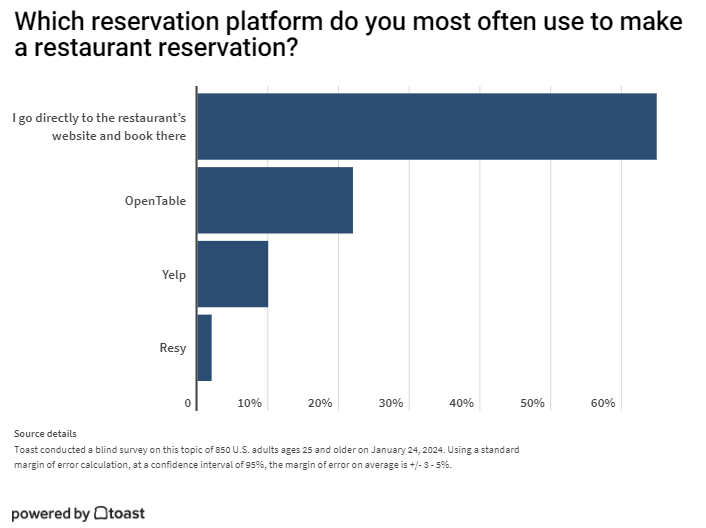
Reservation systems like OpenTable provide insights into dining habits, special occasions, and even guest feedback. They also make it easier to remember guest preferences for future visits, creating a personalized experience that encourages loyalty.

Website Forms

By incorporating forms for newsletter sign-ups, contact inquiries, or even blog subscriptions, restaurants can gather a variety of data points including name, email, and interests.

POS Systems

Modern Point-of-Sale systems are more than just cash registers. They are comprehensive data collection tools that track sales patterns, item popularity, peak times, and individual guest spending habits.

Loyalty Programs

Loyalty programs can track what guests buy, how often they visit, and what promotions they redeem. This information is critical in tailoring loyalty rewards that resonate with guest preferences.

guest data sources for restaurant marketing

Harnessing Guest Data for Targeted Marketing Campaigns

In today’s digital age, generic marketing campaigns often fall on deaf ears. The consumers of today, more informed and discerning than ever, gravitate towards brands that recognize and cater to their individual preferences.

For restaurants, guest data stands as a powerful tool in designing marketing campaigns that genuinely resonate. Here’s how restaurants can harness this data for more precise and impactful outreach.

Understanding the Customer Profile

Before launching any campaign, it’s crucial to understand who your customers are. Guest data can reveal:

  • Demographic Information: Age, gender, location, etc.
  • Behavioral Insights: Peak dining times, reservation habits, or feedback.
  • Contact Information: names, email addresses, phone numbers.

With this composite profile, restaurants can craft campaigns that appeal directly to their core audience’s characteristics and preferences.

Guest data, when used strategically, can transform marketing campaigns from broad-strokes to finely-tuned works of art. It bridges the gap between restaurants and their patrons, fostering loyalty, increasing engagement, and ultimately driving business growth.

By understanding and acting on guest data, restaurants can navigate the competitive landscape with agility and precision, ensuring their messages hit the mark every time.

Customer Segmentation

Once you’ve gathered a sufficient amount of guest data, the next step is segmentation. This involves dividing your customer base into distinct categories based on shared characteristics.

These categorized groups are often referred to as customer segments or buyer personas. Equipped with this insight, you can design marketing campaigns that are meticulously tailored to align with the unique characteristics of each segment.

The act of dividing a customer base into specific clusters based on shared demographics or behavior patterns is termed customer segmentation.

This data serves as a roadmap for restaurant marketers, aiding in the creation or refinement of marketing initiatives, ensuring a personalized guest experience both online and in physical locations.

Furthermore, this data is instrumental in evaluating the potential success of new offerings, be it services, products, or menu additions, before they’re introduced to the public.

Tapping into these advantages can amplify ROI and bolster your overall profitability long term.

ROI Improvement through Segmentation and Personalization

Why should you segment your customer base? The answer is simple.

Segmented, targeted marketing is much more effective in terms of engagement and ROI. Here are some examples:

  • An article from CMO.com stated that targeted advertisements are, on average, almost twice as effective as non-targeted ads.
  • eConsultancy.com reported that 74% of marketers say targeted personalization increases guest engagement.
  • In a study by The Direct Marketing Association, segmented and targeted emails generated 58% of all marketing revenue. And 77% of ROI comes from segmented, targeted, and triggered campaigns.

The major benefit of executing targeted personalized marketing campaigns is that you are sending your message to guests who are more likely to engage and respond.

With the ability to collect guest data like contact information, demographics, physical behavior, guest ratings, purchasing habits, and other targeted information, you can deliver this type of highly effective messaging to help your business grow.

The ultimate goal of collecting guest data is to improve ROI by driving more business and enhancing the guest experience. By segmenting and personalizing your marketing campaigns:

  • Higher Engagement: Personalized emails have been shown to have higher open and click-through rates than generic ones.
  • Increased Loyalty: Recognizing and rewarding a guest’s preferences can foster loyalty and repeat business.
  • Efficient Spending: Instead of blanket marketing campaigns, targeted efforts ensure that marketing dollars are spent more efficiently, reaching those most likely to convert.
  • Enhanced Experience: By understanding and catering to individual preferences, restaurants can provide an unmatched dining experience, leading to positive reviews and word-of-mouth referrals.

When you use customer segmentation and launch targeted marketing campaigns, your guests recognize the personal touch in your communication.

Modern customers demand personalized advertising, marketing, and messaging. When they experience this personal touch, their engagement rises, strengthening their loyalty to your brand.

As customers connect with your tailored message and engage more, they’re much more likely to revisit your store.

Bloom Intelligence provides an affordable yet potent solution for this. If you aim to foster greater guest loyalty and expand your business, then Bloom Intelligence’s restaurant marketing platform is the answer you need.

guest data for restaurant marketing

Discover Bloom Intelligence

Bloom Intelligence is an AI-powered restaurant marketing platform that includes a powerful customer data platform, automated data collection, marketing automation, and reputation management tools.

Guest data is collected from many different sources and aggregated into one single platform, making it simple and easy to analyze and segment your restaurant’s guest personas for your restaurant digital marketing.

Data is collected from sources like WiFi logins, online reservation systems, online ordering platforms, POS systems, website forms, social media and more.

Bloom makes guest data collection effortless, allowing you to quickly execute the strategies listed above, saving you time, increasing customer lifetime values, attracting new guests, improving your reputation, and boosting your bottom line.

Click Here to Schedule a Free Online Demo, or call 727-877-8181 to see how we can help you save time and drive tangible results for your restaurants.


Restaurant Digital Marketing: Using CDPs to Increase Revenue and ROI

In today’s digital-first landscape, a patron’s quest for the perfect dining spot often starts with a simple online search rather than a walk down the street. This shift shows how deeply intertwined the restaurant industry has become with digital marketing.

If you are struggling to find guests and keep them coming back, restaurant digital marketing can be the difference between empty seats and a bustling service.

Consumer spending is uncertain, and digital marketing along with a solid strategy and a customer data platform can give you the life to keep seats full and revenue flowing.

As they navigate through a sea of images, ratings, and reviews, potential diners are influenced not just by the promise of good food but by the digital prowess of restaurants.

restaurant digital marketing reaches potential patron

The Value of Restaurant Digital Marketing and a CDP

The value of restaurant digital marketing is easily demonstrated in the tangible return on investment (ROI) it offers.

By strategically utilizing digital and online platforms, restaurants can not only enhance their guest acquisition rates but also fortify guest retention, ensuring that diners keep coming back for more and that revenue continues to grow – even when consumer spending is low.

The fusion of compelling online marketing strategies with traditional guest experience underscores the dynamic future of the industry, where every click, share, or action translates to tables filled and memories made.

The first touchpoint with potential patrons for many restaurants is often their online presence on user-friendly websites and with enticing social media posts.

An establishment’s digital facade, from the user interface of their booking system to the Instagrammability of their dishes, has a direct impact on guest acquisition and retention. Every click, share, online order, reservation, and purchase offers measurable data, presenting a clear picture of digital marketing’s ROI.

The precision afforded by digital marketing is another of its strong suits. Restaurants can craft targeted advertising campaigns, focusing on specific demographics or even individual user behaviors.

Whether it’s introducing a new menu item or advertising a holiday special, these promotions and advertisements can resonate deeply with their target audience, ensuring optimal returns on marketing spend.

Beyond advertising, the digital realm offers restaurants the tools to foster deeper connections with their patrons. Personalized offers, loyalty programs, and event invitations, all driven by real-time data analytics, can transform a one-time diner into a lifelong fan.

Then there’s the power of social media. A well-captured image of a beautiful dish can go viral, turning a restaurant into an overnight sensation. As patrons share their experiences, they become brand ambassadors, offering restaurants organic advertising that’s both authentic and extremely effective.

In essence, the fusion of a great guest experience with savvy online strategies creates a recipe for success. For restaurants, understanding and leveraging the value and ROI of restaurant digital marketing is no longer just an advantage, it’s a necessity.

With the ongoing shift towards online platforms and the importance of personalized guest experiences and guest data collection, Customer Data Platforms (CDPs) have emerged as a game-changer.

Here’s how CDPs can enhance and improve ROI in restaurant digital marketing, with a primary focus on adding value, guest experience, and improved revenue.

What is a Customer Data Platform (CDP)?

Before diving into its advantages, it’s essential to understand what a CDP is. A restaurant customer data platform is software that collects, aggregates, and organizes customer data from various sources into a unified database.

Guest data can be collected from many different channels, including WiFi logins, reservation and online ordering platforms, POS systems, website forms, social media, and other sources. Then, valuable and comprehensive customer profiles are created for each of these guests.

By doing so, businesses can get a 360-degree view of their patrons, enabling them to craft personalized, targeted marketing strategies that engage guests and provide much higher ROI.

restaurant digital marketing platform example

How CDPs Enhance Restaurant Digital Marketing

  • Personalized Marketing Campaigns: One of the primary advantages of CDPs is the personalization they bring. Based on the data collected, restaurants can send targeted messaging offering discounts on favorite dishes, birthday specials, or incentives on days when a customer typically orders. Such campaigns show guests that the brand recognizes and values them, leading to increased loyalty and repeat business.
  • Better Understanding of the Guest: With the amount of guest behavior and demographic data collected, you will have a full 360-degree view of your guests. This allows you to understand their behaviors, wants, and desires allowing you to ideate and craft more effective digital marketing campaigns.
  • Improved Customer Segmentation: CDPs allow restaurants to segment their customer base more effectively. Whether it’s frequent diners, occasional visitors, younger guests, or those who prefer to visit at lunchtime, CDPs can segment these groups efficiently. This refined segmentation ensures that marketing campaigns are more effective, addressing the unique needs and preferences of each segment.
  • Enhanced Customer Journey Mapping: With CDPs, restaurants can track a customer’s journey, right from the moment they visit the website, write an online review, place an order, or provide feedback. This end-to-end mapping provides insights into the areas where the guest experience can be enhanced, directly affecting ROI.
  • Optimized Ad Spend: By understanding which channels drive the most traffic and which campaigns resonate with guests, restaurants can allocate their digital marketing budget more efficiently. This ensures that every dollar spent yields the maximum return, be it through social media ads, search engine marketing, or affiliate partnerships.
  • Real-time Data Analysis: The modern diner’s preferences change rapidly. CDPs offer real-time data analysis, enabling restaurants to adapt their marketing strategies swiftly. Whether it’s capitalizing on a new food trend or adjusting strategies based on feedback, real-time data ensures that restaurants remain agile and customer-centric, again leading to a more positive guest experience and higher customer lifetime values.
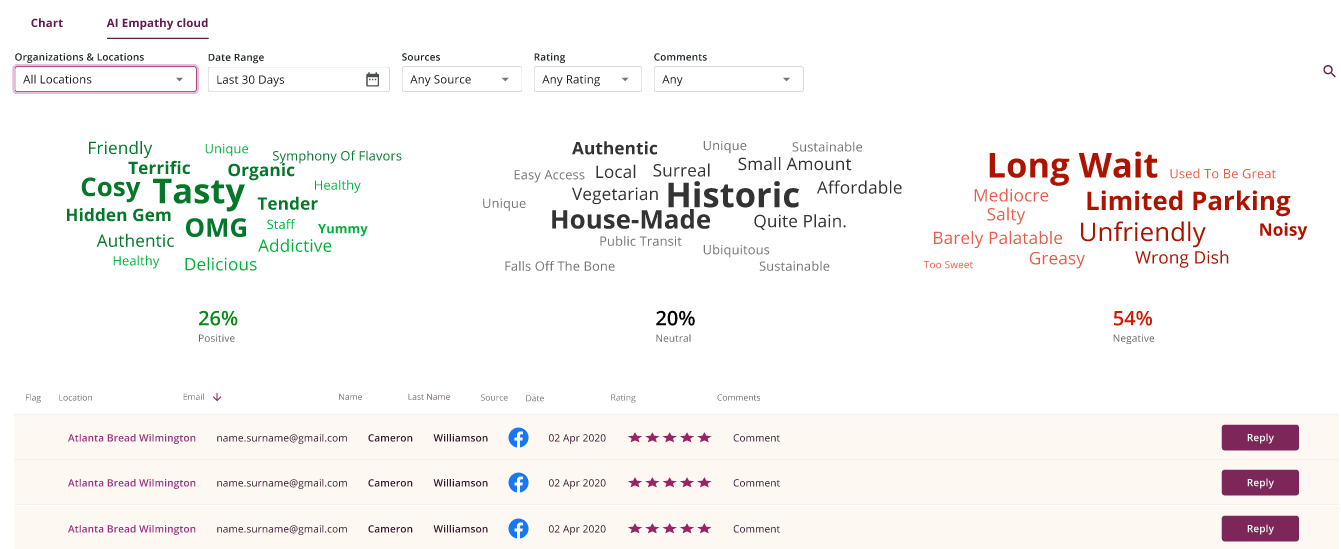
  • Discover Customer Sentiment: CDPs like Bloom Intelligence can gather guest feedback directly through automated email campaigns, or by aggregating reviews from sites like Google, Yelp, Facebook, and TripAdvisor in real time. Then it shows you customer sentiment in an easy-to-understand sentiment cloud, allowing you to make smarter, data-based, more profitable marketing and operations decisions.

restaurant customer sentiment cloud

The Bottom Line: Value and Improved Revenue

With personalized campaigns, better segmentation, and real-time insights, CDPs directly impact a restaurant’s bottom line. They help ensure:

  • Increased Customer Loyalty: By recognizing and valuing customer preferences, restaurants foster stronger relationships, leading to increased loyalty. Loyal guests not only visit more often but also act as brand advocates, bringing in new patrons.
  • Higher Conversion Rates: Personalized campaigns, based on accurate data, resonate better with guests, leading to higher conversion rates, whether it’s table reservations, online orders, or event bookings.
  • Maximized Ad Efficiency: Optimized ad spending means every marketing dollar brings a better return, improving the overall ROI.

In conclusion, in the competitive landscape of the restaurant industry, where customer preferences are ever-evolving, CDPs provide a powerful edge. By leveraging the power of data, restaurants can craft restaurant marketing strategies that resonate, build loyalty, and ultimately, drive more revenue.

As restaurant digital marketing continues to dominate, the integration of CDPs is not just a good-to-have but a must-have for any restaurant aiming for solid growth and sustainability.

Discover Bloom Intelligence

Bloom Intelligence is an AI-powered restaurant marketing platform that includes a powerful customer data platform, automated data collection, marketing automation, and reputation management tools.

Guest data is collected from many different sources and aggregated into one single platform, making it simple and easy to analyze and segment your restaurant’s guest personas for your restaurant digital marketing.

Data is collected from sources like WiFi logins, online reservation systems, online ordering platforms, POS systems, website forms, social media and more.

Bloom makes guest data collection effortless, allowing you to quickly execute the strategies listed above, saving you time, increasing customer lifetime values, attracting new guests, improving your reputation, and boosting your bottom line.

Click Here to Schedule a Free Online Demo, or call 727-877-8181 to see how we can help you save time and drive tangible results for your restaurants.

Restaurant List Building For Effective Restaurant Marketing

While the significance of email marketing remains undeniable, savvy restaurateurs recognize that restaurant list building extends far beyond just collecting emails. Enter the era of SMS marketing, online advertising, and the power of a comprehensive customer database.

But why is there an increasing emphasis on expanding beyond traditional email lists?

The answer lies in the depth and breadth of guest insights that are now available. Collecting guest data from many sources offers a 360-degree view of your guests.

This isn’t merely about having names and contact details. It’s about building robust customer profiles. It’s about understanding dining preferences, frequency of visits, favored dishes, online and offline behaviors, and even special occasions celebrated at your establishment.

When leveraged correctly, these insights can pave the way for genuinely personalized messaging that improves engagement and maximizes profitability.

If you are concerned about dwindling consumer spending, the time to start is now. Why?

According to a study by Litmus, email marketing, on average, provides a $36 profit for every $1 spent. Of course, this will vary depending on the campaign, but email continues to provide fantastic ROI for restaurant marketers.

Moreover, email remains one of the least expensive forms of marketing available today.

Regarding SMS marketing, 51% of consumers tend to purchase when they get an SMS containing an advertisement, discount voucher, or QR code. SMS promotions with visuals and multimedia have better conversion rates. Moreover, 33% of consumers are indifferent to the type of SMS, provided its content resonates with their interests, according to the Attentive Mobile Consumer Report.

Imagine sending a tailored SMS offering a special discount on a diner’s favorite dish on their birthday or an online ad suggesting new menu items based on their previous orders. This level of customization not only boosts engagement but also significantly enhances the ROI for your marketing efforts.

For restaurateurs, the benefits are manifold. A comprehensive customer database becomes a goldmine of opportunities. It fosters loyalty, drives repeat business, and positions your establishment at the forefront of the customer’s mind.

In an industry where competition is fierce and customer preferences evolve rapidly, having this depth of insight can be the very edge that differentiates a thriving restaurant from a struggling one.

If you still rely solely on email marketing, it’s time to broaden your horizons. Dive into the world of holistic restaurant list building and discover the immense value it can bring to your establishment’s marketing endeavors.

restaurant list building for marketing engagement

Why List Building is Important to a Restaurant Success

Before diving into the various list-building methods, it’s crucial to grasp their inherent importance for businesses, particularly restaurants.

In an age where guest data is considered the new gold, restaurants have a unique opportunity to tap into an immense treasure trove of information. The secret? Collecting guest data from all the sources of your guest data to create rich, comprehensive customer profiles.

Every interaction, be it a reservation or order made online, a review, a login to your guest WiFi, or feedback given post-dining, can provide a unique data point. When combined, these data present a detailed picture of each guest, revealing not just their dining preferences but also their behavior, demographics, and means of communication, such as phone, email, and social media accounts.

But why is this level of detail so important?

With such an in-depth understanding of each guest, restaurants can tailor messaging to resonate deeply with individuals, ensuring that communications are not just seen but are also acted upon.

By addressing the specific tastes, past experiences, and preferences of a diner, restaurants can stand out among the noise of generic promotions and offers.

Moreover, this level of data enables intelligent segmentation. Imagine being able to group your guests based on specific behavior, like those who only visit at lunchtime, or demographics such as females over 21 years old. The possibilities are endless and, more importantly, effective and easy if you use the right tools.

The outcome? Higher engagement, loyalty, and a notable boost in ROI.

Constructing and meticulously maintaining a robust list of contacts offers many other advantages, including:

  • Targeted Promotions and Announcements: A comprehensive list allows restaurants to fine-tune their marketing efforts. Instead of casting a wide and often ineffective net with generic advertisements, restaurants can design promotions that cater to specific segments of their audience.
  • Direct Communication with Guests, Fostering Loyalty: A direct line of communication, such as an email, feels more personal than broad-spectrum advertisements. When guests receive messages directly in their inboxes, especially if they are tailored to their preferences, it establishes a sense of recognition and value. This direct engagement can significantly enhance customer loyalty, making patrons feel connected and valued by the establishment.
  • Driving Traffic During Slow Periods Through Tailored Offers: Every restaurant faces off-peak times, weekday afternoons, or specific seasons. With a well-segmented list, restaurants can craft special offers targeted to encourage visits during these slower periods. For example, an exclusive weekday lunch deal can be promoted to lunchtime visitors, thereby boosting foot traffic whenever it’s typically low.
  • Providing Insights into Guest Preferences and Behaviors: Beyond the immediate benefits of promotion and communication, a comprehensive list becomes a treasure trove of data. By analyzing order histories, engagement rates with past emails, and feedback, restaurants can glean valuable insights into what their patrons truly desire. This knowledge can guide menu alterations, event planning, and even operational changes, ensuring that the restaurant continually evolves in alignment with its patrons’ preferences.

restaurant owner checking email list

Collecting Guest Information

In restaurant marketing, the depth and breadth of your guest data can substantially influence the effectiveness of your campaigns.

The more diverse and innovative your information-gathering techniques, the more enriched and holistic your database becomes. Here are some of the most potent avenues that restaurants can leverage:

  • WiFi Logins: Offering complimentary WiFi has become almost a standard in many eateries, catering to the modern guest’s desire to stay connected. Capitalizing on this service, restaurants can request patrons to provide their email addresses or even log in using their social media accounts to access the WiFi. This strategy not only ensures the collection of genuine data but also integrates this collection process unobtrusively into a service that patrons readily utilize.
  • Reservations: The reservation process, whether via a phone call or an online system, almost invariably requires patrons to furnish their email addresses or contact numbers. Such data is a trove of potential insights and opportunities. When this data from reservations is synergized with a robust customer relationship management (CRM) system, restaurants can track visit frequencies, preferred dining times, and even specific seating preferences, paving the way for hyper-personalized marketing strategies.
  • Online Ordering: The surge in online food ordering, whether directly through a restaurant’s website or third-party aggregators, presents an unparalleled opportunity for data collection and online ordering marketing. Beyond the basic contact information, online ordering platforms often store a customer’s order history. This history provides insights into dietary preferences, favorite dishes, and spending habits – all invaluable data points for crafting bespoke promotions.
  • Point of Sale (POS) Systems: The technological evolution of POS systems has transformed them from mere transactional tools to comprehensive data collection hubs. Modern POS systems have features prompting the staff to ask for an email address at checkout. Moreover, many of these systems can seamlessly integrate with other data repositories, ensuring a centralized and cohesive data collection mechanism.
  • Websites: A restaurant’s website serves as its digital front porch and is often the first point of contact for many potential customers. Leveraging this platform, restaurants can entice visitors to subscribe to newsletters or sign up for special promotional offers. Utilizing strategically placed pop-ups or embedding sign-up forms at key website locations can exponentially increase the number of sign-ups, thus expanding the restaurant’s reach.
  • Social Media: Your social media accounts are a powerful way to solicit more guest information. You can promote contests or raffles for free or advertise a special deal or perk exclusively for those who sign up.
  • QR Codes: QR codes have skyrocketed in popularity. Place QR codes on your website or social media platforms or on tabletop tents. Have the codes lead patrons to a landing page where they can fill out a form to receive an offer, participate in a raffle for a prize, or join your loyalty program.
  • Online Feedback Forms: Place a form on your website where guests can give feedback about their recent visit or online order. Link to the page from your website’s menu or home page, and promote it on social media. Not only will you be gathering even more guest data, but you will also be receiving authentic guest sentiment, allowing you to reinforce the good and take action on the bad. This will improve the guest experience, leading to higher lifetime values and more revenue.
  • The Old-Fashioned Fishbowl: Place a fishbowl close to your entryway or POS where guests can drop in their business cards and then regularly draw one card for a special prize. At the end of each drawing, gather all the cards and enter the data into your customer database.

No matter which data collection methods you choose, remember that the more diverse your collection channels are, the more valuable and detailed information you can get from your guests. This will lead to much more personalized messaging, more engagement, happier patrons, and a higher ROI.

Having explored the various methods of collecting guest data, it’s essential to consider the next strategic step: streamlining and optimizing this process.

Enter the restaurant customer data platform. This powerful tool not only automates guest data collection but also aggregates guest behavior from these platforms, enabling restaurants to segment and personalize their audience.

With such capabilities at your fingertips, automating and enhancing your restaurant marketing becomes a seamless endeavor, ensuring you reach your patrons in the most effective and personalized manner.


restaurant list building via WiFi login


Harnessing the Power of Restaurant Customer Data Platforms

As discussed above, restaurants can access a wealth of guest data from WiFi logins, reservation systems, loyalty programs, online ordering, social media, and more. However, managing data from these scattered platforms can be challenging. That’s where a restaurant customer data platform (CDP) comes into play.

A restaurant CDP collects and compiles guest data from various sources into one central database. This process makes handling data easier by removing the need for manual transfers, cutting down errors, and data cleaning, and can automatically segment your data into audiences.

With all your data in one place, restaurant owners can get a comprehensive view of each guest for much more effective and profitable marketing.

This centralized data helps restaurant owners dive into guest demographics and behavior. They can see which age groups visit the most, find out popular dish preferences, determine busy times, or measure the success of promotional campaigns.

Using these insights, restaurants can make smarter decisions to improve their service and offerings. In turn, the guest experience improves, leading to full seats, higher revenue, and a growing, thriving business.

One of the significant advantages of a CDP is creating detailed customer profiles. Each profile continuously updates with new data, giving a clear picture of each guest’s preferences and habits.

With all this data, restaurants can craft more personalized marketing campaigns. If they see a group of guests prefer only dining during dinner service, they can send out a tailored SMS or email about lunchtime menu items. Or, if they notice a trend of younger guests coming in for weekend brunches, they can advertise special brunch deals specifically for that age group.

Personalized messages based on these profiles stand out in our ad-saturated world. Research by SALESmanago indicates that 77% of marketing ROI is derived from campaigns that are segmented, targeted, and triggered.

When guests receive messages tailored to their likes, they feel a stronger connection to the restaurant. This tailored approach means that messages are more likely to get a positive response compared to generic messaging.

In short, a restaurant customer data platform isn’t just about collecting data. It’s about understanding guests on a deeper level, serving them better, and marketing to them in a way that builds strong, lasting relationships. By emphasizing individual customer profiles and the importance of personalized messages, restaurants can foster loyalty and keep guests coming back, even in uncertain economic times.

Segmenting Your Guest Data

After the effort of curating a rich and diverse list, the subsequent step that amplifies the value of this database is the process of customer segmentation.

By systematically categorizing your list into refined, targeted subsets, you can craft messages that not only reach the recipient but also strike a chord, evoking a genuine response.

Here’s a detailed breakdown of how to segment your guest database:

  • Demographics: This is one of the foundational layers of segmentation. By categorizing your audience based on factors like age, gender, geographical location, and even their profession, you can tailor messages that align with their life stage and interests. For example, if you’re introducing a new family meal deal, targeting it towards individuals in their 30s or 40s, who are statistically more likely to have young children, can yield better results. Likewise, a late-night discount might appeal more to younger demographics, such as college students or young professionals.
  • Order History: Delving into a customer’s past orders can provide a treasure trove of insights. By tracking patterns in order history, restaurants can discern specific preferences. Does a segment of your list predominantly order vegan dishes? Or do they have a penchant for spicy appetizers? Such granular insights allow for marketing campaigns that feel personal and attentive. For example, notifying gluten-intolerant customers about a new gluten-free dessert can lead to increased sales and customer appreciation.
  • Visit Frequency: Understanding the frequency of visits or orders can aid in crafting loyalty-driven campaigns. For your regular patrons, those who frequent your establishment or order consistently, introducing a loyalty program or giving them early access to new dishes can strengthen the bond. On the other hand, those who haven’t visited in a while can be re-engaged with an irresistible comeback offer or a reminder of what they’ve been missing.
  • Engagement Level: Beyond just sending out emails, monitoring how recipients engage with them can be revealing. By tracking who consistently opens, reads, and perhaps even shares your content, you can identify your most engaged customers. These individuals, being ardent fans of your brand, might be more receptive to exclusive previews, offers, or even behind-the-scenes glimpses into your restaurant’s operations, deepening their connection and commitment to your establishment.

Full restaurant

Crafting Engaging Messages for Each Segment

Once you’ve segmented your data, the next step is to customize your messaging to align perfectly with each segment’s preferences and behaviors.

Here’s how you can enhance your communication:

  • Personal Touches: Sometimes, it’s the small gestures that make the most significant impact. Personalizing your emails can drastically elevate their effectiveness. Incorporate elements like addressing the customer by their first name or mentioning their recent visit. Such personalization not only grabs the recipient’s attention but also fosters a sense of familiarity and appreciation, leading to enhanced engagement rates.
  • Curated Offers: Based on the segmented data, you can craft offers that resonate with specific groups. For instance, if a portion of your list consistently chooses vegan or plant-based meals, introducing them to a new vegan entrée or offering a limited-time discount on vegan dishes can pique their interest and boost sales.
  • Re-igniting the Spark with Re-engagement Campaigns: Every restaurant has customers who, for various reasons, drift away over time. Recognizing and addressing this, you can design campaigns specifically aimed at reigniting their interest. A heartfelt “We’ve missed seeing you!” message combined with a discount or special offer can be the nudge they need to revisit or place an order online.
  • Celebrating Loyalty: Your regular patrons, the ones who’ve displayed consistent loyalty to your brand, deserve special attention. Recognize and reward their commitment by offering exclusive deals, sneak peeks at upcoming menu additions, or priority access to special events or themed nights. This not only strengthens their loyalty but also reinforces the idea that their patronage is valued and cherished.

In Summary, the essence of list building extends far beyond mere numbers. It’s not just about amassing a large list, but about cultivating a rich, insightful one.

Through diversified data collection methods, astute segmentation, and the crafting of precisely tailored messages, restaurants have the tools to launch email marketing campaigns that are not just far-reaching but deeply impactful.

The journey of perfecting this process is continuous, but with dedication and strategy, the payoff – in terms of engagement and revenue – can be immensely rewarding.

Discover Bloom Intelligence

Bloom Intelligence is an AI-powered restaurant marketing platform with a robust customer data platform, automated data collection, marketing automation, and reputation management tools.

Guest data is collected from many different sources and aggregated into one single platform, making it simple and easy to analyze and segment your restaurant’s guest personas for your restaurant email marketing.

Data is collected from WiFi logins, online reservation systems like OpenTable, online ordering platforms like Oracle’s GloriaFood or Toast, POS systems, website forms, and more.

Bloom makes guest data collection effortless, allowing you to quickly execute the abovementioned strategies, saving time, increasing customer lifetime values, attracting new guests, improving your reputation, and boosting your bottom line.

Click Here to Schedule a Free Online Demo, or call Click To Call 727-877-8181 to see how we can help you save time and drive tangible results for your restaurants.


Restaurant Customer Lifetime Value

Every restaurateur dreams of packed tables, satisfied guests, and a brand that resonates with a broad audience.

However, beyond the allure of immediate gains lies the essential yet often overlooked cornerstone of sustainable business growth: understanding the true value of each guest.

The restaurant world is driven by numbers that hold the secret to long-term success. One such critical number is the Customer Lifetime Value (CLV).

Instead of focusing solely on the daily footfall or the weekend rush, delving into the deeper, long-term relationship with each guest provides a holistic view of your restaurant’s health and potential.

Here we will explore the concept of CLV, its profound impact on business strategies, and how restaurateurs can harness its power to ensure not just immediate success but enduring growth.

Understanding Restaurant Customer Lifetime Value (CLV)

At its heart, CLV represents the total net profit a restaurant can expect from a guest across all their interactions with the restaurant.

This isn’t about a single transaction. Instead, it combines their average spend per visit, how frequently they dine-in or order online, and the longevity of their loyalty.

For example, a regular who spends $30 every visit, comes in monthly, and returns for five years would have a CLTV of $1,800 ($30 x 12 x 5).

Calculating CLV is not just a number-crunching exercise but a window into understanding the deeper patterns and potentials of guest behavior.

A firm grasp of these metrics, coupled with actionable strategies, can greatly influence sustainable and profitable growth in the restaurant industry.

The Value of CLV in Restaurant Growth

CLV can be a crystal ball, offering glimpses into future revenue. If you know the lifetime value of your guests, you can predict your potential earnings from them and run your business with more clarity.

Then there’s the matter of resource allocation. When a business recognizes the long-term value of a customer, it can determine how much should be invested in acquiring and retaining them.

This helps in streamlining marketing budgets. For example, spending $100 to acquire a guest worth $1,800 in CLV is a smart investment.

Moreover, CLV provides a broader perspective on customer segments. Some might have higher values than others. By understanding this differentiation, restaurants can create more targeted restaurant marketing strategies or promotions.

It becomes a balance between attracting new faces and keeping the regulars happy, which, in many cases, is much more cost-effective.

Lastly, CLV is an essential backdrop against which many business decisions play out. Planning to introduce a new dish, designing a loyalty program, or even considering a new location? Knowing the CLV can provide actionable insights into these decisions.

Strategies to Boost CLV

An outstanding dining experience is the cornerstone. It’s not just about the food. The ambiance, the service, and even the small personal touches play pivotal roles.

When guests are satisfied, surprised, and delighted, they’re more likely to return and also spread the word.

Loyalty programs, though a staple, need to be thought out. The idea is to reward consistency, making your regulars feel valued. This could be through discounts, point systems, or exclusive offers.

Engagement is more than just transactions. It’s about building a relationship. Utilizing guest data analytics to send tailored restaurant email marketing campaigns adds a personal touch, enhancing the relationship.

Feedback is gold. Addressing concerns or negative reviews promptly makes guests feel valued and heard. It’s also an avenue for continuous improvement.

Innovation is key in the culinary world. A seasonal menu or a themed night can not only refresh the dining experience but also attract guests who haven’t visited in a while.

Additionally, being an active participant in the local community can foster loyalty and present the restaurant as more than just a business – as a part of the community’s fabric.

The Customer Lifetime Value is not just a number—it’s an approach to doing business. In the restaurant world, where experiences count as much as the dish itself, understanding, and optimizing CLV can pave the way for sustainable growth.

Using Bloom Intelligence to Boost CLV

Bloom Intelligence is an AI-powered restaurant marketing platform that includes a powerful customer data platform with detailed guest analytics, automated data collection, marketing automation, and reputation management tools.

Guest data is collected from many different sources and aggregated into one single platform, making it simple and easy to analyze and segment your restaurant’s guest personas for your restaurant email marketing.

Data is collected from sources like WiFi logins, online reservation systems, online ordering platforms, POS systems, website forms, and more.

Modern solutions, such as Bloom Intelligence, leverage sophisticated technology to provide insights that are reshaping how restaurants connect with their guests.

Here’s how Bloom Intelligence can be instrumental in enhancing the Customer Lifetime Value (CLV) for restaurants:

1. Wi-Fi Marketing and Analytics

One of the standout features of Bloom Intelligence is its ability to convert restaurant WiFi into a potent marketing tool. Bloom captures data that, when ethically and correctly analyzed, provides a wealth of information about guest behavior, frequency of visits, dwell time, and more – whether guests log into WiFi or not.

This data becomes the bedrock for understanding guest patterns, and tweaking services, messaging, or offerings accordingly.

2. Personalized Engagement

Armed with data-driven insights, restaurants can craft more targeted and personal communication. Bloom Intelligence allows businesses to segment their customers based on various criteria.

For instance, a restaurant could send a special offer to patrons who haven’t visited in over a month, or perhaps a discount code to someone celebrating a birthday.

This level of personalization fosters deeper connections and encourages repeat visits.

3. Feedback Mechanisms

Bloom Intelligence provides tools that make it easier for restaurants to gather guest feedback. Immediate, post-visit surveys can be sent to guests, providing real-time insights into their dining experience.

Such timely feedback is invaluable in addressing concerns, improving service, and ensuring guest satisfaction—all critical components for boosting CLV.

4. Predictive Analytics

By analyzing trends in the captured data, Bloom Intelligence offers predictive analytics capabilities.

This means restaurants can forecast customer behavior, anticipate busy periods, and even understand potential churn. Having this foresight allows for better planning, staffing, and promotional activities.

5. Loyalty Programs 

Bloom Intelligence has a built-in loyalty program that can be quickly and easily configured. When a guest visits your restaurant a specified amount of times, a message can be sent with a redeemable code.

By understanding customer preferences and behavior, loyalty offers can be made more enticing, further driving repeat business and higher CLV.

6. Churn Prevention

Through its analytics and powerful machine learning algorithms, Bloom can identify potential churn risks—customers who might be drifting away or have already stopped doing business.

By flagging these individuals, restaurants can implement strategies or offers to re-engage them, ensuring they remain connected to the brand. Bloom users are seeing up to 37% of their churned guests return.

7. Reputation Management

Managing a restaurant’s reputation is crucial in the age of digital discourse, where a single review can sway potential diners. Bloom Intelligence provides restaurants with the tools to actively manage and enhance their online reputation. Bloom allows restaurants to capture the pulse of customer sentiment in real time.

Using AI, Bloom can automate review replies, ensuring prompt and appropriate engagement, saving you time and resources.

A strong, positive online presence not only attracts new guests but reinforces trust and loyalty among existing ones, directly elevating the CLV.

8. Comprehensive Reporting

Bloom Intelligence provides detailed, user-friendly reports. Whether it’s tracking the success of a particular campaign, understanding peak business times, or analyzing demographic data, these insights empower restaurants to make informed decisions, enhancing their overall strategy and directly impacting CLV.

In a nutshell, Bloom Intelligence isn’t just another analytics tool. It’s a comprehensive ecosystem that bridges the gap between the digital and physical worlds of a restaurant’s operations.

Leveraging its capabilities can provide restaurateurs with unparalleled insights into their customer base, directly influencing strategies to boost Customer Lifetime Value.

Bloom makes guest data collection effortless, allowing you to quickly execute the strategies listed above, saving you time, increasing customer lifetime values, attracting new guests, improving your reputation, and boosting your bottom line.

Click Here to Schedule a Free Online Demo, or call 727-877-8181 to see how we can help you save time and drive tangible results for your restaurants.


How Do You Market a Restaurant Effectively?

In a competitive landscape filled with countless dining options, effective marketing sets you apart from the competition. You could offer the best cuisine in the world, but without a robust marketing strategy, chairs remain empty and tables unreserved.

Marketing amplifies your restaurant’s unique selling points, creates brand awareness, and most importantly, drives foot traffic and online orders.

In a digital age where consumers heavily rely on online reviews and social media recommendations, remaining passive in your restaurant marketing efforts is not an option.

Effective Restaurant Marketing

Why Guest Data Is Crucial for Restaurant Marketing Success

Guest data is the cornerstone of any successful marketing initiative.

Consider this: not all of your guests are the same, so why should your marketing campaigns be one-size-fits-all?

Guest data allows you to segment your audience based on various factors such as visit frequency, age & gender, and other behaviors such as making a reservation or online order.

Armed with these insights, you can craft targeted campaigns that resonate on a more personal level.

For instance, if you know a segment of your guest list frequents your restaurant for weekend brunch, a targeted promotion for a new brunch menu item will likely yield higher conversions than a generic marketing blast.

Marketing a restaurant isn’t just about promotions and discount codes. It’s a multifaceted approach that thrives on data-driven decisions.

By prioritizing both marketing fundamentals and guest data analytics, you set your restaurant on a course for higher profitability and long-term success.

Gathering Data from Multiple Sources for a 360-Degree View of Your Guests

To truly understand your guests and tailor your marketing strategies effectively, a single data source isn’t sufficient. A comprehensive, 360-degree view of your guests requires data collection from various touchpoints, such as:

WiFi login example for guest data collectionWiFi Logins

When guests connect to your restaurant’s WiFi, it’s an opportunity to collect data. You can capture their email addresses and usage patterns, providing insights into how long they stay and how often they return.

Online Reservation Systems

Reservation data doesn’t just secure a table for your guests, it secures valuable information for your marketing initiatives. Details like dining times or special requests for anniversaries or birthdays can enrich your guest profiles.

POS Systems

Point-of-sale systems are goldmines of transactional data. They can tell you what menu items are most popular, what times of day see the most traffic, and even how certain weather conditions affect sales.

Online Ordering Platforms

If you offer online ordering, this platform can tell you contact information, the average spend per order, and how frequently guests place orders.

Website Forms

If your website features a contact form or a newsletter signup, this is yet another avenue to collect guest data. This can help you identify what information your guests are seeking online, be it your menu, hours of operation, or special events.

Online Review Sites

Don’t overlook the power of online reviews. These platforms give you direct insights into guest satisfaction and areas for improvement. More importantly, they tell you what your guests value most in their dining experience.

By integrating data from these multiple sources, platforms like Bloom Intelligence offer you an unparalleled understanding of your guests. This data, when put into action through AI-powered marketing automation, enables you to craft marketing campaigns that are not just targeted but compelling.

The end result? More new guests walking through your doors and existing guests becoming loyal patrons.

Customer Segmentation for Targeted Automated Marketing Based on Guest Behavior

Mastering the art of marketing in the restaurant industry hinges on understanding one key principle: not all guests are created equal. They come from different backgrounds, have unique dining preferences, and engage with your restaurant in various ways.

Customer segmentation capitalizes on these differences, allowing you to divide your overall guest database into smaller, more manageable groups based on specific behaviors or characteristics.

Types of Behavior-Based Segmentation

1. Frequency of Visits: Identify guests who dine frequently and those who visit sporadically. Reward loyal patrons with exclusive offers and aim to re-engage those who haven’t visited in a while.
2. Average Spend: Recognize big spenders and tailor your promotions to upsell high-margin items or premium experiences.
3. Dwell Time: Do your guests dine and quickly leave, or do they dwell longer? Create promotions that will keep your guests in your restaurant and spend more.
4. Time of Visit: Some guests prefer brunch, while others are dinner regulars. Customize your promotions to feature relevant menu items based on the time of day they usually visit.

The Power of Automated Marketing

Once you’ve segmented your audience, the next step is to put this data to work through automated marketing. For instance, if a guest usually dines for lunch but not dinner service, you could craft a campaign to get them to visit for dinner, as well.

Or if you notice that a segment of guests only visits during the holidays, automated reminders about booking a holiday reservation can go out well in advance.

With platforms like Bloom Intelligence, you can take this a step further by integrating AI-powered algorithms to predict future guest behaviors. Imagine knowing which guests are likely to become regulars or what new menu item is likely to become a hit even before it happens.

This enables not just reactive but proactive marketing strategies.

In a nutshell, combining behavior-based customer segmentation with automated marketing creates a synergy that boosts engagement, increases retention, and amplifies revenue. By delivering messages that resonate on an individual level, you’re not just marketing, you’re creating value. And in a competitive industry, that’s the key to long-lasting success.

At Bloom Intelligence, we offer a cutting-edge customer data platform to unlock these crucial guest insights. Our AI-powered marketing automation and reputation management tools help you not only find new guests but also turn all guests into regulars by delivering campaigns that are tailored, timely, and effective.

How Reputation Management Improves Marketing

In today’s interconnected world, a restaurant’s reputation isn’t just built within its four walls. Online reviews, social media chatter, and word-of-mouth significantly shape public perception, and in turn, influence guest behavior.

Effective restaurant reputation management is not merely damage control, it’s an essential component of your restaurant’s marketing strategy.

Builds Trust and Credibility: A well-managed reputation fosters trust. Potential guests often consult reviews and ratings before deciding where to dine. A consistent record of positive reviews nudges them to choose your restaurant over competitors.

Enhances Visibility: Active reputation management can improve your restaurant’s online search rankings. Promptly responding to reviews and maintaining high ratings make your restaurant more visible, thereby drawing in more guests.

Identifies Areas for Improvement: Monitoring what guests are saying about your restaurant provides insights into what you’re doing right and what needs improvement. This valuable feedback can be used to fine-tune both your in-house operations and marketing messages.

Encourages Brand Advocacy: Satisfied guests become your most potent marketers when they share their positive experiences. Encourage this by engaging with positive reviews and showing gratitude. These satisfied guests are more likely to share promotions and recommend your restaurant, effectively amplifying your marketing reach.

Personalizes Guest Experience: By understanding the concerns and praises mentioned in online reviews, you can segment your marketing efforts more effectively, offering deals or information that directly responds to guests’ needs and preferences.

With platforms like Bloom Intelligence, reputation management integrates seamlessly into your overall marketing efforts.

Our AI-powered tools not only help track and respond to online reviews but also provide actionable insights to improve both your reputation and your marketing strategies.

The best part is that responding to reviews can be completely automated, providing appropriate responses using AI while saving you time to dedicate to other important business tasks.

In summary, proactive reputation management does more than just put out fires, it fuels the engine of your marketing machine. When you know what your guests think and feel about their experiences, you can market to them more effectively, turning casual visitors into loyal advocates.

customer sentiment word cloud

Discover Bloom Intelligence

Bloom Intelligence is an AI-powered restaurant marketing platform that includes a powerful customer data platform, automated data collection, marketing automation, and reputation management tools.

Guest data is collected from many different sources and aggregated into one single platform, making it simple and easy to analyze and segment your restaurant’s guest personas for your restaurant email marketing.

Data is collected from sources like WiFi logins, online reservation systems like OpenTable, online ordering platforms like Oracle’s GloriaFood or Toast, POS systems, website forms, and more.

Bloom makes guest data collection effortless, allowing you to quickly execute the strategies listed above, saving you time, increasing customer lifetime values, attracting new guests, improving your reputation, and boosting your bottom line.

Click Here to Schedule a Free Online Demo, or call 727-877-8181 to see how we can help you save time and drive tangible results for your restaurants.
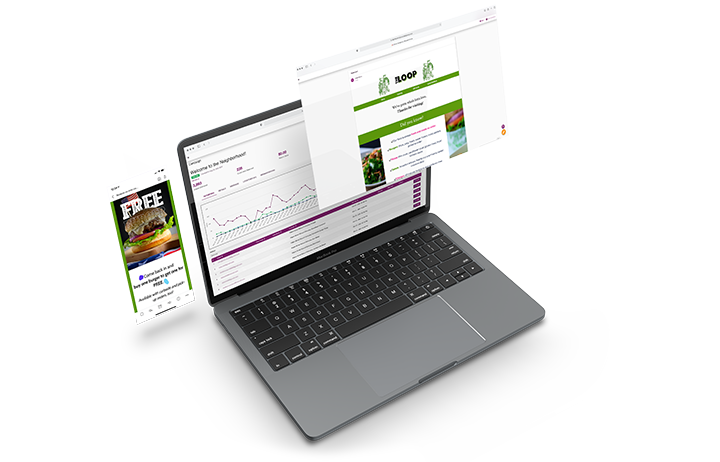

Using Guest Data and AI to Power Your Restaurant Business

In today’s ultra-competitive restaurant industry, the most successful establishments are those that leverage the full potential of first-party guest data.

Gone are the days when just serving good food was enough to keep the doors open and the tables full.

Now, using Artificial Intelligence (AI) to analyze guest data has become a game-changer, revolutionizing restaurant marketing, boosting revenue, and enhancing guest satisfaction like never before.

Here we will look into how utilizing AI for restaurants can transform raw data into actionable insights.

Whether it’s personalized marketing strategies that resonate with your target audience or operational tweaks that suit the tastes of your frequent guests, AI helps you make decisions rooted in data-driven reality.

Learn how to propel your restaurant into the future by turning guest data into your most valuable asset.

Collecting Guest Data

To achieve a comprehensive understanding of your guests, collecting data from multiple sources is crucial. This strategy allows you to create a 360-degree view of each guest, often referred to as a single customer view.

With this all-encompassing perspective, you can make intelligent, data-driven decisions that will elevate both your marketing strategies and overall business performance.

WiFi Logins

When guests log in to your restaurant’s WiFi network, you have an immediate opportunity to collect basic information such as email addresses and social media profiles.

This data not only enables you to understand who is visiting your restaurant but also opens up direct channels for targeted marketing.

Online Ordering

Online ordering platforms are treasure troves of data. From the types of meals frequently ordered to the average spend per order, this information lets you refine your menu offerings and promotions to align with guest preferences.

Online Reservations

Reservation systems often capture essential details like dining preferences, special occasions, and past visits. This data enables you to personalize your guests’ dining experiences, making it more likely that they’ll return and even become loyal patrons.

Point of Sale (POS) Systems

Your POS system does more than just process transactions, it holds key behavioral data. From the frequency of visits to the average amount spent per visit, leveraging this information can help you create tailored promotions and loyalty programs that actually resonate with your guests.

Website Forms

Website inquiry forms, newsletter sign-ups, and feedback surveys provide you with qualitative data that goes beyond numbers. You can gather insights into what guests are specifically interested in, what they like or dislike, and what suggestions they may have.

By combining data from these diverse sources into a restaurant customer data platform, you can create a full, 360-degree view of your guests.

This empowers you to make data-driven decisions that improve guest satisfaction, optimize marketing campaigns, and ultimately, increase revenue.

With the help of AI technologies to analyze this multifaceted data, you’re better equipped than ever to meet your guests’ expectations and drive your restaurant’s success.

Leveraging a Customer Data Platform for Efficiency and Insight

As restaurants grapple with data from multiple sources like WiFi logins, online reservations, and POS systems, the challenge often lies in consolidating this fragmented information into a unified view.

That’s where a Restaurant Customer Data Platform (CDP) comes into play. A CDP aggregates all your guest data into one centralized platform, making it easier to manage, analyze, and put to good use.

Time-Saving Automation

One of the immediate benefits of using a CDP is automation. Manually sifting through data to find useful patterns is not just tedious, it’s also time-consuming and prone to error.

A CDP automates these tasks. It collects and sorts data from multiple sources in real-time, allowing you to focus on other aspects of running your restaurant.

Resource Optimization

Time is money, especially in the restaurant business where margins can be thin.

By automating the data collection and preliminary analysis, a CDP frees up your team’s time to engage in more value-added activities.

Whether it’s fine-tuning your operations based on guest preferences and behavior, or crafting personalized marketing campaigns, your team can invest their efforts where it matters most, thanks to the groundwork laid by the CDP.

AI-Driven Actionable Insights

What truly sets a CDP apart is its ability to use AI technology. With all your guest data compiled in one place, AI algorithms can efficiently analyze this information to generate actionable insights.

Whether you want to identify guests who have stopped visiting, pinpoint slow service areas, or understand the peak times for reservations, AI provides you with specific recommendations based on data, not guesswork.

In summary, implementing a CDP in your restaurant can be a transformative step. Not only does it save time and optimize resources, but it also paves the way for AI to generate data-driven restaurant marketing strategies that can significantly improve guest satisfaction and revenue.

Adopting a CDP thus becomes more than just a technological choice, it’s a smart business decision.

The Importance of Clean, Verified Guest Data for AI

In the realm of Artificial Intelligence, the saying “garbage in, garbage out” holds particular weight. The quality of insights generated by AI is directly proportional to the quality of the data fed into it.

That’s why having clean, verified guest data is not just beneficial—it’s essential.

Avoiding Misleading Insights

Dirty or inaccurate data can lead to misleading conclusions. For instance, duplicate guest profiles, outdated email addresses, or incorrect birth dates can skew the AI’s analysis, pushing you to make decisions based on flawed information. In such cases, even the most advanced AI algorithms can’t correct for poor data quality.

Enhancing Personalization

One of the most powerful applications of AI in restaurant marketing is the ability to create highly personalized experiences for guests. To accomplish this, you need precise, verified data. Any inconsistencies or inaccuracies can result in off-target marketing, like sending non-vegetarian promotional offers to vegetarian guests, thereby eroding trust and satisfaction.

Streamlining Operational Efficiency

AI can also optimize behind-the-scenes restaurant operations, such as inventory management and staffing. However, to be effective, the AI system needs reliable, accurate data. Unclean data can result in overstaffing during slow periods or understocking popular menu items—mistakes that can cost time and resources.

Improving Revenue Forecasting

For any restaurant, projecting revenue and growth is crucial for long-term planning. AI can analyze past and current data to make incredibly accurate forecasts. But if the data is not clean, the AI’s predictions won’t be either, and you could end up making significant business decisions based on incorrect projections.

Data Verification as an Ongoing Process

It’s important to recognize that data cleaning isn’t a one-time activity; it’s an ongoing process. Regularly updating and verifying your guest data ensures that your AI tools function optimally and generate insights that are both reliable and actionable.

For AI to be a truly valuable asset in improving guest satisfaction, optimizing marketing efforts, and increasing revenue, the data it uses must be clean and verified. Investing in data hygiene is, therefore, not just a maintenance task—it’s a foundational step towards making the most of your AI capabilities.

Real-Time Sentiment Analysis Using AI

One of the most transformative ways AI can impact your restaurant is through real-time restaurant customer sentiment analysis. By aggregating and interpreting guest behavior data alongside online reviews, AI provides you with an immediate, comprehensive snapshot of guest sentiment.

This real-time feedback enables you to make quick, data-driven decisions to enhance the guest experience continuously.

Harnessing Guest Behavior Data

When you look at guest behavior data—such as menu choices, time spent at the restaurant, and frequency of visits—you get valuable indicators of satisfaction or dissatisfaction. For example, a drop in frequent visits from a regular guest could signal dissatisfaction that you may need to investigate further.

Analyzing Online Reviews

Online reviews are essentially public report cards for your restaurant. While reading every review across multiple platforms can be overwhelming, AI can sift through all of this information rapidly.

It can pick up on recurring themes, whether positive or negative, giving you a more nuanced understanding of guest sentiment.

The Power of Real-Time Analysis

What makes this even more impactful is the real-time aspect. Traditional methods of assessing guest sentiment usually involve sifting through data and reviews manually, a process that can be time-consuming and reactive rather than proactive.

With AI, the moment new data comes in, whether it’s an online review or updated guest behavior data, it’s analyzed instantly.

This allows you to take immediate action, such as rectifying a service issue or capitalizing on a positive trend, to ensure your guests’ experience remains exceptional.

Making Quick, Informed Decisions

Let’s say multiple reviews mention slow service during the lunch hour rush. AI can flag this issue in real-time, allowing you to quickly adjust staffing levels or streamline the lunch menu.

In a landscape where guest expectations are constantly evolving, the ability to adapt quickly is invaluable. Real-time sentiment analysis through AI equips you with the tools to make rapid, informed decisions that can significantly elevate the guest experience, foster loyalty, and ultimately drive revenue growth.

Turning Insights into Action with Guest Data and AI

In an industry as competitive and dynamic as the restaurant business, the margin for error is slim. Understanding your guests at a granular level can give you a significant edge.

With a wealth of guest insights and real-time sentiment analysis at your fingertips, you can make impactful changes that not only meet but exceed guest expectations.

Here’s how having these invaluable data points can substantially improve your restaurant business.

Personalized Marketing

Generic marketing campaigns rarely make an impact. With detailed guest profiles, you can create personalized marketing initiatives that genuinely resonate.

From special offers on favorite dishes to targeted promotions for special occasions like birthdays or anniversaries, personalization enhances engagement and increases the likelihood of repeat visits.

Improved Operational Efficiency

Guest insights can also offer a window into the operational aspects of your restaurant that may need attention. Is the wait time for a table affecting guest sentiment? Are certain times of the day understaffed?

Using data to identify these bottlenecks enables you to allocate resources more efficiently, improving both service speed and quality.

Enhancing Guest Experience

Real-time sentiment analysis can act as an early warning system for potential issues. Whether it’s a service hiccup or an unsatisfactory meal, immediate feedback allows you to correct course on the spot, turning a potentially negative guest experience into a positive one.

Strategic Growth Planning

The value of understanding your guest base and their sentiments extends beyond day-to-day operations; it’s also instrumental in strategic planning. Are you considering expanding your restaurant or adding a new service like catering? Historical data and sentiment trends can guide you in making decisions that align with your guests’ needs and preferences.

Building Long-Term Guest Loyalty

At the core of all these improvements is the goal of building long-term guest loyalty. Satisfied guests are not only likely to return but are also more inclined to become brand advocates who recommend your restaurant to others.

This word-of-mouth marketing is invaluable and comes at no additional cost to you.

Leveraging guest insights and AI isn’t just about collecting data; it’s about using that data to make informed, strategic decisions that improve every aspect of your restaurant business.

From the menu and marketing to operations and long-term planning, data-driven insights are the key to staying competitive and ensuring your restaurant not only survives but thrives.

Conclusion: The Power of Data and AI to Transform Your Restaurant Business

The restaurant landscape is shifting, propelled by evolving consumer expectations and rapid technological advancements. In this fast-paced environment, staying ahead means more than just keeping up; it requires leveraging every tool and insight at your disposal to deliver an unparalleled guest experience.

As we’ve explored in this article, utilizing Artificial Intelligence to analyze robust, clean, and verified guest data offers an unmatched advantage.

From creating a 360-degree view of your guests to real-time sentiment analysis, the integration of AI with a centralized data platform provides actionable insights that can redefine your restaurant’s success.

It empowers you to fine-tune your menu, personalize marketing campaigns, improve operational efficiency, and make quick, informed decisions that elevate the guest experience. More than just streamlining operations, these insights and adaptations cultivate long-term loyalty, turning occasional guests into lifelong advocates for your brand.

In summary, investing in AI and data analytics isn’t just a trend, it’s the future of the restaurant industry. It’s not merely about technology for technology’s sake but about harnessing this powerful tool to make meaningful, lasting connections with your guests.

As you consider the next steps for your restaurant, remember that the key to unlocking unparalleled growth and guest satisfaction lies in the effective use of guest data through AI.

Take that step, and watch your restaurant not just adapt to the future, but shape it.

Discover Bloom Intelligence

Bloom Intelligence is an AI-powered restaurant marketing platform that includes a powerful customer data platform, automated data collection, marketing automation, and reputation management tools.

Guest data is collected from many different sources and aggregated into one single platform, making it simple and easy to analyze and segment your restaurant’s guest personas for your restaurant email marketing.

Data is collected from sources like WiFi logins, online reservation systems like OpenTable, online ordering platforms like Oracle’s GloriaFood or Toast, POS systems, website forms, and more.

Bloom makes guest data collection effortless, allowing you to quickly execute the strategies listed above, saving you time, increasing customer lifetime values, attracting new guests, improving your reputation, and boosting your bottom line.

Click Here to Schedule a Free Online Demo, or call Click To Call 727-877-8181 to see how we can help you save time and drive tangible results for your restaurants.
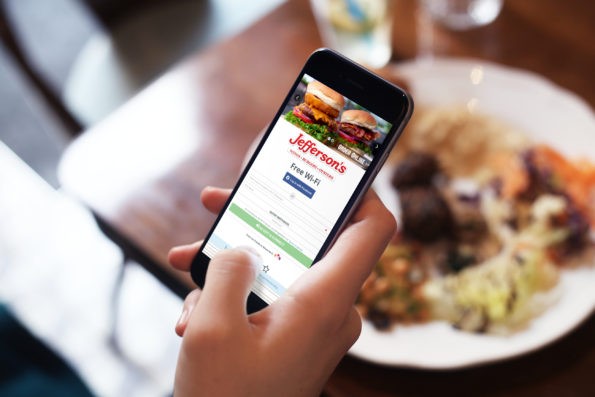

Leveraging Online Restaurant Reservations to Enhance Marketing and Boost Revenue

In the restaurant industry, understanding your guests isn’t just a nicety, it’s a necessity for survival and growth.

The game-changer? Data.

While consumer expectations are higher than ever, restaurants are fighting tooth and nail to keep seats filled and guests happy.

Great food and exceptional service remain crucial, but they’re only part of the recipe for success. What if there were a secret ingredient, an untapped resource, that could dramatically amplify your revenue and transform your restaurant into a dining hotspot?

One answer lies in your online reservation system, a gold mine of guest data waiting to be tapped. When integrated into a Customer Data Platform like Bloom Intelligence, this data becomes the lifeblood of personalized, targeted marketing campaigns that not only resonate with your guests but also significantly boost your bottom line.

Read on to discover how you can revolutionize your restaurant’s marketing and revenue potential through the strategic use of online reservations and guest data.

The Power of Guest Data in Restaurant Marketing

Think of guest data as the fuel for your restaurant’s marketing strategy. In an industry where every guest counts, understanding who your guests are, what they like, and how they interact with your restaurant can offer you an unprecedented competitive edge.

The most successful restaurants today are those that embrace data-driven marketing to forge stronger, more personalized relationships with their guests.

Why Online Reservations?

Unlike walk-ins, online reservations offer a seamless channel for collecting guest data right from the start.

The very act of making a reservation online requires guests to provide information like their name, contact details, and preferred dining time. Some platforms even allow for additional comments, like food preferences or special occasion notes, providing deeper insights into the guest’s dining expectations.

Once you’ve captured this essential data, integrating it into a Customer Data Platform like Bloom Intelligence is your next logical step. Bloom now integrates with OpenTable.

Bloom serves as a centralized hub where all guest data, from multiple sources, converges. This enables restaurants to build a 360-degree view of their guests, offering a single customer view for marketing efforts.

With a CDP, segmentation of guest data also becomes possible.

Are you interested in identifying frequent diners to offer them a loyalty discount? What about seeing which guests only visit during dinner service and getting them to come for lunch as well?

A CDP helps you categorize guests based on their behaviors, preferences, and engagement with your restaurant, allowing for highly personalized marketing campaigns.

While using services like OpenTable is convenient, restaurateurs should also have a way to make reservations directly from the company website. According to a 2024 survey by Toast POS, 65% of diners surveyed go directly to the restaurant’s website and use whatever reservation option they have available.

65% of diners surveyed go directly to the restaurant’s website and use whatever reservation option they have available

The Value of Personalized Marketing With Reservation Data

Personalized marketing is far more effective than generic, one-size-fits-all campaigns. It’s the difference between sending a mass email about your new seafood special and directly texting a guest who loves seafood with an exclusive discount for the same dish.

Here’s how you can use the segmented data from your CDP to enhance personalized marketing efforts:

1. Birthday and Anniversary Specials
Imagine getting a personalized offer for a free dessert or a special discount to celebrate your birthday or anniversary at your favorite restaurant. You would likely feel valued as a guest, and the chances of you taking up the offer are pretty high.

2. Recommending New Items
If your CDP data shows that a guest frequently orders spicy dishes, a personalized email introducing your new spicy entrée could be the perfect way to grab their attention and entice them back to your restaurant.

3. Seasonal Promotions
Knowing the historical behavior of your guests can help you anticipate their future actions. For example, if your data shows a particular guest often dines in during the winter holidays, a personalized message offering a seasonal special could be well-timed to ensure they choose your restaurant for their holiday dining.

4. Frequency-Based Rewards
By tracking how often guests dine at your restaurant, you can offer frequency-based rewards. A “dine five times, get the sixth meal free” campaign could be a perfect way to boost guest loyalty and keep them coming back.

Measuring the ROI of Reservation Marketing

The beauty of using a CDP for data-driven marketing is that it also allows for real-time analytics to gauge the effectiveness of your campaigns.

Click-through rates, conversion rates, average spend per visit—these metrics can give you tangible proof of the return on investment for your marketing efforts. If a campaign isn’t performing as expected, real-time data can guide you in tweaking your strategy, making it more potent and profitable.

Over time, a CDP allows you to compare the ROI of different campaigns. Which strategies resonate most with your guests—discount offers, exclusive previews of new menu items, or special event invitations? By identifying the types of campaigns that generate the highest ROI, you can allocate your marketing budget more effectively.

Measuring ROI is not a one-and-done task – it’s an ongoing process that continues to offer strategic insights for future marketing endeavors. The end result? You maximize the impact of each marketing dollar spent, elevating guest satisfaction and, ultimately, driving exponential revenue growth.

Tying It All Together

In the modern dining ecosystem, competition is fierce, and guests are more discerning than ever. Leveraging online reservation systems to collect guest data offers a prime opportunity to understand your guests better.

The restaurant industry is a constantly evolving battlefield where only the fittest survive. As competition intensifies and guest preferences shift, relying solely on traditional methods to attract and retain guests is no longer sufficient.

In this digital age, the secret sauce to building a thriving, revenue-generating restaurant lies in leveraging the data at your fingertips. Online reservations are more than just a convenient booking tool, they are gateways to invaluable guest data that can shape and supercharge your marketing strategies.

By integrating this rich data into a robust CDP, you unlock unparalleled opportunities for personalized, targeted marketing.

From segmenting your guest list to sending finely tuned promotions that resonate on a personal level, data-driven marketing is the key to maximizing your restaurant’s potential.

And let’s not forget the power of real-time analytics in measuring the ROI of your marketing efforts, ensuring that every campaign dollar is well spent, and every strategy fine-tuned for optimum results.

If you’re aiming to not just survive but thrive in today’s competitive restaurant landscape, then adopting a data-driven marketing approach is not an option, it’s a necessity.

Harness the full power of online reservation data to build stronger relationships with your guests, create marketing campaigns that truly resonate, and watch your revenue soar to new heights.

Discover Bloom Intelligence

Bloom Intelligence is an AI-powered restaurant marketing platform that includes a powerful customer data platform, automated data collection, marketing automation, and reputation management tools.

Guest data is collected from many different sources and aggregated into one single platform, making it simple and easy to analyze and segment your restaurant’s guest personas for your restaurant email marketing.

Data is collected from sources like WiFi logins, online reservation systems like OpenTable, online ordering platforms like Oracle’s GloriaFood or Toast, POS systems, website forms, and more.

Bloom makes guest data collection effortless, allowing you to quickly execute the strategies listed above, saving you time, increasing customer lifetime values, attracting new guests, improving your reputation, and boosting your bottom line.

Click Here to Schedule a Free Online Demo, or call Click To Call 727-877-8181 to see how we can help you save time and drive tangible results for your restaurants.