Category: Marketing Automation

Agentic AI for Restaurants: How Bloom’s AI Agents Run Marketing, Reviews, Operations and Discovery

Restaurant team of chefs, servers and managers around a laptop showing Bloom Intelligence AI, with marketing, review, calendar and revenue icons
Key Takeaway

Agentic AI for restaurants is software that notices what guests do, decides what to do about it, takes the action and checks the result, without waiting for a manager to ask. Bloom Intelligence runs AI agents across four loops: Marketing, Sentiment, Operations and Discovery. In the last 12 months, Bloom’s behavior-triggered messages brought guests back about 61 times as often as scheduled email blasts.

Every restaurant software company now says it uses AI. Most of the time that means a chat box that writes a caption when you ask for one. Useful, but you still have to notice the problem, open the tool, type the request and do the work.

Agentic AI flips that order. The software watches your guests, spots what needs doing and does it, then reports back with proof. This post explains what that means in plain restaurant terms, shows every place Bloom Intelligence puts agents to work, and shares new numbers from the Bloom network on what happens when they do.

What is agentic AI for restaurants?

Agentic AI for restaurants is AI that acts on its own within rules you set: it notices a change in guest behavior, decides on a response, carries it out and measures whether it worked. A chatbot or AI assistant waits for you to ask. An agent does not.

Think of the difference between a cookbook and a sous chef. The cookbook has every answer, but only when you open it. The sous chef sees the ticket rail backing up and starts plating. Agentic AI is the sous chef.

The checking step matters most. An agent that can’t see whether its work paid off is just automation with a nicer name. Bloom’s agents grade themselves against real visits, real orders and real reservations, which is how they get better over time.

Why do restaurants need AI agents now?

Restaurants need AI agents because the work that brings guests back happens every day, and the people who could do it are on the floor. Across the Bloom network, 77.4% of guests never place a second order.

Most of that loss is quiet. A first-time guest has a good meal and simply never hears from you again. A regular starts spacing out visits. A three-star review sits unanswered for a week. A location’s numbers slip, and nobody sees it until the monthly P&L.

None of these problems is hard to fix once someone spots it. The trouble is spotting all of them, at every location, every day, while also running service. That is exactly the kind of work agents are built for: constant, patient attention to thousands of small signals. Our guide to marketing a restaurant ranks 33 strategies, and most of the top ones depend on this kind of follow-through.

What do Bloom’s AI agents run on?

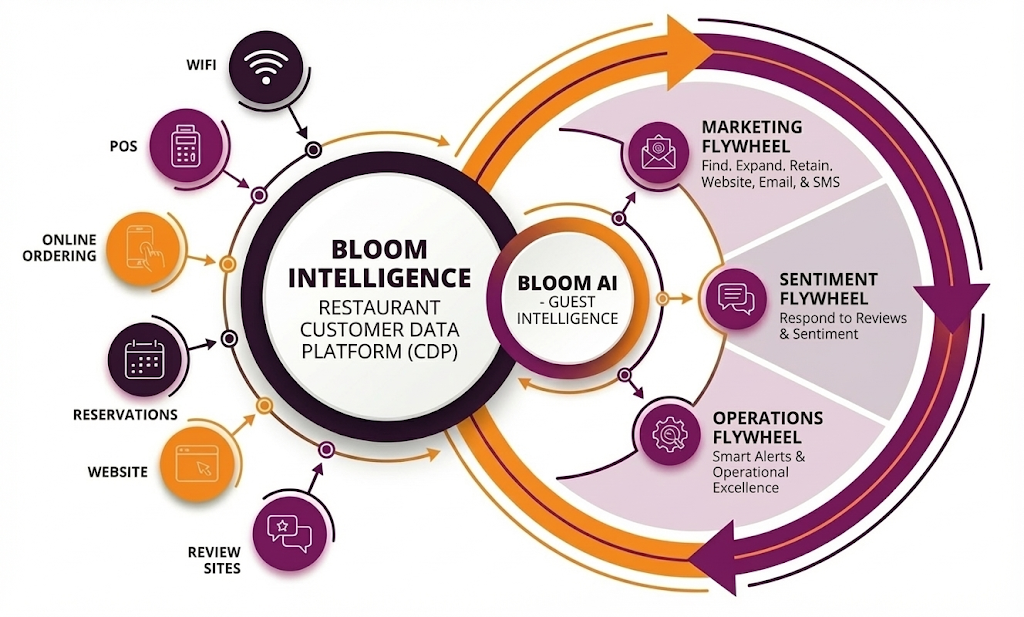
Bloom’s AI agents run on one always-current profile for every guest, built from eight channels across 22+ integrations. An agent can only act well on what it can see, so the profile comes first.

Guest WiFi, online orders, reservations, website forms, reviews and surveys add guests automatically, with no loyalty app to download. The Bloom Customer Data Platform then matches each visit, check and review to the same guest and scores who is new, who is loyal and who is drifting. Onboarding is white-glove: the Bloom team connects the systems for you. See the full list of integrations.

What do Bloom’s four AI agents actually do?

Bloom’s agents work four revenue loops: Marketing brings guests back, Sentiment answers every review, Operations catches problems early, and Discovery fills tables with new guests. Each one follows the same pattern: see, decide, act, prove.

Marketing: bring guests back before they’re gone

The marketing agent watches each guest’s visit pattern and steps in at the moments that matter. Workflows start on a guest’s first, second, third or fourth visit, or when a guest enters or leaves an audience. Conditional workflows branch on how the guest responds, including answers to multi-step surveys. When a regular falls behind their usual rhythm, the agent sends a win-back message and counts the return at the POS. Across Bloom restaurants, 38% of at-risk guests come back.

The new network data shows why acting on behavior beats the calendar. In the last 12 months, behavior-triggered messages brought a guest back for every 20 sent, about 50 return visits per 1,000. Scheduled blasts brought back fewer than 1 per 1,000.

That gap is wider than the 24 times in our Restaurant Email Marketing Benchmarks 2026 report, which compared only win-back emails with one-time blasts over a different window. Both point the same way. Learn more about Bloom’s AI marketing automation.

Sentiment: hear every guest, answer every review

Reviews pile up across Google, Yelp, Facebook and Tripadvisor while managers are busy. The sentiment agent replies in your brand voice, then turns reviews, surveys and comment cards into a clear picture of what guests praise and what they complain about. Beachside Hospitality saves 15 to 20 hours every week on review management.

Speed is the point. Across reviews posted on the Bloom network in the last 12 months, half of the reviews that got a restaurant reply were answered within 3.3 hours, and 79.9% within a day. For the case for answering every review, read Should Restaurants Respond to Every Review? or see AI reputation management.

3.3 hrs
Median time to reply, among reviews that got a reply
79.9%
Of replied reviews answered within 24 hours
15–20 hrs
Saved every week at Beachside Hospitality

Operations: catch problems before they hit the P&L

A slipping location or a repeat complaint usually shows up in the numbers weeks too late. The operations agent layers visit behavior and transaction data over what guests say, so you see why a location is slipping, not just that it is. Falling visits, rising churn and complaint clusters surface by location while the cause is still small. Managers get notifications and can email or text a guest one to one from their own account. The Weekly and Monthly Ops Digest, added in the Bloom Spring Release 2026, puts it all in one read. More on restaurant operations management.

Discovery: get found by new guests, then get chosen

New guests ask Google, ChatGPT and voice assistants where to eat. Discovery works two ways. Organic: Bloom builds and tunes your website, SEO and AEO from real guest data so search engines and AI assistants recommend you.

Paid: the Agentic Ad Manager is live now. It plans and runs Google and Meta campaigns from your guest data, with you approving every ad and every edit the Bloom team makes, and counts only revenue matched to a completed reservation or POS order. Marigold Maison in Phoenix turned $978 in August 2026 ads into $30,688 in tracked sales, 31 to 1. Read the Marigold Maison case study and our deep dive on full-stack restaurant attribution.

How do Bloom’s four loops feed each other?

Every action one agent takes becomes data the other three use, so the four loops work as a flywheel instead of four separate tools. Each result flows back into the guest profile, checked against real orders.

Here is one guest moving through all four loops. Separate tools would see four strangers. Bloom sees one person and gets smarter about her at every step.

This is why the agents compound. The ad agent targets better because the marketing agent proved who becomes a regular. The marketing agent writes better because the sentiment agent knows what guests love. The operations agent catches problems sooner because it can see behavior and words together. Our post on the way new guests find restaurants shows the Discovery side of that loop in detail.

Four tools see four strangers. One system sees one guest, and remembers her.

What does a day with Bloom’s AI agents look like?

On a normal day, Bloom’s agents handle dozens of small jobs across marketing, reviews, operations and ads while your team runs service. Here is what an ordinary Tuesday could look like for a two-location group.

Notice how little the team did on that list: one approval and one text. Nobody pulled a report, built a list or logged in to an ad account. People did only what people should do, approving an ad edit and texting an unhappy guest.

Is it safe to let AI agents act for your restaurant?

Yes, when the agents work inside your rules, a person approves what touches your money, and every action is logged and checked against real sales. Bloom builds all three into how its agents work.

The last guardrail is the one most AI tools skip. Ad platforms grade their own homework with clicks and modeled conversions. Bloom sorts every number into three tiers. Verified means matched to a real sale. Reported means counted by the platform, like clicks and reach, and is never shown as dollars. Connecting means a channel still being wired up, and its revenue is never estimated. Only Verified dollars are called revenue.

What results do restaurants see from Bloom’s AI agents?

Restaurants on Bloom Intelligence recover an average of $53,000+ per location per year, and 38% of at-risk guests come back. Bloom runs at 1,000+ locations with 99.3% client retention.

$53K+
Average revenue recovered per location per year
38%
Of at-risk guests recovered
99.3%
Client retention across 1,000+ locations

Read the full stories: Roka Akor, Marigold Maison and Corky’s. HaVyn Group has run on Bloom for 5+ years and now requires it across every partner restaurant, as its case study explains.

What comes next for agentic AI at Bloom?

Bloom is building toward a Restaurant Agentic Operating System, where AI agents plan, act and verify across the whole restaurant. It is rolling out in beta on top of today’s platform, and the Agentic Ad Manager is live now.

Three new agents are coming soon, all built on the same guest profile and the same verified-results standard:

Coming soon
Organic social agent
Plans, posts and answers comments on Instagram and Facebook, with posts built from what your guests actually love.
Coming soon
AI creative engine
Writes and designs ads from your reviews, menu and best-guest data, then tests what works.
Coming soon
Landing page agent
Builds campaign pages that show live ratings and reviews and track every booking.

The best restaurants already notice everything. Agents let them notice it at every location, every day.

Put Bloom’s agents to work

In a 30-minute demo we walk you through how Bloom’s AI agents bring guests back, answer reviews, catch problems early and run ads, and how every result gets checked against real orders and reservations.

Methodology

Triggered versus scheduled messages. Original Bloom Intelligence data for messages delivered November 1, 2025 to October 31, 2026 across about 200 Bloom network locations. Triggered messages start from a guest’s own behavior, such as a first visit or a gap since the last visit: 498,474 delivered and 24,836 return visits. Scheduled messages are sent to a list on a set date: 57,078,773 delivered and 46,934 return visits. A return is a recipient recognized on a visit after the send. Triggered messages go to guests with a visit history, so the comparison includes a selection effect.

Review reply speed. 96,692 reviews posted November 1, 2025 to October 31, 2026 on platforms connected to Bloom. Of these, 29,124 received a restaurant reply. Reply time runs from the review’s posting time to the first restaurant reply. Median and 24-hour share are measured among replied reviews only.

Other figures. The 77.4% figure covers email-linked orders from guests whose first order came in 2023 or 2024, tracked through September 23, 2026. Case results come from each client’s published case study. Roka Akor ranking from Semrush, September 22, 2026.

Data from the Bloom network and may not be the same for all restaurants. Research and analysis for this article were produced with Bloom Intelligence’s data platform and AI tools, then reviewed by William Wilson.

William Wilson

By William Wilson, Founder and CEO, Bloom Intelligence. Will builds AI agents that read a restaurant’s guest data, take approved action, write down why, and verify every result against completed reservations and POS transactions.

Recession-Proof Your Restaurant: The Ultimate Guide to Leveraging a CDP, Marketing Automation, and Reputation Management

The restaurant industry is facing unprecedented challenges. Soaring inflation, rising costs of goods sold, and consumer pullback have created the perfect storm for restaurateurs struggling to maintain profitability.

Now more than ever, restaurants must adopt a comprehensive, technology-driven marketing strategy to recession-proof their businesses.

The good news is that the tools you need to weather the storm are readily available and easier to use than ever before.

By leveraging a customer data platform (CDP), marketing automation, and reputation management, you can easily unlock powerful insights, automate revenue-driving campaigns, and turn your guests into loyal brand advocates.

And believe it or not, it is faster and easier than you might think.

restaurant owner seeing how to leverage a CDP


The Power of a Customer Data Platform (CDP)

At the heart of your recession-proof strategy lies a restaurant CDP. Unlike traditional CRMs that store fragmented customer data, a CDP unifies all your customer information into a single, comprehensive view.

This 360-degree understanding of your diners empowers you to personalize every interaction, anticipate their needs, and maximize their customer lifetime value.

Key benefits of using a CDP for your restaurant include:

  • Unified customer data: Collect and consolidate data from multiple sources, including your point-of-sale system, website, WiFi logins, online ordering, reservations, and more.
  • Personalized targeting and segmentation: Leverage advanced analytics to create highly targeted campaigns and audience segments based on behavior, preferences, and predicted needs.
  • Predictive analytics: Uncover insights to anticipate customer behavior, optimize marketing strategies, and make data-driven decisions.
  • Improved customer retention and lifetime value: By delivering personalized experiences, you can foster deeper brand loyalty and keep customers coming back, even in tough economic times.

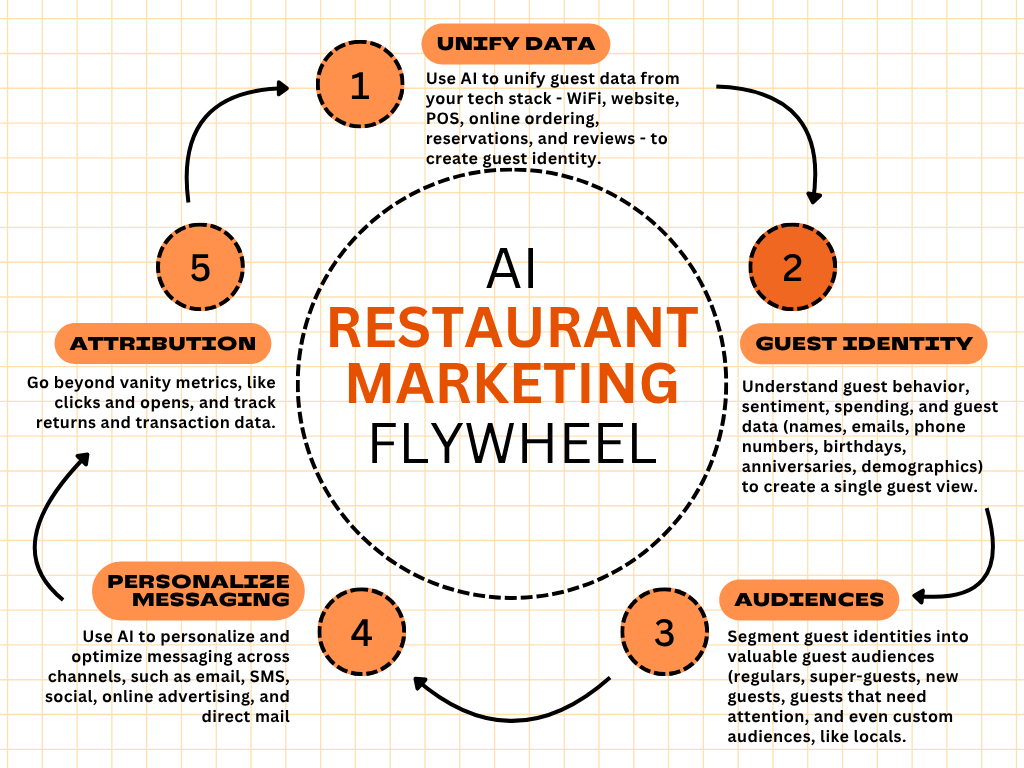
At its core, a CDP unifies customer data from multiple touchpoints and sources, creating a single, coherent view of each customer. For restaurants, this means integrating data from point-of-sale systems, online ordering platforms, reservation systems, loyalty programs, website interactions, and even social media engagements.

This unified view provides invaluable insights into customer preferences, behaviors, and patterns that might otherwise go unnoticed.

The 360-degree customer view enabled by a CDP allows restaurants to understand their patrons on a deeper level. For instance, a CDP can reveal that a customer who frequently dines in for dinner also tends to order takeout at lunch. This insight can inform targeted marketing efforts, such as promoting lunch specials to this guest.

Personalization becomes significantly more powerful with a CDP. Restaurants can move beyond basic segmentation to create highly tailored experiences for each customer.

For example, if the CDP shows that a guest always orders online, the restaurant can send dine-in promotions to the guest to entice them to visit your physical location. Similarly, if a patron frequently orders wine with their meal, the CDP can trigger personalized email or SMS messaging for wine pairings based on their wine selection.

The predictive analytics capabilities of a CDP are particularly valuable for restaurants looking to recession-proof their business. By analyzing historical data and identifying patterns, CDPs can forecast future behavior and trends.

This might include predicting which customers are at risk of churning, allowing the restaurant to proactively engage them with special offers or personalized outreach.

It can also help anticipate demand for certain dishes or ingredients, enabling more efficient inventory management and reducing waste – a crucial factor in maintaining profitability during economic downturns.

restaurant staff using a CDP

CDPs excel at improving customer retention and increasing lifetime value, which is essential for restaurants during tough economic times. By tracking customer interactions over time, a CDP can identify opportunities to deepen relationships and increase engagement.

For instance, it might recognize that a guest who used to dine weekly has reduced their visits to monthly, triggering a re-engagement campaign with personalized incentives to visit more frequently. LTO (limited time only) promotions are perfect for this scenario.

Moreover, CDPs can significantly enhance loyalty programs. Instead of one-size-fits-all rewards, restaurants can use CDP insights to create personalized loyalty tiers and rewards that align with individual customer preferences. A customer who always orders dessert might receive a free dessert as a reward, while a wine enthusiast might be offered a complimentary wine-tasting event.

For multi-location restaurant chains, a CDP can provide valuable insights into location-specific trends and guest preferences. This data can inform menu and operations customization for different locations, ensuring that each restaurant caters effectively to its local clientele.

The long-term benefits in terms of increased customer satisfaction, improved operational efficiency, and boosted revenue make it a worthwhile endeavor for restaurants looking to thrive in challenging economic conditions.

By harnessing the power of unified guest data, restaurants can make more informed decisions, create more engaging customer experiences, and ultimately build a more resilient business model capable of weathering economic uncertainties.

For more details, visit our page here: What Is a Restaurant CDP? Unlock the Power of Guest Data to Boost Revenue and Streamline Operations

restaurateurs leverage a CDP

Supercharge Your Marketing with Automation

Once you have a powerful CDP in place, it’s time to pair it with the magic of marketing automation. By automating key campaigns and customer touchpoints, you can drive revenue at every stage of the customer journey – from acquisition and engagement to retention.

Some of the most impactful automated campaigns for restaurants include:

  • Acquisition: Lead generation, lookalike campaigns, promotional offers, and referral programs to attract new customers
  • Engagement: Loyalty programs, upselling and cross-selling, email and SMS messaging to keep diners coming back
  • Retention: Personalized promotions and guest re-engagement campaigns to maintain a loyal customer base

The beauty of marketing automation lies in its ease of use and measurable return on investment. With the right platform – and integration with your CDP – you can create and deploy these campaigns with minimal effort, freeing up your team to focus on other strategic priorities.

In the competitive restaurant industry, especially during economic downturns, marketing automation becomes a powerful tool to drive revenue and maintain guest engagement. This approach allows restaurants to deliver timely, personalized communications at scale, ensuring consistent interaction with customers while freeing up staff to focus on high-value tasks.

Marketing automation for restaurants encompasses a wide range of strategies and tools designed to streamline and optimize marketing efforts across the entire customer journey. From initial customer acquisition to long-term retention, automation can significantly enhance the effectiveness and efficiency of your restaurant marketing campaigns.

Customer Acquisition Strategies

Automated customer acquisition strategies help restaurants cast a wider net and attract new patrons more efficiently.

Social media campaigns can be automated to post content at optimal times, ensuring maximum visibility. These posts can be dynamically generated based on current promotions, seasonal menu items, or local events, keeping content fresh and relevant without constant manual input.

Targeted ads on platforms like Facebook, Instagram, and Google can be set up to automatically adjust based on performance metrics.

For instance, if a particular ad promoting a new lunch menu is performing well with a specific demographic, the system can automatically allocate more budget to that ad and expand its reach to similar audiences.

Lead generation becomes more sophisticated with automation. For instance, when potential guests interact with a restaurant’s website, automated systems can capture their information and initiate a nurturing sequence.

This might include sending a series of emails introducing the restaurant’s cuisine, ambiance, and special offers, gradually building interest and encouraging a first visit.

Engagement Strategies

Automated engagement strategies keep patrons connected with the restaurant between visits, increasing the likelihood of repeat business.

Restaurant loyalty programs, a cornerstone of guest engagement, benefit greatly from automation. Points can be automatically awarded for visits, with customers receiving real-time updates on their status and available rewards.

Upselling and cross-selling campaigns become more effective with automation. Based on a guest’s order history, the system can suggest complementary items. For instance, if a customer frequently orders pasta dishes, an automated system might suggest a new garlic bread appetizer or an Italian wine pairing. These suggestions can be delivered via email or SMS push notifications.

Event-based marketing becomes more manageable with automation. Restaurants can set up campaigns tied to specific events or milestones in the customer journey.

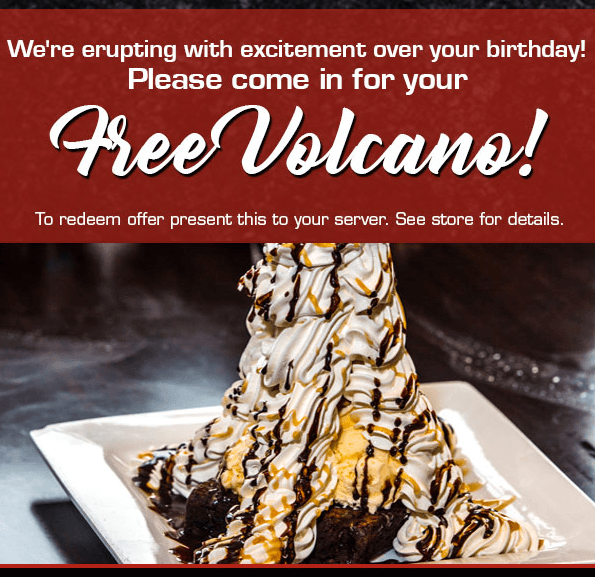
For example, an automated email or text message can be sent on a guest’s birthday, offering a free dessert or special discount. Similarly, anniversary emails can be sent to patrons on the anniversary of their first visit or their wedding anniversary, thanking them for their loyalty and offering an incentive to visit again.

Retention Efforts

Customer retention is crucial for restaurants, especially during economic downturns, and automation plays a key role in these efforts.

Re-engagement campaigns for lapsed customers can be automatically triggered based on visit frequency. If a once-regular patron hasn’t visited in a while, the system can send a personalized “We miss you” message, perhaps accompanied by an offer tailored to their previous preferences.

Bloom users who have implemented this campaign are seeing up to 38%+ of their lapsed guests return through the doors.

Automated feedback solicitation helps restaurants stay attuned to customer satisfaction and address issues promptly. After a visit, customers can receive an automated email or text message asking about their experience. Negative feedback can trigger an alert to management for personal follow-up and customer service recovery.

Seasonal and holiday marketing becomes more effective with automation. Restaurants can set up campaigns well in advance to promote special menus or events, with messages automatically sent out at the right time to maximize bookings. These campaigns can be personalized based on past guest behavior, such as sending Thanksgiving pre-order information to guests who ordered takeout during previous holiday seasons.

restaurant marketers creating automated marketing campaigns

Integration and Personalization

The true power of marketing automation comes from its integration with other systems, particularly the restaurant’s CDP. By combining automation with rich customer data, restaurants can create highly personalized and timely marketing campaigns.

Implementing marketing automation requires careful planning and ongoing optimization. Restaurants should start with a clear strategy, identifying key touchpoints in the customer journey where automation can have the most impact. It’s important to regularly review the performance of automated campaigns, adjusting and refining them based on customer responses and changing business needs.

While automation can significantly enhance marketing efforts, it’s important to maintain a human touch. Automated messages should be crafted to sound personal and genuine, and there should always be easy ways for customers to reach a real person if needed.

By leveraging marketing automation effectively, restaurants can create a more engaging, personalized experience for their guests, driving loyalty and revenue even in challenging economic times.

This approach allows restaurants to stay top-of-mind with patrons, respond quickly to changing market conditions, and make the most efficient use of their marketing resources.

For more details about marketing automation with Bloom, visit our page here: Automate Your Way to Restaurant Success: Marketing Campaigns That Drive Revenue


Reputation Management for Restaurants

In a challenging economic climate, your online reputation can make or break your restaurant’s success. Diners are more price-conscious than ever, and they’re turning to reviews to guide their dining decisions.

By proactively managing your online presence, you can turn negative reviews into opportunities and transform unhappy customers into loyal brand advocates.

Key reputation management strategies for restaurants include:

  • Monitoring and responding to reviews: Stay on top of what customers are saying about your business and address issues promptly and professionally.
  • Leveraging guest feedback: Use review data to identify areas for improvement and make operational changes that enhance the customer experience.
  • Turning unhappy guests into advocates: Reach out to dissatisfied diners, resolve their concerns, and encourage them to leave positive feedback, boosting your online reputation.

Integrating your reputation management efforts with your CDP and marketing automation platform ensures that you can deliver personalized, timely responses and tailor your outreach to individual customer needs.

Smiling restaurant guest giving a thumbs up after a positive dining experience

The Importance of Online Reputation in a Competitive, Price-Sensitive Market

In a highly competitive and price-sensitive market, your restaurant’s online reputation can make or break your business. With countless dining options available at their fingertips, potential guests often rely on online reviews, social media mentions, and star ratings to make their dining decisions. In fact, studies have shown that a whopping 94% of diners choose a restaurant based on online reviews.

This statistic underscores the critical role that reputation plays in influencing guest choices.

Moreover, in tough economic times, when consumers are more cautious about where they spend their money, they are even more likely to consult online reviews before making a decision.

A strong online reputation not only helps attract new guests but also builds trust and loyalty, encouraging repeat visits and positive word-of-mouth.

Strategies for Effectively Managing Your Restaurant’s Online Reputation

Managing your restaurant’s reputation involves more than just monitoring reviews, it’s about actively engaging with your online audience, addressing concerns, and leveraging feedback to improve your operations. Here are some key strategies to effectively manage and enhance your restaurant’s reputation:

1. Proactive Monitoring and Responding to Reviews

One of the most effective ways to manage your online reputation is through proactive monitoring and timely responses to guest reviews. Whether on Google, Yelp, TripAdvisor, or social media platforms, regularly checking what guests are saying about your restaurant is crucial.

Positive reviews offer an opportunity to reinforce guest loyalty, while negative reviews provide valuable insights into areas needing improvement.

Responding to reviews (both positive and negative) demonstrates that you value your guests’ opinions and are committed to providing excellent service.

For positive reviews, a simple thank you can go a long way in building goodwill and encouraging repeat business. For negative reviews, it’s essential to respond thoughtfully and professionally. Apologize for any shortcomings, offer a solution if possible, and invite the guest to return for a better experience.

2. Leveraging Guest Feedback to Improve Operations

Guest feedback, particularly from online reviews, is a goldmine of information about your restaurant’s strengths and weaknesses. By analyzing this feedback, you can identify recurring issues (such as slow service, menu dissatisfaction, or ambiance concerns) and address them promptly.

For example, if multiple guests mention long wait times, it may be time to reevaluate your staffing during peak hours or consider implementing a reservation management system to better handle the flow of guests.

In addition to operational improvements, guest feedback can inform menu changes, staff training, and even marketing strategies. By continuously refining your operations based on guest input, you can enhance the overall dining experience, leading to higher satisfaction rates and better reviews.

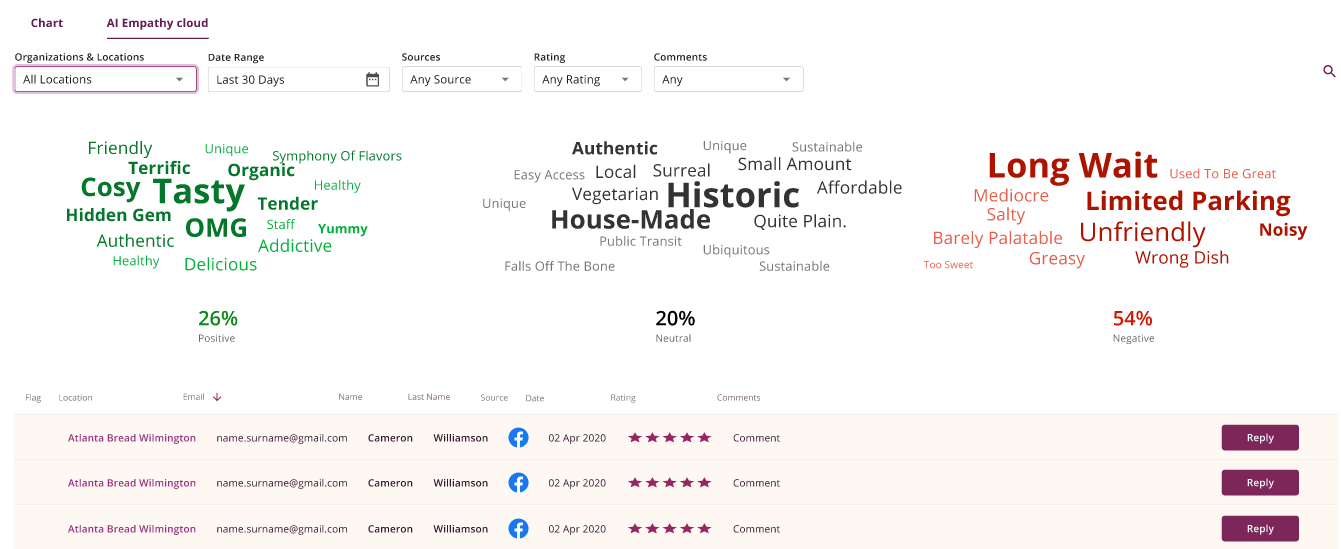
Bloom offers a word cloud based on real-time reviews from Google, Yelp, TripAdvisor, and Facebook. This gives users a very quick and easy way to discover guest sentiment in the time frame selected.

customer sentiment word cloud for reputation management

3. Turning Unhappy Guests into Brand Advocates

Negative reviews, while challenging, present an opportunity to turn dissatisfied guests into loyal advocates. When handled correctly, a well-crafted response to a negative review can not only resolve the issue but also demonstrate your restaurant’s commitment to guest satisfaction.

This approach can win over the disgruntled guest and impress other potential diners who see how you handle criticism.

For example, if a guest complains about a cold dish, acknowledge the mistake, apologize sincerely, and offer a discount or free meal on their next visit. By addressing the issue head-on and making amends, you show that you care about your guests’ experiences and are willing to go the extra mile to make things right.

This level of responsiveness can transform a negative situation into a positive one, earning you a reputation for excellent customer service, as potentially thousands of other diners will also see.

4. Maintaining a Consistent Online Presence

Consistency is key to effective reputation management. Ensure that all your digital platforms, including your website, social media profiles, and review site listings, are up to date and accurately reflect your brand.

This includes keeping your menu, hours of operation, and contact information current. An outdated or incomplete online presence can frustrate potential guests and harm your reputation.

Regularly updating your social media profiles with engaging content (such as photos of new dishes, upcoming events, or behind-the-scenes stories) can help keep your restaurant top of mind for followers.

Additionally, actively participating in conversations on social media, responding to comments, and sharing user-generated content can further enhance your online reputation and build a loyal community around your brand.

5. Encouraging and Showcasing Positive Reviews

Once you’ve accumulated positive reviews, showcase them across your digital platforms.

Highlighting guest testimonials on your website, social media pages, and even in marketing materials can boost credibility and influence potential guests’ decisions.

A strong portfolio of positive reviews not only attracts new guests but also reinforces the trust and loyalty of existing ones.

The Long-Term Impact of Effective Reputation Management

Investing in reputation management is not just about managing your current online presence; it’s about building a long-term strategy that ensures the sustained success of your restaurant.

A well-maintained reputation helps you weather economic downturns by keeping your restaurant top-of-mind for guests and establishing a loyal customer base that supports your business even during challenging times.

Moreover, a positive online reputation can lead to other benefits, such as higher rankings in search engine results, increased media coverage, and stronger relationships with local communities.

All of these factors contribute to a healthier bottom line and a more resilient business.

Reputation management is an integral part of a recession-proof strategy for any restaurant. By actively managing your online presence, leveraging guest feedback, and consistently delivering excellent service, you can ensure that your restaurant not only survives but thrives, even in the toughest economic climates.

For more details about reputation management using Bloom Intelligence, visit our page: How To Respond Efficiently To Online Reviews To Boost Your Bottom Line

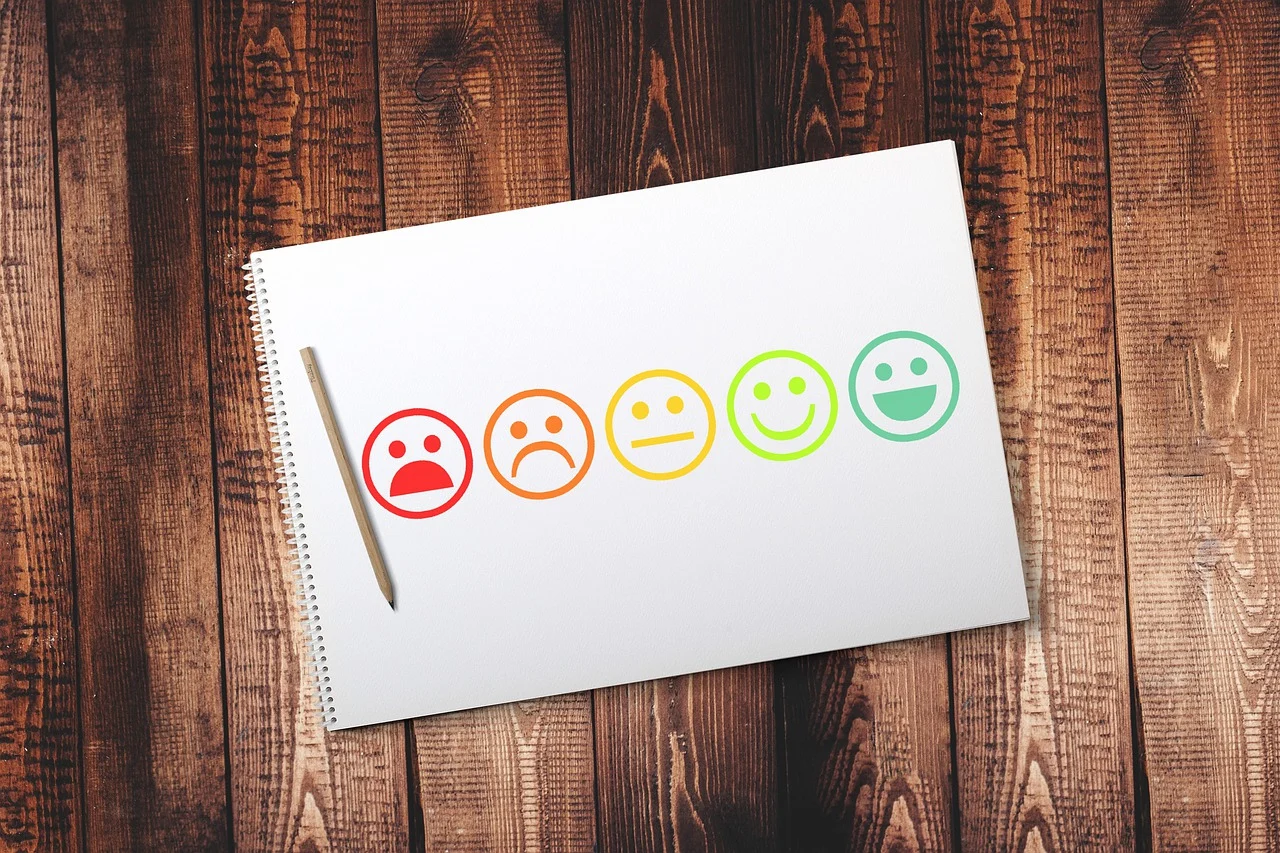
Guest satisfaction scale from unhappy to happy faces for restaurant reputation management


Integrating the Trio for Maximum Impact: Bloom Intelligence

The true power of this recession-proof strategy lies in the seamless integration of your CDP, marketing automation, and reputation management tools.

By connecting these solutions, you can create a unified, data-driven approach that drives revenue, fosters customer loyalty, and positions your restaurant for long-term success.

Whether you’re just getting started or looking to optimize your existing technology stack, the key is to find a provider that offers a comprehensive, easy-to-use platform. Look for solutions that offer robust integration capabilities, intuitive interfaces, and exceptional customer support to ensure a smooth implementation and ongoing success.

By embracing this powerful trio of technologies, you can recession-proof your restaurant and thrive, even in the most challenging economic conditions.

Start leveraging the power of a CDP, marketing automation, and reputation management today, and watch your business soar to new heights.


Discover Bloom Intelligence

Bloom Intelligence is an AI-powered restaurant marketing platform. It includes a powerful customer data platform, automated guest data collection, marketing automation, and reputation management tools.

Guest data is collected from many different sources and aggregated into one single platform. This makes it simple to analyze and segment your guest personas for your restaurant’s digital marketing and operations decisions.

Data is collected from sources like WiFi logins, online reservation systems, online ordering platforms, POS systems, website forms, social media, and more.

Bloom makes guest data collection effortless, this allows you to quickly execute the strategies listed above, saving you time, increasing customer lifetime values, attracting new guests, improving your reputation, and boosting your bottom line.

Call us or schedule a free demo online and Bloom will show you how our restaurant marketing platform can help you save time and increase your customer lifetime values by automatically building first-party customer databases, unlocking important guest insights to trigger automated marketing at the right time and place, discover true guest sentiment, save at-risk guests, increase your current guests’ frequency, and find new guests.

Click Here to Schedule a Free Online Demo, or call 727-877-8181 to see how we can help you save time and drive tangible results for your restaurants.

Bloom Spring Release 2026: One CDP, Four Flywheels, Five New Ways Your Restaurant Compounds

Bloom Intelligence logo — 1,000+ restaurant locations served

Key Takeaway

The Bloom Spring Release adds five new capabilities to the Bloom Intelligence platform, real Toast POS revenue attribution, multi-step surveys, expanded sentiment layered with behavior and transactions, the Weekly and Monthly Ops Digest, and conditional workflows, all feeding one unified Customer Data Platform and activated by agentic AI across four flywheels: Discovery, Marketing, Sentiment, and Operations. Every feature makes every other feature, and every future decision, measurably smarter.

A Regular stops coming in. Food quality at lunch on Wednesdays quietly gets worse. A marketing campaign goes out and nobody can prove what it drove. A guest leaves a three-star review that mentions the Seabass, and the message never reaches the kitchen. A promotion gets redeemed at the POS and the system credits it to an average, not to the actual guest.

These are the gaps that have always existed between guest behavior, operational reality, and marketing proof. They cost restaurants thousands of dollars every week, and most operators never see the bill. If you’re running a 2-to-100-location restaurant chain, you’ve felt all five of these gaps this month, even if you couldn’t name them.

The Bloom Intelligence Spring Release closes every one of them, automatically. This post walks through the five new capabilities, explains how agentic AI activates each across all four flywheels, and shows the compounding result: one guest, one journey, every feature in motion, zero manual effort. By the end, you’ll know exactly what changes on Monday morning.

The Spring Release adds five capabilities, Toast POS attribution, multi-step surveys, expanded sentiment, the Ops Digest, and conditional workflows, all feeding the unified CDP and activated by agentic AI across Discovery, Marketing, Sentiment, and Operations.

5
New Capabilities
4
Flywheels Activated
20
Net-New Activations

Why This Release Matters

Bloom Intelligence has always been built around one idea: your guest data should work harder than your team does. The Spring Release advances that idea in five places at once, and the reason it compounds is that every capability plugs into the same architecture.

Three things to hold in mind as you read:

The CDP is the brain. Every guest profile, every behavioral signal, every review, every transaction lives in one unified record. It is what makes every downstream action possible.

Agentic AI is the executor. Not a chatbot. Not a dashboard that waits for a human to click. Autonomous decision-making that acts on your behalf across every flywheel, continuously, without asking for permission each time.

The four flywheels are where value compounds. Discovery brings new guests in. Marketing engages them. Sentiment listens to them. Operations protects the experience they have. Each flywheel turns faster when the others turn.

The Architecture in One Picture
The Brain
Unified CDP
Guest profiles, behavior, transactions, reviews, surveys, one record, always current.

Discovery
New guests find you through AI, search, and voice.

Marketing
Behavioral triggers fire the right message, every time.

Sentiment
Reviews and surveys become Voice of the Guest intelligence.

Operations
Patterns surface before they hit the P&L.

One unified data asset. Four compounding execution loops. Every new feature plugs into all of them.

The math is simple. Five new features. Four flywheels. Twenty net-new ways your data becomes revenue, every day, without anyone on your team lifting a finger.

Multi-Step Surveys: New Intelligence Flows Into the CDP

The Voice of the Guest just got a megaphone, and it speaks directly into the CDP.

Bloom’s new multi-step survey creator gives restaurants a full instrument panel of question types. Send a survey once to a specific segment. Or let a conditional workflow fire it at the moment of peak signal, after a visit, after a complaint, after a recovery.


NPS

Star Ratings

Menu-Level Ratings

Multiple Choice

Custom Questions

Open Text

Every response lands in the guest profile in real time. Every answer enriches what the CDP knows about that guest: their stated preferences, their NPS classification, their menu-level satisfaction, their free-text signals parsed by Bloom AI into usable intelligence.

How agentic AI activates it across all four flywheels

Four Loops, One Survey Response
  • Discovery
    Verified guest language and dish-level feedback strengthen the authority signals that help new guests find you online. Your restaurant speaks in the language of real guests, not generic copy.
  • Marketing
    Promoters get routed into referral journeys. Detractors get routed into recovery journeys. Menu preferences feed personalized offers. Every response becomes a trigger for the right next campaign.
  • Sentiment
    Survey data expands Voice of the Guest beyond public reviews. You hear what guests would tell a server but would never post online.
  • Operations
    Menu-level ratings and open-text comments surface issues before they become public reviews. The early warning system gets an early warning system.

Every survey response doesn’t just tell you something. It makes every future AI decision smarter, across all four loops.

What is a multi-step survey and how does it differ from a single-question rating?

A multi-step survey is a guided sequence of question types, NPS, star ratings, menu-level ratings, multiple choice, custom, and open text, delivered to a guest at the moment of peak signal, typically triggered by a behavioral event like a visit, complaint, or recovery. Unlike a single-question rating, each answer routes the guest into the right follow-up logic in real time, feeds the unified CDP, and can fire downstream marketing, sentiment, or operations actions automatically.

Expanded Guest Sentiment: Multi-Dimensional Intelligence in the CDP

You’ve always known what guests said. Now you know what it cost you, what it’s worth to you, and what to do about it.

Bloom’s sentiment engine just got a major upgrade. All guest sentiment now includes survey data alongside reviews. And sentiment is layered over guest behavior and POS transactions, visit frequency, dwell time, RFM, spend, item-level purchases, so every sentiment signal is connected to the P&L reality underneath it.

The Issues view shows where you’re bleeding. The Wins view shows where you’re winning. Both show business impact, not vanity metrics.

Sentiment Becomes Three-Dimensional
What They Said
Reviews & Surveys

How They Behave
Visits & Frequency

What They Spend
POS & Items

= A Decision, Not a Report
Every sentiment signal is cross-referenced with behavioral and transactional data, turning feedback into revenue-grade intelligence.

How agentic AI activates it across all four flywheels

Four Loops, Three-Dimensional Signal
  • Discovery
    Positive sentiment patterns your restaurant’s actual identity, the dishes guests rave about, the service moments that stand out, the locations that outperform. That identity gets amplified online so the guests who’d love you can find you.
  • Marketing
    Sentiment-triggered campaigns write themselves. Guest praised the Seabass? Feature it in their next offer. Guest flagged slow service? A recovery journey fires automatically.
  • Sentiment
    The Voice of the Guest engine now speaks in guests’ actual language tied to actual spending patterns. Review responses get sharper. Campaign copy gets truer.
  • Operations
    A cluster of negative food mentions isn’t just a reputation problem. It’s tied to declining item sales, declining visits, and a specific daypart at a specific location. The early warning system working exactly as it should.

Sentiment stops being a report. It starts being an input to every revenue decision the platform makes.

What is three-dimensional sentiment analysis for restaurants?

Three-dimensional sentiment analysis is the cross-referencing of guest feedback (reviews and surveys) with behavioral data (visits, frequency, dwell time) and transactional data (spend, item-level purchases) on the same unified profile. Instead of a one-dimensional rating or review score, operators see what a guest said, how their behavior is actually trending, and what it’s worth in revenue, which turns sentiment from a vanity metric into a P&L-grade decision input.

The Weekly & Monthly Ops Digest: Intelligence Made Visible and Agentic

What a senior operations analyst produces in a week, your team now gets automatically every Monday morning, with the AI’s recommended actions already attached.

The Weekly and Monthly Ops Digest is deep operational intelligence made easy, delivered straight into your team’s inbox. See how it fits into restaurant operations management in Bloom.

Weekly Ops Digest
Your Week at a Glance

MON · 06:00 AM · AUTO-DELIVERED

Reviews
Volume & trend

Avg Rating
vs. last period

5-Star %
By location

Response Rate
AI + human

Critical Issue Queue
Top guest issues prioritized by urgency, with location attribution and recommended action.

Stack-Ranked Locations
Who’s winning, who needs attention, every location compared on the same axes.

Menu Winners
Item-level sentiment showing what’s driving positive mentions and repeat visits.

Menu Watch
Items trending negative with the exact action to take on each before the week ends.

Employee Mentions
Standout team members recognized automatically from guest feedback across platforms.

Remediation Checklist
The specific steps to take this week, sequenced by impact.

Every action taken inside the digest flows back into the CDP. Next week’s digest is better because of this week’s response.

Every digest includes a KPI header, stack-ranked location comparison, response automation status across every review platform connected to your account, the Bloom AI Critical Issue Queue, Menu Items & Topics with Winner/Watch/Issue flags, Employee Mention Performance, and a prioritized remediation checklist, the specific steps to take this week.

How agentic AI activates it across all four flywheels

Four Loops, One Weekly Briefing
  • Discovery
    Winning dishes, standout servers, and top-performing locations get amplified through your digital presence. The Digest surfaces what’s working. Discovery builds social proof around it.
  • Marketing
    Campaign spend calibrates automatically to location performance. More investment behind winning locations. Recovery journeys at struggling ones. Nothing wasted.
  • Sentiment
    Critical Issue Queue items feed prioritized review responses and Voice of the Guest updates so your brand voice adapts in real time.
  • Operations
    This is the Operations flywheel made automatic. Early warning, trend identification, and measurement all delivered every week. No analyst required.

The gap between “something is wrong” and “we fixed it” collapses from weeks to hours. And every fix makes next week’s digest better.

How often is the Bloom Ops Digest delivered and what does it include?

The Bloom Ops Digest is auto-delivered weekly and monthly to your team’s inbox. Each edition includes a KPI header (reviews, average rating, 5-star percentage, response rate), stack-ranked location performance, response automation status across connected review platforms, the AI Critical Issue Queue, Menu Items & Topics with Winner/Watch/Issue flags, employee mention performance, and a sequenced remediation checklist with the AI’s recommended actions for the week.

Conditional Workflows: Agentic AI Given Arms and Legs

Your data doesn’t just tell you something. It does something about it, and never stops.

Bloom’s new conditional workflow builder gives restaurants a visual canvas for building guest journeys that run forever. Triggers. Delays. If/then branches. Goal conditions. Terminal states. All driven by any data input or event inside the Bloom platform.

Example: At-Risk Guest Recovery Workflow
TRIGGER
Enters “At-Risk”

CONDITION
Delay 10 days

ACTION
Send personalized offer

If redeemedGoal: moved to “Recovered”
If ignoredFire secondary nudge + internal alert

Trigger
Condition / Delay
Action
Goal / Branch
Every node is editable. Every branch adapts to what the guest actually does, not what a marketer guessed they might do.

You can nurture a first-time guest into a second visit, a second into a third, a third into Regular status. You can message guests automatically as they enter or leave any segment, New to Regular, Regular to At-Risk, At-Risk to Recovered. You can fire offers, SMS, email, surveys, or internal notifications on any signal the platform can see. And goal-based branching means the workflow adapts to what each guest actually does.

Every workflow interaction enriches the CDP. The platform learns not just what each guest does on their own, but what they do in response to what Bloom sends them. That feedback loop is how personalization becomes prediction.

How agentic AI activates it across all four flywheels

Four Loops, One Circulatory System
  • Discovery
    Workflow-driven re-engagement means more repeat visits, more positive guest moments, and more case studies in the making. Every recovered guest compounds your brand’s authority.
  • Marketing
    This is the Marketing execution engine, now truly event-driven. Every segment change, every survey response, every transaction fires the right message at the right moment. Nothing manual. Nothing missed.
  • Sentiment
    Workflow-triggered surveys capture sentiment at moments of peak signal, post-visit, post-issue, post-recovery. The richness of your sentiment data compounds because the ask is timed right.
  • Operations
    Workflow-triggered internal alerts route to GMs and operators the moment sentiment drops, visit frequency declines, or a Critical Issue appears. Your early warning system gets an automated dispatcher.

Every other feature in this release plugs into workflows as a trigger, condition, or action. Workflows are the circulatory system of the flywheel.

Weekly Intelligence Brief

Get Restaurant Intelligence Delivered Weekly

Join 30,000+ restaurant operators receiving data-driven insights, AI marketing strategies, and guest retention tactics every week. No fluff, just actionable intelligence.

No spam. Unsubscribe anytime. Read our privacy policy.

Toast Promotions Integration: The Attribution Loop Closes

Finally, an honest answer to “does marketing work?”, down to the dollar and the dish.

Bloom’s expanded Toast integration closes the attribution loop that most restaurant marketing platforms can’t even define. Bloom offers now redeem directly inside the Toast POS, one frictionless moment for the guest, one frictionless moment for the server. No printed coupon. No promo code dance. No excuse for the transaction to go untracked.

Before

The per-person average.

  • Revenue divided by covers
  • No guest-level attribution
  • No item-level visibility
  • Redemption friction at the POS
  • “Marketing works” is a guess
After

Actual dollars. Actual transactions. Actual items.

  • Campaign → guest → visit → spend
  • Verified revenue per guest profile
  • Item-level purchase history
  • Seamless in-POS redemption
  • “Marketing works” is a number

The attribution is real. Not a per-person average that Toast calculates by dividing revenue by covers. Actual dollars. Actual transactions. Actual items. You see exactly which campaign drove which guest back through the door, and exactly what they spent when they got there.

That data flows straight into the CDP. Every guest profile now carries verified revenue, item-level purchase history, offer redemption patterns, and confirmed visit events, the missing link between “we sent a campaign” and “the guest spent money.”

How agentic AI activates it across all four flywheels

Four Loops, Verified Revenue
  • Discovery
    The dishes and promotions that actually drive revenue shape how your restaurant is represented to new guests. The platform leans into what actually sells, building authority grounded in real results instead of hopeful marketing copy.
  • Marketing
    Every campaign that worked gets more investment. Every campaign that didn’t gets cut. Every future decision is smarter because the last decision was measured for real.
  • Sentiment
    Redemption and sentiment overlay who loved the offer, who redeemed it but still complained, and who didn’t redeem at all. Sentiment gets a financial dimension.
  • Operations
    Item-level redemption data flags menu performance, promotional lift, and operational readiness across every location.

This is the attribution loop closing. Data drives the campaign. The campaign drives the visit. The visit closes at the POS. The POS data flows back into the CDP. The next decision is smarter than the last. Revenue is proven. The flywheel advances.

How does Bloom’s Toast Promotions Integration track marketing attribution?

Bloom’s Toast Promotions Integration attributes marketing at the actual dollar, transaction, and item level, not a per-person average. Guests redeem Bloom offers directly inside the Toast POS, and the redemption, item purchased, and total spend flow back into the guest’s unified CDP profile in real time. Operators see exactly which campaign drove which guest back, exactly what they ordered, and exactly what they spent, closing the loop between marketing sent and revenue earned.

The Compounding Effect: Five Features × Four Flywheels = One Exponential Advantage

The features stand on their own. The mesh is what makes them transformative. What follows is a single guest’s journey through a single week, every feature activating, every flywheel turning, zero manual effort from your team.

One Guest · One Week · Every Feature

The mesh in motion, the story your data should tell every day.

  1. A guest finishes their meal at Location 7.

    A multi-step survey lands on their phone. Bloom AI sent it because their visit pattern triggered a workflow at the moment of peak signal.

    Multi-Step Surveys · Workflows

  2. They rate the Seabass five stars, but flag slow service.

    The response joins their profile in the CDP and feeds the Expanded Sentiment engine, which cross-references a 60-day dip in their visit frequency and a decline in Seabass-adjacent transactions at their location.

    Expanded Sentiment · CDP

  3. Monday morning, the Ops Digest surfaces slow Friday-night service at Location 7.

    The guest’s exact comment is flagged in the Critical Issue Queue. The GM gets a targeted remediation checklist before the week starts.

    Weekly Ops Digest

  4. A conditional workflow fires, triggered by “guest entered At-Risk.”

    Ten days later, a personalized Seabass offer lands in their inbox, tuned to the exact preference they stated in the survey.

    Conditional Workflows

  5. They redeem the offer inside the Toast POS.

    Revenue, transaction, and item attribution flow back into the CDP in real time, the campaign’s impact proven to the dollar.

    Toast Promotions Integration

  6. The guest’s five-star Seabass moment becomes brand authority.

    It joins the growing case for your restaurant in the places new guests are searching, compounding the signal that brings the next guest through the door.

    Discovery Flywheel

The Result
Four flywheels. One guest. Zero manual effort. Revenue attributed. Brand authority compounded.

Now multiply that by every guest, every day, across every location. That’s the mesh. That’s the ROI. That’s what your data is supposed to do.

The activation matrix, every feature, every flywheel

Feature Discovery Marketing Sentiment Operations
Multi-Step Surveys Verified guest language strengthens online authority signals. Promoters & detractors auto-route to the right journey. Voice of the Guest extends beyond public reviews. Issues surface before they become public complaints.
Expanded Sentiment Real identity, the dishes guests rave about, amplified online. Sentiment-triggered offers write themselves. Response & copy grounded in actual language + spend. Clusters of negative mentions tie to specific dayparts and items.
Weekly Ops Digest Winners and standouts get amplified as social proof. Campaign spend auto-calibrates to location performance. Critical Issue Queue feeds prioritized review responses. Weekly early warning + recommended actions, zero analyst.
Conditional Workflows More recovered guests compound brand authority. Truly event-driven automation, nothing manual, nothing missed. Surveys time-targeted to moments of peak signal. Internal alerts dispatched the moment a signal appears.
Toast Integration Authority built on verified, revenue-proven results. Winning campaigns get more spend. Losers get cut. Sentiment layered with redemption reveals offer-lovers vs. passives. Item-level redemption flags menu & operational readiness.
Five features. Four flywheels. Twenty net-new activations. Every cell compounds the others.

Four takeaways worth pinning

  • Every feature in this release feeds at least three other flywheels.
  • Every loop runs without human intervention after setup.
  • Every dollar is attributed down to the guest, the visit, the item.
  • The longer it runs, the wider the competitive moat. Your data asset compounds every day. Competitors who start later will never catch up.

What This Release Means for Your Team

The Spring Release lands differently depending on the seat you sit in. Here’s what changes on Monday morning.

CEOs & Founders

A full intelligence stack that runs without more headcount.

Revenue attributed. Issues surfaced. Competitive advantage compounding every week the platform is on. The ROI conversation stops being a debate.

Marketing Leaders

Real Toast attribution. Proof you can take to the board.

Survey-driven personalization. Workflow-driven automation. Not estimates, not averages, not hopeful metrics. Actual dollars, attributed to the guest, visit, and item.

Operations Leaders

The weekly review your team hasn’t had time to build.

The Ops Digest is that review. The Critical Issue Queue is the inspection report you didn’t know you needed. Both arrive automatically, with the AI’s recommended actions already attached.

How to Turn It On

Existing Bloom partners: Spring Release features roll out automatically based on your plan. Your customer success team will reach out with implementation guidance.

New to Bloom: the platform you’re looking at now includes the full Spring Release from day one.

One next step: see the Spring Release in action. A fifteen-minute walkthrough is all it takes to see how your data should be working.

Restaurant Marketing Platform Buyer’s Guide: 8 Features to Compare

What is the best restaurant marketing platform?
The best restaurant marketing platform combines a customer data platform (CDP), marketing automation, reputation management, and AI-powered analytics in a single unified system. Platforms like Bloom Intelligence unify guest data from WiFi, POS, reservations, websites, and online ordering to power online discoverability and personalized 24/7 campaigns. For multi-location restaurants, unified platforms consistently outperform stacks of disconnected tools by eliminating data silos and enabling true revenue attribution.

Why Platform Selection Matters Now

The restaurant industry generates $1.5 trillion annually across more than 749,000 establishments in the United States alone. Yet despite this massive scale, most restaurants operate with a fundamental problem: 8 in 10 first-time guests never come back (Bloom Intelligence, 2026).

Not because the food was bad. Not because service was slow. They simply forget you exist.

This isn’t a marketing problem in the traditional sense, it’s a systems problem. The restaurants thriving in 2026 aren’t necessarily spending more on marketing. They’re operating with unified platforms that capture guest data, trigger personalized outreach, protect their reputation, and measure actual ROI.

The 2026 Restaurant Marketing Landscape

  • 8 in 10 first-time guests never come back (Bloom Intelligence 2026 study of first-time guests)
  • 54.8% of second-time guests come back a third time (Bloom Intelligence, 3.9 million guest profiles)
  • 83% of diners check a restaurant’s website before visiting (Toast survey of 1,157 U.S. diners)
  • 0.27% versus 7% to 30%: guests brought back by one-time blasts versus triggered emails (Bloom Intelligence email data)

Why 2026 Is Different

Three fundamental shifts have changed what restaurant marketing platforms must deliver:

1. AI Transformation: Artificial intelligence has moved from buzzword to baseline requirement. In 2026, 53% of restaurants use AI for sales prediction, 33% for personalized recommendations, and 81% report that AI improved their SMS marketing success.

2. CDP Consolidation: The era of disconnected point solutions is ending. Forward-thinking operators are consolidating fragmented tools into unified customer data platforms that provide a single view of each guest across every touchpoint.

3. Third-Party Cookie Deprecation: With privacy regulations tightening and third-party tracking disappearing, first-party data collection has become mission-critical. Restaurants that can capture and unify their own guest data have a sustainable competitive advantage.

Website Optimization: The Top of Your Marketing Funnel

Your platform is only as powerful as the guests it can reach. Discovery starts with your website, and the data that makes it intelligent.

Why is website optimization critical for restaurant marketing platforms?
Your website is the entry point for your entire marketing funnel. With 83% of diners checking a restaurant’s website before visiting (Toast) and AI assistants answering a growing share of restaurant searches, an optimized website feeds your marketing platform with discoverable, convertible traffic. The best platforms use unified guest data to continuously optimize your website’s relevance signals, driving more qualified traffic from search engines, AI assistants, and voice queries.

SEO: Getting Found in Traditional Search

The fundamentals matter: 46% of Google searches have local intent, and 76% of those local searchers visit a business within 24 hours. But the restaurants winning at SEO in 2026 are going beyond the basics, using their customer data to create sustainable discovery advantages.

Transaction data reveals search intent. What do your highest-spending guests order? What occasions drive visits? This informs the content and keywords that attract similar guests.

Review sentiment surfaces language. The words guests use in reviews are the words prospects use in searches. Mining sentiment data reveals authentic keyword opportunities that no keyword tool can provide.

AEO: Getting Cited by AI Assistants

What is Answer Engine Optimization (AEO) for restaurants?
Answer Engine Optimization positions your restaurant to be cited and recommended by AI assistants like ChatGPT, Google AI Overviews, Perplexity, and Claude. Unlike traditional SEO, AEO is about authority, clarity, and relevance: AI systems recommend restaurants they trust, based on consistent data signals, genuine guest sentiment, and clear information that answers the questions diners are asking.

The restaurants appearing in AI recommendations aren’t gaming a new algorithm, they’re demonstrating authentic authority that AI systems are designed to detect. When your website content aligns with actual guest behavior, it creates consistency that AI recognizes as trustworthy.

Voice Search: Capturing Conversational Queries

How do restaurants optimize for voice search?
Voice search optimization means understanding how people speak when asking Siri, Alexa, or Google Assistant for restaurant recommendations. Voice queries are conversational, specific, and often include context like “near me,” “open now,” or “good for groups.” Restaurants that understand their guests’ language patterns can create content that matches how real people talk about dining.

The Website-to-Platform Connection

GUEST DATA (CDP)
↓
Informs website content, positioning, relevance signals
↓
OPTIMIZED WEBSITE (SEO/AEO/Voice)
↓
Attracts qualified traffic matching ideal guest profiles
↓
DATA CAPTURE (WiFi, reservations, ordering)
↓
Enriches guest profiles with behavior, transactions, sentiment
↓
[Loops back to CDP, continuously improving]

The 8 Essential Features of a Top Restaurant Marketing Platform

1. Restaurant Websites: Optimized for AEO, SEO, and Voice Search

Why is website optimization essential for restaurant marketing platforms?
Your website is the foundation of restaurant discovery. With 83% of diners checking a restaurant’s website before visiting (Toast) and AI assistants answering a growing share of restaurant searches, an unoptimized website means invisible revenue. The best restaurant marketing platforms connect your customer data platform to your website strategy: using real guest behavior, transaction patterns, and sentiment data to create the relevance signals that AI assistants, search engines, and voice assistants trust and recommend.

Discovery has fundamentally changed. Guests no longer just “search” for restaurants: they ask AI assistants for recommendations, use voice commands while driving, and expect instant, personalized answers. The restaurants appearing in these results aren’t gaming algorithms; they’re demonstrating authentic relevance that modern discovery systems are designed to detect.

The CDP-to-Discovery Connection: Traditional website optimization relies on keywords and technical fixes. Data-driven optimization goes further: using your unified guest data to understand what your best customers actually search for, what language resonates with them, and what content drives conversions. When your website content aligns with actual guest behavior, it creates consistency that AI recognizes as trustworthy.

Why This Matters for Revenue: Restaurants with optimized discovery presence capture guests at the moment of intent. Whether someone asks ChatGPT “best Italian restaurant for a date night,” searches Google for “restaurants with private dining near me,” or tells Alexa to “find a family-friendly brunch spot”, your platform should ensure you appear in these high-intent moments.

The Relevance Signal Advantage: Guest transaction data reveals your true specialties. Review sentiment surfaces the language prospects use in searches. Behavioral patterns expose content gaps. The restaurants winning at discovery in 2026 use their CDP to continuously improve website relevance: creating a flywheel where better data drives better discovery, which captures more guests, which generates more data.

2. Unified Customer Data Platform (CDP)

What is a restaurant customer data platform?
A restaurant CDP is a unified software system that collects guest data from WiFi, POS, online ordering, reservations, websites, and reviews into single customer profiles. CDPs enable personalized marketing, predictive analytics, and ROI tracking across all touchpoints. They matter most at the second visit: across 3.9 million guest profiles in the Bloom Intelligence network, a guest who makes a second visit has a 54.8% chance of making a third.

The CDP is the foundation everything else builds on. Without unified data, every other capability is compromised: marketing automation can’t personalize effectively, AI can’t make accurate predictions, and attribution can’t trace campaigns to revenue.

3. Multi-Channel Marketing Automation

What should restaurant marketing automation include?
Restaurant marketing automation should execute campaigns automatically based on guest behavior triggers across email, SMS, and push notifications. Essential workflows include welcome sequences for new guests, win-back campaigns for at-risk guests, birthday offers, post-visit review requests, and VIP recognition, all running 24/7 without manual intervention.

Automation is where the results are. In Bloom Intelligence email data, a one-time email blast brought back 0.27% of recipients, while triggered welcome, win-back, and thank-you emails brought back 7% to 30% (see the benchmarks). True automation means campaigns trigger based on guest behavior without anyone clicking “send.”

4. AI-Powered Guest Intelligence

How should a restaurant marketing platform use AI?
AI in restaurant marketing platforms should power predictive churn detection, intelligent guest segmentation, personalized offer generation, send-time optimization, sentiment analysis, and automated content creation. The best platforms use AI to make decisions and take actions, not just generate reports.

5. Reputation Management Integration

Why must reputation management be integrated with restaurant marketing?
Reputation directly impacts both revenue and discoverability. Harvard Business School research found that each additional star on Yelp is worth a 5% to 9% increase in revenue for independent restaurants, and reviews are also one of the strongest local search signals. Integrated reputation management ensures satisfied guests become reviewers and negative feedback triggers recovery workflows.

6. First-Party Data Collection (WiFi Marketing)

Why is WiFi marketing essential for restaurant marketing platforms?
With third-party cookies deprecated and privacy regulations increasing, WiFi marketing provides the most reliable method for restaurants to collect first-party guest data. Guests willingly exchange contact information for WiFi access, creating an opt-in database of real customers with verified visit behavior. In the Bloom Intelligence network, every WiFi login captures an email address, 97.1% of them valid, and about half of guests also share a birthday.

7. POS & Tech Stack Integration

Integration depth (not just count) determines whether data flows seamlessly into unified guest profiles. “We integrate with Toast” might mean a logo on a website, or it might mean real-time transaction data flowing into guest profiles. A platform with five deep integrations beats one with fifty shallow ones.

8. ROI Attribution & Analytics

How should restaurants measure marketing platform ROI?
True ROI measurement tracks campaigns to actual revenue, not just opens, clicks, or impressions. The best platforms attribute guest visits and spending back to specific campaigns, calculate customer lifetime value changes, and provide clear revenue-per-campaign reporting.

What Bloom Intelligence Customers Achieve

  • $53,000+ average revenue recovered per location in the first year
  • 38% recovery rate for at-risk guests
  • 43% increase in guest lifetime value
  • Less than 2 hours/week management time required

Leveraging AI to Amplify and Optimize Your Marketing

AI isn’t a feature, it’s the force multiplier that separates leaders from laggards.

How is AI transforming restaurant marketing platforms in 2026?
AI transforms restaurant marketing from reactive campaigns to predictive systems that anticipate guest behavior. Leading platforms use AI to automatically identify at-risk guests before they churn, generate personalized offers, optimize send times for each guest, respond to reviews in brand voice, and surface operational insights from guest feedback. The shift is from AI that assists to AI that acts.

AI for Predictive Guest Intelligence

Churn Prediction: The most valuable AI capability is identifying at-risk guests before they’re lost. By analyzing visit patterns, transaction changes, and engagement signals, AI can flag guests who are likely to lapse, often before the guest themselves realizes they’re visiting less.

Next-Best-Action Recommendations: Which guests should receive which offers? AI analyzes response patterns to recommend actions that maximize engagement probability.

Lifetime Value Forecasting: AI can predict which new guests are likely to become high-value regulars, enabling differentiated treatment from the first interaction.

AI for Marketing Execution

Automated Website Optimization: AI analyzes guest behavior, transaction patterns, and sentiment data to continuously improve your website’s relevance signals: helping you get discovered by AI assistants, search engines, and voice queries without manual SEO work.

Automated Campaign Generation: AI that creates campaigns from scratch based on objectives, guest segments, and historical performance.

Dynamic Content Personalization: Different guests see different content within the same campaign framework: subject lines, offers, and calls-to-action all optimized for individual response patterns.

Send-Time Optimization: Every guest has times when they’re more likely to engage. AI learns these patterns and delivers messages at optimal moments for each individual.

AI Impact Benchmarks

  • 40%+ higher guest recovery rates with AI-powered churn prediction
  • 25-35% increase in open rates from AI-optimized send times
  • 70%+ of review volume handled by AI-generated responses
  • 3x faster campaign creation with AI content generation

The AI Readiness Test

Is AI built-in or bolted-on? Native AI developed alongside the platform will outperform third-party AI integrations added later.

What decisions does AI make automatically? The difference between AI that suggests and AI that acts is the difference between assistance and leverage.

How does AI improve over time? AI should get smarter as more data flows through the system.

Restaurant Marketing Platform Comparison Framework

Capability Evaluation Matrix

Capability Must-Have Questions to Ask
Website Optimization (AEO/SEO/Voice) ✓ Does the platform connect CDP data to website relevance signals?
Unified CDP ✓ How many data sources does it unify into single profiles?
Email Automation ✓ What behavioral triggers are available?
SMS Marketing ✓ Is SMS integrated or a separate add-on?
Reputation Management ✓ Which review platforms does it aggregate?
WiFi Marketing ✓ Does it track visits automatically?
AI Intelligence ✓ Is AI built-in or an add-on? What decisions does it make?
POS Integration ✓ How deep is the integration? Real-time or batch?
ROI Attribution ✓ Can it track campaigns to actual revenue?

Platform Type Comparison

Type Pros Cons Best For
Point Solutions Best-in-class for single function Data silos, integration overhead Single-location
POS-Bundled Convenient, single vendor Marketing often an afterthought Basic needs only
Unified Platforms Integrated flywheel, compound ROI Higher initial investment Multi-location chains
Enterprise Suites Massive scale, customization Complex, expensive, slow 100+ locations

Compare the major platforms head-to-head

5 Critical Questions to Ask Before Choosing

Question 1: Does it unify data or create another silo?

Can you see a single guest’s complete history (WiFi visits, POS transactions, online orders, reservations, reviews, email engagement) in one view? If not, you’re dealing with another silo.

Question 2: Can it run without daily management?

Top-performing platforms require less than 2 hours per week for ongoing management. If a vendor claims more is needed, question whether you’re buying a tool or a part-time job.

Question 3: What’s the actual ROI, not projected ROI?

Ask for case studies with real revenue attribution data. What did customers recover from at-risk guests? How did lifetime value change?

Question 4: Does it scale from 2 to 100 locations?

The platform you choose today should serve you as you grow. Replatforming is expensive and disruptive.

Question 5: Is AI built-in or bolted-on?

Native AI developed alongside the platform will outperform third-party AI integrations added later. Ask: “What decisions does your AI make automatically?”

The Integrated Flywheel vs. Point Solution Debate

When Point Solutions Make Sense

  • Single-location restaurants with a specific, narrow need
  • Testing a channel before committing to broader investment
  • Tight budgets requiring prioritization of one capability

When Unified Platforms Win

  • 2+ locations: The complexity of managing disconnected tools becomes prohibitive
  • Growth-focused operators: Plans to expand require scalable platforms
  • Limited marketing bandwidth: Teams that can’t dedicate managers to each tool
  • ROI-focused operators: Anyone who needs to prove marketing is working

The Flywheel Effect

DISCOVER (Website/AEO/SEO/Voice)
→
CAPTURE (WiFi/Data Collection)
→
UNIFY (CDP)
→
ENGAGE (Email/SMS Automation)
→
RETAIN (AI/Win-Back)
→
AMPLIFY (Reviews/Reputation)
→
[Back to DISCOVER, each cycle stronger]

Each rotation makes the next one more powerful. Data gets richer. Predictions get more accurate. Campaigns get more personalized. This compounding effect is why unified platforms outperform point solutions by widening margins over time.

Why Multi-Location Restaurants Choose Bloom Intelligence

What makes Bloom Intelligence different from other restaurant marketing platforms?
Bloom Intelligence is purpose-built for multi-location restaurants as a unified AI-powered marketing flywheel. Unlike point solutions or POS-bundled tools, Bloom combines a true restaurant customer data platform, WiFi marketing, email/SMS automation, optimized restaurant website, reputation management, and AI-powered intelligence in a single system that runs 24/7.

The Bloom Difference

Capability Point Solutions POS-Bundled Bloom Intelligence
Website/AEO/SEO ✗ ✗ ✓ CDP-powered discovery
Unified CDP ✗ Partial ✓ Full unification
AI Built-In ✗ ✗ ✓ Native AI that acts
WiFi Marketing Separate tool ✗ ✓ Integrated
Reputation Mgmt Separate tool ✗ ✓ AI responses
Time Required 10-20 hrs/week 5-10 hrs/week <2 hrs/week
ROI Attribution Limited Basic ✓ Full tracking

What Bloom Intelligence Customers Achieve

  • $53,000+ average revenue recovered per location in the first year
  • 38% recovery rate for at-risk guests
  • 43% increase in guest lifetime value
  • Less than 2 hours per week management time

What’s Included

Website Optimization (AEO/SEO/Voice): CDP-powered relevance signals that help your restaurant get discovered by AI assistants, search engines, and voice queries, capturing guests at the moment of intent.

Customer Data Platform: Unifies guest data from WiFi, POS, online ordering, reservations, websites, and reviews into single guest profiles.

WiFi Marketing: Automatic guest data capture with verified visit tracking.

Email & SMS Automation: Behavior-triggered campaigns running 24/7.

AI-Powered Reputation Management: Multi-platform review aggregation with AI-generated responses.

Predictive Guest Intelligence: AI identifies at-risk guests, segments by behavior, optimizes timing and content.

Operational Intelligence: Guest feedback surfaces issues. Location benchmarking identifies outliers.

See the Flywheel in Action

Schedule a personalized demo to see how Bloom Intelligence transforms restaurant marketing from scattered tactics to a unified revenue engine.

Schedule Your Free Demo →

Key Takeaways

Choosing the Best Restaurant Marketing Platform

1. Start with discovery. Your website optimized for AEO, SEO, and voice search is the top of your marketing funnel. With 83% of diners checking a restaurant’s website before visiting and AI assistants answering a growing share of searches, platforms that connect your CDP to website relevance capture guests at the moment of intent.

2. Demand unified data. If you can’t see a complete guest history in one view, you’re dealing with another silo, not a solution.

3. Require AI that acts. Ask every vendor: “What decisions does your AI make automatically without human intervention?”

4. Measure revenue, not vanity metrics. Insist on ROI tracking that connects campaigns to transactions.

5. Calculate true cost. Unified platforms often cost less than stacks of point solutions when you account for hidden costs.

6. Build the flywheel. Integrated platforms outperform point solutions because each component amplifies the others.

7. Match platform to growth. Plan for where you’ll be in three years, not just where you are today.

Sources

Statistics sourced from: National Restaurant Association (2026 State of the Industry Report), Aberdeen Group, Fortune Business Insights, BrightLocal Consumer Review Survey, McKinsey Restaurant Technology Study, TouchBistro Industry Report, and Bloom Intelligence proprietary research (2025-2026).

Ready to Transform Your Restaurant Marketing?

Join the multi-location restaurants recovering an average of $53,000+ per location in the first year with Bloom Intelligence’s unified marketing flywheel.

Get Your Personalized Demo →

Click to schedule a Free Online Demo, or call 727-877-8181 to see how guest intelligence can transform your restaurant’s retention strategy.

Restaurant Marketing Tools: The Complete Guide

The short answer

The restaurant marketing tools that matter most are the ones that bring guests back, and they work best as one connected system. Across tens of millions of restaurant emails tracked by Bloom Intelligence, one-time blasts brought back only 0.27% of recipients, while triggered emails such as welcome, win-back, and post-visit thank-you messages brought back 7% to 30%. This guide covers the eleven tool categories every restaurant should know and how they fit together.

What are restaurant marketing tools?

Restaurant marketing tools are software platforms and technologies that help restaurants attract new guests, retain existing customers, and increase revenue. These include websites optimized for discovery, customer data platforms (CDPs), email and SMS marketing systems, reputation management software, WiFi marketing, loyalty programs, social media management tools, and AI-powered marketing automation. Modern platforms integrate multiple capabilities to provide unified guest intelligence and automated marketing campaigns that run 24/7.

Introduction: Why Restaurant Marketing Tools Matter in 2026

The U.S. restaurant industry is projected to exceed $1.5 trillion in sales in 2026, according to the National Restaurant Association. With over 749,000 restaurant locations competing for customers, effective marketing has never been more critical to survival and growth.

Yet the data reveals a sobering reality: Bloom Intelligence’s 2026 study found that about 85% of first-time guests never return, representing massive lost revenue potential for restaurants that fail to implement effective marketing strategies.

This comprehensive guide examines every category of restaurant marketing tool available in 2026, providing real statistics, implementation strategies, and guidance on building an integrated marketing technology stack that drives measurable results.

$1.55T
Projected U.S. restaurant and foodservice sales in 2026 (National Restaurant Association)
42%
Of restaurant operators were not profitable in 2025 (National Restaurant Association)
~85%
Of first-time guests never return (Bloom Intelligence 2026 study)
29.9%
Of guests return after a post-visit thank-you email, vs 0.27% for a blast (Bloom Intelligence)

What You Will Learn

  1. Restaurant Websites: Your digital front door for discovery and guest capture
  2. Customer Data Platforms (CDPs): The foundation of data-driven marketing
  3. Email Marketing: High-ROI guest communication and automation
  4. SMS Marketing: Direct, immediate mobile engagement
  5. Reputation Management: Online reviews and brand protection
  6. WiFi Marketing: First-party data collection and guest capture
  7. Marketing Automation: Triggered campaigns that run 24/7
  8. Loyalty Programs: Reward systems that increase visit frequency
  9. Social Media Marketing: Platform strategies and content approaches
  10. AI-Powered Marketing Tools: Predictive analytics and personalization
  11. The Restaurant Marketing Flywheel: Building an integrated system

1. Restaurant Websites: Your Digital Front Door

Why is a restaurant website important for marketing?

Your restaurant website is the foundation of all digital marketing efforts and often the first interaction potential guests have with your brand. With 90% of diners researching restaurants online before visiting, your website serves as both a discovery engine and a conversion tool. An optimized website attracts new guests through search engines and AI assistants, captures visitor data for future marketing, and builds trust through social proof elements like reviews and photos.

In 2026, your restaurant website is no longer just an online brochure. It is your most powerful tool for attracting new guests at the top of the marketing funnel. With the rise of AI-powered search through tools like ChatGPT, Perplexity, and Google AI Overviews, how your website is structured and optimized directly determines whether potential guests discover your restaurant.

The Discovery Opportunity

Search engines and AI assistants have become the primary way diners discover new restaurants. Industry research indicates that over 50% of restaurant searches now involve AI-powered responses, and this percentage is growing rapidly. Restaurants that optimize their websites for these new discovery channels gain a significant competitive advantage.

90%
Of diners research restaurants online before visiting
50%+
Of searches now involve AI-powered responses
46%
Of all Google searches have local intent
76%
Of local searchers visit a business within 24 hours

Three Pillars of Website Optimization

Modern restaurant websites must excel in three areas to maximize guest acquisition: search engine optimization (SEO), answer engine optimization (AEO), and voice search readiness. Together, these ensure your restaurant appears wherever potential guests are looking.

  1. Search Engine Optimization (SEO): Ensures your website ranks highly in traditional Google searches for terms like “best Italian restaurant near me” or “romantic dinner [city name].” Strong SEO drives consistent organic traffic without ongoing advertising costs.
  2. Answer Engine Optimization (AEO): Structures your content so AI assistants like ChatGPT, Perplexity, and Google AI Overviews can easily cite and recommend your restaurant. This includes clear definitions, FAQ content, and structured data markup.
  3. Voice Search Optimization: Formats content to match how people speak when using Siri, Alexa, or Google Assistant. Voice searches are typically longer and more conversational, such as “Where can I get great tacos open late tonight?”

The Value of Optimization

Restaurants that invest in comprehensive website optimization report 40-60% increases in organic traffic within 6-12 months. More importantly, this traffic converts at higher rates because these visitors have specifically searched for what you offer. Unlike paid advertising, organic traffic compounds over time, delivering ongoing value from a one-time optimization investment.

Capturing Guest Data from Your Website

Your website should not just attract visitors but convert them into known contacts you can market to. Every anonymous visitor represents a missed opportunity for future engagement. Effective websites incorporate multiple data capture mechanisms:

  • Email signup forms with compelling offers (exclusive menus, birthday rewards, early event access)
  • Online reservation systems that collect guest contact information
  • Online ordering platforms integrated with your customer database
  • WiFi landing pages that capture data when guests visit your physical location
  • Contest and promotion entry forms that build your marketing list

Building Trust Through Social Proof

Potential guests make dining decisions based on what others say about your restaurant. Your website should prominently feature trust-building elements that reassure visitors and encourage them to choose you over competitors:

  • Aggregated review scores from Google, Yelp, and TripAdvisor displayed prominently
  • Recent positive review excerpts that highlight your strengths
  • Professional food photography and authentic guest photos
  • Awards, press mentions, and industry recognition
  • Chef credentials and restaurant story that builds emotional connection

Restaurants that display review aggregations and testimonials on their websites see conversion rates 20-30% higher than those that do not incorporate social proof elements.

2. Customer Data Platforms (CDPs)

What is a restaurant customer data platform?

A restaurant customer data platform (CDP) is a unified software system that collects, consolidates, and activates guest data from multiple sources including WiFi networks, POS systems, online ordering platforms, reservation systems, websites, loyalty programs, and review sites. CDPs create comprehensive guest profiles that enable personalized marketing, predictive analytics, and measurable ROI tracking across all customer touchpoints.

Customer data platforms represent the foundation of modern restaurant marketing. By unifying data from disparate sources, CDPs enable restaurants to understand guest behavior, preferences, and value at an individual level, then act on those insights through targeted marketing campaigns.

The Business Impact of CDPs

Research from Aberdeen Group demonstrates the transformative impact of customer data platforms on restaurant performance:

Capability Without a CDP With a CDP
Guest identity A separate record in every system One profile per guest across WiFi, POS, online ordering, and reservations
Marketing The same blast to the whole list Messages triggered by each guest’s behavior
Measurement Opens and clicks Verified return visits and revenue
Retention Lost regulars noticed months later At-risk guests flagged automatically

The global CDP market is projected to grow from $2.65 billion in 2024 to $12.96 billion by 2032, representing a 21.7% compound annual growth rate, according to Fortune Business Insights. This growth reflects the increasing recognition that unified customer data is essential for competitive restaurant marketing.

Key CDP Capabilities for Restaurants

  1. Data Unification: Aggregate guest data from POS, WiFi, reservations, online ordering, and reviews into single customer profiles
  2. Identity Resolution: Match anonymous interactions to known guests across devices and touchpoints
  3. Audience Segmentation: Create dynamic segments like regulars, at-risk guests, high-value customers, and new visitors
  4. Behavioral Analytics: Track visit frequency, spending patterns, menu preferences, and lifetime value
  5. Campaign Attribution: Measure the ROI of marketing campaigns down to individual guest visits and revenue

3. Email Marketing

What is the ROI of email marketing for restaurants?

Email remains one of the highest-ROI marketing channels available: in Litmus’s 2025 State of Email report, 35% of marketers said email returns $10 to $36 for every $1 spent, and another 30% reported $36 to $50. Across tens of millions of restaurant email campaigns tracked by Bloom Intelligence, one-time blasts averaged a 19.5% open rate and a 0.7% click rate, and only 0.27% of recipients made a return visit, while triggered emails brought back 7% to 30% of recipients (see the email benchmarks). In e-commerce, Omnisend’s 2025 report found that automated emails drove 37% of email sales from just 2% of email volume.

Email marketing remains one of the most effective and cost-efficient channels for restaurant marketing. The combination of high deliverability, personalization capabilities, and automation makes email an essential component of any restaurant marketing strategy.

Restaurant Email Performance Benchmarks

Email type Guests who returned
One-time blast (19.5% open rate, 0.7% click rate) 0.27%
New-guest welcome 7.2%
At-risk win-back 6.5%
Visit milestone 19.8%
Post-visit thank-you 29.9%

Source: Bloom Intelligence restaurant email benchmarks, tens of millions of restaurant emails tracked from send to verified return visit. Data comes from the Bloom network and may not be the same for all restaurants.

More restaurants now send personalized offers to their email subscribers than ever before. This shift toward personalization reflects the growing understanding that generic promotional emails underperform targeted messages based on guest behavior and preferences.

Essential Email Campaigns for Restaurants

  1. Welcome Series: Automated sequence introducing new subscribers to your restaurant, menu highlights, and special offers
  2. Birthday and Anniversary: Personalized celebration messages with exclusive offers that drive visits on special occasions
  3. Win-Back Campaigns: Re-engagement emails targeting guests who have not visited within their typical frequency
  4. VIP Recognition: Exclusive communications for high-value guests acknowledging their loyalty and offering premium experiences
  5. Feedback Requests: Post-visit emails requesting reviews and providing channels for private feedback resolution

4. SMS Marketing

How effective is SMS marketing for restaurants?

SMS marketing reaches guests almost immediately, which makes it ideal for time-sensitive offers, waitlist updates, and reminders. Automation matters here too: in Omnisend’s 2025 e-commerce report, automated text messages drove 18% of SMS sales from just 9% of sends. Restaurants using SMS marketing are 5.89 times more likely to report success with their digital marketing efforts.

SMS marketing has emerged as one of the most powerful direct communication channels for restaurants. The immediacy and high engagement rates make SMS ideal for time-sensitive promotions, reservation confirmations, and personalized offers that drive immediate action.

SMS vs. Email Marketing Comparison

Factor SMS Marketing Email Marketing
Speed Seen almost as soon as it arrives Read over hours or days
Format Short, single message Long-form and visual
Best use case Time-sensitive offers, waitlists, reminders Menus, stories, newsletters, win-back
Consent Explicit opt-in to texts Opt-in list with an unsubscribe link
Automation Automated texts drove 18% of SMS sales from 9% of sends (Omnisend) Automated emails drove 37% of email sales from 2% of volume (Omnisend)

SMS is uniquely effective for flash promotions, last-minute table availability, and day-of event communications, because guests tend to see a text almost as soon as it arrives.

High-Impact SMS Use Cases for Restaurants

  1. Flash Promotions: Send limited-time offers during slow periods to drive immediate traffic and fill empty tables
  2. Reservation Confirmations: Reduce no-shows with automated SMS reminders 24 hours and 2 hours before reservations
  3. Order Updates: Keep online ordering and delivery customers informed with real-time status notifications
  4. VIP Alerts: Notify high-value guests about exclusive menu items, events, or reservation availability
  5. Win-Back Messages: Re-engage lapsed guests with personalized offers based on their previous ordering history

5. Reputation Management

How do online reviews impact restaurant revenue?

A one-star increase in Yelp rating correlates with a 5-9% increase in restaurant revenue. Research shows that 87% of consumers read online reviews for local businesses, with 94% avoiding businesses after reading negative reviews. Yet across the Bloom Intelligence network, restaurants reply to only 28.5% of their reviews, which leaves most guests who took the time to write one without an answer.

Online reputation has become one of the most important factors in restaurant success. With 90% of diners researching restaurants online before visiting and 75% always reading reviews before making a dining decision, reputation management tools are essential for protecting and growing your business.

The Business Impact of Online Reviews

5-9%
Revenue increase per additional Yelp star
87%
Of consumers read online reviews
94%
Avoid businesses with negative reviews
84%
Trust reviews like personal recommendations

Review signals now account for approximately 16% of the factors that determine Google Local 3-Pack rankings, making reputation management a critical component of local SEO strategy. Restaurants with higher ratings and more reviews consistently outperform competitors in local search visibility.

Key Reputation Management Features

  1. Review Monitoring: Aggregate reviews from Google, Yelp, TripAdvisor, and other platforms into a single dashboard
  2. Response Management: Respond to reviews efficiently with templates and AI-assisted response suggestions
  3. Review Generation: Automated systems that request reviews from satisfied guests at optimal moments
  4. Sentiment Analysis: Track trends in guest feedback to identify operational improvements and menu opportunities
  5. Alert Systems: Real-time notifications for negative reviews enabling rapid response and recovery

6. WiFi Marketing

What is WiFi marketing for restaurants?

WiFi marketing is a technique that uses guest WiFi access to collect and clean customer data including names, emails, phone numbers, visit behavior, and demographics. This first-party data is used to personalize marketing campaigns, increase customer loyalty, build online reviews, and recover at-risk guests. Unlike third-party cookies, WiFi data is owned by the restaurant and is not affected by privacy regulations limiting tracking.

With the deprecation of third-party cookies and increasing privacy regulations, WiFi marketing has become an essential tool for restaurants to collect first-party customer data. Guests willingly exchange their contact information for WiFi access, creating an opt-in database of real customers.

The Value of First-Party Data

Research demonstrates the dramatic impact of personalized marketing enabled by WiFi-captured guest data:

  • Guests receiving 1:1 personalized marketing delivered 5x the sales compared to those receiving non-personalized communications
  • 92% of first-time guests without targeted outreach never returned, representing massive lost revenue potential
  • Guest WiFi increases customer dwell time by 9-18%, leading to higher average check sizes
  • WiFi-captured data enables precise visit tracking and attribution of marketing campaign ROI

WiFi Marketing Capabilities

  1. Data Capture: Collect guest contact information through branded WiFi login portal
  2. Visit Tracking: Automatically record guest visits, duration, and frequency without manual check-ins
  3. Behavior Analysis: Identify visit patterns and segment guests by engagement level
  4. Campaign Attribution: Track which marketing messages drove guests back to your location
  5. Data Enrichment: Enhance profiles with demographic data and social information from login methods

7. Marketing Automation

What is restaurant marketing automation?

Restaurant marketing automation uses software to execute marketing campaigns automatically based on guest behavior triggers, time-based schedules, or data conditions. Automation enables restaurants to deliver personalized messages at scale, including welcome sequences, win-back campaigns, birthday offers, and review requests, without manual intervention for each guest interaction.

Marketing automation transforms restaurant marketing from reactive, manual campaigns into proactive, always-on systems that engage guests at the right moment with the right message. Omnisend’s 2025 e-commerce report found that automated emails drove 37% of email sales from just 2% of email volume, and Bloom’s restaurant data shows the same pattern: triggered emails return 7% to 30% of recipients, against 0.27% for blasts.

Essential Automated Workflows for Restaurants

  1. New Guest Welcome: Trigger a welcome email series when a guest provides their contact information for the first time, introducing your restaurant and incentivizing a return visit
  2. At-Risk Guest Recovery: Automatically identify guests whose visit frequency has declined and send personalized win-back offers before they churn completely
  3. Birthday and Anniversary: Schedule celebratory messages with special offers to arrive before guest birthdays and dining anniversaries
  4. Post-Visit Feedback: Send automated requests for reviews and feedback after dining experiences
  5. VIP Recognition: Trigger special communications when guests reach loyalty milestones or spending thresholds
  6. Seasonal Re-Engagement: Automatically reach out to lapsed guests during holidays and special events with targeted offers

Automation Performance Metrics

According to Bloom Intelligence data, restaurants implementing comprehensive marketing automation achieve significant results: automated at-risk guest campaigns recover 38% of guests who would otherwise churn, a new-guest welcome email brings back 7.2% of recipients, and a visit-milestone email brings back 19.8%, against 0.27% for a one-time blast (see the email benchmarks).

8. Loyalty Programs

How effective are restaurant loyalty programs?

Restaurant loyalty programs deliver measurable results: members visit 20% more frequently and spend 20% more per visit than non-members. Paytronix’s analysis of real transaction data found that loyalty programs raise members’ visits and spending by 18% to 30% over time, and about 80% of adults say they would likely join a rewards program offered by their favorite local restaurant.

Loyalty programs have become standard in the restaurant industry: PYMNTS Intelligence found that 48% of diners were enrolled in at least one restaurant loyalty program in 2025, up from 46% the year before.

Loyalty Program Statistics

Metric Finding Source
Diners enrolled in a restaurant loyalty program 48% in 2025, up from 46% PYMNTS Intelligence, 2026
Member visits and spending Rise 18% to 30% over time Paytronix transaction analysis
Interest in joining About 80% would likely join a program from their favorite local restaurant Paytronix and PYMNTS, 2021

Types of Loyalty Programs

  1. Points-Based Programs: Guests earn points on purchases redeemable for rewards, encouraging increased spending to reach thresholds
  2. Tiered Programs: Multiple reward levels that unlock progressively better benefits, motivating guests to increase visit frequency
  3. Visit-Based Programs: Rewards based on visit frequency rather than spend, ideal for casual dining concepts
  4. Subscription Programs: Monthly or annual fee-based programs offering exclusive benefits and discounts to committed guests
  5. Coalition Programs: Partnerships with other brands allowing guests to earn and redeem across multiple businesses

9. Social Media Marketing

How important is social media for restaurant marketing?

Social media has become essential for restaurant discovery and engagement, with Instagram and TikTok now among the main ways diners find new places to eat, and short videos regularly sending guests through the door.

Social media serves dual purposes for restaurants: it influences discovery and decision-making for potential guests while building community and loyalty among existing customers. Social media has become a baseline expectation for restaurants rather than a competitive advantage.

Social Media Platform Statistics for Restaurants

Platform Best use case What works
Instagram Visual content, food photography Consistent posting, reels, reposting guest photos
TikTok Viral moments, behind-the-scenes Short, authentic videos from the kitchen and staff
Facebook Community, events, local reach Event pages, local groups, and review replies
Google Business Profile Reviews, photos, information Current hours and menu, fresh photos, a reply to every review

Video content has become increasingly important, with restaurant video posts seeing 33% higher engagement than static images. Short-form video on platforms like TikTok and Instagram Reels offers restaurants the opportunity to showcase personality, behind-the-scenes moments, and menu items in engaging formats.

Social Media Best Practices for Restaurants

  1. Post Consistently: Maintain regular posting schedules to stay visible in follower feeds and algorithm recommendations
  2. Prioritize Video: Create short-form video content showcasing food preparation, ambiance, and team personality
  3. Engage Actively: Respond to comments, share user-generated content, and interact with local community accounts
  4. Leverage User Content: Encourage guests to share their experiences and repost high-quality user-generated content
  5. Track Performance: Monitor engagement metrics, reach, and referral traffic to optimize content strategy

10. AI-Powered Marketing Tools

How are restaurants using AI for marketing?

AI adoption in restaurant marketing is accelerating: 53% of restaurants now use AI for sales prediction, 33% use it for personalized recommendations, and 81% of businesses report AI has improved their SMS marketing success. AI enables predictive analytics, automated content generation, intelligent segmentation, and real-time personalization at scale.

Artificial intelligence is transforming restaurant marketing from reactive to predictive, enabling restaurants to anticipate guest behavior and deliver personalized experiences automatically. AI-powered tools can analyze vast amounts of customer data to identify patterns, predict churn, and optimize campaign timing and messaging.

Key AI Marketing Capabilities

  1. Predictive Analytics: Forecast which guests are likely to churn, enabling proactive retention campaigns before guests are lost
  2. Intelligent Segmentation: Automatically group guests based on behavior patterns, value, and preferences for targeted campaigns
  3. Personalized Recommendations: Generate individualized offers based on past ordering behavior and predicted preferences
  4. Content Generation: Create marketing copy, email subject lines, and social media content using AI writing assistants
  5. Send Time Optimization: Determine optimal times to send emails and SMS based on individual guest engagement patterns
  6. Sentiment Analysis: Analyze review and feedback text to identify operational improvements and track brand perception

AI Marketing Implementation Considerations

While AI offers powerful capabilities, successful implementation requires clean, comprehensive customer data. Restaurants should prioritize building a unified customer data foundation through CDPs and WiFi marketing before layering on advanced AI capabilities. The combination of quality first-party data and AI-powered analysis creates a sustainable competitive advantage.

11. The Restaurant Marketing Flywheel: Building an Integrated System

Throughout this guide, we have examined individual marketing tools as separate categories. In practice, the most successful restaurants do not deploy these as isolated point solutions. Instead, they build integrated systems where each component amplifies the others, creating a self-reinforcing marketing flywheel that accelerates growth over time.

The Flywheel Effect

A restaurant marketing flywheel works like this: your optimized website attracts new guests through search and AI discovery. WiFi marketing captures their data when they visit. Your CDP unifies this data with POS transactions and creates rich guest profiles. Marketing automation uses these profiles to send personalized email and SMS campaigns that drive return visits. Reputation management turns satisfied guests into public advocates. Each component feeds the next, and the entire system gains momentum with every cycle.

The AI-Powered Restaurant Marketing Flywheel

↻ Each cycle compounds, accelerating growth

The Problem with Point Solutions

Many restaurants attempt to build this flywheel using separate vendors for each function: one platform for email, another for SMS, a different tool for reputation management, separate software for WiFi, and yet another for analytics. This fragmented approach creates several critical problems:

  • Data Silos: Guest information trapped in separate systems cannot be unified for personalization
  • Integration Complexity: Connecting multiple platforms requires ongoing technical maintenance
  • Attribution Gaps: Measuring ROI across disconnected tools is nearly impossible
  • Operational Overhead: Managing multiple vendor relationships, contracts, and interfaces drains resources
  • Inconsistent Experiences: Guests receive disjointed communications that do not reflect their full relationship with your restaurant

The Unified Platform Advantage

The alternative is a unified platform that integrates all flywheel components into a single system. When your CDP, WiFi marketing, email, SMS, reputation management, and AI analytics share a common foundation, the flywheel spins faster because:

  • Every guest interaction enriches a single customer profile, enabling deeper personalization over time
  • Automated workflows can span multiple channels based on unified behavioral triggers
  • Attribution is automatic because all touchpoints connect to the same guest record
  • AI has access to complete data, enabling more accurate predictions and recommendations
  • Your team manages one platform instead of coordinating across many

Bloom Intelligence: The AI-Powered Restaurant Marketing Flywheel

Bloom Intelligence was purpose-built to deliver the integrated marketing flywheel that multi-location restaurants need. Our unified platform combines:

  • Customer Data Platform that unifies guest data from WiFi, POS, online ordering, reservations, and reviews
  • WiFi Marketing that automatically captures first-party guest data with every visit
  • Email & SMS Automation with AI-powered campaigns that run 24/7
  • Reputation Management that builds reviews and protects your brand automatically
  • AI-Powered Intelligence that predicts churn, optimizes campaigns, and maximizes guest lifetime value

The result: restaurants using Bloom recover an average of $53,000+ in revenue per location in the first year, win back 38% of at-risk guests automatically, and gain the marketing capabilities of expert teams at a fraction of the cost.

Key Takeaways

Building an effective restaurant marketing technology stack in 2026 requires understanding both the individual tools available and how they work together as an integrated system. Here are the essential insights from this guide:

  1. Start with Discovery: Your website is the top of the funnel. Optimize for SEO, AEO, and voice search to ensure potential guests find you when they are actively looking.
  2. Capture Every Guest: Use WiFi marketing and website forms to convert anonymous visitors into known contacts you can market to repeatedly.
  3. Unify Your Data: A customer data platform is the foundation that makes personalization possible. Without unified data, every other tool underperforms.
  4. Automate Relentlessly: Marketing automation enables consistent execution at scale. Triggered emails that return 7% to 30% of recipients, against 0.27% for blasts, prove the value.
  5. Protect Your Reputation: Harvard Business School research found each additional Yelp star is worth a 5% to 9% increase in revenue, so reputation management is not optional.
  6. Prioritize Retention: The roughly 85% of first-time guests who never return represent your biggest revenue opportunity. Win-back campaigns deliver immediate ROI.
  7. Embrace AI: Predictive analytics and intelligent automation separate leaders from followers in 2026.
  8. Build the Flywheel: Integrated platforms outperform point solutions because every component amplifies the others.

Sources and Citations

Statistics and data in this guide are sourced from: National Restaurant Association (2026 State of the Industry Report), Forbes, Aberdeen Group, Tealium, BrightLocal, Fortune Business Insights, McKinsey, TouchBistro, SimpleTexting, MailerLite, Omnisend, Business.com, Restaurant Dive, and Bloom Intelligence proprietary research (2025-2026).

Click to schedule a Free Online Demo, or call 727-877-8181 to see how guest intelligence can transform your restaurant’s retention strategy.

Why 8 in 10 First-Time Guests Never Return (And How to Fix It)

The harsh reality every restaurant owner faces: you spend $83+ to acquire a guest, they enjoy their meal, leave satisfied, and you never see them again. This isn’t just a customer service problem, it’s a million-dollar revenue leak that’s bleeding your business dry.

In Bloom Intelligence’s 2026 study of first-time guests, about 8 in 10 first-time restaurant guests never make a return visit. For a restaurant generating $2 million annually, this statistic represents a staggering $1.4 million in lost potential revenue from guests who walk away forever after just one experience.

But here’s what separates thriving restaurants from failing ones: the restaurants that crack the code on guest retention don’t just survive, they dominate their markets.

Our data from over 100 million guest records shows that 60% of restaurant revenue comes from repeat guests, yet most restaurants are still playing a costly game of revolving-door guest acquisition.

The Real Cost of the First-Visit Problem

The economics are brutal. For example, fast casual restaurants spend an average of $83+ to acquire a single guest, while existing guests spend 67% more per order than first-time visitors. When you lose 8 in 10 first-time guests, you’re essentially lighting marketing dollars on fire.

Consider this scenario: A restaurant with 100 new guests per week spends $8,300+ weekly on acquisition. If 80 of those guests never return, that’s $6,640+ in marketing spend that never pays back, every single week. Over a year, that’s more than $345,000 in acquisition costs with zero return.

The compounding effect is even worse. The cost of acquiring a new guest is 5-7 times higher than retaining an existing one. Smart restaurants turn the 2 in 10 who come back into regulars, then super guests, and systematically win back the rest.

Why First-Time Guests Vanish: The Four Critical Failure Points


The Four Critical Failure Points

1

The Experience Disconnect

When the dining experience doesn’t meet expectations or lacks memorable moments, guests feel disconnected from your brand and unlikely to return.

Lost emotional connection = Lost customers
2

The Personalization Vacuum

Generic, one-size-fits-all approaches ignore individual preferences and dining history, making guests feel like just another number.

No personal touch = No personal loyalty
3

The Follow-Up Failure

Missing the critical window to reconnect with guests after their visit leaves them forgotten and open to competitors’ advances.

No follow-up = No second chance
4

The Incentive Gap

Lack of compelling reasons to return or rewards for loyalty leaves guests with no motivation to choose you over competitors.

No incentive = No return visit
⚠️

The Compound Effect

Each failure point amplifies the others, creating a cascade that turns potential loyal customers into one-time visitors. Address all four systematically to break the cycle and build lasting guest relationships.


1. The Experience Disconnect

Research by Bain & Company reveals that 80% of restaurants believe they deliver superior guest service, while only 8% of guests agree. This massive perception gap is where most restaurants lose their guests.

Fast-casual chains often fail when speed trumps experience. A guest orders a $14 bowl, waits 12 minutes instead of the promised 5, and receives an order missing their preferred protein. They don’t complain, they just never come back.

Full-service restaurants lose guests through inconsistent service. A party of four enjoys excellent appetizers and mediocre entrees, then waits 15 minutes for their check. The overall experience averages to “fine,” which in restaurant terms means “never again.”

2. The Personalization Vacuum

Modern guests expect personalization, and restaurants that fail to deliver see significantly lower retention rates.

When a guest receives the same generic “Thanks for visiting!” message as everyone else, or gets offers for items they’ve never ordered, the message is clear: “You’re just another transaction.”

Smart restaurants use behavioral data to create meaningful personalization. When a guest usually visits at lunch and orders online, they receive lunch offers by email. When someone consistently orders for pickup, they get pickup offers, not dine-in promotions.

3. The Follow-Up Failure

Without a strong reason to return (such as a loyalty program, personalized follow-up, or exclusive offers) guests explore other options.

Most restaurants treat the transaction as complete when the guest leaves. Smart restaurants understand that’s when the real work begins.

4. The Incentive Gap

Without giving guests a compelling reason to return, restaurants miss the opportunity to convert one-time visitors into repeat guests.

The most successful restaurants create multiple touchpoints and reasons to return before the guest even finishes their first meal.

The Simple Solution: Marketing That Works While You Sleep

Here’s the truth: turning first-time guests into lifelong advocates doesn’t require a marketing degree or a huge team. With the right platform, what seems impossibly complex becomes surprisingly simple.

The best restaurant marketing platforms work like this: A guest connects to your WiFi, places an online order, or makes a reservation. Instantly, their information flows into a unified system that builds their profile automatically. The platform tracks their visit frequency, order history, and engagement patterns. No manual data entry. No spreadsheets. No complexity.

Within 24 hours, that guest receives a personalized message based on their actual behavior: “Thanks for trying our Nashville Hot Chicken! Here’s 15% off when you come back to try our new Korean BBQ bowl, valid for the next 10 days.”

If they return, the system notes their order history and visit patterns. If they don’t, it automatically sends a different offer. If they leave a review, it triggers a thank-you message. If it’s their birthday, they get a special celebration offer.

The entire process runs on autopilot. Your staff focuses on service. Your kitchen focuses on food. Your marketing focuses on results.

restaurant marketing flywheel

The Power of Guest Voice: Reviews and Sentiment as Your Secret Weapon

Your guests are telling you exactly how to fix the first-visit problem, you just need to listen systematically. Every review, survey response, and piece of feedback contains operational gold that can transform both your guest experience and your marketing.

The Guest Sentiment Revolution: Modern AI can analyze hundreds of reviews across Google, Yelp, Facebook, TripAdvisor, OpenTable, and Tock to identify patterns instantly. Instead of reading reviews one by one, you get a comprehensive customer sentiment dashboard showing exactly what guests love and what’s driving them away.

Example: In Bloom Intelligence’s analysis of 90,471 reviews over the past year, restaurants answered only 28.5% of their reviews, and 7 in 10 negative reviews went unanswered. Every one of those is a guest telling you what to fix, and a chance to win them back.

From Feedback to Marketing Gold: The same sentiment data that improves operations becomes powerful marketing content. When guests consistently praise your “amazing street tacos,” that becomes the focus of your social media, email campaigns, and bounce-back offers.

But here’s where it gets really powerful: automated review responses that turn negative experiences into return visits.

When a guest leaves a poor review, the system immediately sends a personalized message from management, addressing their specific concerns and offering an incentive to return. Across Bloom Intelligence restaurants, automated win-back recovers 38% of at-risk guests.

The Data-Driven Advantage: Modern platforms can analyze your reviews and identify exactly which operational issues are driving guests away. Instead of guessing why guests don’t return, you get clear insights: “47% of negative reviews mention wait times during dinner service,” or “guests consistently praise your weekend brunch atmosphere.” This data guides both operational improvements and marketing messaging.

Celebrating Life’s Moments: The Birthday and Anniversary Advantage

Nothing transforms a regular guest into a super guest faster than making them feel special on their most important days. Birthday and anniversary campaigns consistently deliver the highest ROI of any marketing initiative, with response rates often exceeding 50%.

The Birthday Effect: When a guest receives a personalized birthday message with a special offer, they don’t just redeem it, they bring friends and family. Average birthday redemption parties spend 150% more than regular visits and often introduce new guests to your restaurant.

Anniversary Magic: For couples who celebrated their anniversary at your restaurant, an automated reminder with a special offer creates an emotional connection that goes beyond food. These guests become brand ambassadors, often returning multiple times per year and recommending your restaurant for other celebrations.

The Automation Advantage: With the right platform, these celebrations happen automatically. The system tracks important dates, sends personalized messages, and even suggests menu items based on what they ordered during their last celebration. Your team doesn’t manage calendars or send individual emails, they just see happy guests walking through the door.

birthday offer to bring back guests

The Simple Path: From First-Timer to Super Guest

The journey from first-time guest to super guest isn’t complicated when you have the right system working for you:

Day 1: The Welcome

  • Guest connects to WiFi or places an online order
  • System automatically captures contact info and visit data
  • Welcome message sent within 24 hours with a personalized offer

Day 7 to 14: The Return

  • If the guest returns: the system tracks order history and sends a thank-you message
  • If the guest does not return: an automated bounce-back offer with new menu recommendations

Day 30: The Relationship

  • Regular guests automatically enrolled in your loyalty strategy
  • Birthday and anniversary dates captured and stored
  • Personalized offers based on visit frequency and order patterns

Day 90: The Advocacy

  • Super guests identified through frequency and spend patterns
  • Exclusive experiences and VIP treatment
  • Referral incentives and special event invitations

The entire process is invisible to your staff and seamless for your guests. They just experience consistently relevant offers and the feeling that your restaurant recognizes their loyalty.

Real-World Success: How Top Restaurants Win the Retention Game

Across Bloom Intelligence restaurants, automated retention wins back 38% of at-risk guests, and the average location recovers $53,000+ in revenue in the first year. Beachside Hospitality Group recovered 38% of its lost guests with automated win-back campaigns, while saving 15 to 20 hours a week on review management. The pattern is the same everywhere: capture every first-time guest, follow up within days, and keep reaching out on each guest’s own visit rhythm.

Your Action Plan: Turning the First-Visit Problem Around

The good news? You don’t need a marketing team or technical expertise to solve the first-visit problem. You just need the right restaurant marketing platform that makes guest retention automatic.

Week 1: Choose Your Platform

Look for a solution that automatically:

      • Captures guest data from WiFi, online orders, reservations, POS systems, website interactions, and reviews
      • Creates unified guest profiles without manual work
      • Sends personalized messages based on guest behavior
      • Tracks which campaigns actually drive return visits

Week 2-4: Launch and Learn

      • Deploy automated welcome campaigns for new guests
      • Set up birthday and anniversary celebrations
      • Begin collecting guest sentiment from reviews and surveys
      • Start measuring your baseline guest retention rates

Month 2: Optimize and Scale

      • Refine your bounce-back offers based on performance data
      • Use guest sentiment insights to improve operations
      • Launch loyalty strategy for regular guests
      • Create exclusive experiences for super guests

The key is simplicity: Choose a platform that handles the complexity behind the scenes while delivering results you can measure. The most successful restaurants focus on guest experience while their marketing platform does the heavy lifting automatically.

The Technology That Makes It Possible

The most successful restaurants don’t manage multiple platforms, complicated spreadsheets, or manual processes. They use integrated solutions that make guest retention feel effortless.

What to Look For:

      • Automatic Data Collection: Captures guest visit patterns, order history, and contact information without staff involvement
      • AI-Powered Personalization: Sends the right message to the right guest based on their behavior patterns
      • Unified Guest Profiles: One complete view of each guest’s visit frequency, spending, and engagement
      • Sentiment Analysis: Automatically understands what guests love and what needs improvement
      • Celebration Automation: Never misses a birthday or anniversary opportunity
      • Performance Tracking: Shows exactly which campaigns drive return visits and revenue

The goal isn’t to become a marketing expert, it’s to have marketing that works automatically while you focus on what you do best: creating amazing guest experiences.

restaurant marketing platform - what to look for

Learn more about comprehensive restaurant marketing strategies that address every aspect of guest retention.

Ready to act on this? How to Turn First-Time Restaurant Guests Into Regulars lays out the step-by-step playbook, including when first-time guests actually come back and a follow-up schedule built around it.

The Bottom Line: Your Million-Dollar Opportunity

The 8-in-10 statistic doesn’t have to be your reality. Restaurants that systematically address guest retention consistently outperform their competition. Bloom’s data shows where to focus: a guest who makes a second visit has a 54.8% chance of making a third, so the first follow-up matters most.

The math is simple: improving retention from 30% to 50% can increase annual revenue by 25-40% without spending an additional dollar on acquisition. For a $2 million restaurant, that’s $500,000 to $800,000 in additional revenue from the same guest base.

But here’s the best part: with the right platform, this transformation happens automatically. You don’t need to become a marketing expert, hire additional staff, or manage complex systems. You just need to choose a solution that makes guest retention as simple as serving great food.

The choice is yours: continue bleeding money on one-time guests who never return, or invest in a platform that systematically converts first-time visitors into lifelong advocates. The restaurants that solve the first-visit problem don’t just survive, they dominate their markets and build sustainable, profitable businesses.

The million-dollar question isn’t whether you can afford to invest in guest retention, it’s whether you can afford not to.


Ready to transform your guest retention strategy? The most successful restaurants use integrated platforms that make guest retention automatic, no marketing expertise required. The technology exists, the strategies are proven, and the ROI is measurable. The only question is: how much longer can you afford to lose 8 in 10 of your first-time guests?

Let Bloom Intelligence Make It Effortless

Bloom Intelligence is an AI-powered restaurant marketing platform. It includes a powerful customer data platform, website integrations, automated guest data collection, one-click audience segmentation, marketing automation via email and SMS, advanced reputation management, and impressive reporting tools.

Bloom makes guest data collection and reputation management effortless, which allows you to quickly execute the strategies listed above, saving you time, increasing customer lifetime values, attracting new guests, improving your reputation, and boosting your bottom line.

Call us or schedule a free demo online and Bloom will show you how our restaurant marketing platform can help you save time and increase your customer lifetime values by automatically building first-party customer databases, unlocking important guest insights to trigger automated marketing at the right time and place, discover true guest sentiment, save at-risk guests, increase your current guests’ frequency, supercharge your website, and find new guests.

Click to schedule a Free Online Demo, or call 727-877-8181 to see how we can help you drive tangible results for your restaurants.


The Foundations of Restaurant Automation: Reclaim Time and Grow Revenue with Smart Technology

Marketing team gathered around a laptop reviewing audience data

Listen to an Audio Summary of This Page:


Standing still in today’s restaurant landscape is akin to falling behind. The industry is evolving at a relentless pace, driven by shifting guest expectations, increasing competition, and rapid advancements in technology.

Guests no longer just expect great food and service. They demand seamless, personalized experiences at every touchpoint, from their first online interaction to their final bite.

However, juggling reservations, managing online orders, engaging with your guests, and maintaining consistent service can stretch even the most dedicated restaurant owner thin.

This is where restaurant marketing automation steps in, offering a powerful solution to not only keep pace but to thrive in this dynamic environment.

Marketing automation has emerged as the secret weapon for restaurants looking to scale their operations, delight guests, and drive significant revenue growth without increasing labor costs.

By leveraging automation, restaurants can streamline repetitive tasks, engage guests with personalized experiences, and boost revenue, all while freeing up valuable time.

restaurateurs setting up automation

What Is Restaurant Marketing Automation?

Restaurant marketing automation refers to the use of technology to simplify and execute repetitive marketing tasks automatically.

From sending personalized emails to tracking guest feedback, automation allows restaurants to handle critical marketing operations with minimal manual intervention.

It’s not just about replacing human effort, it’s about augmenting your team’s capabilities, freeing them to focus on what truly matters: creating exceptional dining experiences.

Imagine a system that automatically:

  • Sends personalized birthday offers to loyal customers
  • Tracks guest preferences and dining history
  • Triggers targeted email campaigns based on customer behavior
  • Manages ratings and reviews without manual intervention
  • Collects and analyzes feedback to continuously improve service

These aren’t pipe dreams, they’re the actual capabilities of modern restaurant marketing automation.

The restaurant industry operates on razor-thin margins. According to recent industry studies, the average restaurant profit margin ranges between 3-5%. Every efficiency you can create directly impacts your bottom line.

Marketing automation isn’t just a nice-to-have, it’s becoming a strategic necessity.

By connecting various data points (such as reservations, point-of-sale (POS) transactions, online orders, online ratings, and WiFi logins) automation creates a 360-degree view of your guests that works seamlessly in the background to enhance guest experience and boost profitability.

restaurant manager looking at automation reports

How Can Automation Streamline Repetitive Tasks?

Repetitive tasks like sending emails, asking guests for feedback, and managing online reviews can consume countless hours of your day.

With marketing automation, you can configure these tasks to run automatically, ensuring they happen consistently without demanding your constant attention.

For example:

  • Email/SMS Marketing Automation: Instead of manually crafting and sending individual messages, you can set up automated campaigns. These can include welcome messages for new guests, promotional messages for seasonal offers, birthday greetings with exclusive discounts, and more. Once configured, these campaigns run on autopilot, targeting the right guests at the right time.
  • Loyalty Programs: Managing guest loyalty programs can be time-intensive, but automation makes it effortless. Guests can receive points, rewards, and personalized offers based on their purchase history, all without requiring additional staff involvement.
  • Guest Feedback Collection: Surveys and rating requests can be automated to go out after a guest dines in or places an online order. This ensures consistent follow-up and helps you gather valuable insights with no manual effort.
  • Reputation Management: Automation can collect, consolidate, and analyze guest reviews from sites like Google, Yelp, TripAdvisor, and Facebook, giving you real-time guest sentiments. It can also respond to reviews automatically using AI to craft original, appropriate responses.

These automations not only save time but also ensure that your marketing efforts remain consistent and professional, even on your busiest days.

full restaurant dining room

Why Do You Need Restaurant Marketing Automation?

The benefits of restaurant marketing automation are multifaceted, impacting everything from operational efficiency to revenue generation.

Here are some key reasons why your restaurant needs automation:

Streamlined Operations and Increased Efficiency

Manual tasks like sending marketing emails, managing reservations, and tracking guest feedback consume valuable time. Automation streamlines these processes, reducing manual effort and minimizing the risk of human error.

Personalized Guest Experiences

In today’s digital age, personalization is key. Consumers expect brands to understand their preferences and cater to their individual needs.

Automation enables you to segment your audience based on factors like dining history, order frequency, and demographics. This allows you to send targeted messages and offers, creating a more personalized and engaging experience that increases customer loyalty and repeat business.

Enhanced Email Marketing Campaigns

Restaurant email marketing remains a powerful tool for engaging with customers. Automation takes email marketing to the next level by enabling you to create targeted campaigns based on specific triggers and customer behavior.

You can automate welcome emails for new subscribers, send promotional offers to loyal customers, or re-engage inactive guests with special deals.

These automated email workflows nurture leads, drive repeat business, and ultimately boost revenue.

Boosted Loyalty Programs

Loyalty programs are crucial for retaining guests and driving repeat business. Automation simplifies the management of loyalty programs by automatically tracking visits, reservations, and online orders, rewarding guests for their loyalty, and sending personalized messaging based on their behavior.

This encourages patrons to return, incentivizes repeat visits, and fosters long-term customer relationships, increasing their lifetime value.

Improved Guest Experience and Feedback Management

Automation can significantly enhance the guest experience by simplifying processes like online ordering, reservations, and feedback collection.

Automated feedback surveys can be sent after each dining experience, providing valuable insights into customer satisfaction. This feedback can then be used to improve your offerings and address any issues promptly.

Data-Driven Decision Making

Automation tools gather valuable data about guest behavior, preferences, and spending habits. This data can be used to make informed decisions about marketing strategies, menu development, and overall business operations.

By analyzing data on things like peak dining times, dwell times, and customer demographics, you can optimize your operations and maximize profitability.

Increased ROI and Revenue

Ultimately, the goal of any business is to increase revenue and profitability.

Restaurant marketing automation directly contributes to this goal by streamlining operations, enhancing guest engagement, and driving repeat business.

By automating tasks, you free up your staff to focus on providing exceptional service, which leads to happier guests and increased sales.

Personalized marketing campaigns and targeted offers drive more traffic to your restaurant, both online and offline. Likewise, efficient management of reviews and loyalty programs can drive new business, while encouraging repeat visits and increasing customer lifetime value.

All these factors contribute to a significant return on investment (ROI) and a substantial increase in revenue.

reviewing automation reports

The ROI of Restaurant Marketing Automation

Investing in automation isn’t just about saving time, it delivers measurable financial benefits. Here’s how:

1. Increased Guest Retention

Retaining guests is far more cost-effective than acquiring new ones, and automation plays a key role in keeping your guests engaged. Automated follow-up emails, personalized rewards, and targeted promotions encourage guests to return more often. Studies show that increasing guest retention by just 5% can boost profits by 25% to 95%.

2. Higher Average Spend

Personalized marketing messages and loyalty rewards encourage guests to spend more during each visit. For example, a guest might respond to an email promoting a new wine pairing or take advantage of a discount on an appetizer.

3. Improved Online Reviews

Automation simplifies the process of requesting reviews from satisfied guests and addressing concerns from unhappy ones. By boosting your average rating, you’ll attract more diners, research indicates that a one-star increase on Yelp can lead to a 5% to 9% revenue growth.

4. Reduced Marketing Costs

While traditional marketing often relies on broad, untargeted campaigns, automation ensures every message is relevant and timely. This targeted approach improves ROI by reducing wasted effort and focusing resources where they’re most effective.

restaurant manager happy about reviewing automation reports

Your Automation Roadmap to Success

Restaurant marketing automation represents more than just a technological upgrade. It’s a strategic transformation of how you connect with guests, manage operations, and drive growth.

In an industry where competition is fierce and guest expectations are constantly evolving, automation provides the competitive edge that separates thriving restaurants from those merely surviving.

The journey of automation is not about replacing human interaction, but amplifying your team’s capabilities. By intelligently leveraging technology, you create space for what truly matters,  crafting memorable dining experiences and building genuine connections with your guests.

Consider automation your digital sous chef: working silently in the background, optimizing processes, personalizing interactions, and helping you serve up success one automated interaction at a time.

The restaurants that embrace this technology won’t just survive the digital transformation, they’ll lead it. We encourage you to continue this journey with us and discover how to transform your restaurant into a well-oiled, customer-centric, and highly profitable machine.

restaurant marketing automation can fill your seats


Discover Bloom Intelligence

Bloom Intelligence is an AI-powered restaurant marketing platform. It includes a powerful customer data platform, automated guest data collection, one-click segmentation, marketing automation, and reputation management tools.

Data is collected from sources like WiFi logins, online reservation systems, online ordering platforms, POS systems, website forms, social media, and more. This makes it simple to analyze and segment your guest personas for your restaurant’s digital marketing and operations decisions.

Bloom makes guest data collection effortless, which allows you to quickly execute the strategies listed above, saving you time, increasing customer lifetime values, attracting new guests, improving your reputation, and boosting your bottom line.

Call us or schedule a free demo online and Bloom will show you how our restaurant marketing platform can help you save time and increase your customer lifetime values by automatically building first-party customer databases, unlocking important guest insights to trigger automated marketing at the right time and place, discover true guest sentiment, save at-risk guests, increase your current guests’ frequency, and find new guests.

Click Here to Schedule a Free Online Demo, or call 727-877-8181 to see how we can help you save time and drive tangible results for your restaurants.