


Author: Allen Graves

Tactics for Restaurants to Manage and Improve Their Online Reputation

In the digital age, a restaurant’s success is significantly influenced by its online reputation. With the power of the internet at their fingertips, guests’ dining decisions can easily sway by what they read online.

Reviews on platforms like Yelp, TripAdvisor, Google, and social media commentary have become pivotal in shaping a restaurant’s image and, consequently, its bottom line.

A positive online reputation can attract more guests, while negative feedback can deter potential patrons even before they step through the door.

Thus, understanding and managing online reputation has become crucial for restaurants aiming for longevity and success in a highly competitive market.

Monitoring Online Presence

For restaurants, the first step in reputation management is keeping a vigilant eye on what’s being said about them across various platforms.

This task, daunting though it may seem, is made manageable and efficient through the use of innovative tools like Bloom Intelligence designed for online reputation monitoring and management.

These tools aggregate mentions and reviews from across the web, providing restaurant owners and managers with a centralized dashboard to view guest feedback.

This technology uses advanced algorithms to constantly sift through data, alerting you to new reviews so you can understand your restaurant’s online standing in real time. The insight gained allows for swift action, ensuring that the restaurant’s online presence accurately reflects its commitment to quality and guest satisfaction.

monitoring online restaurant reputation

Responding to Reviews

Engaging with guest feedback is a cornerstone of effective online reputation management.

Responding to reviews, both positive and negative, is an art that every restaurant must master to maintain and enhance its online reputation. In a landscape where online feedback can significantly influence potential patrons, your response strategy is not just about addressing a single review – it’s about showcasing your commitment to guest satisfaction to the world.

Here’s how to approach this crucial aspect of your online presence with tact, sincerity, and effectiveness.

The Art of Responding to Negative Reviews

Negative reviews can be disheartening, but they offer a golden opportunity for restaurants to demonstrate responsiveness, empathy, and a commitment to excellence. A study by TNS NIPO revealed that 70% of those who complain online hope for a response, yet only 38% actually receive one.

The effectiveness of your response hinges on three critical factors:

  1. Speed of Response: Timeliness is key. The faster you address a complaint, the more you signal to both the aggrieved customer and potential patrons that you value feedback and are proactive about rectification.
  2. Quality of Solution: The substance of your response matters greatly. Offering a genuine solution to the customer’s problem or a gesture that shows you’re taking their feedback seriously can turn a dissatisfied diner into a loyal fan.
  3. Authenticity of Interaction: How you convey your message plays a significant role in its reception. Your response should feel personalized and sincere, not generic or automated. By treating the customer with respect and understanding, you lay the groundwork for rebuilding trust.

The Formula: T.A.C.T

When responding to negative feedback, employ T.A.C.T:

  • Thank the customer for bringing the issue to your attention.
  • Apologize sincerely for any inconvenience or dissatisfaction they experienced.
  • Continue the conversation offline, offering direct contact information to discuss the matter in more detail and find a resolution.
  • Treat them with an incentive to revisit your restaurant, giving you the chance to win back their patronage.

Engaging with Positive Reviews

While it’s essential to address negative feedback, responding to positive reviews can also significantly boost your restaurant’s online stature.

Each positive response serves a dual purpose: it reinforces the positive experience for the reviewer and signals to potential guests that you genuinely appreciate and value your customers.

When engaging with positive feedback, remember to do it in T.I.M.E:

  • Thank the customer for their patronage and for taking the time to leave a review.
  • Identify your restaurant, tying the positive feedback to your specific location or unique selling points.
  • Market subtly by mentioning a special offer, event, or feature that aligns with the positive aspects highlighted in the review.
  • Engage the reviewer by inviting them back, asking a question, or encouraging them to spread the word.

responding to online reviews

Leveraging Automation and Personalization

Bloom Intelligence’s platform revolutionizes how restaurants manage review responses by offering templates and automation tools. These resources enable you to respond quickly and effectively, maintaining consistency and engagement across all feedback.

The platform also allows for AI-powered response suggestions, tailoring replies to the sentiment and content of each review. Over time, these AI suggestions adapt based on your preferences, ensuring responses remain personalized and authentic while maintaining brand voice.

Automating review responses based on set criteria further streamlines the process, ensuring timely engagement with both positive and negative feedback.

By combining speed, personalization, and strategic engagement, restaurants can transform their review management practices, leading to improved guest satisfaction, loyalty, and ultimately, a sterling online reputation.

Furthermore, since the process can be completely automated, you can save time and resources for other important areas of your business.

Leveraging Social Media

Social media platforms offer a dynamic avenue for restaurants to not only monitor but actively enhance their online reputation.

Effective strategies include showcasing the restaurant’s offerings through high-quality images and videos, engaging with customers by replying to comments and messages, and utilizing these platforms for real-time customer service.

Social media also provides a valuable channel for sharing positive reviews and testimonials, amplifying satisfied guests’ voices, and potentially swaying public opinion in the restaurant’s favor.

Training Staff on Reputation Management

The significance of a restaurant’s online reputation must be a shared understanding across all staff members.

Training programs should emphasize the direct impact that each employee’s actions have on the restaurant’s image. Staff should be educated on the best practices for encouraging positive reviews, such as providing exceptional service and gently reminding satisfied customers to share their experiences online.

Additionally, standard operating procedures for handling guest feedback—both in-person and online—should be implemented, ensuring that all employees are equipped to contribute positively to the restaurant’s reputation.

In conclusion, managing and improving a restaurant’s online reputation is a multifaceted endeavor that requires attention, strategy, and commitment.

From vigilant monitoring of online platforms to engaging with guest feedback and leveraging the power of social media, each step is crucial in shaping public perception.

By educating and empowering staff to take part in this process, restaurants can foster an environment that not only encourages positive online discussions but also translates to real-world success.

In the ever-evolving landscape of the restaurant industry, a well-managed online reputation stands as a testament to quality, resilience, and the unwavering pursuit of guest satisfaction.
Targeted marketing campaigns can fill your restaurant

Discover Bloom Intelligence 

Bloom Intelligence is an AI-powered restaurant marketing platform. It includes a powerful customer data platform, automated guest data collection, marketing automation, and reputation management tools.

Bloom gathers guest data from many different sources and aggregates it into one single platform. This makes it simple to analyze and segment your guest personas for your restaurant digital marketing and operations decisions.

Data is collected from sources like WiFi logins, online reservation systems, online ordering platforms, POS systems, website forms, social media, and more.

Bloom makes guest data collection effortless, allowing you to quickly execute the strategies listed above, saving you time, increasing customer lifetime values, attracting new guests, improving your reputation, and boosting your bottom line.

Click Here to Schedule a Free Online Demo, or call 727-877-8181 to see how we can help you save time and drive tangible results for your restaurants.
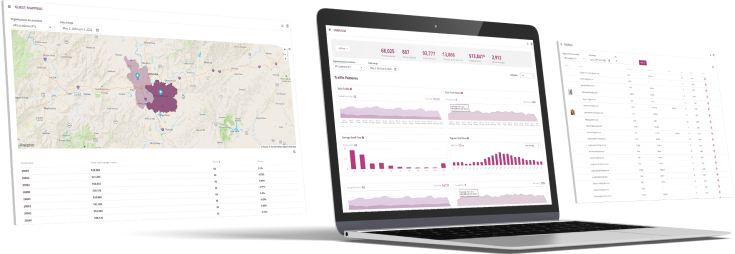

Unlock the Power of Guest Insights with a Restaurant Customer Data Platform

In today’s competitive restaurant industry, harnessing the insights of guests has never been more critical. In essence, the journey to creating unforgettable dining experiences begins with a deep dive into reliable guest insights.

Enter the restaurant Customer Data Platform (CDP), a revolutionary tool designed to capture, centralize, and analyze guest data, offering a comprehensive solution to understanding and enhancing the dining experience.

With a restaurant CDP, the data collected become guideposts for personalization, enabling restaurants to not only meet but exceed the expectations of their guests. It’s about building relationships, crafting experiences, and making every diner feel like the guest of honor at a banquet held in their honor.

This is the promise and the power of understanding guest insights, facilitated by the innovative capabilities of restaurant Customer Data Platforms.

guest insight collection using a customer data platform

Understanding Guest Insights

At the core of guest insights lies the ability to deeply understand the preferences, behaviors, and needs of your diners.

These insights are pivotal for any restaurant aiming to excel. They are the foundation for personalizing the dining experience, ensuring guests not only enjoy their meal but also feel valued and understood.

Guest insights embody the aggregation of data points, demographics, and behavioral cues gathered from every interaction a guest has with a restaurant. From how often and how long they visit, to the comments they share online post-dining.

Every action offers a glimpse into their preferences, expectations, and dining behavior.

However, the relevance of these insights stretches far beyond mere data collection. They are the cornerstone of success in an industry that thrives on personalization and the ability to not just meet but anticipate guest needs.

restaurant customer data platform example

The Power of a Restaurant Customer Data Platform

A restaurant CDP harnesses the power of data collection, offering a window into the world of guest insights that goes beyond the surface level, unlocking the potential for transformative dining experiences.

A restaurant CDP excels in seamlessly consolidating data from a myriad of sources—whether it’s through guest interactions with your WiFi network, online reservations, social media engagements, online ratings, online ordering, or point-of-sale transactions. This amalgamation of data paints a comprehensive picture of each guest, capturing their preferences, spending habits, and dining behaviors in real time.

The true value of a restaurant CDP lies in its ability to turn this vast ocean of data into actionable insights.

With advanced analytics at its core, a CDP enables restaurateurs to delve deep into the intricacies of guest behavior, identifying patterns and preferences that were previously hidden. So, this level of understanding empowers restaurants to tailor experiences that resonate on a personal level, creating moments that guests cherish and remember.

This ongoing collection of data ensures that your understanding of guests is always current, and always evolving, just like the guests themselves.

restaurateurs analyzing guest data

Enhancing Guest Experience with Data-Driven Insights

Armed with the insights provided by a restaurant CDP, restaurateurs can elevate the guest experience to new heights.

From customizing menu recommendations to remembering special occasions, every interaction becomes an opportunity to impress and engage.

The value derived from these insights is huge. With a CDP, restaurateurs gain access to a treasure trove of information about their guests’ behaviors, demographics, preferences, and spending patterns.

This rich dataset goes beyond mere numbers; it tells a story, revealing what delights guests, what draws them back, and what can be improved to elevate their dining experience further.

These insights empower restaurants to not only meet but anticipate the needs and desires of their guests.

Personalized menu recommendations become more accurate, special occasions are remembered and celebrated with a personal touch, and every interaction is an opportunity to make the guest feel truly valued.

Moreover, they enable targeted marketing that speaks directly to the heart of the guest’s preferences, creating marketing campaigns that resonate deeply and foster a sense of belonging and loyalty. This level of personalization enhances the guest experience in profound ways, turning one-time visitors into lifelong patrons.

personalized guest experiences

Personalizing Marketing Efforts

Leveraging guest data, restaurants can craft targeted marketing campaigns that speak directly to the interests and preferences of their diners.

Personalized marketing, underpinned by the profound understanding of guest data, is not just an approach but a transformational strategy that elevates the dining experience, cultivates loyalty, and significantly enhances guest engagement, turning occasional diners into regular patrons.

Targeted messaging is the golden ticket here. It’s smart marketing—sending the right message, to the right person, at the right time.

It means more bang for your buck because you’re talking directly to what each guest loves, making them sit up and take notice. This approach not only saves you from wasting resources but significantly ramps up your engagement rates and ROI.

This personal touch isn’t only about making sales – it’s a conversation. Watching how your guests react to these personalized efforts gives you clues on how to serve them better, keeping your offerings fresh and relevant.

Personalized marketing is about creating connections that matter, turning every message into an opportunity to enchant and engage your guests.

It’s the kind of strategy that not only wins hearts but also builds lasting loyalty.

Beyond enriching the guest experience, a restaurant CDP streamlines operations and reduces costs through enhanced efficiency.

By analyzing data insights, restaurants can identify high-performing dishes, optimize staffing and purchasing, and uncover revenue-generating opportunities, thereby boosting the bottom line.

making informed decisions using guest insights

The Future of Restaurant Customer Data Platforms

As technology evolves, restaurant CDPs continue to advance, offering even more sophisticated analytics and integration capabilities, including the use of generative AI.

The future promises even greater personalization, operational efficiency, and revenue growth opportunities, all driven by data insights.

In essence, the horizon for restaurant CDPs is as boundless as the technology that powers them and the creativity of those who harness their potential.

As we venture forward, these platforms will not only redefine the boundaries of personalized dining but also solidify their status as indispensable tools for cultivating guest loyalty and driving business success in the dynamic world of hospitality.

By harnessing the power of data-driven insights, restaurants can offer unparalleled personalized experiences, streamline operations, and unlock new revenue opportunities.

As we look to the future, the role of CDPs in the restaurant industry is set to become even more integral, promising exciting developments in personalized dining experiences.

Targeted marketing campaigns can fill your restaurant

Discover Bloom Intelligence 

Bloom Intelligence is an AI-powered restaurant marketing platform. It includes a powerful customer data platform, automated guest data collection, marketing automation, and reputation management tools.

Guest data is collected from many different sources and aggregated into one single platform. This makes it simple to analyze and segment your guest personas for your restaurant digital marketing and operations decisions.

Data is collected from sources like WiFi logins, online reservation systems, online ordering platforms, POS systems, website forms, social media and more.

Bloom makes guest data collection effortless, allowing you to quickly execute the strategies listed above, saving you time, increasing customer lifetime values, attracting new guests, improving your reputation, and boosting your bottom line.

Click Here to Schedule a Free Online Demo, or call 727-877-8181 to see how we can help you save time and drive tangible results for your restaurants.


Segmenting Your Restaurant’s Email List for Targeted Marketing Success

In the digital age, where personalized marketing reigns supreme, the importance of effectively segmenting an email list cannot be overstated, especially in the restaurant industry.

Tailoring your messages to resonate with different segments of your audience is crucial in today’s digital age.

This article looks into the best practices for segmenting a restaurant’s email list, ensuring that each campaign is not just a shot in the dark, but a strategic move towards deeper customer engagement and business growth.

Understanding the Basics of Email List Segmentation

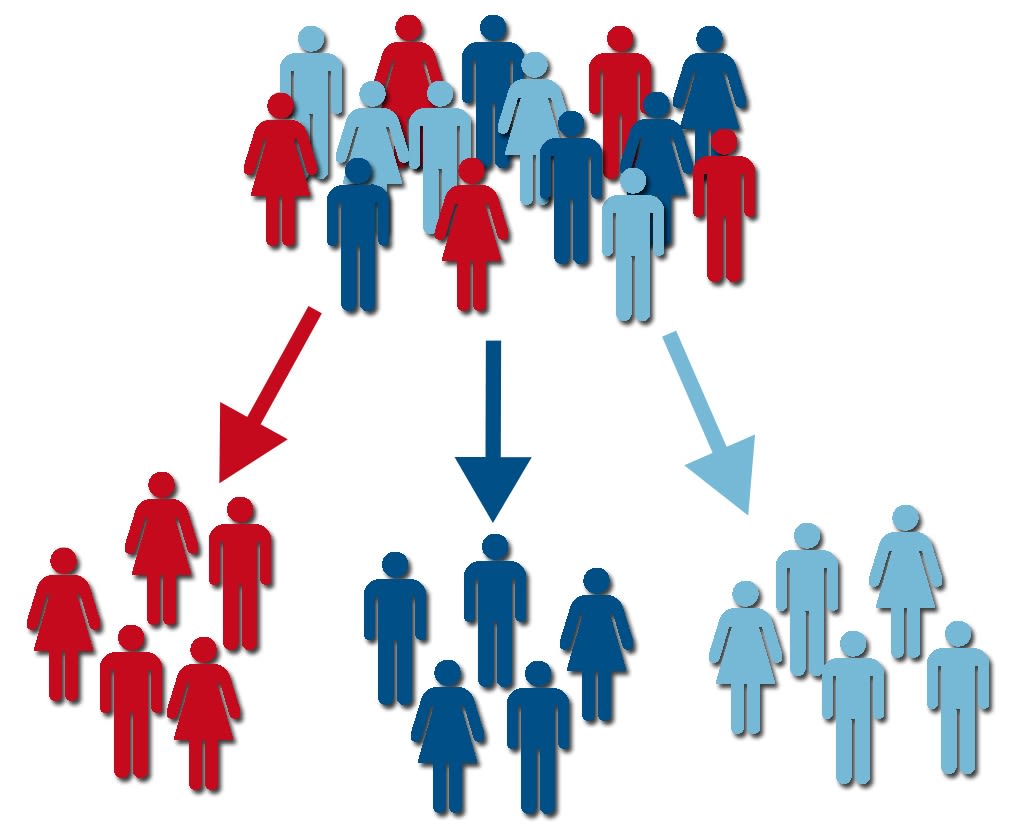
Email list segmentation involves dividing your restaurant’s email subscribers into smaller, more focused groups based on specific criteria.

This targeted approach allows for more personalized and relevant restaurant email marketing. Research shows that marketers who use segmented campaigns see as much as a 760% increase in revenue, highlighting the significant impact of this strategy.

Why Segment Your Email List?

The primary goal of email list segmentation is sending the right message to the right person at the right time.

This strategy increases the chances of your emails being opened, read, and acted upon. For restaurants, this could mean anything from a higher rate of reservations to an increase in event participation or more engagement with special promotions.

Strategies for Segmenting Your Restaurant’s Email List

1. Demographic Segmentation

This is one of the most straightforward ways to segment your list. It involves categorizing your audience based on demographic factors like age, gender, income level, or occupation.

For instance, a restaurant might send different promotional emails to college students than to retirees, acknowledging their distinct dining preferences and spending habits.

2. Geographic Segmentation

Tailoring your email content based on the geographical location of your customers can significantly enhance the relevance of your communication.

For example, a restaurant with multiple locations might send location-specific promotions or updates about local events to subscribers in that area.

3. Behavioral Segmentation

Behavioral segmentation involves categorizing customers based on their interactions with your restaurant. This can include visit frequency, average spending, menu preferences, and past responses to email campaigns.

Using this data, you can create targeted offers that resonate with each customer’s unique dining history and preferences.

4. Psychographic Segmentation

This form of segmentation delves deeper into the psychological aspects of your customers, such as lifestyle, values, interests, and attitudes.

Understanding these elements can help tailor your messaging to align with the specific values or interests of different segments of your audience.

Customer Segmentation

Implementing Email List Segmentation in Your Restaurant

Collecting the Right Data

The foundation of effective segmentation is collecting relevant customer data.

Ensure that your restaurant’s email signup forms are designed to capture essential information. This might include basic demographic details or preferences like favorite cuisine or dietary restrictions.

Utilizing Email Marketing Software

Most email marketing software offers tools for segmentation.

These platforms allow you to create different lists or tags based on the criteria you set, making the process of sending targeted campaigns more manageable and efficient.

Regularly Updating Your Segments

Customer preferences and behaviors can change over time. Regularly review and update your segments to ensure they remain relevant and effective.

This might involve reassessing your segmentation criteria or conducting surveys to gather updated customer information.

Crafting Targeted Email Campaigns for Each Segment

Once you have your segments defined, the next step is crafting email content that appeals to each group. This could range from personalized birthday offers to loyalty program updates or information about new menu items that align with specific dietary preferences.

Testing and Refining Your Approach

Implement A/B testing to understand what works best for each segment.

Test different subject lines, email designs, and calls to action to see which versions yield the best open and click-through rates. Use these insights to continually refine your segmentation strategy and email content.

Measuring the Success of Segmented Email Campaigns

It is vital to track key metrics such as open rates, click-through rates, conversion rates, and overall engagement for each segmented campaign.

Analyzing these metrics will give you a clear understanding of how well your segmented emails are performing and where there is room for improvement.

Conclusion

Email list segmentation is a powerful tool in the arsenal of restaurant marketing. By sending targeted, relevant, and personalized emails, restaurants can significantly enhance customer engagement, increase loyalty, and drive revenue.

The key lies in understanding your audience, collecting and analyzing the right data, and continually refining your approach based on performance metrics and customer feedback.

In today’s competitive restaurant landscape, mastering the art of email list segmentation can be the difference between a thriving business and one that gets lost in the shuffle.

Targeted marketing campaigns can fill your restaurant

Discover Bloom Intelligence 

Bloom Intelligence is an AI-powered restaurant marketing platform. It includes a powerful customer data platform, automated guest data collection, marketing automation, and reputation management tools.

Guest data is collected from many different sources and aggregated into one single platform. This makes it simple to analyze and segment your guest personas for your restaurant digital marketing and operations decisions.

Data is collected from sources like WiFi logins, online reservation systems, online ordering platforms, POS systems, website forms, social media and more.

Bloom makes guest data collection effortless, allowing you to quickly execute the strategies listed above, saving you time, increasing customer lifetime values, attracting new guests, improving your reputation, and boosting your bottom line.

Click Here to Schedule a Free Online Demo, or call 727-877-8181 to see how we can help you save time and drive tangible results for your restaurants.


Elevating Restaurant Marketing: The Synergy of Automation and Email Marketing

In the vibrant world of the restaurant industry, the amalgamation of marketing automation and email marketing is proving to be a game-changer. This synergistic approach allows restaurants to engage guests more effectively, streamline communication, and enhance overall marketing strategies. This article examines how marketing automation, coupled with email marketing, is transforming the way restaurants connect with their guests, leading to increased satisfaction and business growth.

The Impact of Marketing Automation on Restaurant Email Campaigns

Marketing automation has redefined the efficiency and effectiveness of email marketing in the restaurant sector. By automating repetitive tasks and personalizing communications, restaurants can reach their guests in a more impactful and time-efficient manner.

Advantages of Combining Marketing Automation with Email Marketing:

  • Enhanced Personalization and Segmentation: Automated systems enable restaurants to segment their guest lists and send personalized emails based on individual guest preferences and behaviors. According to Campaign Monitor, marketers who use segmented campaigns note as much as a 760% increase in revenue.
  • Consistency in Communication: With automation, restaurants ensure consistent and regular communication with their guests, maintaining engagement and brand presence.
  • Efficient Resource Utilization: Automation in email marketing streamlines processes, reducing the time and manpower required for campaign management, thus optimizing marketing resources.

Strategies for Effective Integration of Marketing Automation in Email Marketing

To maximize the benefits of marketing automation in email campaigns, restaurants need to adopt specific strategies:

Implementing Automated Email Workflows:

Creating automated email workflows for different guest interactions such as welcoming new subscribers, following up post-visit, or sending birthday offers, ensures timely and relevant communication.

Utilizing Data-Driven Insights:

By analyzing guest data collected through various touchpoints, restaurants can tailor their email content to match guest preferences, enhancing the relevance and effectiveness of their campaigns.

Continuously Optimizing Email Campaigns:

Regularly testing and optimizing email content, subject lines, and send times, based on guest responses and engagement metrics, ensures continuous improvement and effectiveness of email marketing efforts.

Assessing the Impact of Marketing Automation on Email Marketing

Monitoring Engagement Metrics:

Key performance indicators like open rates, click-through rates, and conversion rates provide insights into the effectiveness of automated email campaigns.

Evaluating Guest Feedback:

Collecting and analyzing guest feedback on email communications offers valuable insights into guest preferences and satisfaction levels with the marketing efforts.

Tracking Return on Investment:

Assessing the impact of automated email marketing on sales and return visits helps in understanding its contribution to revenue growth and overall marketing ROI.

Conclusion: Harnessing the Power of Marketing Automation in Email Marketing for Restaurants

In conclusion, the integration of marketing automation with email marketing represents a significant advancement for the restaurant industry. By leveraging this combination, restaurants can engage their guests more effectively, streamline their marketing efforts, and drive business growth. The adoption of this integrated approach is not just a technological enhancement; it’s a strategic decision towards building stronger relationships with guests and achieving long-term success in the competitive restaurant landscape.

Targeted marketing campaigns can fill your restaurant

Discover Bloom Intelligence 

Bloom Intelligence is an AI-powered restaurant marketing platform. It includes a powerful customer data platform, automated guest data collection, marketing automation, and reputation management tools.

Guest data is collected from many different sources and aggregated into one single platform. This makes it simple to analyze and segment your guest personas for your restaurant digital marketing and operations decisions.

Data is collected from sources like WiFi logins, online reservation systems, online ordering platforms, POS systems, website forms, social media and more.

Bloom makes guest data collection effortless, allowing you to quickly execute the strategies listed above, saving you time, increasing customer lifetime values, attracting new guests, improving your reputation, and boosting your bottom line.

Click Here to Schedule a Free Online Demo, or call 727-877-8181 to see how we can help you save time and drive tangible results for your restaurants.


Why You Need Restaurant Marketing Software in 2025

In 2025, the restaurant industry stands at a pivotal crossroads when the digital world touches every part of our daily lives. The idea of dining out is no longer only about physical spaces, as it expands into the vast expanse of the internet.

Here, between the chatter of social media and the all-important voices of online reviewers, restaurants are vying for the attention and affection of the modern diner. This digital revolution calls for more than great food and enticing ambiance; it’s about being seen and heard online.

It demands an understanding of restaurant marketing software. These software platforms aren’t just tools; they’re the lifeblood of a restaurant’s ability to thrive in an era where online visibility and engagement dictate success.

As we look into the significance of restaurant marketing in today’s digital landscape, the array of sophisticated restaurant marketing software at our disposal, and the innovative strategies that can redefine the way we connect with our guests, we uncover the blueprint for flourishing in the competitive world of 2025 and beyond.

using restaurant marketing software

Why Restaurant Marketing Tools Are Important in 2025

As digital engagement continues to rise, the importance of restaurant marketing in 2025 cannot be overstated. In a landscape where consumer preferences are increasingly influenced by online presence and digital interactions, restaurants must leverage marketing to build brand awareness, engage with their audience, and ultimately drive more revenue.

A robust digital presence – including email marketing and SMS – ensures your restaurant remains visible and appealing to the digital-savvy diner. That’s why using a comprehensive restaurant marketing platform is so important.

Imagine your restaurant as a culinary treasure hidden in a huge digital sea. Without a beacon to guide diners to your doorstep, how will they discover you?

This is where restaurant marketing software comes into play, acting as your lighthouse in the digital fog. It’s not just about getting noticed but about creating connections that resonate with your guests.

In 2025, every like, share, and review paints a picture of your brand’s story, telling a story that draws diners closer to your restaurant. Whether it’s a Facebook post that makes them smile, an Instagram post that leaves them drooling, or a timely email that hits just the right note, effective marketing turns browsers into loyal patrons who feel a bond with your restaurant.

Moreover, with the online realm being today’s battleground for reputation, managing your digital presence with precision and care is non-negotiable. A well-crafted response to a review, a heartfelt thank you to a compliment, or a swift resolution to a diner’s concern can turn potential crises into opportunities to showcase your commitment to excellence.

So, why is restaurant marketing strategy important in 2025?

Because in an era where dining choices are abundant, and attention spans are short, being just another eatery isn’t enough. You need to stand out, engage, and entice in a way that leaves a mark on your guests’ hearts (and taste buds).

And with the right restaurant marketing strategies fueling your journey, the path to becoming a success is clearer than ever.

Types of Restaurant Marketing Software

In today’s competitive restaurant industry, understanding and deploying the right mix of marketing tools is akin to crafting a menu that caters to every palate. Each type of restaurant marketing software is a specialized ingredient designed to enhance your marketing efforts and streamline operations.

Let’s dissect a few of these tools, understanding their unique flavors and how they contribute to a successful marketing strategy to drive revenue.

Customer Data Platforms (CDPs)

Restaurant CDPs act as the master chefs of data, blending ingredients (guest data and behavior) from various sources such as online orders, WiFi, reservations, and review sites to create a unified customer profile. The ability to automatically collect customer data such as phone numbers, emails, demographics, zip codes, reviews, orders, and reservations allows restaurant owners to have detailed customer profiles.

Building a CDP of guest profiles that unlocks customer insights enables you to slice through the noise, identifying individual guest preferences and behaviors. This depth of insight allows for marketing strategies that are not just broad mass sends but finely tuned messages that resonate personally, significantly enhancing the dining experience when a guest interacts with your brand and allowing you to send personalized messaging to engage customers.

With advanced customer segmentation capabilities, CDPs allow you to segment your customer base into guest lists or audiences such as regulars, at-risk guests, locals, or tourists for easy, targeted email/SMS marketing and online advertising campaigns.

Customer data platforms (CDPs) are different from restaurant CRMs. CDPs automatically collect, clean, and analyze guest data and behavior from three sources or more, giving the hospitality industry a powerful marketing tool to attract new customers and build loyalty with existing customers from anything from surprise and delight offers for birthdays and anniversaries or identify at-risk guests to target with offers to bring them back to your doors.

A restaurant CRM typically collects data from one source of guest data and is typically a manual process. CRMS ultimately is a bucket to hold data, while CDPs are a much larger understanding of your customers.

Wifi Marketing Platforms

The modern diner often expects more than exquisite cuisine—they seek connectivity. WiFi marketing platforms turn offering internet connection from a mere convenience to a strategic asset.

These platforms serve as a net, capturing valuable guest data and behavior before logging into guest wifi by sensing a customer device and when logging into your WiFi by capturing guest data in the opt field, including names, contact information, birthdays, and more.

This information becomes the foundation for personalized marketing efforts, making every offer or message you send as tempting as your signature dish. The guest data can also be automatically fed into a CDP to build your guest database fast and effortlessly.

Reputation Management Tools

In the world of online reviews and social media, your restaurant’s reputation is always under the spotlight. Reputation Management Tools are like having a PR specialist on call 24/7, constantly monitoring the digital landscape for mentions of your brand.

They allow you to respond to feedback proactively, preserving and enhancing your online image. Restaurant reputation tools ensure that your restaurant addresses concerns and highlights accolades, maintaining a stellar reputation that attracts new patrons. With AI, reputation management can now be fully automated, monitoring and responding to reviews on multiple sites without you lifting a finger.

Plus, restaurant operators can use AI-generated reports about their guest sentiment and customer satisfaction to train staff on how to improve service, ultimately leading to the satisfaction and retention of their guests.

Restaurant Loyalty Programs

A restaurant loyalty program offers significant value by fostering customer retention and increasing repeat visits, which is crucial for sustained business growth. It rewards regular customers with exclusive benefits, such as discounts, loyalty points, special offers, and personalized experiences, incentivizing them to choose your restaurant over competitors and fostering customer loyalty.

Also, loyalty programs provide valuable customer preferences and behavior data, enabling tailored marketing strategies that resonate with your audience.

The downside of traditional loyalty programs is that they only consider super users or guests who download your restaurant’s mobile app. Customers who download mobile apps typically represent 3-10% of your total guests.

Restaurant marketing platforms like Bloom Intelligence aggregate guest data from all sources of guest data, allowing you to use loyalty functionality for a much larger segment of your guests.

Digital Marketing Automation Tools

Marketing Automation Tools take on the heavy lifting of repetitive tasks. From scheduling and sending automated marketing campaigns, such as automated emails, to managing customer sentiment and sending SMS messages, these tools keep your marketing engine running smoothly.

They ensure your restaurant remains in constant communication with your guests, delivering the right message at the right time without overwhelming you or your team, allowing you to focus on other important aspects of your business.

Embracing these diverse restaurant marketing software solutions is not just beneficial; it’s essential. Each tool offers a unique advantage, from deepening customer engagement to automating operational tasks and managing your online reputation.

Integrating these technologies into your marketing strategy is like curating a menu that delights every diner, setting your restaurant up for success in the digital age.

Ways To Use A Restaurant Marketing Platform – Marketing Channels

Leveraging a restaurant marketing platform to tailor your outreach can transform a simple meal into a memorable experience.

Let’s explore how you can utilize restaurant marketing software, focusing on the tried-and-true methods of email and SMS marketing, as well as the increasingly crucial role of guest reviews and feedback, to not only elevate your revenue but also re-attract lost guests and elevate the overall guest experience.

Email Marketing

Crafting and sending restaurant email marketing messages becomes a breeze with a restaurant marketing platform. You can segment your customer base, sending loyal diners exclusive previews of your new menu or enticing occasional visitors with a special offer that reignites their interest.

By sending specific emails to each group that would appeal to them based on interests, demographics, and/or behavior, the guests will be more likely to engage with your emails.

The key is personalization. For instance, an email celebrating a guest’s birthday with a complimentary dessert feels like a personal touch from the restaurant, fostering a deeper connection between your restaurant and the diner.

SMS Marketing

SMS marketing, on the other hand, is the nudge that reminds your patrons why they fell in love with your restaurant in the first place. It’s direct, immediate, and has the power to cut through the clutter.

Whether it’s a sale on takeout orders or a reminder of a reservation, SMS marketing ensures your message lands in the palms of their hands. This method can prompt quick action, whether booking a last-minute table or taking advantage of a limited-time offer.

Leveraging Guest Reviews and Feedback

In today’s digital age, a review is not just a review—it’s the cornerstone of your restaurant’s reputation. Integrating guest reviews and feedback into your marketing strategy can significantly impact your revenue. Encouraging satisfied diners to share their experiences online boosts your restaurant’s visibility and acts as a beacon to potential customers.

Conversely, addressing negative feedback promptly and thoughtfully can turn a dissatisfied patron into a loyal advocate. Moreover, analyzing this feedback provides invaluable insights into your operations, helping you fine-tune your menu, service, and ambiance to meet your guests’ expectations better.

This continuous improvement process, fueled by real guest feedback, ensures that your restaurant attracts new diners and wins back those who may have had a less-than-stellar experience. It’s about creating a cycle of positive experiences, where every meal served is better than the last, and every diner leaves looking forward to their next visit.

In essence, a restaurant marketing platform offers a suite of tools that, when used effectively, can dramatically enhance how you engage with your audience.

From the immediacy of SMS marketing to the personalized touch of email campaigns and the transformative power of guest reviews and feedback, these strategies collectively forge a stronger bond with your diners. They ensure every interaction is an opportunity to impress, recover, and delight, turning casual visitors into lifelong patrons.

Tying It All Together: Restaurant Marketing Software

Embracing restaurant marketing software is not just a step toward digital transformation. It’s a leap into creating deeper, more meaningful connections with diners.

From the strategic deployment of email marketing and automation to the nuanced utilization of guest reviews and feedback, each element of this marketing toolkit is designed to elevate the guest experience, ensuring that every interaction is memorable. It’s about embracing technology not as a substitute for human interaction but as a bridge to more authentic, memorable dining experiences.

Whether rekindling the interest of lost guests, enhancing revenue through targeted promotions, or continuously refining the guest experience based on real feedback, the power of a restaurant marketing platform is undeniable. Read about the Bloom Intelligence restaurant marketing platform below and get ready to make your business bloom.

Restaurant marketing software can fill your restaurant

Discover Bloom Intelligence – Marketing Software for Restaurants 

Bloom Intelligence is an AI-powered restaurant marketing platform. Bloom’s all-in-one restaurant marketing platform includes a powerful customer data platform, automated guest data collection, marketing automation, and reputation management tools.

Bloom gathers guest data from various sources and aggregates it into one platform. This makes it simple to analyze and segment your guest personas for your restaurant’s digital marketing and operations decisions.

Data is collected from WiFi logins, online reservation systems, online ordering platforms, POS systems, website forms, social media, and more. Bloom makes guest data collection effortless, allowing you to quickly execute the abovementioned restaurant marketing strategies and track marketing campaigns down to actual ROI, saving time, increasing customer lifetime values, attracting new guests, improving your reputation, and boosting your bottom line.

Click Here to Schedule a Free Online Demo, or call 727-877-8181 to see how we can help you save time and drive tangible results for your restaurants.


The Art of Personalizing the Guest Experience with Data-Driven Insights

In the modern restaurant industry, the ability to deliver personalized experiences to guests is not just an added luxury – it’s a necessity for standing out in a crowded market.

Data-driven insights are key to unlocking the potential of personalized guest experiences and restaurant marketing. This approach leverages customer data to tailor services, offers, and interactions, thereby significantly enhancing guest satisfaction and loyalty.

The Power of Personalization in the Restaurant Industry

Personalization in the restaurant industry goes beyond just addressing a guest by name. It’s about creating unique dining experiences based on guests’ preferences and previous interactions. According to a study by Epsilon, 80% of consumers are more likely to make a purchase when brands offer personalized experiences. This statistic highlights the immense potential of personalization in driving business growth.

Leveraging Data for Tailored Experiences:

  1. Understanding Guest Preferences. Data analysis of touchpoints like reservations or order forms helps personalize menu recommendations and service styles based on guest preferences.
  2. Customized Marketing: Personalized marketing communications based on guest data ensure that the right message reaches the right customer. A tailored email about a new dish or a special offer based on past dining preferences can significantly increase engagement and return visits.
  3. Predictive Personalization: Utilizing predictive analytics, restaurants can anticipate guest needs and preferences, enabling them to offer a more proactive and customized service.

Strategies for Implementing Data-Driven Personalization

The successful implementation of data-driven personalization involves several key strategies:

Collecting and Analyzing Guest Data:

Gathering data from various interactions and transactions with guests provides a goldmine of information. This data needs to be analyzed to extract meaningful insights about guest preferences and behaviors.

Segmenting the Audience:

Segmenting guests based on their data profiles enables restaurants to tailor their communications and offers. For instance, sending a special birthday offer to guests based on their birthdate data can enhance personal connections.

Personalized Communication:

Sending personalized communications, such as emails or text messages, based on guests’ previous interactions, enhances the feeling of being valued and understood. This approach nurtures loyalty and increases the likelihood of repeat visits.

Measuring the Success of Personalization Efforts

Tracking Engagement and Feedback:

Monitoring how guests respond to personalized experiences and communications is crucial. Engagement metrics like open rates for personalized emails or redemption rates for targeted offers provide insights into the effectiveness of personalization strategies.

Analyzing Sales and Return Visits:

Evaluating the impact of personalization on sales and the frequency of return visits helps in understanding its ROI. A study by InfoGroup found that 44% of consumers are more likely to become repeat buyers after a personalized shopping experience with a particular company.

Conclusion: The Essential Role of Personalization in Enhancing Guest Experiences

Leveraging data-driven insights for personalizing guest experiences is no longer optional but essential for the success of modern restaurants. By understanding and catering to individual guest preferences, restaurants can create memorable experiences, foster loyalty, and drive business growth.

For restaurant owners and marketers, embracing the art of personalization through data-driven strategies is a critical step toward building a strong, guest-centric brand that resonates with today’s consumers.

Targeted marketing campaigns can fill your restaurant

Discover Bloom Intelligence 

Bloom Intelligence is an AI-powered restaurant marketing platform. It includes a powerful customer data platform, automated guest data collection, marketing automation, and reputation management tools.

Guest data is collected from many different sources and aggregated into one single platform. This makes it simple to analyze and segment your guest personas for your restaurant digital marketing and operations decisions.

Data is collected from sources like WiFi logins, online reservation systems, online ordering platforms, POS systems, website forms, social media and more.

Bloom makes guest data collection effortless, allowing you to quickly execute the strategies listed above, saving you time, increasing customer lifetime values, attracting new guests, improving your reputation, and boosting your bottom line.

Click Here to Schedule a Free Online Demo, or call 727-877-8181 to see how we can help you save time and drive tangible results for your restaurants.

Effective Digital Reputation Management for Restaurants

In today’s digital-first era, a restaurant’s online reputation can significantly impact its success. Effective online reputation management has become a key strategy for restaurants looking to maintain a positive image and attract more guests. This article explores the critical elements of reputation management in the digital age and how restaurants can leverage them to enhance their brand presence.

The Importance of Online Reputation in the Restaurant Industry

A strong online presence and positive reputation are instrumental in shaping a restaurant’s image and attracting new guests. With the proliferation of review sites and social media platforms, managing what is being said about a restaurant online is more crucial than ever.

Key Aspects of Online Reputation Management:

  1. Monitoring Online Reviews and Feedback: Regularly tracking reviews on platforms like Yelp, Google, and TripAdvisor is essential. Understanding guest feedback helps restaurants address concerns and improve service.
  2. Engaging with Guests Online: Responding to reviews, both positive and negative, demonstrates that a restaurant values guest feedback. A prompt and thoughtful response can turn a negative review into a positive experience.
  3. Building a Strong Online Presence: Maintaining updated profiles on various digital platforms ensures that potential guests have access to accurate information about the restaurant, including hours, menu, and location.
  4. Leveraging Social Media: An active social media presence helps restaurants engage with their audience, share updates, and promote their brand. It’s a powerful tool for building and maintaining a positive online reputation.

Implementing Effective Reputation Management Strategies

The effective management of a restaurant’s online reputation involves several key strategies:

Proactive Review Management:

Encouraging guests to leave reviews and actively managing these reviews are crucial. A positive review strategy includes asking satisfied guests to share their experiences online and addressing any negative feedback promptly and professionally.

Responding to Feedback:

Personalized responses to online reviews show that a restaurant values its guests’ opinions. Addressing issues raised in negative reviews and expressing gratitude for positive feedback are both essential in reputation management.

Consistent Brand Messaging:

Ensuring that all online communications reflect the restaurant’s brand and values is vital. Consistency across digital platforms reinforces the restaurant’s identity and helps build trust with guests.

Engaging Content on Social Media:

Creating and sharing engaging content on social media platforms keeps the audience interested and involved. This content can range from showcasing menu items to highlighting special events or promotions.

Measuring the Impact of Reputation Management

Analyzing Feedback Trends:

Regular analysis of feedback and reviews can provide valuable insights into guest preferences and areas for improvement.

Trends in feedback can guide operational and service enhancements.

Monitoring Online Metrics:

Tracking online metrics such as review scores, social media engagement, and website traffic helps gauge the effectiveness of a restaurant’s reputation management efforts.

Prioritizing Digital Reputation for Restaurant Growth

In summary, effective online reputation management is imperative for restaurants in today’s digital landscape. By actively managing reviews, engaging with guests online, and maintaining a consistent brand presence, restaurants can significantly enhance their reputation and attract more guests.

For restaurant owners and marketers, prioritizing digital reputation management is not just about damage control; it’s about proactively building a brand that resonates with guests and fosters long-term success.

Targeted marketing campaigns can fill your restaurant

Discover Bloom Intelligence 

Bloom Intelligence is an AI-powered restaurant marketing platform. It includes a powerful customer data platform, automated guest data collection, marketing automation, and reputation management tools.

Guest data is collected from many different sources and aggregated into one single platform. This makes it simple to analyze and segment your guest personas for your restaurant digital marketing and operations decisions.

Data is collected from sources like WiFi logins, online reservation systems, online ordering platforms, POS systems, website forms, social media and more.

Bloom makes guest data collection effortless, allowing you to quickly execute the strategies listed above, saving you time, increasing customer lifetime values, attracting new guests, improving your reputation, and boosting your bottom line.

Click Here to Schedule a Free Online Demo, or call 727-877-8181 to see how we can help you save time and drive tangible results for your restaurants.

Transforming Restaurant Marketing with Automated Campaigns

In the dynamic world of the restaurant industry, inspired by thriving digital entertainment models such as the best offshore online casinos that leverage targeted promotions to captivate audiences worldwide, the ability to swiftly adapt and respond to changing customer preferences is crucial. Automated marketing campaigns have emerged as a transformative tool for restaurants, streamlining marketing efforts, saving time, and enhancing efficiency. This article explores how marketing automation is redefining restaurant marketing and the profound impact it has on guest engagement and business growth, much like how those interactive platforms build ongoing user commitment through clever data-driven strategies.

The Power of Automation in Restaurant Marketing

Marketing automation involves using software to automate repetitive marketing tasks. This innovation allows restaurant owners and marketers to focus on strategy and creativity while automated systems manage the routine tasks efficiently.

Key Benefits of Marketing Automation:

  1. Time-Saving Efficiency: Automated campaigns handle tasks such as scheduling emails, managing social media posts, and segmenting customers. This efficiency frees up valuable time, allowing staff to concentrate on more strategic initiatives.
  2. Consistent Guest Communication: Automation ensures consistent and timely communication with the audience. Scheduled posts and emails maintain a steady flow of interaction, keeping the restaurant’s brand active and engaged with its customer base.
  3. Personalized Customer Experiences: Automation tools analyze customer data to deliver personalized messages and offers. This tailored approach enhances customer satisfaction and increases the likelihood of repeat business.
  4. Increased Marketing ROI: By automating routine tasks and personalizing communication, restaurants can optimize their marketing resources, leading to a higher return on investment.

Implementing Automated Marketing Strategies

Adopting marketing automation requires selecting the right software and integrating it effectively with existing systems like POS and reservation platforms. Key strategies include:

Developing Automation Workflows:

Creating workflows that reflect the customer journey is essential. For example, restaurants can set up automated emails to welcome new customers, request feedback post-dining, or offer exclusive promotions to frequent guests.

Email Marketing Automation:

Email is a potent tool for engaging with restaurant customers. Automation helps in sending out newsletters, promotions, and event invitations effectively. Segmenting email lists based on customer preferences ensures messages are targeted and relevant.

Social Media Automation:

Maintaining an active and consistent presence on social media is vital. Automation tools can schedule posts, track engagement, and even handle customer inquiries, ensuring the restaurant’s brand remains prominent and interactive.

Leveraging Loyalty Programs:

Automation can enhance loyalty programs by tracking customer purchases and rewarding loyal diners with points or discounts. Personalized offers can be sent automatically to encourage repeat visits.

Measuring the Success of Automated Campaigns

Monitoring Key Performance Indicators (KPIs):

Evaluating the effectiveness of marketing automation involves tracking KPIs like email open rates, click-through rates, and conversion rates. These metrics offer insights into what strategies are successful and which need refinement.

Conducting A/B Testing:

Testing different messaging, offers, and workflows through A/B testing allows for refining strategies based on data-driven results and customer feedback.

Conclusion: Embracing Marketing Automation for Restaurant Success

In conclusion, marketing automation represents a significant advancement for the restaurant industry. By streamlining marketing efforts, personalizing customer interactions, and maximizing resource efficiency, automation is playing a pivotal role in shaping the future of restaurant marketing.

For restaurant owners and marketers, embracing automation is not just about keeping pace with technological advancements; it’s about leveraging these tools to create more meaningful connections with guests and drive sustainable business growth.

Targeted marketing campaigns can fill your restaurant

Discover Bloom Intelligence 

Bloom Intelligence is an AI-powered restaurant marketing platform. It includes a powerful customer data platform, automated guest data collection, marketing automation, and reputation management tools.

Guest data is collected from many different sources and aggregated into one single platform. This makes it simple to analyze and segment your guest personas for your restaurant digital marketing and operations decisions.

Data is collected from sources like WiFi logins, online reservation systems, online ordering platforms, POS systems, website forms, social media and more.

Bloom makes guest data collection effortless, allowing you to quickly execute the strategies listed above, saving you time, increasing customer lifetime values, attracting new guests, improving your reputation, and boosting your bottom line.

Click Here to Schedule a Free Online Demo, or call 727-877-8181 to see how we can help you save time and drive tangible results for your restaurants.


Guest Data Management: The Role of a Centralized Customer Data Platform in Restaurants

In the dynamic and competitive realm of the restaurant industry, the effective management and utilization of guest data have emerged as key differentiators for success. Centralized Customer Data Platforms (CDPs) are at the heart of this transformation, equipping restaurants with the tools to harness the full potential of data for enriching guest experiences and driving business growth.

The Necessity of Centralized Data in Today’s Restaurant Industry

The contemporary restaurant sector demands more than culinary prowess; it requires an in-depth understanding and application of guest data to tailor experiences and meet ever-evolving expectations. Integrating diverse data sources, from online ordering systems and Wi-Fi analytics to POS systems and reservation platforms, poses a significant challenge. This is precisely where a centralized CDP becomes indispensable, acting as a unified hub for all guest-related data.

The Significance of Data Centralization

Centralizing guest data within a CDP offers multiple strategic advantages for restaurants:

  1. Holistic Guest Profiles: By collating data from various customer touchpoints, CDPs enable the creation of comprehensive guest profiles. This aggregate view facilitates the customization of services and fosters deeper guest loyalty.
  2. Refined Marketing Efforts: A CDP empowers restaurants to effectively segment their audience and tailor marketing strategies to specific groups, thereby enhancing engagement and improving conversion rates.
  3. Insights for Operational Excellence: Centralized data offers invaluable insights into operational efficiencies, such as identifying peak dining hours, popular menu items, and typical guest spending patterns, aiding in informed decision-making.
  4. Personalized Guest Experiences: Understanding guests’ preferences and behaviors through a CDP allows restaurants to offer personalized services, recommend dishes, and create tailored offers, enhancing the overall dining experience.

The Benefits of Implementing a CDP

CDPs stand out with their capabilities to aggregate, analyze, and act on guest data. Here’s how they empower restaurants:

  1. Data Aggregation: CDPs integrate data from diverse sources, ensuring comprehensive and accessible guest information.
  2. Advanced Analytics: Leveraging AI and machine learning, CDPs analyze guest data to reveal patterns, preferences, and trends, providing deep insights into customer behavior.
  3. Marketing Automation: CDPs streamline marketing efforts, from conducting personalized email campaigns to creating targeted promotions, based on sophisticated data analysis.
  4. Reputation Management Support: By tracking reviews and feedback, CDPs offer a holistic view of guest sentiment, crucial for managing a restaurant’s online reputation.

Practical Applications and Case Studies

The application of CDPs in the restaurant industry is marked by significant and measurable outcomes. For example, a regional restaurant chain utilizing a CDP experienced a 25% increase in the effectiveness of its email marketing campaigns due to enhanced personalization. In another instance, a fine-dining restaurant leveraged guest data from its CDP to refine its menu, leading to a 30% increase in repeat patronage.

Conclusion: The Strategic Imperative of CDPs in Modern Restaurants

In summary, a centralized Customer Data Platform is a strategic necessity in the modern restaurant industry. By transforming disparate guest data into actionable insights, CDPs play a pivotal role in enabling enhanced guest experiences and business growth.

For restaurant owners and marketers aiming to leverage the full potential of data, CDPs offer a robust pathway to deepening guest engagement, optimizing operational efficiency, and gaining a competitive edge in the fast-evolving restaurant landscape.

Targeted marketing campaigns can fill your restaurant

Discover Bloom Intelligence 

Bloom Intelligence is an AI-powered restaurant marketing platform. It includes a powerful customer data platform, automated guest data collection, marketing automation, and reputation management tools.

Guest data is collected from many different sources and aggregated into one single platform. This makes it simple to analyze and segment your guest personas for your restaurant digital marketing and operations decisions.

Data is collected from sources like WiFi logins, online reservation systems, online ordering platforms, POS systems, website forms, social media and more.

Bloom makes guest data collection effortless, allowing you to quickly execute the strategies listed above, saving you time, increasing customer lifetime values, attracting new guests, improving your reputation, and boosting your bottom line.

Click Here to Schedule a Free Online Demo, or call 727-877-8181 to see how we can help you save time and drive tangible results for your restaurants.


Revolutionizing Restaurant Guest Experiences with CDP-Powered Analytics

In 2025, where the restaurant industry faces intense competition and heightened guest expectations, the advent of CDP-collected restaurant analytics has emerged as a game-changer.

This innovative approach is not just reshaping the landscape of restaurant management but is fundamentally altering the dynamics of guest interaction and experience enhancement.

The leap from traditional data collection to CDP-powered analytics signifies a paradigm shift in how the restaurant industry understands and caters to its guests.

This technology isn’t about replacing the human touch in hospitality. Rather, it complements it with deep, actionable insights.

Imagine being equipped with knowledge about your guest’s favorite dining times, their dining preferences, or even their spending habits. This level of insight is achieved through a meticulous and data-driven process.

The Critical Role of Analytics for Restaurants

It is no longer just about serving great food. It’s about crafting exceptional experiences tailored to each guest’s preferences.

This is where the critical role of analytics for restaurants comes into sharp focus. It represents a transformative shift from traditional, intuition-based decision-making to data-driven strategies that redefine guest satisfaction and operational efficiency.

As we look deeper into this section, we’ll explore how analytics, particularly AI-powered analytics, is revolutionizing the restaurant industry, offering unprecedented insights into guest behavior, enhancing personalized experiences, and driving business growth in ways previously unimaginable.

1. Personalization at Its Core:

AI analytics allows for an unprecedented level of personalization in guest experiences. Customizing menu recommendations and tailoring marketing messages were once exclusive to upscale dining. Now, with AI, these personalized touches become accessible across the broader restaurant market.

2. Predictive Analytics: A Step Ahead:

AI systems are adept at predicting trends and guest behaviors. This predictive capability is invaluable for restaurants, allowing them to anticipate and respond proactively to guest needs. Predictive analysis can lead to better inventory management, staffing decisions, and even menu design.

3. Targeted Marketing: The New Norm:

Understanding guest preferences and behaviors through AI analytics paves the way for highly targeted and effective marketing strategies. Unlike the traditional broad-brush approach, restaurants can now design segmented campaigns. These campaigns resonate with distinct guest groups, leading to enhanced engagement and return on investment.

4. Operational Excellence Through Insights:

AI-driven analytics also streamline operations by offering insights into key aspects such as peak dining times, menu popularity, and guest flow patterns. This information is vital for making informed decisions about staffing, inventory, and overall restaurant management.

Statistical Evidence and Real-World Applications

The implementation of analytics for restaurants is not just a theoretical concept but a practical solution with measurable outcomes.

According to a study by Deloitte, 36% of consumers prefer personalized products or services (Deloitte, 2020).

Furthermore, a report by Mckinsey & Company indicates that businesses that leverage customer behavior insights outperform peers by 85% in sales growth and more than 25% in gross margin (McKinsey & Company, 2020).

Restaurants utilizing analytics appropriately have reported significant improvements in key performance metrics. For example, eateries have experienced a marked increase in repeat visits and a notable rise in the average spend per guest.

These outcomes are not mere coincidences but the result of leveraging precise, data-driven strategies for guest engagement and satisfaction.

Case Study: Success Story

Several case studies exemplify the impact of AI-powered analytics in the restaurant industry.

A notable instance is a restaurant that implemented Bloom Intelligence’s solutions and saw a whopping 37% increase in returning guests who were at risk of churning, or had churned – all within the first 6 months of implementation.

Imagine bringing back 37% of your lost guests. Click the banner below to read the full case study.

Customer Churn Success Report

The Future of Restaurant Management with Analytics

In conclusion, restaurant analytics represents a significant advancement for the restaurant industry. Platforms like Bloom Intelligence are not merely offering a technology solution, they are providing a strategic tool that empowers restaurants to elevate their guest experiences and operational efficiencies to unprecedented levels.

The future of the restaurant industry lies in embracing these technological advancements.

For restaurant owners and marketers, integrating analytics into their marketing and operations is not just an option but a strategic imperative to remain competitive and relevant in a rapidly evolving market.

By adopting the power of analytics, restaurants can not only meet but exceed the evolving expectations of their guests, paving the way for sustained success and growth in the industry.

Targeted marketing campaigns can fill your restaurant

Discover Bloom Intelligence 

Bloom Intelligence is an AI-powered restaurant marketing platform. It includes a powerful customer data platform, automated guest data collection, marketing automation, and reputation management tools.

Guest data is collected from many different sources and aggregated into one single platform. This makes it simple to analyze and segment your guest personas for your restaurant digital marketing and operations decisions.

Data is collected from sources like WiFi logins, online reservation systems, online ordering platforms, POS systems, website forms, social media and more.

Bloom makes guest data collection effortless, allowing you to quickly execute the strategies listed above, saving you time, increasing customer lifetime values, attracting new guests, improving your reputation, and boosting your bottom line.

Click Here to Schedule a Free Online Demo, or call 727-877-8181 to see how we can help you save time and drive tangible results for your restaurants.