


Customer ratings: they’re one of the most important elements of your business. Satisfied customers are more likely to share their experience at your restaurant in a way that will bring in their friends, coworkers, and family members, while dissatisfied customers will warn everyone they know away from your restaurant. Thanks to today’s highly digital society, both happy customers and unhappy ones have a wider reach than ever–and more people are turning to those online reviews to help shape the way they choose what restaurants they’ll visit, from those out-of-town tourist visits to people looking for a new place to eat in their own backyards.
Category: Restaurant Marketing
5 Key Strategies for Building Customer Loyalty in Your Restaurant
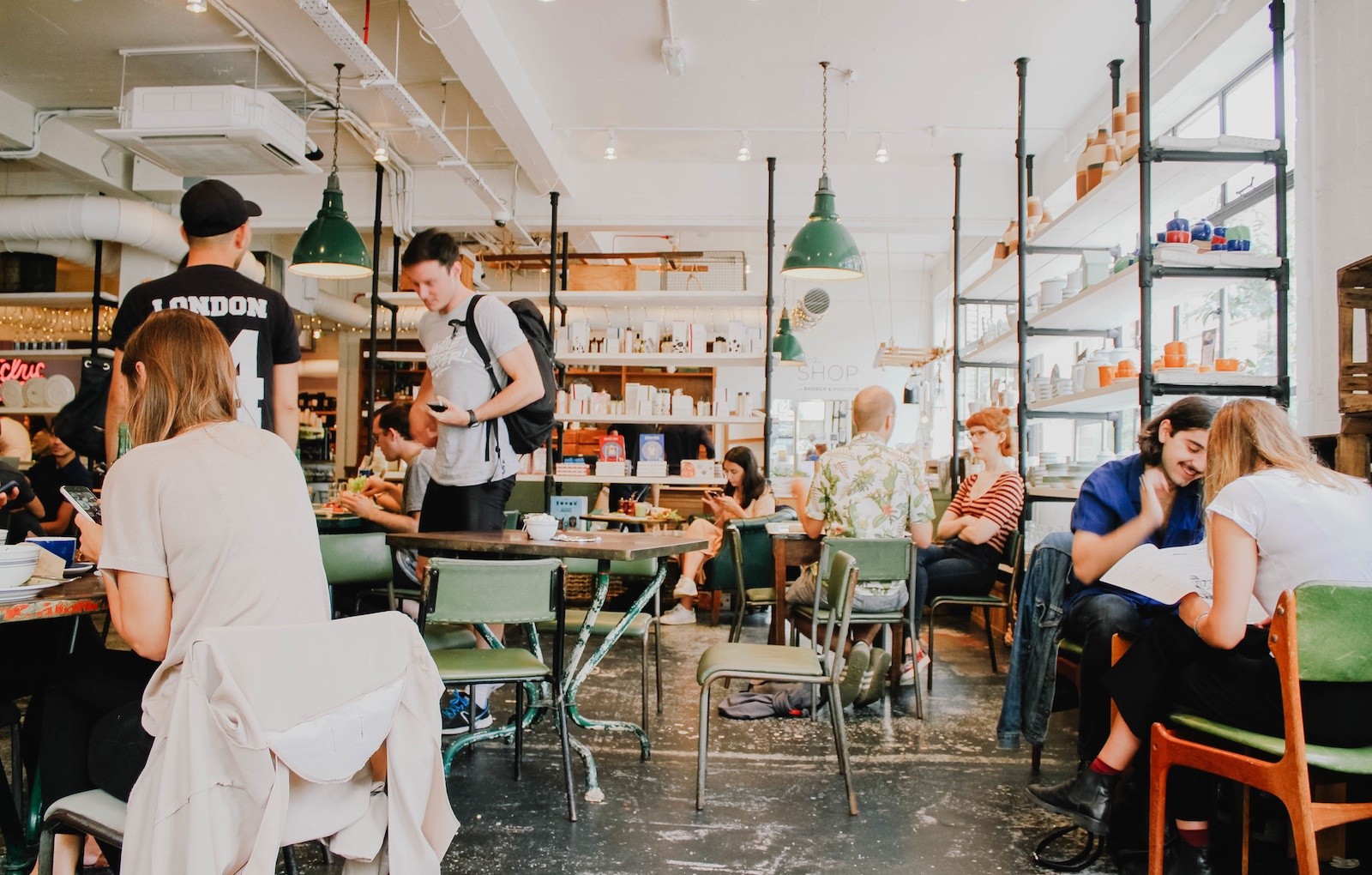
Loyal customers are a critical part of improving your restaurant as a whole. Repeat business–especially frequent business–offers a number of key benefits to your restaurant. Loyal customers, in general, are worth around ten times as much as the amount of their first purchase over time–and that number may be even higher in the restaurant industry. Just five percent more customer retention can increase your sales numbers by as much as 75%. Not only that, acquiring new customers for your restaurant costs around five times more than keeping the customers you already have. Clearly, the benefits of customer loyalty are extraordinary–and knowing how to create that sense of loyalty is critical for your restaurant.
Strategy #1: Offer Exceptional Customer Service
Chances are, your restaurant offers the same types of food your customers can find in half a dozen others within a close radius. What sets your restaurant apart, therefore, is the service you provide for your customers. That starts even before they walk in the door, with social media interactions and trustworthy marketing content that your customers know they can count on. Once they’re in the restaurant, your customers should be able to expect smiling servers who know exactly how to provide for their needs. While problems in the restaurant industry are somewhat unavoidable, knowing how to correct them efficiently will help ensure customer loyalty.
Strategy #2: Make It Fun
When customers come to your restaurant, it’s not just for the food. They’re looking for a great atmosphere. Offering something special or unique–a fun theme; games at the tables; something special for customers to watch or enjoy while they eat their meals–can transform the dining experience and make customers happier with your restaurant as a whole.
Strategy #3: Know Your Customers
The more data you can collect about your customers, the better you can get to know them–and the better you can provide them with exactly what they expect from your restaurant. From knowing what rewards will most appeal to your customers to understanding how they prefer to interact with your restaurant or what particular items they’d like to see on your menu, the more you know, the better you can do. Collecting as much data as possible from your customers will increase your knowledge of them and their requirements.
{{cta(‘e563dfe5-e87b-41f8-a743-06ef9dd884ed’)}}
Strategy #4: Create a Great Loyalty Program
Customers are more likely to be loyal when their loyalty is rewarded! Creating an exceptional customer loyalty program will help encourage customers to go the extra mile with your business. Give them the opportunity to earn percentage or dollar amounts off, get free goodies at the table, and more based on their visits, and watch customers visit more often as they get close to those important rewards. Opting to use an app, rather than a card, can help increase customer awareness of the program.
Strategy #5: Build a Heart Connection
There are several ways to create a heart connection with your customers, gaining their loyalty by appealing to their emotional sides. Consider choosing a charity or finding a local way to give back: customers who are passionate about those same concerns will be more likely to visit your business. Creating an iconic character or characters can also lead to increased interest from your customers.
With all the benefits of customer loyalty, it’s critical that your restaurant take steps to improve your connection to your customers, get to learn more about them, and keep bringing them back to see what you have to offer. One bad experience can sour any customer’s favorite restaurant, but a consistent connection will have them hurrying back to your restaurant for their regular meals out, allowing you to experience all of those benefits.
What is Dwell Time and Why Should Restaurants Focus on it?
How long do customers spend in your restaurant? Do you know? And does it matter?
The amount of time customers spend in a store is called “dwell time” and it’s a key performance indicator (KPI) for any brick-and-mortar business. Dwell time is related to several important metrics like customer satisfaction, shopping experience, and even sales.
Measuring dwell time can give important insight into your restaurant’s performance. This metric can also reveal potential areas for improvement and growth. But the most significant measurement restaurant owners should be aware of is the impact of dwell time on sales volume.
How Does Dwell Time Impact Sales?
According to a study by PathIntelligence, increasing dwell time by just 1 percent leads to an average 1.3 percent increase in sales. Although 1 percent may not sound like much, let’s take a look at how those numbers look in concrete terms.
For this example, let’s say the average customer spends 60 minutes at your restaurant and spends an average of $30 per table. If you encourage customers to stay only 6 minutes longer, they’ll spend an average of $3.90 more at your business.
Six minutes isn’t long if you’re sitting down for a meal, so as long as your customers aren’t strictly bound by time limits like a lunch hour, increasing dwell time to increase sales is perfectly feasible. As customers spend more time at the table, they’re more likely to order additional items like coffees, drinks, and desserts.
Of course, the study acknowledges that sales and dwell time change based on external factors like holidays or the weather, which are out of your control, and internal factors like store promotions, which you control fully.
What Influences Dwell Time?
Longer dwell time at your store reflects higher customer satisfaction. There are dozens of factors that may contribute to satisfaction at a restaurant, but it’s easiest to identify areas that might drive customers away faster. Factors that decrease dwell time include:
- Poor or slow service
- Dissatisfaction with menu items
- Difficulty finding what a customer wants
- Unreasonable prices
- Unclean store or bathroom conditions
- Music played too loudly or not suited to customer’s tastes
- Overwhelming advertisements or decor
Nothing about your restaurant should feel abrasive or uncomfortable to customers, from decor that’s too bright or music played too loud. Customers should be able to navigate your menus easily and ask questions to a readily available server. Although all the factors listed can encourage or discourage a customer from staying, poor service is the most common reason consumers leave stores more quickly.
Ideally, you should strive to encourage customers to browse, rather than make a quick stop. The longer customers spend in a location, the greater the chance of impulse purchases.
But beware of measuring dwell time blindly. Longer time spent in your restaurant due to slow service will have a negative effect on sales and customer satisfaction.
How Do I Increase Dwell Time at My Restaurant?
To increase positive dwell time, evaluate your restaurant and ask for customer feedback. Nothing can substitute for direct customer feedback. If you can’t get in-person feedback from customers, the next best option is online reviews. Today online feedback is easier than ever to find, so be sure to monitor what customers say about your business and address complaints, especially if they are mentioned by more than one person.
Using tracking methods like Wi-Fi analytics, you can also determine where customers spend the most time in your restaurant, which days of the week encourage longer visits or which months are your busiest.
Dwell time may not sound significant, but it has a direct relationship to sales and clues you into levels of customer satisfaction. With all the data you can choose to track, don’t forget to consider how long customers actually spend at your restaurant.
It Pays to be a Customer: 4 Favorite Customer Loyalty Programs
Loyal customers are the backbone of any business. Not only are they the ones driving your sales, their word-of-mouth referrals and recommendations play in important role in spreading brand awareness and expanding your reach. This is why businesses spend time, money, and resources finding ways to not just attract new customers, but to turn those individuals into loyal, repeat customers. One of the best ways this is done is by rewarding your customers!
5 Ways to Leverage Your Guest Wi-Fi Landing Page to Boost Profits

Offering guest wi-fi is quickly becoming one of the primary ways that brick-and-mortar businesses can remain competitive and relevant in the rapidly digitizing world. Where eCommerce and food delivery apps are creating a significant amount of competition for retail and restaurants, people still need to run errands and access their online data when out and about. While they could slowly use up their prepaid data plans, the best score for any mobile device user out in the world is a free wi-fi network.
5 Rare Restaurant Digital Marketing Ideas to Stand Out
We can agree that more restaurants are using digital marketing to get in front of and engage their customers. Yet, the online space is becoming super crowded and competitive. Whether through blogging, social media, videos or emails, brands are aggressively fighting for attention to win people over to their content.
So, how do you get noticed amid the noise? What are some ways you can foster online engagement to keep people actively involved in your content…especially in between visits to encourage repeat visits?
The good news is, there are tactics that not enough restaurants are using in their marketing. In fact, here are five underused restaurant digital marketing ideas to help you stand out online, connect with more customers, and drive more sales.
#1 Create Your Own Community Using Facebook Groups
Facebook groups have been on the scene for years, but how often are restaurants using them to create a community? Although focusing on growing your Facebook Business Page is part of the social media marketing strategy, you could have more success with groups in getting people connected and engaged.
You see, developing a group of like-minded individuals that are interactive makes your social media effective. They’re being social which makes you stand out from other competitors simply promoting posts.
Making your group the hangout spot where you post questions, reply back, and encourage members to get involved will create a greater impact on brand loyalty and online reach.
#2 Build Your List through Wi-Fi Opt-in
A smart way to collecting leads for your email marketing campaigns is having guests opt-in when using your Wi-Fi service. This non-intrusive method is perfect for capturing information that you can leverage in your email and content strategy. People are more apt to give their email in exchange for free and reliable internet service.
Therefore, stop letting guests simply hop on without providing a way to stay connected with you. You’ll find that this is one of the easiest ways to grow your list!
{{cta(‘e563dfe5-e87b-41f8-a743-06ef9dd884ed’)}}
#3 Treat Two for a Week!
Well, perhaps not that long…but here’s the concept: run a contest where you have guests share an image on Facebook or Instagram while dining at your restaurant. Tell them to be creative in how they want to highlight their dining experience. Be sure that they either tag you or provide the contest hashtag (on Instagram) in order for you to view it later.
The winner(s) will receive free lunch for two for a week (or whatever the prize).
Contests are a double-edged sword because it increases engagement, drives awareness, and allows you to generate tons of user-generated content. You can leverage user-generated content in all sorts of ways including more content for your social strategy, website, and blog content.
Also, keep in mind that the more engagement you get on your posts, the more your future posts will benefit in organic reach.
And finally, this type of contest is a natural way to get more reviews for your business.
#4 Create a Live Video Cadence
One of the top restaurant digital marketing ideas is using live video on social media. Facebook Live and Instagram Stories are killing it in getting followers to engage. In fact, studies reveal that users would prefer live video content over a social media or blog post.
Use this to your restaurant’s advantage. Create a live video cadence where you broadcast the same day and time weekly. Promote this to your list and on your social channels to continue boosting attendance.
To make the content strategy easier, have a theme for each week. For example, perhaps the first Thursday you’ll take viewers behind-the-scenes, showing a different aspect of your business each time. The second Thursday can be dedicated to the best sellers of the week or month and so forth.
#5 Wow Your Guests by Sending personalized emails
Did you know email segmentation generates 58% of all revenue (Source: HubSpot)? Yet, a whopping 42% of marketers do not send targeted email message. Restaurant owners and managers, this is where you can really capitalize on your email marketing and outdo your competitors: sending personalized email content.
You see, by using your Wi-Fi analytics and discovering more about your guests, you can tailor your email content specifically for them. This is much more effective than sending a generic email blast that creates hit or miss results.
Instead, send content that resonates with your recipient. If you know that your guest typically visits during lunchtime and gravitates towards a special dish, then sending them a lunch promotion on their favorite meal will bring them your way – especially if you mentioned: “we’ve noticed you enjoy…”
Commit to delivering personalized content and you’ll have a loyal fan who raves about your brand!
Grow Your Presence and Profits Using these Restaurant Digital Marketing Ideas
Even in a crowded online space, you can still find ways to capture your audience’s attention for your restaurant’s digital marketing.
So include these tips in your strategy to begin gaining traction from your online efforts. As you remain consistent, you’ll notice more of your guests commenting and participating in your content, a boost in brand awareness, and more opportunities created for sales with increased leads added to your funnel.
5 Ways to Segment Restaurant Customers for Better Marketing
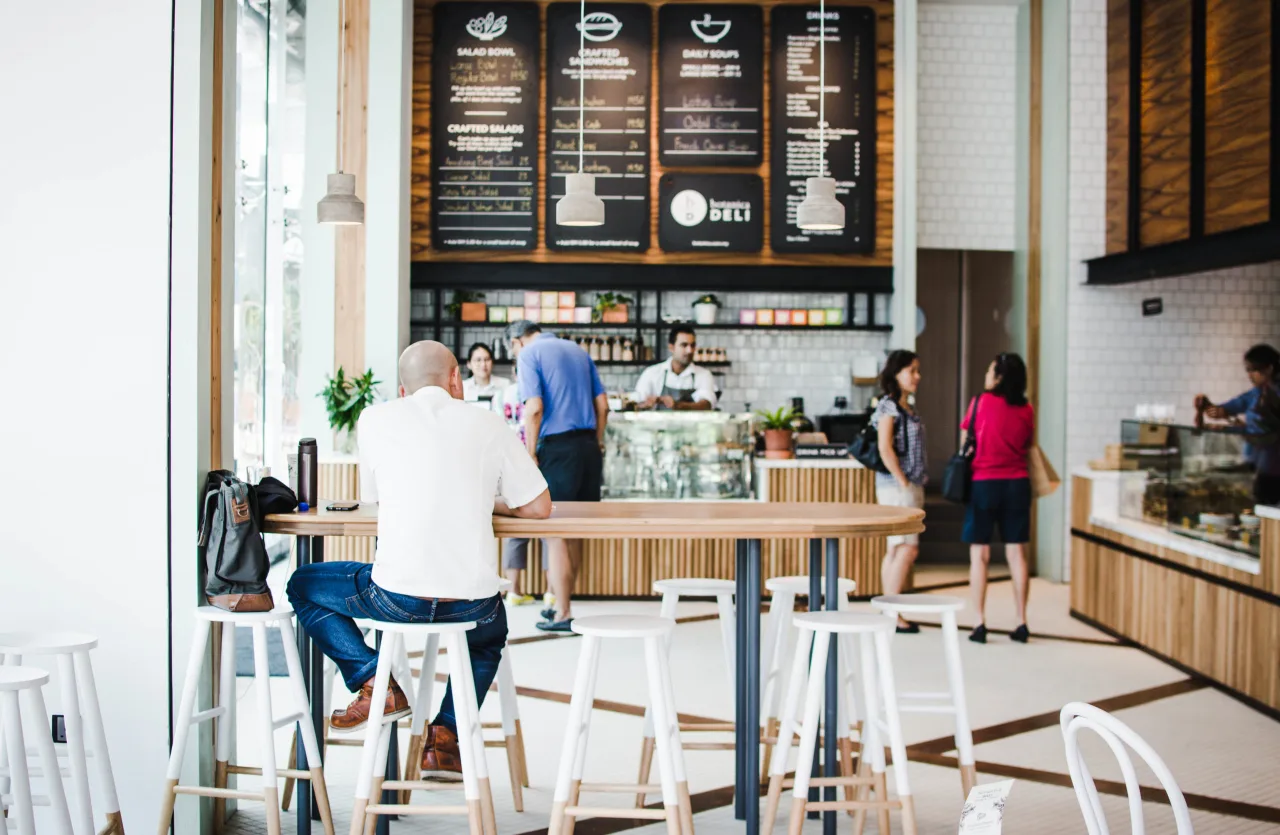
Choosing to segment your restaurant customers is one of the best tactics for your digital marketing strategy. Email segmentation, or the process of divvying up your list into more specific categories to offer more relevant content to your subscribers, is extremely powerful for building relationships, generating loyal customers, and growing your revenue. Restaurant customer segmentation matters!
According to Hubspot, segmented and targeted emails generate 58% of all revenue. By personalizing your restaurant’s message to speak precisely to the recipient by using restaurant customer segmentation, you’ll be better effective at driving your email content engagement.
In fact, in addition to increasing sales for your restaurant, here are the top benefits of segmenting your restaurant customers and how it can help improve your overall digital results.

Benefits of Segmenting Restaurant Customers
Increases Open-Rates
Numerous studies and reports prove that segmenting increases email open rates. If you feel your messages are getting lost in the inbox, sending personalized content will yield better responses.
Increases Click-throughs
Because your message speaks directly to the user, they’re more likely to click on your call-to-action or accept your offer. MailChimp shares that brands receive 100.95% higher clicks than non-segmented campaigns! Segment and get patrons clicking on your links.
Encourages Future Engagement
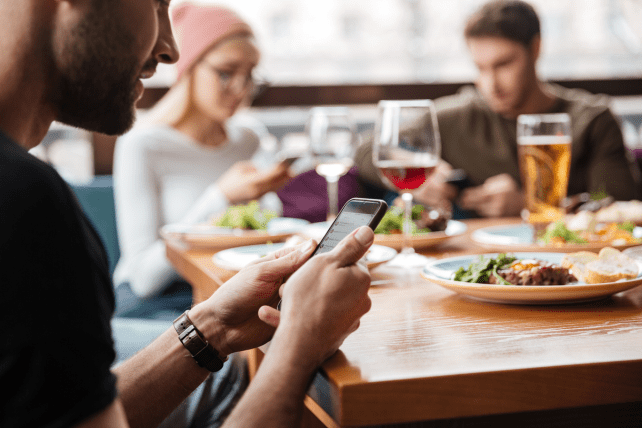
Your recipients will get used to you sharing valuable content that relates to their needs and desires. Therefore, they’ll keep opening up your messages and continue engaging with your restaurant brand.
Separates You from Competitors
Hubspot also shares that 42% of marketers do not send targeted email messages. By embracing email segmentation, you give your restaurant marketing the slight edge by personalizing your content and giving your customers more of what they want!

5 Interesting Tips for Restaurant Market Segmentation
Now that we’ve convinced you of the advantages of segmenting restaurant customers, here are five category ideas to actively employ this strategy to better your marketing:
#1 Preferred/Loyal Customers
Loyal customers are valuable to your business. It’s easier to sell to an existing customer than to market and sell to a new one. Therefore, reward your repeat customers by establishing a preferred customer program. Let them know that they’re on an exclusive list where they’ll receive specials and offers just for them!
#2 By Location or Neighborhood
Get super-specific in your customer segmentation by targeting local neighborhoods or individual business districts in your area. You can promote specials that drive these communities through your doors and brings them together. Imagine offering a promotion for a specific school, for example. It’s the perfect plan to get people together as a meet and greet.
#3 Purchase Decision
Each of your customers has a food preference that they gravitate towards, whether it’s your gluten-free choices, meat lovers, or unique dishes. By collecting data from either your Wi-Fi or customer analytics, you can use this information to upsell and keep them coming back.
Surprise your patrons by offering a discount on the foods they love and highlighting an item that perfectly complements their choice.
#4 Customers Who Haven’t Reviewed
Customer reviews are incredibly important and can make or break your business (Source: Inc.). In fact, the majority of people embrace reviews just as much as they would a personal recommendation. Creating ways to get customers to give reviews should be an ongoing tactic in your restaurant marketing.
With that said, use your email marketing software to segment your list by customers who have not left a review. Offer a small percentage off their next order as a thank you when they post a review.
#5 Use Your Wi-Fi Analytics
Your Wi-Fi analytics tool provides invaluable data about your customers including their visit frequencies, first-time customer data, and how long they spend at your store. By having guests offer their email to use your Wi-Fi services, you create the perfect opportunity to segment your customers, especially new ones.
You see, how you market to a first-time customer should be completely different than how you would an existing or frequent customer. So, your Wi-Fi analytics can bolster your email marketing strategy while helping you create a personalized experience with your restaurant brand…in-store and digitally.
Begin Your Restaurant Customer Segmentation Today
With these ideas, begin to make changes to your email marketing by executing restaurant customer segmentation and crafting triggered campaigns. Your patrons will appreciate the personalization and feel as if you’re speaking directly to them. It will make your digital marketing highly effective.
How Do Wi-Fi Sensors Work for Marketing?
Wi-Fi sensors are a relatively new and underestimated marketing tool. But with nearly every business offering their own Wi-Fi and customers viewing free Wi-Fi as a given, why not get the most out of it? Wi-Fi sensors can detect and record metrics like customer traffic and return visit rates. Then an analytics dashboard can compile the most relevant data for you to apply to future marketing strategies. So just how do Wi-Fi sensors work?
Setting Up Wi-Fi Sensors
To get started, you’ll need to have Wi-Fi sensors installed at your store location. Home automation systems already use this technology to notify homeowners of lights that need replacing, unusual temperatures, or potential security threats. Wi-Fi sensors at your store detect measures like passersby who don’t enter your store, store traffic, and dwell time at your location.
Be Smart about Your Wi-Fi Landing Page
Next, you’ll need to set up a smart Wi-Fi landing page to gather customer information. A landing page shouldn’t be just an advertisement for your services. To make full use of your Wi-Fi landing page, you ask your shoppers for a simple request, like an email, in order to access your Wi-Fi.
Your Wi-Fi sensor system will capture and organize customer data. Using data publicly available over Wi-Fi, sensors can tell you even more about the customers who visit your location.
What Kind of Data Can You Capture with Wi-Fi Sensors?
The answer is: More than you expect. Wi-Fi sensors can record:
- Contact information
- Demographics like age and gender
- Area or zip codes
- Purchasing behavior
- Social media profiles
A surprising amount of information is connected to Wi-Fi use. The apps customers use in your store, including social media apps, have data that users have made public and anyone can see. But you wouldn’t waste time manually looking through the social media profiles of your customers to learn more about them. Instead, you set your preferences and the system’s algorithms will track only the data you want to see from your customers.
While you might not be too interested in the favorite TV shows your customer listed on their Facebook page, you’ll probably want to know about any reviews they’ve left on your business. With third-party integration, your system can even pull information from review sites like TripAdvisor and Yelp. Wi-Fi sensors can then automatically compile relevant data to produce reports for your business.
Analytics and Reporting
Data collected by your Wi-Fi sensors isn’t useful unless you can access it easily and apply it to your marketing strategies. But customized data collection and a clear dashboard allow you to check data anytime you need it or automatically generate performance reports. Using the data you’ve obtained, you can adjust your marketing strategy.
Automated Marketing Activities
The adjustments you make might be manual, but you can also accomplish a great deal of marketing with automation. Wi-Fi sensors can send discounts after a customer has left your store to encourage repeat visits and increase customer frequency. Your system can detect when a customer may be at risk of churning and send them a “miss you” email to encourage another visit. Or you might automate an email that asks all customers for a review to improve your online ratings.
Personalized Marketing
Wi-Fi sensors also allow you to personalize your marketing efforts more easily. Knowing more about your customers could help you identify loyal customers and send them more frequent updates about new releases, restocked items, or seasonal specials. To reward them for their business, you can offer special promotions. On the other hand, you can market to first-time customers with incentives to come back.
With Wi-Fi sensors, you have the potential to reach more customers than ever by simply collecting data and viewing it in an organized format. Start using intelligent marketing to keep up with your customers and grow your business.
Which Restaurant KPIs Should You Be Driving in 2018?
 With so many key performance indicators to choose from, it can be difficult to select the ones that are most important for your business. If you’re a restaurant, however, there are several KPIs that should have your focus this year. These KPIs can help you determine your restaurant’s overall success and make it easier for you to reach your goals for 2018.
KPI #1: Dwell Time
How long are your customers actually staying in the restaurant once they sit down for a meal? Are they taking the time to engage in conversation, sitting back over appetizers, desserts, and a full meal, or are they hurrying through their meals and rushing out the door? By noting dwell time, you can determine what factors are likely to lead customers to stay longer. The longer customers stay, the more they’re likely to order: tacking on extra drinks, desserts, coffees, and more at the end of their stay.
KPI #2: Add-On Items
When people come into your restaurant, are they just coming for the main dishes, or are they attracted by your incredible appetizers and amazing desserts? A fantastic dessert menu can go a long way toward adding to each customer’s individual value–but only if they opt to purchase. Are your servers going that extra mile to upsell add-ons? Are they encouraging customers to check out their favorite desserts in a manner that’s described as friendly, not pushy? Keep track of how your add-on items are moving to improve your sales.
KPI #3: Churn Rate
Do you have a great customer base filled with customers who come into your restaurant on a regular basis, or do you tend to get customers who only come in once or twice, then never return to your business? Keep a close eye on your churn rate. While it’s normal to have guests who only come by once in a while, you should also have a strong customer base filled with individuals who come into your restaurant regularly. If you suddenly have an influx of new customers or you’re struggling as old customers stop coming back, that should tell you something about the status of your business, leading you to react accordingly.
KPI #4: Advertising Response Rate
When you run advertisements for your restaurant, how do customers respond? Which types of advertisements are most likely to bring in customers, from familiar faces to new visitors? Take the time to carefully evaluate advertising response rates on a regular basis to help better direct your marketing dollars into the areas that are most effective for your restaurant.
KPI #5: Repeat Sales
What does it take to bring customers back to your restaurant? When a new customer comes in, are they enchanted by the atmosphere and impressed by your customer service, or do they leave with no intention of ever returning? In most areas, customers have more than enough restaurants to choose from. You need to keep careful track of your repeat sales–and if you fail to bring in those repeat customers, you should carefully consider what changes need to be made in order to increase your repeat sales and make your customers happier.
Many of the key performance indicators that are most important for your restaurant can be tracked through Wi-Fi marketing and analytics tools. With these tools, you can keep track of the customers coming into your business: which ones come regularly, which ones have suddenly stopped appearing, and even what advertisements were most likely to attract your customers. By carefully tracking these KPIs through Wi-Fi analytics, you can develop more effective marketing and other methods that will help keep your customers and make them more satisfied with the service they receive at your restaurant.
4 Restaurant Customer Loyalty Tactics That Aren’t Working

Loyal customers are key to business success. Reaching them costs far less than marketing to new customers (who can cost up to 25 times more). As fans, they mention and promote your brand in an authentic way. And social proof in the form of happy customers is still one of the most powerful tools a business can wield.
Do you want more
guests?
guests?
With Bloom Intelligence, you can quickly build a large customer database that unlocks guest insights, foster guest loyalty, improve online reviews, and win back lost guests.

About Bloom Intelligence
Restaurant marketing & guest intelligence tools for restaurant and retail chains to measure offline customer behavior, build clean customer databases, re-market to customers & track offline attribution.
White Papers
Tools
Do you want more
customers?
customers?
With Bloom Intelligence, you can quickly build a large customer database, foster customer loyalty, and improve your ratings.