

Category: WiFi Marketing

Data Driven — Business Intelligence Benefits Car Dealerships

Business intelligence takes business data and reorganizes it into a clear picture. Data is a valuable resource that many car dealerships underutilize.  In this blog, we learn how business intelligence benefits car dealerships.Car Dealers and Income Streams

How do car dealers make money? The obvious answer is that they sell cars but they also make money by selling services and parts. What business intelligence does is it looks at data from different angles. For example, there is the productivity of employees. Data might answer questions such as who sells the most, who produces the most leads, who converts the most leads, and who loses the most leads.

Data intelligence might also look at data that is all about customers. It can answer questions such as, of all the people who bought cars here last year, how many of those people use our service department for routine services such as oil changes, scheduled maintenance, and warranty service? This is also an example of how data empowers managers. For example, if only 25 percent of those customers who purchase vehicles use the dealer’s service department for routine maintenance, then you have a 75 percent loss of business from those customers.

Loss versus Opportunity

When data helps answer questions, the results are both a loss and an opportunity. First, data helps illustrate deficits and those deficits become opportunities. We have a 75 percent deficit in purchasers who do not utilize our car service for routine maintenance. Opportunity is the ability to capitalize on that loss. Data can help you capitalize on lost opportunities by either showing you the loss or by helping you gather the information that allows you to take advantage of opportunities. Business intelligence helps dealers by:

  • automatically builds a house list of prospects, customers, and sales opportunities
  • increases customer engagement
  • provides information on return frequency to the lot
  • shows popular visit times

If you are looking to take advantage of an opportunity to increase the percentage of visitors that utilize the dealer’s car service center, then what you are looking to do is to increases customer engagement.

The next question is, “how are we engaging our customer base when it comes to vehicle service?”

  • Email — courtesy service notices, coupons, service announcements, thank you notes, and service specials
  • Text — service specials, etc.
  • Calling — Do you call customers to remind them it is time for vehicle service?
  • Direct Mail — Do you send notices, coupons, newsletters, or other marketing material to your customers via regular mail?

Can you do all these things?  Are you capturing the right data? In other words, why are only 25 percent of customers who purchased a car from you returning to your shop for service? Data solves those kinds of problems by showing you trends.

Data offers a powerful set of tools. In its raw form, data is just a pile of numbers. It takes the right tools to turn that raw pile of numbers into a clear picture that then helps dealers to boost sales, increase efficiency, and spot deficits. That is exactly what Bloom Intelligence does. Via the Bloom Intelligence Dashboard, you gain a crystal-clear image of loss and opportunity. With the integration of Bloom Intelligence Wi-Fi, you also increase the capabilities of analytics and marketing.

Bloom Intelligence delivers a variety of analytics such as footfall metrics, loyalty metrics, engagement metrics, and business metrics. What this information helps show is —

  • The average daily traffic as it pertains to potential customers.
  • Shows how many people are first-time visitors to your dealership or website.
  • What are the most popular times that people visit your business are.
  • How many first-time visitors return
  • Customer demographics.
Engagement metrics show
  • How many people come to your location from promotions such as social media, ads, etc.
  • Are people utilizing free services such as Wi-Fi?
  • What percentage of new email or contract information your system is collecting.
  • Social media performance
  • Churn rates

Loss and opportunity – car dealerships have both, but can your dealership capitalize on either? They can with business intelligence and the easy way that data becomes a tool that helps managers make informed decisions about how to turn a loss into profit.

Restaurant Customer Segmentation to Improve Your Marketing

Restaurant Customer Segmentation Example

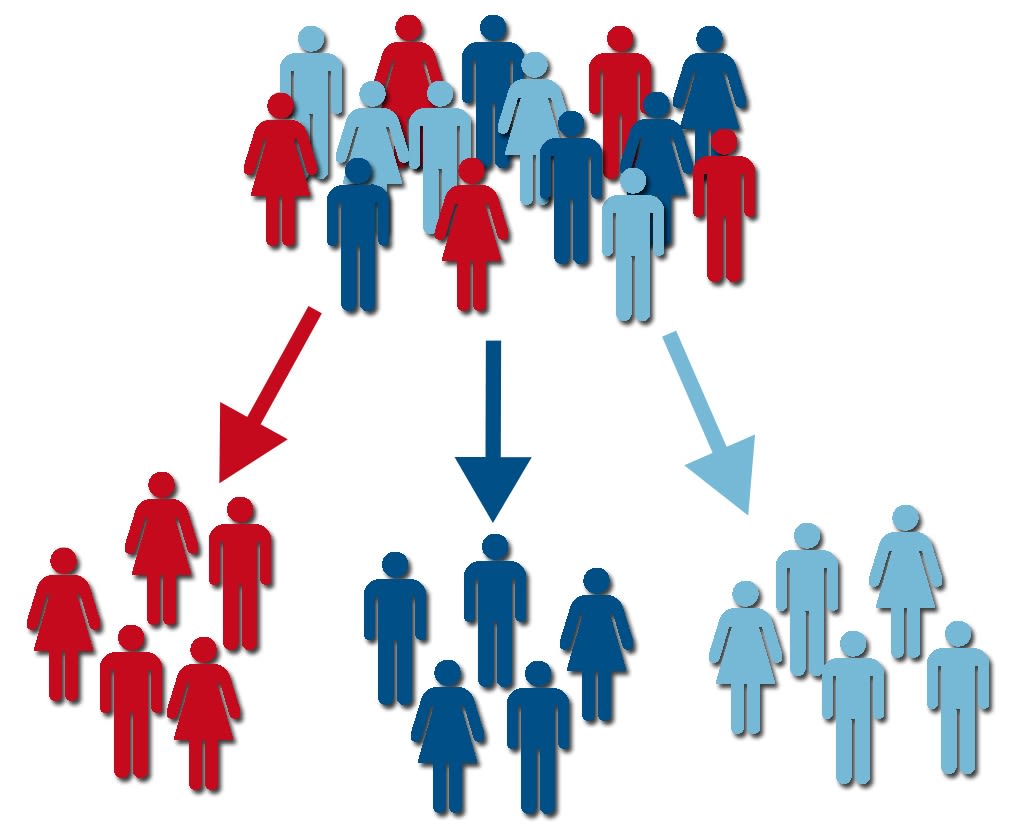
Restaurant customer segmentation is incredibly valuable to a strategic marketing program. It increases ROI and improves guest experiences.

When you know who your guests are, you can segment them according to their similarities and differences, then your marketing messages can target each group with appropriate and specific messages that will best engage them.

No matter your call to action — a return visit, a Facebook like, or something else — a targeted communication approach will be more successful than blasting the same message to every guest in your database.

In addition to calls-to-action, segmentation and target marketing will better engage your patrons, build loyalty, increase customer lifetime value, and improve your return on investment.

Here’s how it might work.

Let’s say you have identified a customer segment that dines with you once a week. These loyal guests might enjoy a special perk or coupon for referring friends or writing a restaurant review on Google.

Customer buying history provides another option for segmentation. Think how special your guests will feel if you communicate to them about the things they purchase from you.

For example, a restaurant’s steak lovers will love to hear from you about a new menu item with a unique preparation or cut.

When you integrate customer segmentation data with point-of-sale data you have a golden egg.

For instance, customers love your gratitude for their patronage. Sending an email thanking a guest shortly after a visit to the restaurant, and including a targeted promotion, will likely yield higher success of the offer than sending the same promotion at a random time.

When you have access to a tool that can show you both customer spending habits and visit frequency, you have all you need to create some simple but powerful campaigns based on basic restaurant customer segmentation.

Since your high-frequency / low-expenditure customers are unlikely to increase their visit frequency, you can send them offers to encourage them to try new items or add an appetizer or dessert. Meanwhile, promotions for your big spenders can be focused on getting them to return more often.

The more you know about your guests the more ways you can segment your database to appeal to their individual preferences.

Targeted messages make for more loyal customers. Loyal customers make for higher customer lifetime values. Higher customer lifetime values make for more profitable restaurants.

Restaurant Customer Segmentation Guide

How to Create a Lead-Generating Digital Fishbowl

Remember those business-card-filled fishbowls that used to sit on every reception counter? They were a great way to gain leads — before the digital revolution, that is. See how you can create your own lead-generating digital fishbowl by offering Wi-Fi on-site.

Fishing for Leads

This is the digital age, so generating leads has to take not only a digital turn but also a mobile one. Mobile marketing is used for a variety of reasons:

  • 50 percent of businesses use it to build brand awareness.
  • 56 percent use it to increase sales.
  • 53 percent hope to improve customer service and convenience.


But, 49.9 percent utilize it to acquire new customers, (aka generate leads), and that percentage will continue to grow as people become more attached to mobile devices. Between 2008 and 2015, time spent using digital media grew from 2.7 to 5.6 hours a day per person, but a more notable increase was the time spent using mobile devices. Mobile screen time jumped from a mere 20 minutes a day to 2.8 hours.

Making the Bowl Attractive

Today, consumers want to be connected no matter where they are, especially when they’re eating, shopping or just hanging out. As a matter of fact, most customers think it’s fine for businesses to track them in brick and mortar locations because they expect it to make their experience better. Here’s are some shopper wants, along with the percentage of shoppers that want them:

  • Coupons or special offers — 88 percent
  • Shortened checkout times —72 percent
  • Sale alerts — 69 percent
  • Rewards, points or other loyalty benefits—58 percent
  • On-the-spot opportunities — 44 percent
  • Reminders —18 percent


So, what’s the most efficient way to combine customer digital needs and wants into your mobile marketing strategy? Providing free Wi-Fi incorporates all customers expectations into one handy lead-generating tool for your business.

Filling the Fishbowl

When you offer free Wi-Fi to customers, you not only provide them the access they want, but you also gain valuable customer insight. Your Wi-Fi landing page presents multiple opportunities to get to know your customers, track their trends and offer them deals to keep them coming back.

Email Collection

Over half of businesses (56 percent) name email marketing as the number-one channel for customer retention, second only to social media marketing. Sure, you could just ask for email addresses, but people typically want something in return. By placing an email sign-up form on your Wi-Fi landing page, you get the lead and the customer gets Wi-Fi. It’s a win-win.

Social Media Logins

Up to 90 percent of retailers collect email addresses through customer logins to Facebook. With 1.6 billion Facebook users per month, you can’t afford to miss out on this lead generator — whether you get an email address or a social media profile. But don’t leave all the fun to Facebook. Integrating social media networking with these other top sites will also grant you access to millions of user profiles per month:

  • Tumblr: 550 million
  • Instagram: 500 million
  • Twitter: 310 million
  • Snapchat: 300 million
  • Pinterest: 150 million
  • LinkedIn: 100 million
Loyalty Programs

Remember those 58 percent of people who want to be rewarded for being in your establishment? You have to have somewhere to send them, so add a loyalty program sign-up and log-in to your landing page, and you’ll gain their loyalty.

Coupons and Deals

Just like the physical fishbowl that promised a winner for every drawing, your landing page can reel in savings lovers by offering discounts and specials. When they sign up, you’ll have everything you need to send them on-the-spot specials while they’re on-site and to cultivate the relationship through continued marketing efforts.

Keep connected to your current customers and find new ones by offering free Wi-Fi with all the perks of your digital fishbowl. To see other ways you can lure in the leads, contact Bloom Intelligence for a demo today.

Free Wi-Fi: An Atlanta Bread Company Case Study

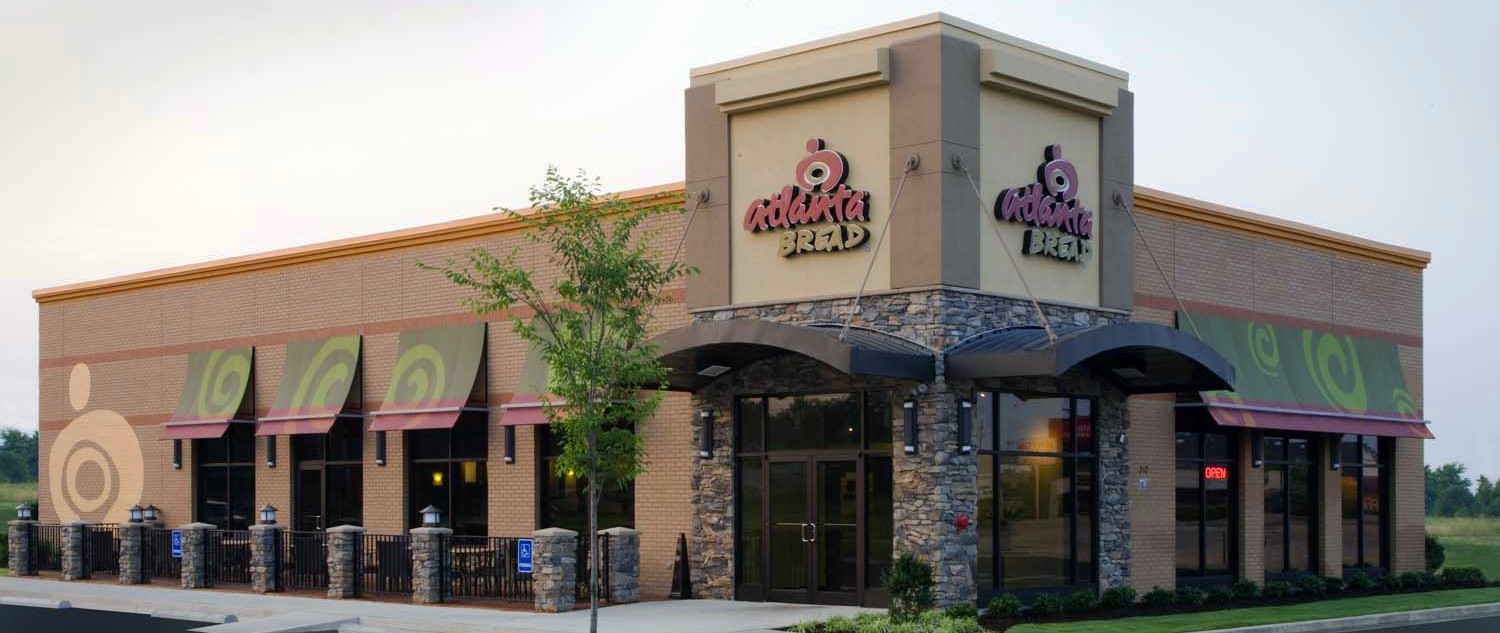
ABC Store.jpgOnce upon a time, cafés and restaurants thought they didn’t need to offer free Wi-Fi, but then came the digital age. Customers began to want and need different things from the dining experience and social Wi-Fi was a big part of it. Here’s how Atlanta Bread Company (ABC) harnessed the power of providing free Wi-Fi to expand their local chain into a nationwide success and how your restaurant or coffee house can, too.

Security Standards for Basic PCI Compliance

PCI (or Payment Card Industry) Compliance refers to the security standards that businesses who accept credit cards must follow. Any business, from startup to franchise, must follow these regulations to ensure the safety of their consumers’ privacy and financial data. Failure to follow this code can result in loss of patronage, and even lawsuits. Learning how and why you should make sure your business PCI compliant can save you and your customers from dangerous security breaches.

“PCI Compliant” refers to the twelve steps necessary to facilitate and maintain secure data storage standards, as defined by the PCI Security Standards Council. These are as follows:

  • Installing and maintaining a firewall.
  • Changing factory preset passwords and usernames on terminals and storage devices.
  • Protecting stored data.
  • Encrypting transmissions over public networks.
  • Maintaining updated and relevant anti-virus applications.
  • Developing and maintaining secure systems.
  • Restricting cardholder data to limited access.
  • Assigning personal sign-in information for everyone using computers.
  • Restricting physical access to cardholder information.
  • Monitoring network resources.
  • Regularly testing security systems.
  • Maintaining a PCI Compliance policy within company personnel.

Even if your business isn’t PCI Compliant, your methods of transferring, storing, and accessing your customers’ credit card data may still be safe, hence, why the term used is “compliant”. However, not using a compliant host for your data can open up a doorway for hackers who look for easy loopholes in your data’s security. The regulations are there to protect both companies and cardholders, alike, and are not subject to interpretation or misuse.

The penalties for not being PCI Compliant and suffering a security breach can be devastating to a company’s reputation, chasing customers and investors away with even a rumor of lax security. In addition to being sued and fined by companies who issue credit cards, a security breach can result in being investigated by the government, and the expense behind recuperating from a data security breach is steep.