Category: Restaurant Marketing

Predictive Guest Scoring: The Next Frontier in Restaurant Growth (And How to Use It)

What Is Predictive Guest Scoring in Restaurants?

Predictive guest scoring uses artificial intelligence and historical guest data to forecast future diner behavior, including visit likelihood, churn risk, lifetime value, and offer responsiveness.

Instead of reacting after guests stop coming, predictive guest scoring allows restaurants to act before revenue is lost.

Simply put, it identifies who will matter most tomorrow, not just who mattered yesterday.

Why Traditional Guest Segmentation Is No Longer Enough

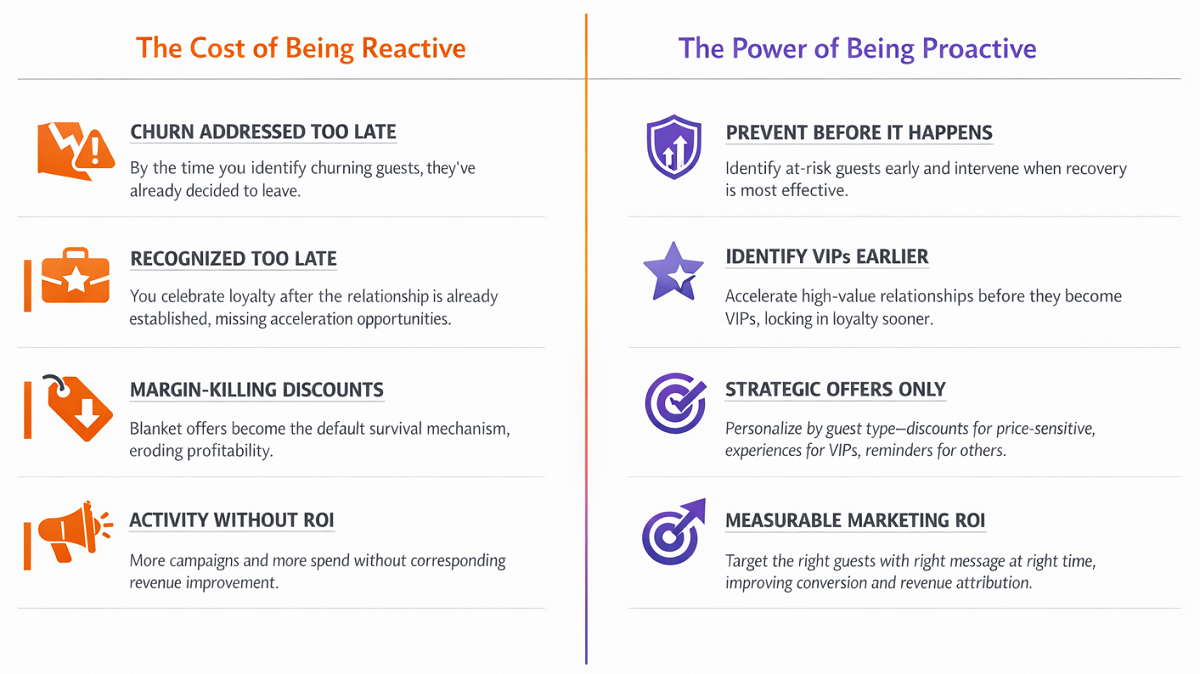
Most restaurants rely on static guest segments, such as regulars, at-risk, lapsed, or new. While helpful, these segments are backward-looking. They describe what already happened, not what’s about to happen.

The downside of reactive segmentation:

  • Churn is addressed too late
  • High-value guests are recognized after the opportunity window
  • Discounts are overused to compensate for poor targeting
  • Marketing activity increases without improving ROI

In today’s margin-tight environment, reactive marketing is expensive marketing.

How Predictive Guest Scoring Works

Predictive guest scoring uses machine learning models trained on historical guest behavior to calculate a dynamic score for every guest.

These models analyze signals such as:

  • Visit frequency and recency
  • Spend patterns and average check size
  • Behavior across WiFi, POS, online ordering, and reservations
  • Engagement with marketing campaigns
  • Guest sentiment from reviews and feedback
  • Behavioral trends over time

The output is a continuously updated probability score that predicts future actions, including likelihood to return, likelihood to churn, and potential lifetime value.

This moves marketing from automation to decision intelligence.

Predictive Guest Scoring vs. Traditional Guest Segmentation

Traditional Segmentation Predictive Guest Scoring
Based on past behavior Based on future probability
Static or manual Continuously updated
Rule-based AI-driven
Broad targeting Precision targeting
Reactive Proactive

The difference is the difference between reporting and forecasting.

Why Predictive Guest Scoring Matters Now

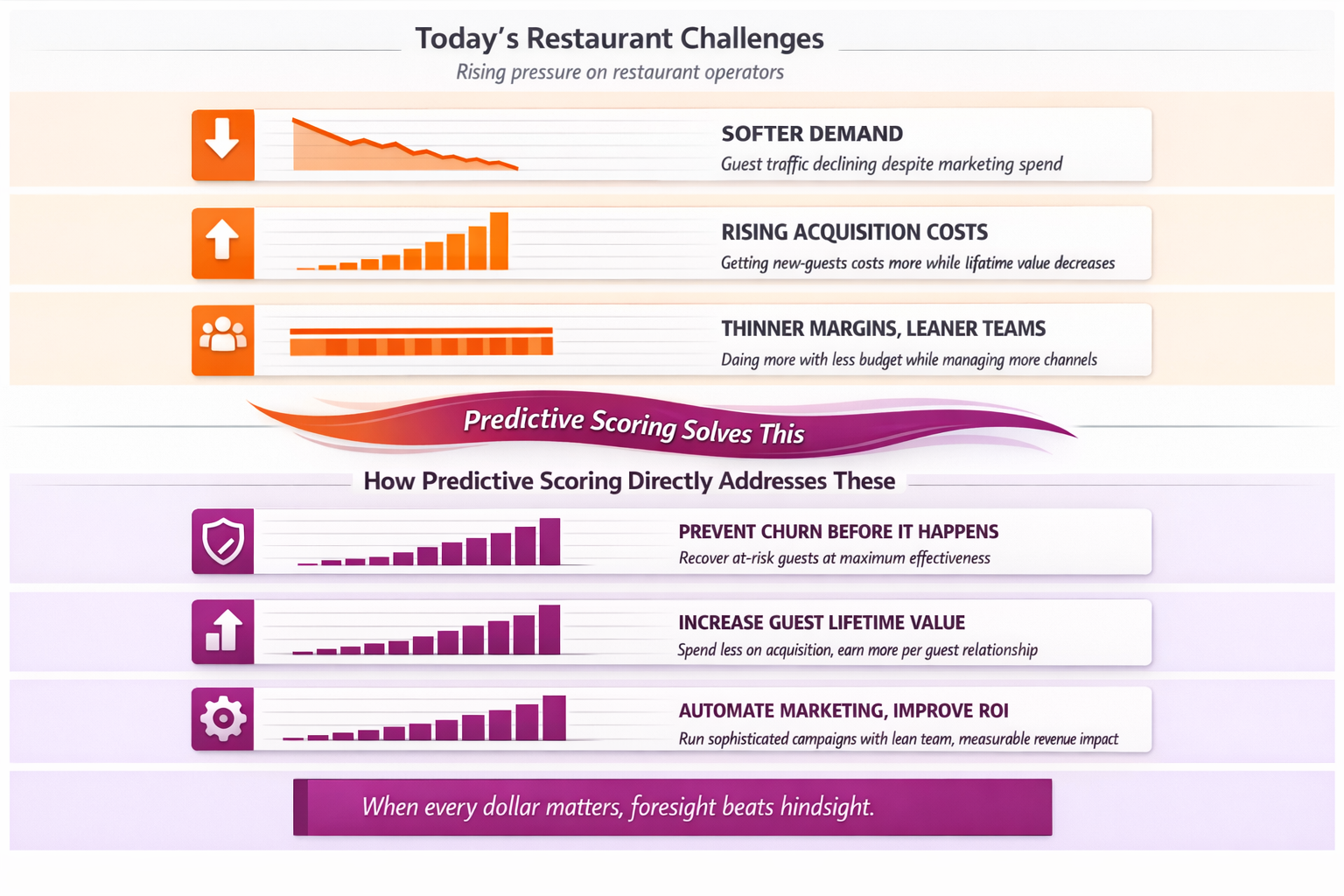
Restaurant operators are facing softer demand, rising acquisition costs, and thinner margins, all while managing more channels with leaner teams.

Predictive guest scoring directly addresses these challenges by:

  • Preventing churn before it happens
  • Increasing guest lifetime value
  • Improving campaign conversion rates
  • Reducing unnecessary discounting
  • Driving measurable marketing ROI

When every dollar matters, foresight beats hindsight.

How Restaurants Use Predictive Guest Scoring to Drive Revenue

Identify Future VIPs Earlier

Predictive models flag guests who are trending toward high lifetime value before they become VIPs. Restaurants can accelerate loyalty and lock in high-value relationships sooner.

Intervene Before Guests Churn

Predictive scores surface early warning signs of disengagement, allowing restaurants to trigger personalized save campaigns at the right moment, when recovery is most effective.

Personalize Offers Without Killing Margin

Not every guest needs a discount. Predictive scoring helps determine who needs an incentive, who needs a reminder, and who responds best to exclusivity or experience-based messaging.

Key Metrics Predictive Guest Scoring Improves

Restaurants using predictive guest intelligence consistently improve:

  • Guest lifetime value
  • Repeat visit frequency
  • Campaign conversion rates
  • Marketing ROI
  • Revenue attribution clarity

These are not vanity metrics. They are revenue drivers.

How Bloom Intelligence Enables Predictive Guest Scoring

Bloom Intelligence unifies guest data across WiFi, POS, online ordering, reservations, websites, and reviews into a single guest profile.

That data powers AI models that:

  • Continuously score guests
  • Automatically trigger personalized campaigns
  • Tie marketing and operational actions directly to revenue

The result is always-on, predictive marketing that runs without adding complexity or headcount.

Frequently Asked Questions about Restaurant Predictive Analytics

What is predictive analytics in restaurant marketing?

Predictive analytics uses AI and historical guest data to forecast future behaviors like visit likelihood, churn risk, and spending potential.

How does predictive guest scoring increase restaurant revenue?

It enables earlier intervention, smarter personalization, fewer wasted discounts, and higher guest lifetime value.

Is predictive guest scoring only for large restaurant chains?

No. Small and mid-size restaurant groups often see the biggest gains because predictive intelligence replaces manual analysis and guesswork.

How often are guest scores updated?

In advanced platforms like Bloom Intelligence, guest scores update continuously as new data is collected.

The Bottom Line

The future of restaurant marketing isn’t more campaigns or deeper discounts.

It’s smarter decisions, made earlier.

Predictive guest scoring turns guest data into foresight, and foresight into sustainable revenue growth.

Ready to See Predictive Guest Scoring in Action?

If you want to stop guessing and start predicting guest behavior, it’s time to see Bloom Intelligence in action.

Book a personalized demo today and see how predictive guest scoring, automated marketing, and unified guest data can help you increase revenue, reduce churn, and make smarter decisions, automatically.

👉 Request your free demo here!

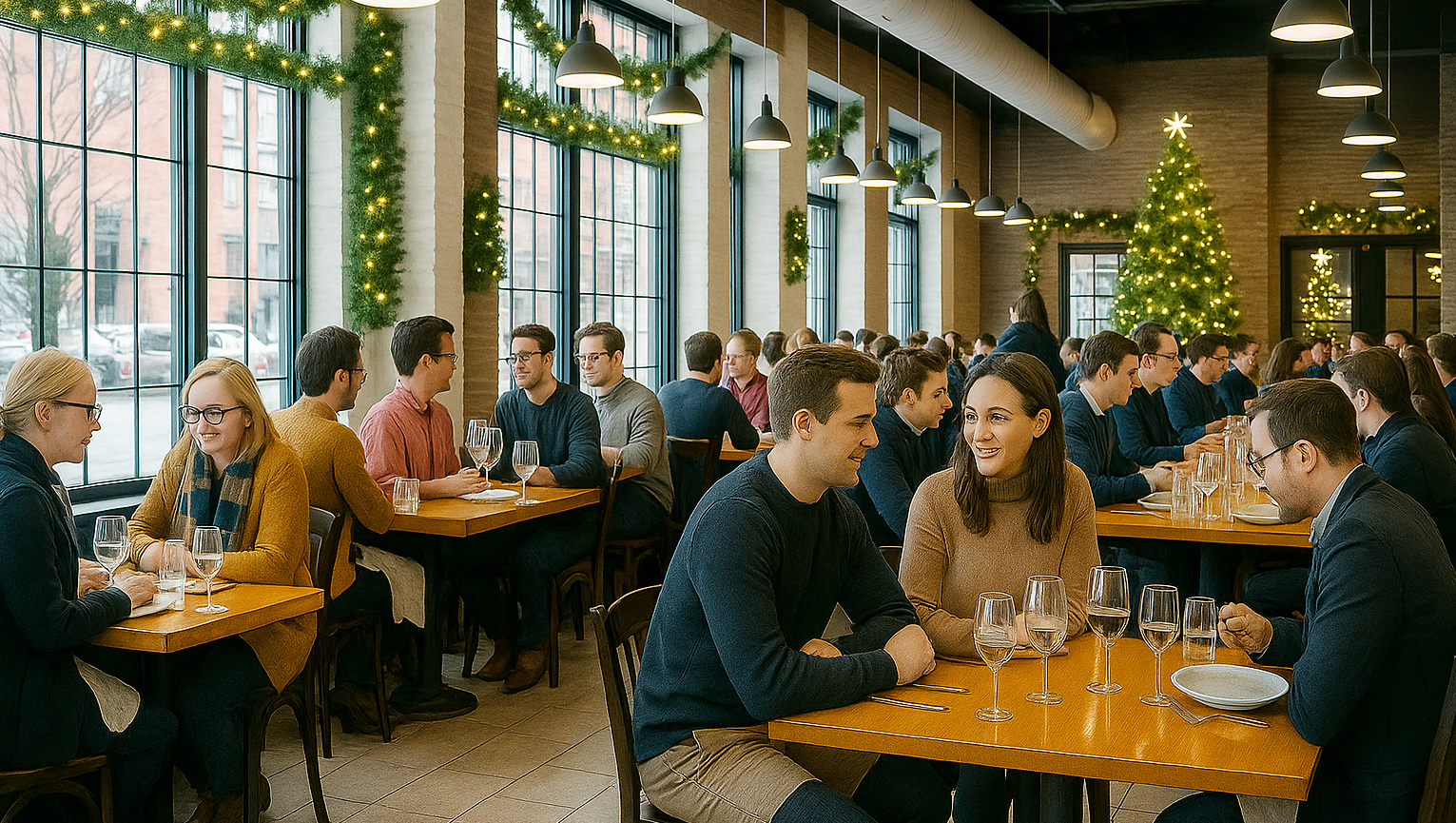
crowded restaurant dining room

Related Articles

Click to schedule a Free Online Demo, or call 727-877-8181 to see how guest intelligence can transform your restaurant’s retention strategy.

How AI is Changing the Restaurant Guest Relationship: Research, Realities, and the 2026 Opportunity

The restaurant industry is witnessing a fundamental shift in how operators connect with their guests.

Not a technological shift. A relationship shift.

For decades, the hospitality industry operated on a simple premise: know your regulars, treat them well, and they will return. This worked when a restaurant served a neighborhood. It breaks down when a restaurant serves thousands of guests across multiple locations, channels, and touchpoints.

AI is not replacing the restaurant-guest relationship. AI is making it possible to have a real relationship with tens of thousands of guests simultaneously.

The restaurants that understand this distinction will capture market share in 2026 and beyond. Those who see AI as just another marketing tool will continue to wonder why their guests feel like strangers.

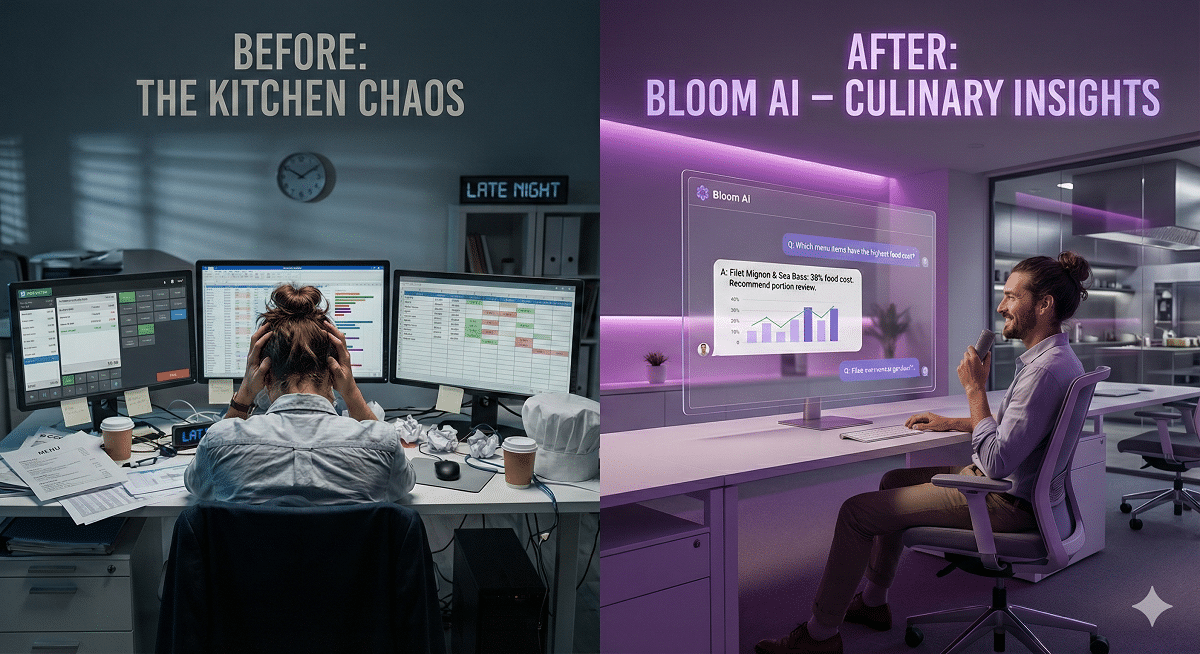
Before/after image of restaurant guest intelligence then and now, using AI

The Attention Economy Shift

Restaurant operators are competing in an attention economy that grows more crowded each year. The average consumer now interacts with dozens of restaurant brands annually through delivery apps, social media, online ordering, and physical visits. Yet research consistently shows that true loyalty, the kind that drives repeat visits and higher check averages, extends to only a handful of brands per consumer.

This creates both a challenge and an opportunity.

The challenge is that traditional broadcast marketing treats every guest the same. The same email to your Super Guest who visits weekly and spends generously goes to the first-time visitor who ordered once through DoorDash six months ago.

This approach wastes resources and, worse, dilutes the relationship with guests who actually matter to your business.

The opportunity lies in AI-powered guest intelligence that identifies which guests have genuine loyalty potential and concentrates communication where it creates value. Instead of marketing to everyone, intelligent systems recognize who matters and respond accordingly.

The 2026 winner is not the restaurant that markets to everyone. It is the restaurant that recognizes who matters and treats them accordingly.

The Rise of Invisible Loyalty

Traditional loyalty programs are showing their age. The punch card model, whether physical or digital, requires guests to actively participate in tracking their own relationship with your brand.

Each additional card in a wallet or app on a phone competes for limited consumer attention.

The data tells a clear story: program enrollment rates may look healthy, but active redemption rates continue to decline across the industry. Guests sign up, forget, and never engage. The loyalty program becomes a database of email addresses rather than a driver of behavior.

AI-powered loyalty works differently. Instead of asking guests to track points, behavior recognition systems identify loyalty patterns automatically.

The guest who comes in around 6 PM most weeks, always orders the same appetizer, and consistently brings friends, does not need to carry a card. The system recognizes this pattern and responds with relevance.

This is invisible loyalty. No cards to carry. No apps to download. No points to track. Just recognition.

Your best guests do not want another card. They want to feel known when they walk in or place an order. They want the hostess to remember their favorite table. They want the server to mention that the special tonight pairs perfectly with the wine they ordered last time. They want the marketing email to acknowledge their preferences rather than blast generic promotions.

AI makes this recognition possible at scale. The technology that once required a veteran server with decades of experience and perfect memory now extends across every location, every channel, and every touchpoint.

Hostess using guest intelligence to greet guests personally

Sentiment as the New Metric

Restaurant operators have long relied on star ratings as a primary measure of guest satisfaction. A 4.5-star average on Google means you are doing well. A drop to 4.2 signals trouble. Simple, clear, actionable.

But star ratings are lagging indicators. By the time enough reviews accumulate to shift your average, the underlying problems have been affecting guests for weeks or months. You are looking in the rearview mirror while driving forward.

Sentiment analysis changes this equation entirely.

Modern AI systems analyze not just the star rating but the language within every review, survey response, and behavioral signal. They identify patterns that predict future problems before they manifest in aggregate ratings.

Consider the difference: a review might award four stars while containing language that signals growing frustration with wait times. The star rating looks fine. The sentiment tells a different story.

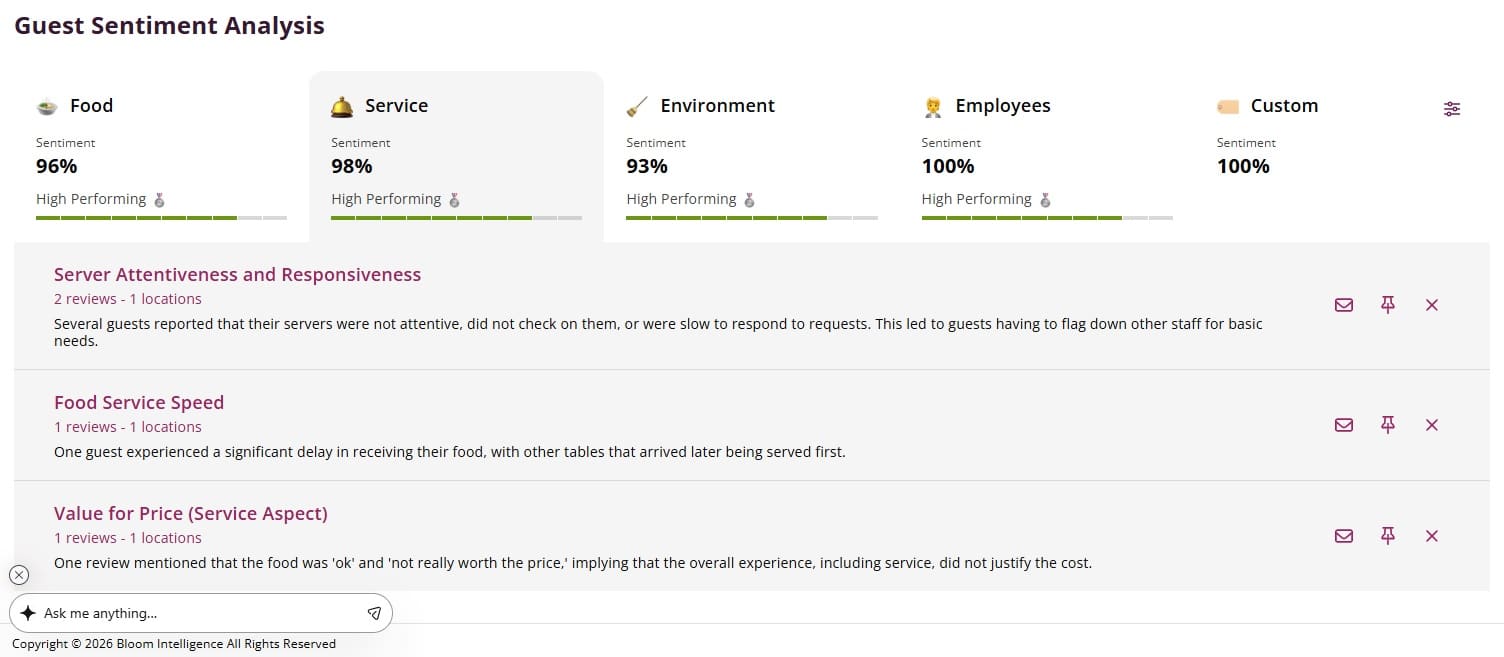
Sophisticated guest intelligence platforms create what amounts to a real-time health score for your guest relationships. This score incorporates review sentiment across platforms, identifies trending concerns, and highlights operational issues requiring attention.

A 4.2-star rating tells you where you were. Guest sentiment intelligence tells you where you are going.

For restaurant operators managing multiple locations, this predictive capability transforms how you allocate management attention. Instead of waiting for a location to accumulate poor reviews, you can identify emerging issues while they remain addressable. Instead of reacting to problems, you can prevent them.

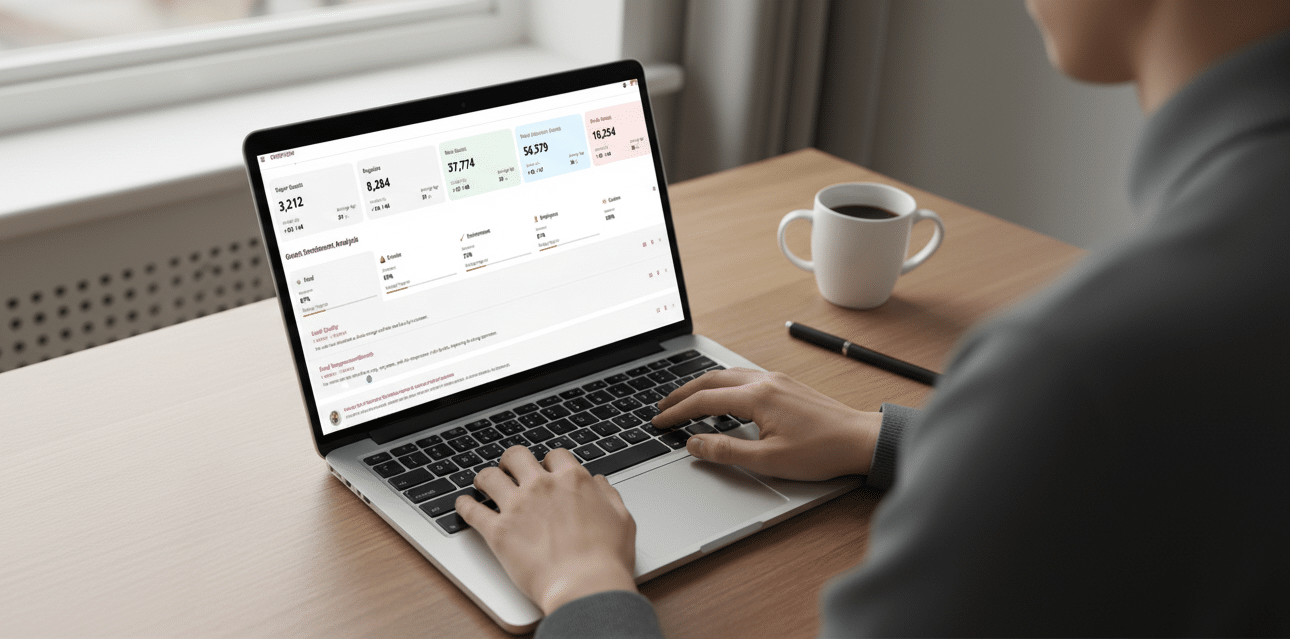
Screenshot of AI guest intelligence platform

The Staff Augmentation Reality

Restaurant labor costs continue climbing while marketing team sizes remain flat or shrink. The economics are unsustainable for traditional approaches to guest engagement.

Consider what a proper guest intelligence program requires without AI:

Someone must compile guest data from multiple sources. Someone must identify patterns in that data. Someone must segment audiences based on behavior. Someone must craft personalized campaigns for each segment. Someone must monitor review sites daily and respond thoughtfully. Someone must analyze which campaigns drove results. Someone must update the strategy based on those results.

A restaurant chain with twenty locations might need a team of four or five people dedicated solely to these tasks. Few operators can justify that expense. So the work goes undone, or worse, it gets done poorly with mass-blast emails and generic responses.

AI changes the staffing equation entirely.

Intelligent systems handle the data work automatically. They compile guest profiles from every touchpoint. They identify behavioral patterns. They segment audiences in real time. They trigger personalized campaigns based on individual guest behavior. They monitor reviews and draft responses. They attribute revenue to specific campaigns. They learn and improve continuously.

This does not eliminate the need for human judgment. It eliminates the need for humans to do data entry, list management, and repetitive analysis.

The question is not “AI or humans.” The question is “What can AI do so humans can be more human?”

When your marketing person spends less time pulling reports and more time developing creative campaigns, your marketing improves. When your managers spend less time monitoring review sites and more time coaching staff, your operations improve. When your operators spend less time wondering what the data shows and more time acting on clear insights, your business grows.

AI handles the mechanics so hospitality professionals can focus on hospitality.

restaurant manager training staff while AI runs in the background

The 2026 Opportunity Window

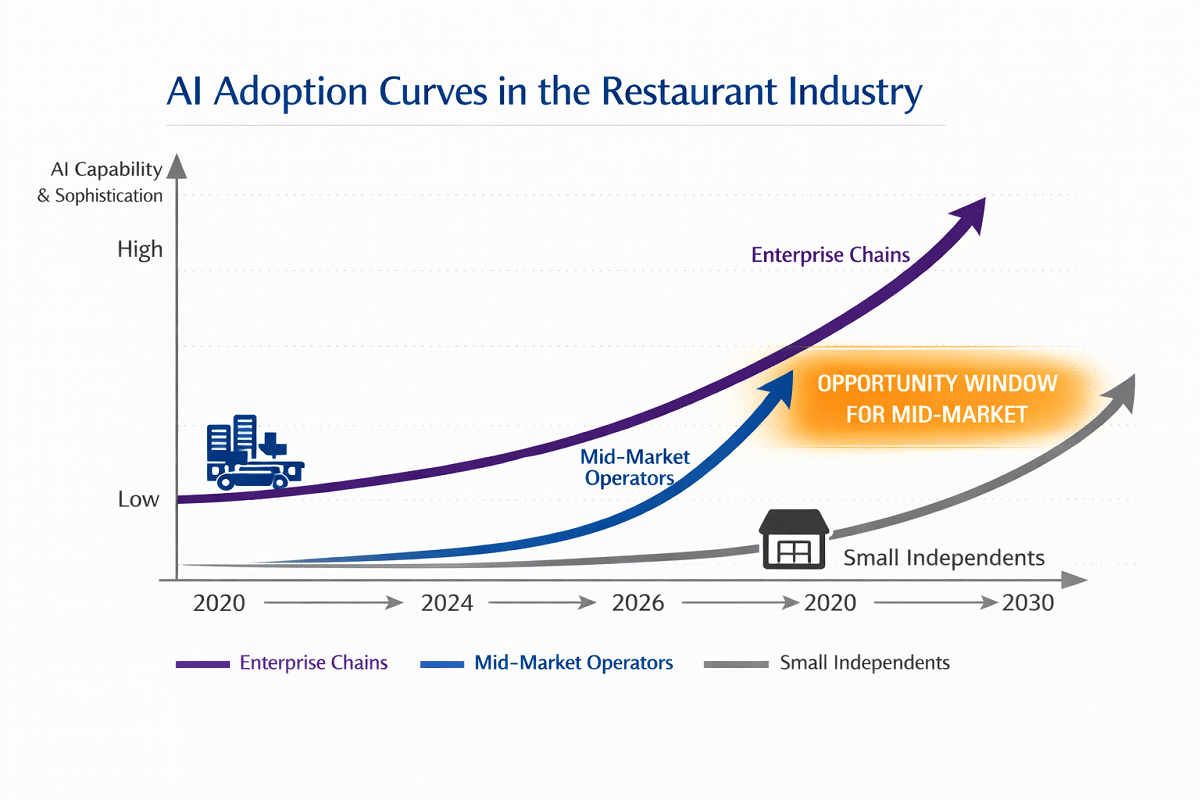
The current state of AI adoption in the restaurant industry creates a significant opportunity for mid-market operators.

Large enterprise chains, the brands with hundreds or thousands of locations, have invested heavily in custom AI and data infrastructure over the past decade. They built proprietary systems, hired data science teams, and created competitive advantages through guest intelligence.

Small independent restaurants, single locations with limited budgets, often rely on intuition and manual processes. They may never invest in sophisticated guest intelligence.

The middle market, restaurant groups with two to one hundred locations, occupies an interesting position. These operators have enough scale to benefit substantially from AI-powered guest intelligence. They have enough data to train meaningful models. They have enough guests to justify personalized engagement.

Yet many of these operators have assumed that enterprise-grade guest intelligence remains beyond their reach. They saw what larger competitors built and concluded that similar capabilities required similar resources.

That assumption was accurate five years ago. It is no longer accurate today.

The technology that Fortune 500 restaurant chains spent millions building is now accessible through platforms designed specifically for mid-market operators. The AI capabilities that required dedicated data science teams now operate through intuitive interfaces. The guest intelligence that seemed reserved for industry giants now fits the budget and operational reality of growing restaurant groups.

This creates a window of opportunity.

Mid-market operators who adopt AI-powered guest intelligence now can leapfrog competitors who continue relying on traditional methods. They can deliver the personalized guest experience that larger chains pioneered while maintaining the operational flexibility that small operators enjoy.

The window exists because the technology matured faster than awareness of that maturity. Many operators still think AI means expensive custom development. Many still believe guest intelligence requires technical staff they cannot afford. Many are waiting for prices to drop further or capabilities to improve.

Those assumptions will catch up with market reality eventually. When they do, the operators who moved early will have accumulated data advantages, learned what works for their specific guests, and built competitive moats that late adopters will struggle to breach.

Restaurant AI Adoption Curve Graph Showing Opportunity for Mid-Market Restaurant Operators

What This Means for Your Restaurant

The transformation in restaurant-guest relationships is not coming. It is here.

Guests increasingly expect recognition and relevance from the brands they patronize. They receive personalized experiences from airlines, retailers, and streaming services. They notice when their favorite restaurant treats them like a stranger.

AI does not make restaurants less personal. It makes it possible to be personal at scale.

The best operators have always known their guests. The server who remembers that Mrs. Johnson prefers booth seating and her water with extra lemon. The manager who recognizes that the

evening crowd includes a group of nurses who always order family style after their shift. The owner who notices when a regular has not visited in a few weeks and reaches out personally.

This hospitality has always defined great restaurants. What has changed is the ability to extend that same recognition to every guest, at every location, across every channel.

The restaurant that knows you ordered the salmon last time can suggest the new preparation. The restaurant that notices you always celebrate birthdays there can reach out before your anniversary. The restaurant that recognizes declining visit frequency can re-engage before you become a lost guest.

None of this requires replacing human hospitality with artificial substitutes. All of it requires augmenting human capabilities with intelligent systems that handle what humans cannot: remembering everything about thousands of guests simultaneously.

The question for 2026 is not whether AI will transform the restaurant-guest relationship. That transformation is already underway. The question is whether your restaurant will be among those defining what that transformation looks like, or among those reacting to competitors who moved first.

Discover how Bloom Intelligence helps restaurant operators build deeper guest relationships through AI-powered guest intelligence.

Request a free demo to see how the platform transforms guest data into actionable insights that drive revenue and loyalty.

crowded restaurant dining room

Related Articles

Click to schedule a Free Online Demo, or call 727-877-8181 to see how guest intelligence can transform your restaurant’s retention strategy.

Introducing Bloom AI: An AI Marketing Assistant Built Exclusively for Restaurant Intelligence

How restaurant chains are using conversational AI to unlock instant insights from their own guest data and automate personalized marketing at scale

What Is Bloom AI and Why Does It Matter for Restaurant Marketing?

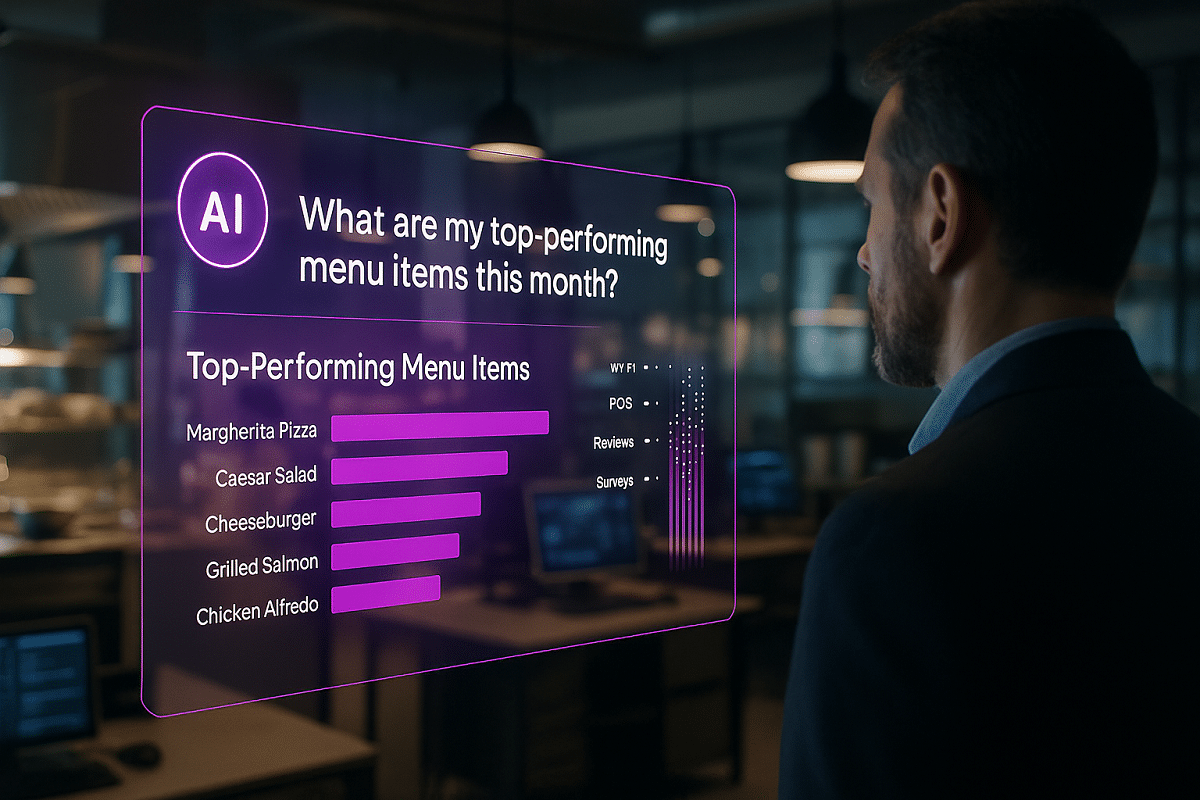
Imagine asking your marketing platform a simple question: “What are my top-performing menu items this month?” and receiving an instant, data-backed answer. No spreadsheets. No analyst is required. No waiting.

This is Bloom AI.

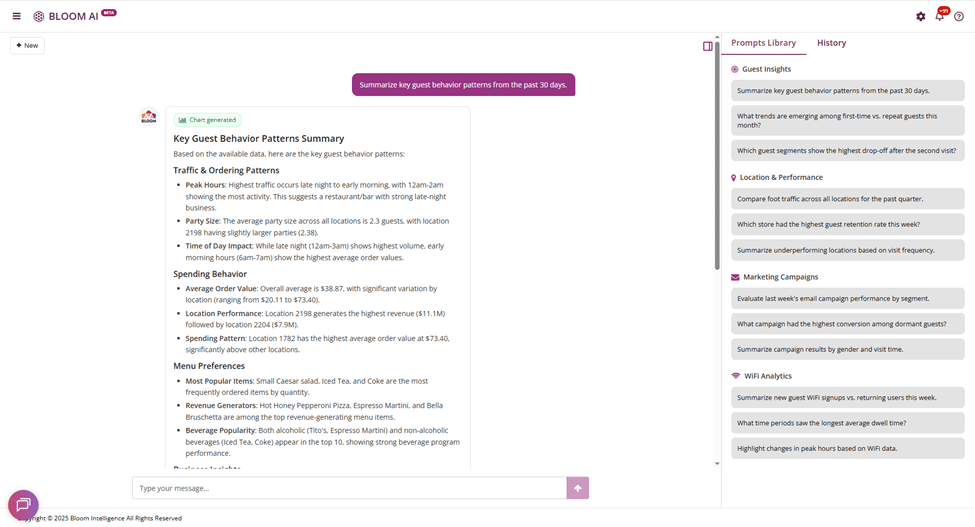
Bloom AI is an artificial intelligence assistant purpose-built for restaurant marketing intelligence. It transforms the way restaurant operators, marketers, and executives interact with their guest data by enabling natural language conversations with your own unified guest intelligence across millions of guest data signals from profiles, orders, reviews, surveys, websites, WiFi, and guest behavior.

For restaurant chains of all sizes, this represents a fundamental shift in how marketing and operational decisions get made. Instead of spending hours pulling reports or waiting for your analytics team to surface insights, you simply ask.

How Does Bloom AI Work for Restaurants?

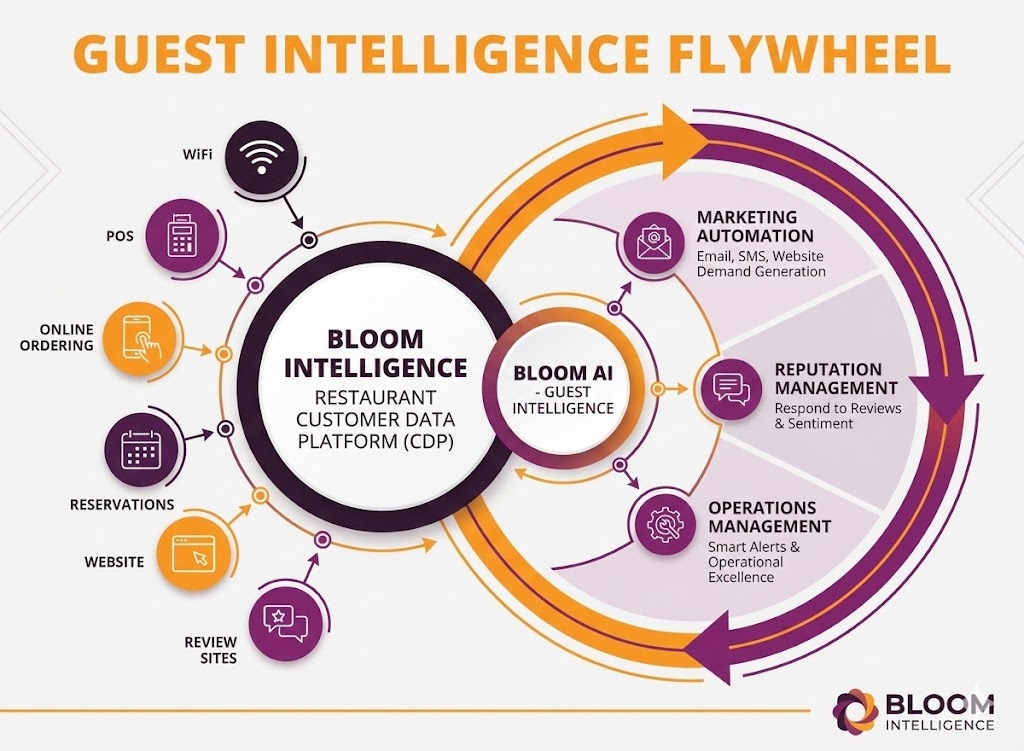
Bloom AI sits on top of your unified guest data collected from WiFi networks, POS systems, online ordering platforms, reservations, reviews, surveys, loyalty, and website interactions. When you ask a question, the AI instantly queries your specific data and delivers actionable answers tailored to your restaurant group.

The difference between Bloom AI and generic AI tools is profound. ChatGPT knows about restaurants in general. Bloom AI knows about your restaurants specifically. It understands your brand voice, your guest segments, your campaign history, and your operational benchmarks.

Natural Language Queries Replace Complex Analytics

Restaurant marketers can now access insights through simple questions:

Guest Intelligence Questions: “Summarize key guest behavior patterns from the past 30 days.” “What trends are emerging among first-time vs. repeat guests this month?” “Which guest segments show the highest drop-off after the second visit?”

Location Performance Questions: “Compare foot traffic across all locations for the past quarter.” “Which store had the highest guest retention rate this week?” “Summarize underperforming locations based on visit frequency.”

Marketing Campaign Questions: “Evaluate last week’s email campaign performance by segment.” “What campaign had the highest conversion among dormant guests?” “Summarize campaign results by gender and visit time.”

WiFi Analytics Questions: “Summarize new guest WiFi signups vs. returning users this week.” “What time periods saw the longest average dwell time?” “Highlight changes in peak hours based on WiFi data.”

Each question returns specific insights from your restaurant’s actual performance data, not industry averages or generic recommendations.

The AI Restaurant Marketing Command Center

Bloom AI extends far beyond simple data queries. It powers the entire marketing intelligence ecosystem that drives automated revenue growth for restaurant chains.

Brand Voice Training

Every restaurant brand has a distinct personality. Bloom AI learns your communication style, tone preferences, and messaging guidelines. When the platform generates email campaigns, SMS messages, review responses, or survey follow-ups, the output sounds authentically like your brand.

This training happens automatically as you use the platform. The AI analyzes your existing communications, approved templates, and brand rules to ensure consistency across every guest touchpoint.

Guest Sentiment Intelligence

With millions of reviews analyzed across the platform, Bloom AI understands what guests are saying about your restaurants. It identifies recurring themes in positive feedback to amplify, surfaces operational issues before they become systemic problems, and helps you understand the voice of your guest at scale.

When a guest mentions “cold food” or “slow service” in a review, the AI doesn’t just flag the negative sentiment. It connects that feedback to your operational dashboard, suggests appropriate response templates, and identifies whether this represents an isolated incident or an emerging pattern.

Expert Marketing Models

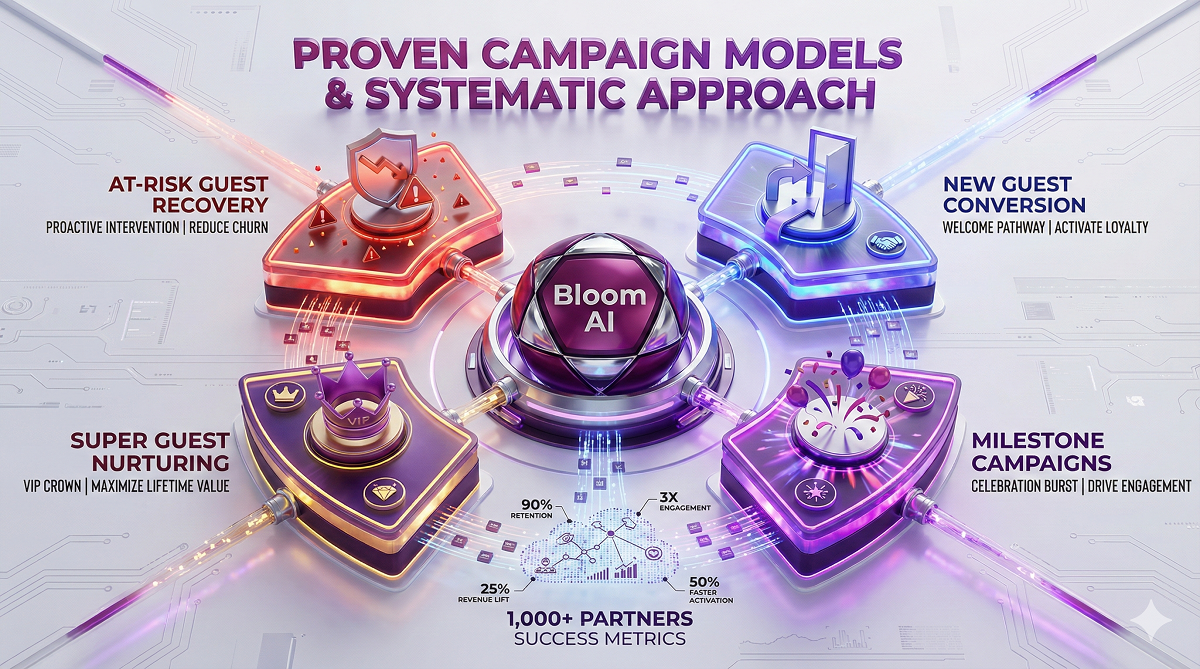
Bloom AI incorporates proven restaurant marketing models that have generated measurable results across 1,000+ partners. These aren’t theoretical frameworks; they’re battle-tested approaches refined through millions of guest interactions.

The platform knows which campaign types work best for different guest segments:

  • At-Risk Guest Recovery: Automated campaigns targeting guests whose visit frequency is declining before they become fully lost.
  • New Guest Conversion: Campaigns designed to convert first-time visitors into repeat guests during the critical window after their initial visit.
  • Super Guest Nurturing: High-touch communications that increase lifetime value among your most valuable guests.
  • Milestone Campaigns: Birthday, anniversary, and loyalty card triggers that drive incremental visits.

AI-Powered Marketing Automation That Operates 24/7

The true power of Bloom AI emerges when it connects intelligence to action. Understanding your data is valuable. Automatically acting on that understanding generates revenue.

Personalized Email and SMS Marketing

Bloom AI doesn’t just segment your audiences; it crafts personalized messages for each segment based on their specific behavior patterns, preferences, and engagement history. A super guest receives different messaging than a cooling-off guest, and both receive different treatment than a new guest on their second visit. And it ties every campaign directly to revenue attribution, so you know exactly what worked.

Intelligent Review Response Automation

Responding to reviews across Google, Yelp, Facebook, TripAdvisor, OpenTable, Tock, and surveys consumes hours of staff time weekly. Bloom AI automates this process with responses that acknowledge guest feedback, match your brand voice, and address specific points raised in each review.

The platform applies rules based on rating, location, and review content. A 5-star review might receive a quick thank-you response. A 3-star review triggers a longer response addressing concerns. Critical reviews can be flagged for human review before any automated response.

Website Optimization for AI and Search Discovery

Restaurant websites increasingly compete not just for search rankings, but for visibility in AI platforms like ChatGPT, Google’s AI Overviews, and voice assistants. Bloom AI helps optimize your web presence for both traditional SEO and emerging answer engine optimization (AEO).

The platform identifies which questions potential guests ask about restaurants like yours and helps structure your website content to provide direct answers. Smart data structure recommendations ensure search engines and AI platforms understand your menu, locations, hours, and offerings.

The Marketing Flywheel: How AI Creates Compounding Results

Restaurant marketing with Bloom AI operates as a flywheel rather than a series of disconnected campaigns. Each guest interaction generates data that improves future marketing effectiveness.

Guest Visits → Data Collection: WiFi, POS, online ordering, reviews, surveys, and reservation data flow into unified guest profiles.

Unified Profiles → AI Analysis: Bloom AI identifies patterns, segments audiences, and surfaces opportunities.

AI Analysis → Automated Action: Personalized campaigns launch automatically based on behavioral triggers and sentiment.

Campaigns → Guest Response: Guests engage, visit, purchase, and provide feedback.

Online Discovery → New Guest Response: New guests explore, discover, visit, purchase, and provide feedback.

Guest Response → More Data: New interactions enrich profiles and improve future targeting.

This flywheel accelerates over time. The more data your restaurants generate, the smarter Bloom AI becomes at identifying opportunities and personalizing outreach, and driving online discovery. Early adopters stake a claim in the AI landscape and compounding benefits as their guest intelligence matures.

Operational Excellence Through Guest Intelligence

Bloom AI isn’t limited to marketing applications. The same unified guest intelligence that powers personalized campaigns also drives operational improvements.

Staffing Optimization

By analyzing WiFi foot traffic patterns, ticket data, and visit timing data, Bloom AI identifies when your restaurants are busiest and when guest volume drops. This intelligence helps operations teams optimize staffing schedules to match actual demand rather than historical assumptions.

Menu Intelligence

Order data reveals which menu items drive revenue, which items guests frequently order together, and which items appear in orders from your highest-value guests. This intelligence informs menu engineering decisions and promotional strategies.

Location Benchmarking

Multi-location operators can compare performance across their restaurant group using standardized metrics. Bloom AI surfaces which locations outperform on guest retention, which struggle with review ratings, and which show unusual patterns that warrant investigation.

Who Benefits Most from AI Restaurant Marketing?

Bloom AI delivers the greatest impact for all businesses but is optimized for restaurant chains. While large operators have significant resources Bloom is also optimize for operators that face a unique challenge: they’re large enough that fragmented data creates real operational complexity, but lean enough that they can’t afford dedicated data science teams.

Restaurant CEOs and Founders

Executives gain instant visibility into performance across their entire restaurant group without waiting for weekly or monthly reports. Strategic questions get answered in seconds, not days.

Marketing Teams

Marketing teams gain enterprise-level capabilities without enterprise-level headcount. A single marketer with Bloom AI produces the output of a five-person department and measures precise ROI on every campaign.

Operations Leaders

Operations teams translate guest intelligence into actionable improvements. Review sentiment analysis identifies service issues. Traffic patterns inform staffing. Guest feedback guides training priorities.

Roka Akor

New Case Study: Roka Akor

#1 AI-recommended Japanese Steakhouse in Chicago, San Francisco & Scottsdale

Read Now

Getting Started with AI Restaurant Marketing

Implementing Bloom AI doesn’t require lengthy integration projects or technical expertise. The platform connects to your existing data sources through pre-built integrations with major POS systems, online ordering platforms, reservation systems, and review sites.

Most restaurant chains are fully operational within 24 hours of setup. Guest data begins flowing immediately, profiles start building automatically, and AI insights become available as soon as data populates.

The onboarding process includes configuring your brand voice settings, establishing automation rules for campaigns and review responses, and setting up the dashboard views most relevant to your role.

The Future of Restaurant Marketing Is Conversational

Restaurant marketing has evolved from mass mailers to email lists to segmented campaigns. The next evolution is conversational intelligence, where operators interact with their data through natural language and AI handles the complexity of personalization at scale.

Bloom AI represents this future, available today.

Your competitors are already adopting AI-powered marketing platforms. The question isn’t whether conversational intelligence will transform restaurant marketing. The question is whether you’ll lead that transformation or respond to it.

Ready to see Bloom AI in action?

Schedule a demo to experience how conversational AI transforms restaurant marketing intelligence.

Schedule Your Free Demo

Or call 727-877-8181 to speak with one of our restaurant marketing specialists.


Ready to give your restaurant the advantage?

See exactly how Bloom Intelligence works around the clock to grow your revenue, protect your reputation, and optimize your operations. Watch your actual guest data transform into automated marketing that never stops working.

Schedule Your Intelligence Audit | Calculate Your After-Hours Revenue

P.S. While you’ve been reading this article, Bloom-powered restaurants have responded to 47 reviews, recovered 12 lost guests, and generated $8,400 in protected revenue. The clock never stops. Neither should your marketing.

Join the restaurants that never sleep. Because your guests never do.

Let Bloom Intelligence Make It Effortless

Bloom Intelligence is the AI-powered restaurant marketing platform that automatically grows revenue, protects reputation, and optimizes operations 24/7. Our unified platform combines guest data from every touchpoint with intelligent automation to give restaurants the marketing power of major chains, without the complexity or cost.

Bloom makes guest data collection and marketing automation effortless, which allows you to quickly execute the strategies listed above, saving you time, increasing customer lifetime values, attracting new guests, improving your reputation, and boosting your bottom line.

Call us or schedule a free demo online and Bloom will show you how our restaurant marketing platform can help you save time and increase your customer lifetime values by automatically building first-party customer databases, unlocking important guest insights to trigger automated marketing at the right time and place, discover true guest sentiment, save at-risk guests, increase your current guests’ frequency, supercharge your website, and find new guests.

Click to schedule a Free Online Demo, or call 727-877-8181 to see how we can help you drive tangible results for your restaurants.


Holiday Restaurant Marketing That Turns Seasonal Guests Into Year-Round Revenue

The holiday season represents the single biggest revenue opportunity of the year for restaurants. Family visits, office parties, and gift card shoppers bring more first-time guests through the door than any other stretch of the year.

Yet most restaurants treat holiday marketing like a one-time event. They push promotions in December that disappear with the Christmas decorations. The result? They capture short-term revenue but lose the long-term value.

Those holiday guests who could become regulars simply vanish after New Year’s.

Here are the stakes:

  • The holidays bring a wave of first-time guests to most restaurants
  • About 8 in 10 first-time restaurant guests never come back (Bloom Intelligence 2026 study)
  • Every guest who never returns takes all of their future visits with them
  • For a multi-location group, that loss repeats at every location

The restaurants that win don’t just market for the holidays. They utilize the holiday season as a strategic period for data collection and relationship building. With the right guest intelligence infrastructure, every holiday visitor becomes an opportunity for 365-day revenue growth.

holiday season restaurant guests

The Foundation: Building Your Holiday Guest Intelligence System

Why the Holidays Are Perfect for Data Collection

Holiday guests are more receptive to engagement. They stay longer for celebrations, which means higher WiFi connection rates. They book more reservations, capturing data at the point of booking. They order more catering and takeout online. They engage more on social media and leave more reviews.

This creates the perfect environment to collect the data you need to market to them throughout the year.

What to Collect:

Your holiday data collection should focus on four categories:

Essential contact data includes name, email, phone number, and contact preferences. This is your foundation. Without it, you can’t reach guests after they leave.

Behavioral intelligence reveals visit timing, dwell time, spend patterns, and dining occasion. This tells you who they are as diners.

Holiday-specific signals capture party size, special occasion indicators, and gift card purchases. This context helps you understand their relationship with your restaurant.

Digital engagement tracks email opens, SMS responses, and online ordering behavior. This shows you how they prefer to communicate.
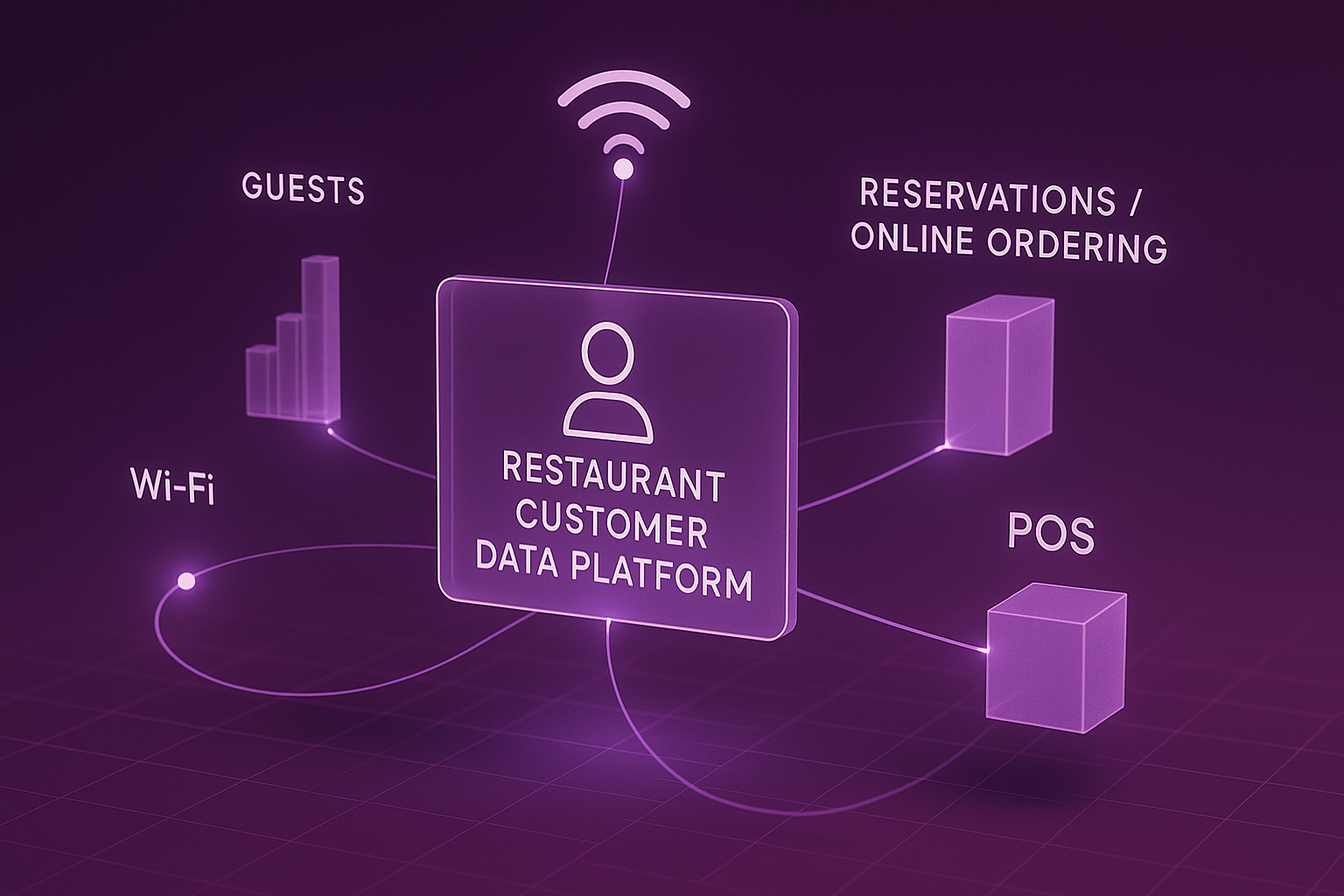
holiday guest data collection sources

The Customer Data Platform (CDP) Advantage

A restaurant CDP doesn’t just collect data. It creates comprehensive guest profiles that unify information from every touchpoint.

WiFi marketing captures first-time visitors at the door. POS integration tracks ordering behavior and spend. Reservation systems provide booking patterns and party size. Online ordering reveals convenience preferences. Review platforms surface sentiment and satisfaction.

This creates a unified intelligence hub where every piece of data works together to build a complete picture of each guest.

Real-Time Profile Building:

From first contact, your CDP begins building intelligence. The Thompson family books a table for 8 on December 23rd, orders three bottles of wine, connects to WiFi, and stays for 2.5 hours. Your system knows this isn’t a quick casual meal. They’re celebrating something important.

Sarah orders holiday catering for 20 people, picks up during lunch rush, and joins your email list. Your system identifies her as a potential corporate client or frequent entertainer.

Marcus visits alone twice in one week during the lunch rush, always orders the same burger, and leaves 5-star reviews. Your system recognizes him as a convenience-focused regular in the making.

Without a CDP, these are just transactions. With one, they’re opportunities for targeted, personalized marketing that dramatically increases return rates.

AI-Powered Segmentation: Turning Data Into Actionable Audiences

Manual segmentation based on gut feelings doesn’t work at scale. You need AI-powered segmentation that automatically groups guests based on their behavior, not your assumptions.

The Five Critical Holiday Segments:

First-Time Holiday Guests represent your biggest opportunity. These visitors discovered you during the holiday rush. Without intervention, most will never return. About 8 in 10 first-time guests never come back. They’re prime candidates for post-holiday nurture campaigns.

Returning Holiday Guests are building momentum. They’ve made their second or third visit during the holidays. They’re in the critical conversion window where they could become regulars or churn. They need frequency-building campaigns in Q1.

Regular Guests form your steady base. They visit monthly or more often throughout the year. Use holidays as an upsell opportunity for private parties and catering. Reward their loyalty with VIP experiences.

Churning Guests haven’t visited in 60+ days but could be recovered. Holiday nostalgia is a powerful trigger.

Super Guests are your VIPs. In Bloom data, 30% of guests drive 52% of revenue. Holidays are their celebration season. Give them early access, special experiences, and recognition to deepen loyalty.
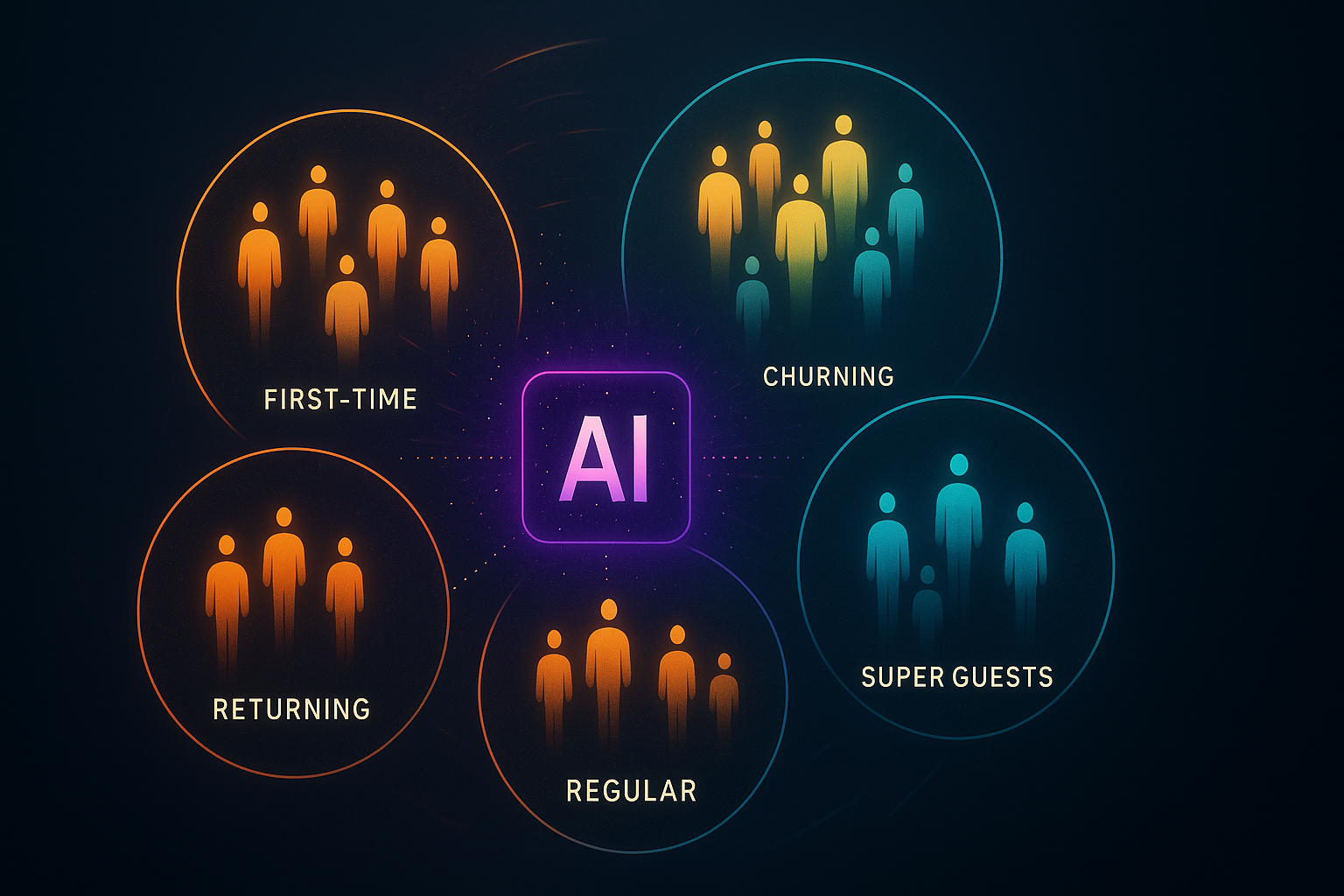
AI powered guest segmentation

Why Manual Segmentation Fails:

Without a CDP, you’re guessing at segments based on incomplete data. You might know Sarah ordered catering, but you don’t know she’s also dined in twice, left a 4-star review, and hasn’t opened your last three emails. That context changes everything about how you market to her.

Strategic Holiday Marketing By Guest Segment

First-Time Holiday Guests: The 72-Hour Recovery Window

These guests came for the holidays. Family was in town. Office parties needed venues. Special occasions required celebration. Post-January, they have no reason to return unless you give them one.

The window to influence a new guest’s return decision is incredibly short. Within 72 hours, they’ve either planned their next visit or moved on to other dining options. That’s why timing matters more than perfect targeting.

The Strategy:

Immediate Welcome (Within 24 hours):

Send an automated thank-you message acknowledging their first visit. Keep the tone warm and appreciative, not salesy. Include a link to join your loyalty program, follow you on social media, or leave a review.

This isn’t about pushing them to return immediately. It’s about establishing the relationship while your restaurant is fresh in their mind.

The Hook Campaign (Days 3 to 7):

Deploy personalized messaging based on visit behavior. The high-spend table service guest gets menu recommendations and information about upcoming special events. The quick casual lunch visitor gets convenience messaging about online ordering. The large party booking gets private dining and catering options.

You’re matching your message to how they already use your restaurant.

The January Bridge (Weeks 2 to 4):

Combat the post-holiday dining slump with compelling reasons to return. Launch “New Year, New Menu” items. Offer resolution-friendly options without being preachy. Create value-focused offers that don’t train discount behavior.

January is when most restaurants lose first-time holiday guests. Your goal is to keep the conversation alive.

The Conversion Play (Month 2 to 3):

Segment by engagement level. Guests who opened emails get more content, recipe features, and behind-the-scenes stories. Guests who didn’t engage get an SMS touchpoint with a time-sensitive offer. Your goal is to secure the second visit before the 90-day window closes.

After 90 days without contact, recovery rates plummet.

Real Results:

Bloom’s data shows why the second visit matters most: a guest who makes a second visit has a 54.8% chance of making a third. (https://bloomintelligence.com/blog/why-first-time-guests-never-return/)

Returning Holiday Guests: Building Frequency Before Q1 Slump

These guests have visited two or three times total. They’re in the critical “on-the-fence” phase where they could become regulars or disappear forever. Research shows that guests who visit four or more times in the first six months are five times more likely to become long-term regulars.

Your goal is to push returning guests past this threshold before spring.

The Strategy:

Momentum Campaigns (January to February):

Leverage recency while you have it. Send messages like “Since you loved the lamb chops, you have to try our new rosemary ribeye.” Create frequency incentives such as “Visit three times in January, get a complimentary appetizer.”

You’re creating habit formation during the slow season when you have capacity and guests have fewer competing options.

Preference Learning:

Use early visits to understand their patterns. Does this guest always order wine? Send them wine pairing events and new bottle launches. Do they bring kids every time? Send family night promotions. Are they weekend brunch regulars? Send weekend-specific campaigns.

Every interaction teaches you how to market to them more effectively.

Relationship Deepening:

Invite them to join your loyalty program with an immediate benefit. Survey them about their preferences and actually use the data. Capture birthdays and anniversaries for future campaigns.

The goal isn’t just to get them back. It’s to learn enough about them that you can market to them intelligently for years.

Regular Guests: Holiday Upsell and VIP Recognition

Your regulars are already coming. Don’t lose them in the holiday chaos or take them for granted. They represent your most valuable asset, and the holidays create unique opportunities to deepen these relationships and increase their value.

holiday season VIP restaurant guests

The Strategy:

Pre-Holiday VIP Access:

Give regulars early reservation booking for popular holiday dates. Holiday tables book early: in our holiday reservations data, Thanksgiving bookings were made about 3 weeks ahead on average. Offer them a first look at your holiday menu or special offerings. Allow private event booking before public announcement.

This makes them feel valued and ensures they don’t get frustrated trying to book during peak times when availability is limited.

Upsell Opportunities:

The holidays create natural upsell moments. Market catering for their holiday parties. Promote gift card purchases with incentives like “Spend $100, get a $20 bonus card.” Offer wine bottle sales for holiday entertaining. Push takeout and delivery options for busy holiday hosts.

Your regulars already trust you. They’re the easiest audience for upsells because they know your quality.

Recognition and Appreciation:

Send personalized holiday greetings from management, not automated corporate messages. Surprise and delight them with an unexpected appetizer, upgrade, or discount. Host an exclusive “regulars only” event in January to combat the post-holiday slump.

These gestures cost little but build enormous loyalty.

The Retention Insurance:

During busy holiday periods, service can slip and waits can increase. Proactive communication with regulars prevents frustration. A simple message like “We know it’s busier than usual. Your patience means everything to us, and we’ve saved your favorite table” acknowledges reality and shows respect.

This prevents the service degradation that drives away even loyal guests during peak periods.

Churning Guests: The Holiday Win-Back Window

These guests haven’t visited in 60 to 90+ days. They’re nearly lost, but the holidays create a unique emotional opening. People are more nostalgic, more social, and more willing to try places they used to love.

The Strategy:

Nostalgia Triggers:

Lead with “We miss seeing you” messaging with a genuine, personal tone. Reference their past favorites: “Your usual table is ready” or “Remember that short rib you loved?” Use their name, their history, and their preferences to make it personal.

Generic “We want you back” messages get ignored. Personal messages that show you actually remember them get responses.

Holiday-Specific Hooks:

Position your restaurant as perfect for situations where they need one. “Hosting out-of-town guests this year?” creates urgency. “Our cranberry pork tenderloin is only here through January” adds scarcity. “We’ve added online ordering” or “We now take reservations” removes barriers that might have caused them to leave.

The holidays give you multiple angles to reach churning guests.

The Right Incentive:

Avoid generic discounts. They train price sensitivity and attract the wrong behavior. Instead, use personalized offers based on past behavior.

High spenders get a complimentary appetizer or dessert, not 20% off. Price-sensitive guests get targeted value offers like “Lunch special: $12 for your choice of entree and drink.” Guests who loved specific items get “Chef’s bringing back your favorite dish for a limited time.”

The incentive should remove friction, not become the primary reason to visit.

Segmented Urgency:

Guests who lapsed for 60 days get a soft, friendly check-in. Guests who lapsed for 90 days get a stronger incentive and clearer ask. Guests who lapsed for 120+ days get a last-chance campaign before you archive them.

Different levels of churn require different intensities of effort.

Win-Back Success Rate:

Across Bloom Intelligence restaurants, automated win-back campaigns recover 38% of at-risk guests. (https://bloomintelligence.com/blog/why-first-time-guests-never-return/)

Super Guests: Deepening the Most Valuable Relationships

In Bloom data, 30% of guests drive 52% of revenue. Losing even one super guest takes a large share of your future revenue with them. The holidays are your chance to strengthen these relationships so they never consider going anywhere else.
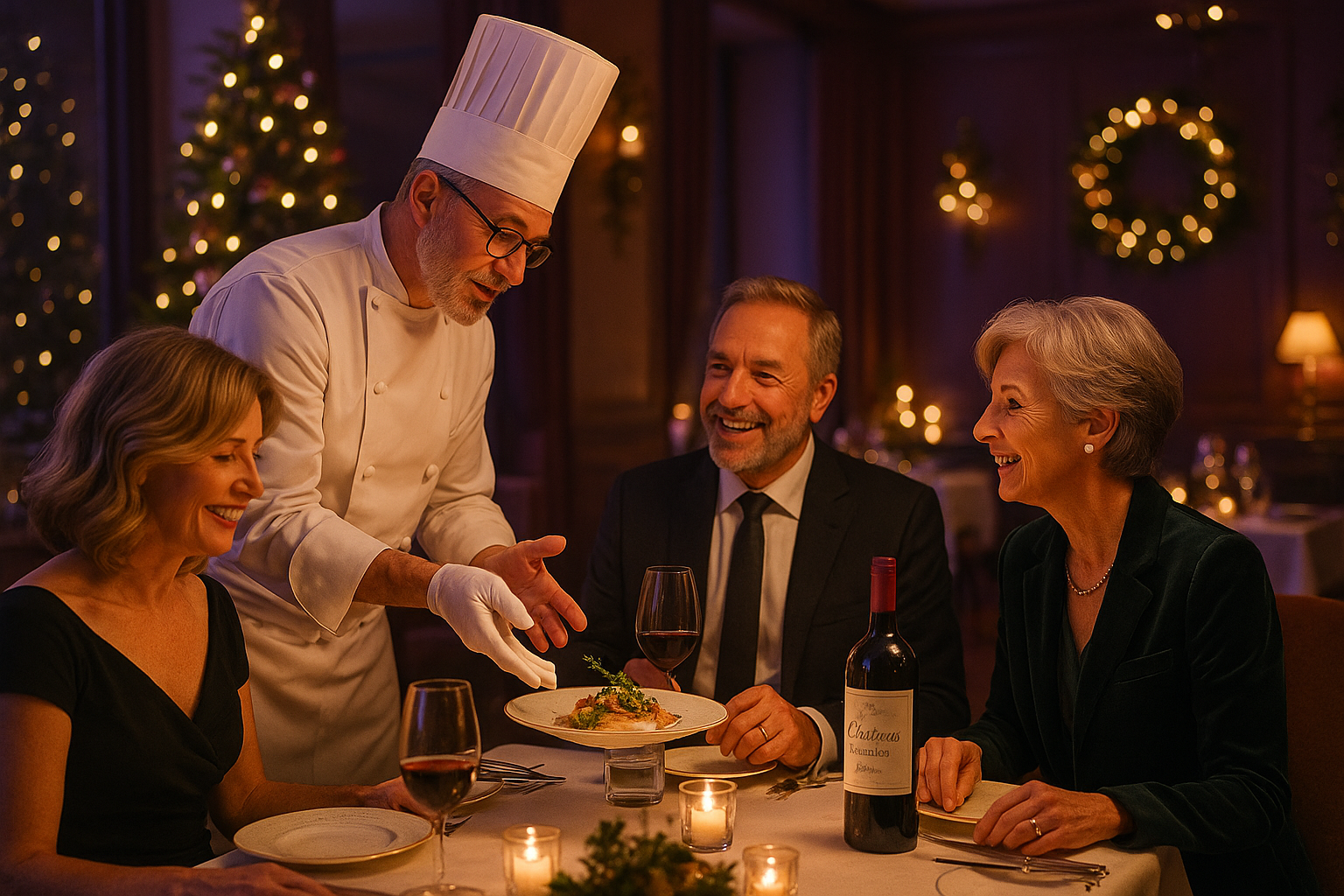
The Strategy:

White Glove Treatment:

Make personal phone calls, not send emails, for holiday reservation assistance. Guarantee seating even on the busiest nights. Offer menu customization for dietary needs or special requests. Provide a dedicated point of contact like a manager or owner direct line.

Super guests should never wonder if they’ll get a table or if you’ll accommodate their needs.

Exclusive Experiences:

Host chef’s table events with limited seating. Offer first taste of new menu items before public launch. Provide behind-the-scenes kitchen tours or cooking classes. Give private dining room access with custom menus.

These experiences can’t be bought. They’re reserved for your most valuable guests, which makes them even more valuable.

Strategic Gifting:

End the year with appreciation gifts, not discounts. Send personalized wine bottles, a cookbook from your chef, or branded merchandise. Mail holiday cards signed by the owner or GM with a personal note. Make surprise deliveries: “We know you love our braised lamb, so we brought it to you.”

These gestures cost less than the discount campaigns you’d run for other segments, and they build far more loyalty.

Investment in Relationship:

Conduct quarterly check-ins from ownership. Solicit feedback and actually implement it. Name a dish after them, even jokingly on a special occasion menu. Introduce them to other super guests to create community.

Super guests don’t just want good food and service. They want to feel like insiders, like they’re part of something special.

White-glove holiday experiences give your best guests every reason to stay.

That’s a massive ROI for relatively small investments in relationship building.
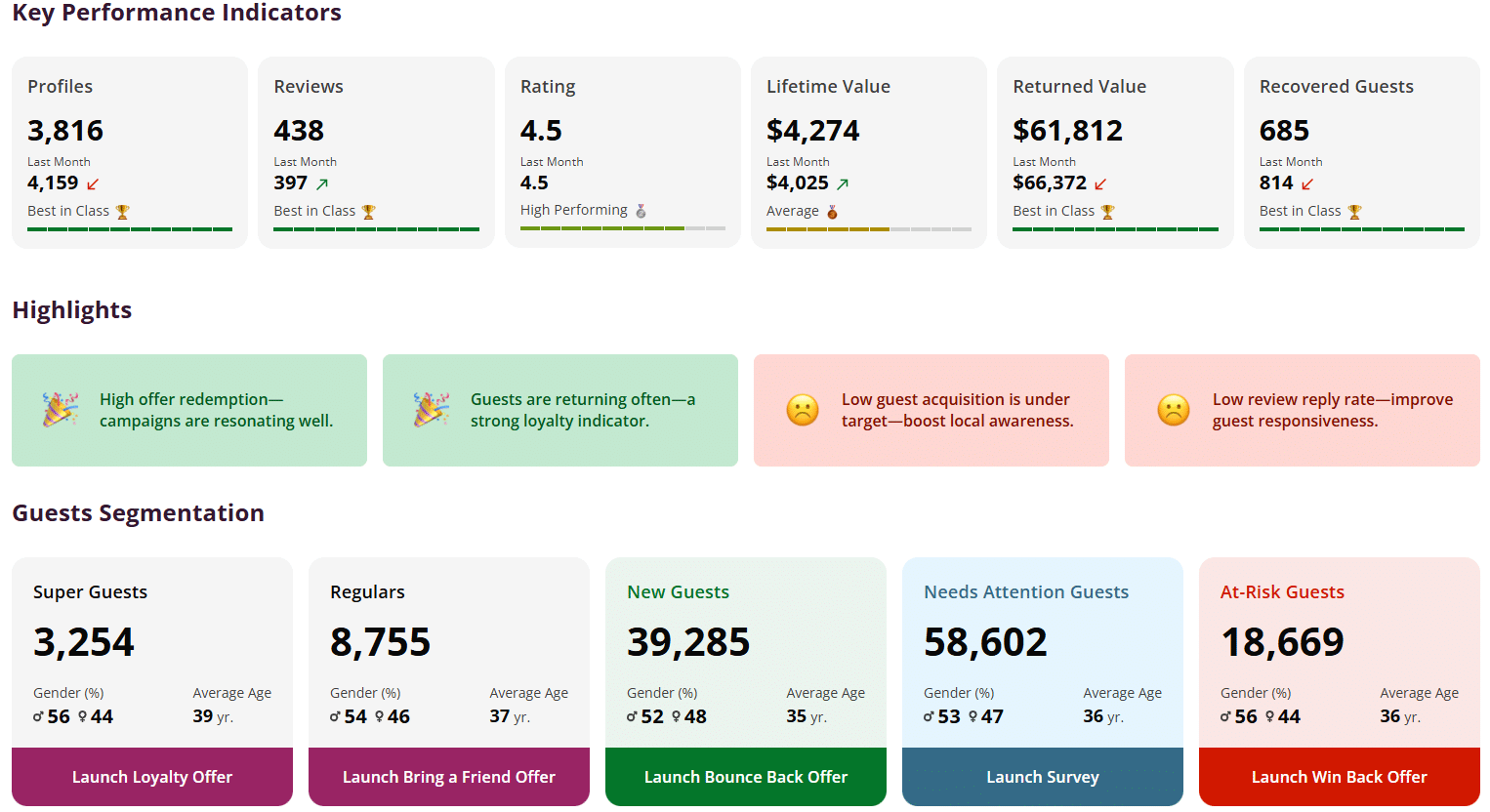
Bloom Intelligence Dashboard

Automation: The Secret to Executing at Scale

Even with perfect segmentation, most restaurants can’t execute these strategies. They require constant monitoring of guest behavior, precise timing of message deployment, personalization at scale across hundreds of guests, coordination across email, SMS, and in-restaurant touchpoints, and performance tracking and optimization.

You’d need a full-time marketing team. Or you need automation.

Triggered Campaigns That Launch Automatically

No Calendar Management Required:

First-time guest welcome series trigger within 24 hours of a visit. Frequency-building campaigns launch when returning guests hit specific visit counts. Win-back campaigns deploy when a regular’s visit frequency declines. Super guest VIP communications send at predetermined touchpoints.

You set the rules once. The system executes forever.

Behavioral Triggers, Not Calendar Dates:

Sarah books a large party. A catering offer triggers automatically. Marcus hasn’t visited in 45 days. A “We miss you” campaign launches. The Thompson family leaves a 5-star review. A “Thank you plus refer a friend” message sends.

The system responds to what guests do, not what date it is.

Dynamic Personalization Without Manual Work

AI Writes the Message:

The system pulls guest name, visit history, order preferences, and sentiment. It generates personalized subject lines and message content. It adapts tone based on guest segment, whether VIP, churning, or new. It tests variations and optimizes based on response rates.

You’re not writing hundreds of individual emails. AI does it for you based on the data you’ve collected.

Channel Intelligence:

The system automatically selects email versus SMS based on past engagement. It determines optimal send time based on when a guest typically opens messages. It applies frequency capping to prevent over-communication.

Guests get messages through the channel they prefer, at the time they’re most likely to engage.

Reputation Management at Scale

Automated Review Generation:

Post-visit rating requests go out with smart timing, not too immediate and not too late. AI-powered response suggestions appear for every review. Trend identification alerts you when you’re getting negative mentions of wait times or specific dishes.

You stay on top of your reputation without manually monitoring six different review sites.

Performance Intelligence You Can Actually Use

Real-Time Dashboards:

See campaign performance by segment. Track guest lifetime value trending. Monitor visit frequency and spend patterns. View attribution showing which campaigns drive actual visits and revenue.

You know what’s working and what’s not, so you can double down on success.

Actionable Alerts:

The system tells you when 10 regulars haven’t visited in 60 days. It warns you when negative sentiment increases around a specific issue.

You’re not digging through data to find problems. Problems surface themselves so you can fix them.

The Holiday-to-365 Transformation

The difference between restaurants that simply have a good holiday season and those that transform holiday success into year-round growth comes down to one thing: data infrastructure and automation.

The Traditional Cycle (Reactive):

You run a busy November and December with promotions and holiday menus. Revenue spikes in Q4. January brings a slump as holiday guests disappear. You scramble in February and March to drive traffic. You repeat this next year.

The Guest Intelligence Cycle (Proactive):

You run a strategic holiday season focused on data collection and relationship building. Automated nurture campaigns launch in January. First-time holiday guests get a personalized second-visit offer within days. Returning guests hit the four-visit threshold and become regulars. Q1 revenue stays strong as holiday guests remain engaged. Year-round frequency increases drive compound growth. (https://bloomintelligence.com/blog/guest-intelligence-flywheel/)
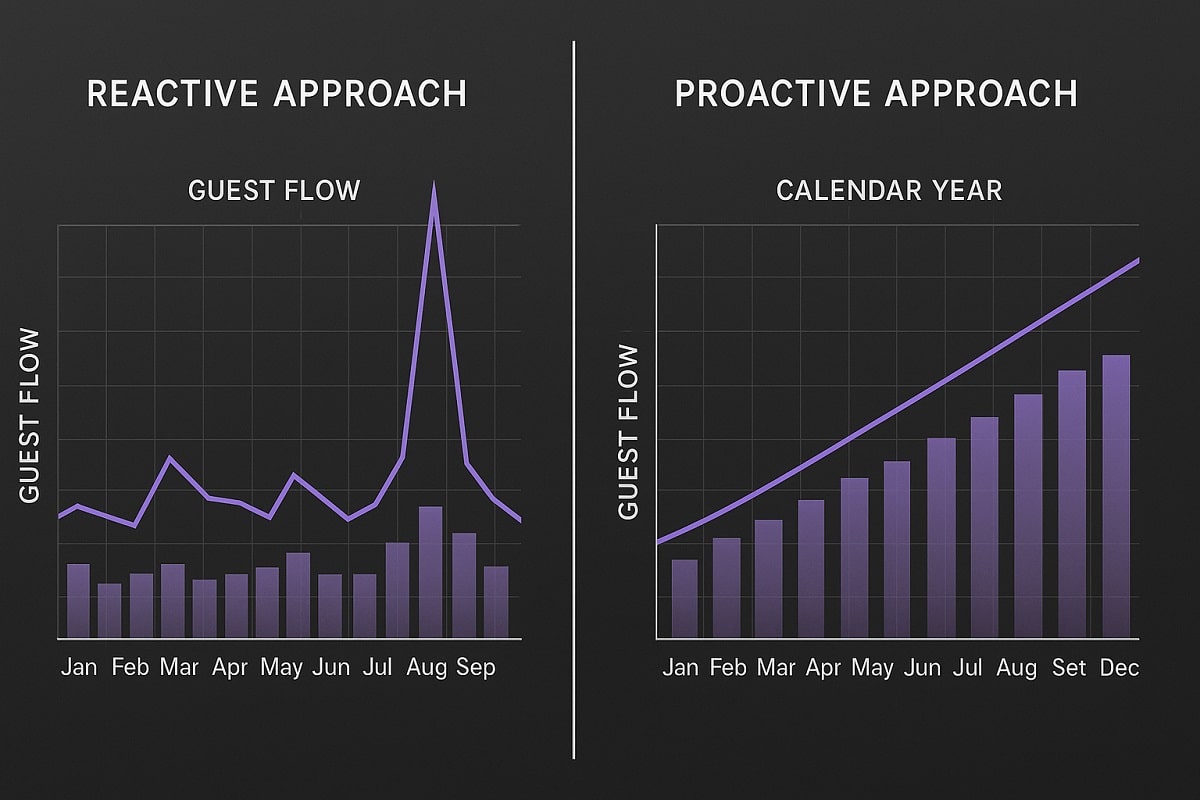
turning holiday traffic into lifelong regulars

The Numbers:

Across Bloom Intelligence restaurants, the average location recovers $53,000+ in revenue in the first year, and automated win-back campaigns bring back 38% of at-risk guests.

Let Bloom Intelligence Automate Your Holiday Success

You now understand the strategy. You see the opportunity. You know the value of recovering first-time guests, building frequency with returning visitors, and creating VIP experiences for super guests.

But here’s the truth: executing this manually is nearly impossible.

You’d need a CDP to unify guest data from WiFi, POS, reservations, reviews, and ordering. You’d need marketing automation to segment audiences and trigger personalized campaigns. You’d need reputation management to monitor sentiment and respond to reviews. You’d need analytics to track performance and optimize results. You’d need a marketing team to manage all of it.

Or you need Bloom Intelligence.

What Bloom Does Automatically

Instant Guest Intelligence:

Bloom captures guest data from the first WiFi connection, reservation, or online order. It creates comprehensive profiles with behavioral and preference data. AI-powered segmentation identifies first-time, returning, regular, churning, and super guests. Real-time updates occur as guests interact with your restaurant.

You don’t build profiles manually. The system builds them automatically from day one.

Campaign Automation That Works While You Sleep:

Bloom includes pre-built holiday campaigns for every guest segment. Behavioral triggers launch personalized messages at optimal times. Dynamic content adapts to each guest’s history and preferences. Multi-channel delivery uses email and SMS based on engagement patterns.

You set your strategy once. The system executes it 24/7 without your involvement.

Reputation Protection on Autopilot:

Bloom sends automated review requests with sentiment routing. It provides AI-generated review response suggestions. It identifies trends and sends operational alerts. Every review gets a response in your brand voice.

Your reputation improves without you manually monitoring review sites every day.

Results You Can Measure:

Bloom users recover $53,000+ in revenue per location in the first year. They achieve a 38% recovery rate for at-risk guests. They increase guest lifetime value by 43%. They save 15 to 20 hours a week on review management. They stay, too: Bloom has 99.3% client retention. (https://bloomintelligence.com/blog/guest-intelligence-flywheel/)
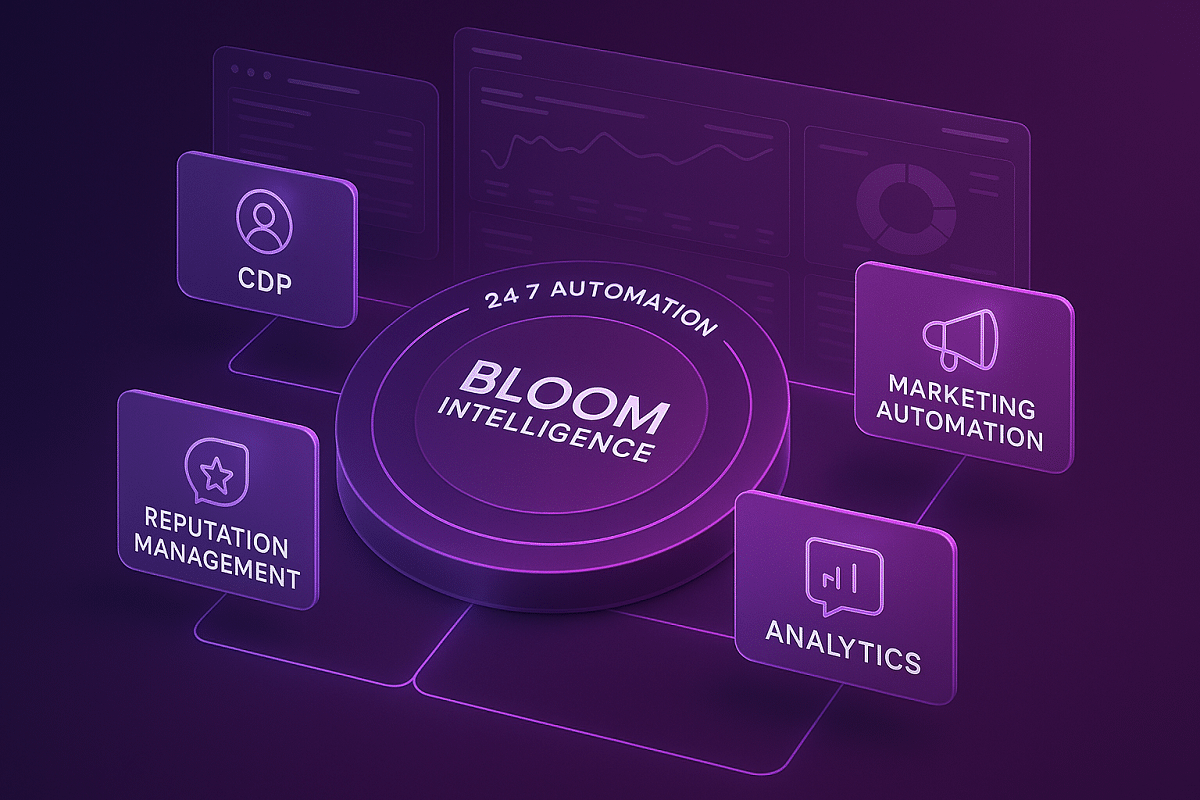
Bloom Intelligence features

Don’t Forget AI Search and Voice – How Guests Are Finding Restaurants This Holiday Season

The way guests discover restaurants is changing fast. Traditional search engines like Google are still important, but now AI-based tools like ChatGPT, Google’s AI Overviews, and Perplexity.ai are influencing how guests get recommendations, especially during the holidays when people ask questions like:

  • “What’s the best place for a holiday dinner near me?”

  • “Where can I buy a restaurant gift card for my boss?”

  • “Which restaurants offer holiday catering in [city]?”

At the same time, voice search through assistants like Siri, Alexa, and Google Assistant is rising. Many guests now speak their searches, especially when driving or multitasking. These queries are often more conversational and specific, which means your restaurant’s online presence needs to align with how real people talk and search.

If your website isn’t structured and optimized correctly, you risk missing out: even if your food, service, and atmosphere are exceptional.

How Bloom Helps Restaurants Get Found by AI and Voice Search

Bloom Intelligence doesn’t just help you personalize marketing and automate retention. It also optimizes your website content and structure to ensure that modern AI search tools can understand and recommend your restaurant. With Bloom, your site content is:

  • Structured for voice and AI-friendly questions like “best date-night restaurant with gluten-free options”

  • Optimized with schema and metadata that search engines use to categorize your restaurant properly

  • Built to surface location, menus, hours, and promotions clearly so voice assistants and AI bots can access it quickly

  • Regularly updated to reflect your holiday events, menus, and booking availability, so AI tools can share current, accurate info with guests

This isn’t just SEO, it’s guest discovery optimization for how people search today. And it matters more during the holidays when guests make fast decisions about where to dine, celebrate, or gift.

The Bloom Advantage

Single Platform. Zero Complexity. Immediate Results.

While competitors piece together separate vendors for CDP, marketing automation, and reputation management, Bloom gives you everything in one unified platform. You see week one campaigns driving measurable engagement. You experience month one optimization showing improved satisfaction and revenue. You work with an expert support team that acts as your marketing partner.

This Holiday Season, Stop Losing Guests Forever

The technology exists. The results are proven. The only question is: how much more revenue are you willing to lose to indecision?

Transform your holiday season from a temporary spike into a sustainable growth engine. Turn seasonal guests into year-round regulars. Recover the guests who walk out your door and never come back.

Schedule a free demo and see how Bloom Intelligence can turn your guest data into automatic revenue growth this holiday season.

Schedule Your Free Demo

Or call 727-877-8181 to speak with one of our restaurant marketing specialists.


Ready to give your restaurant the advantage?

See exactly how Bloom Intelligence works around the clock to grow your revenue, protect your reputation, and optimize your operations. Watch your actual guest data transform into automated marketing that never stops working.

Schedule Your Intelligence Audit | Calculate Your After-Hours Revenue

P.S. The clock never stops. Neither should your marketing.

Join the restaurants that never sleep. Because your guests never do.
Let Bloom Intelligence Make It Effortless

Bloom Intelligence is the AI-powered restaurant marketing platform that automatically grows revenue, protects reputation, and optimizes operations 24/7. Our unified platform combines guest data from every touchpoint with intelligent automation to give restaurants the marketing power of major chains, without the complexity or cost.

Bloom makes guest data collection and marketing automation effortless, which allows you to quickly execute the strategies listed above, saving you time, increasing customer lifetime values, attracting new guests, improving your reputation, and boosting your bottom line.

Call us or schedule a free demo online and Bloom will show you how our restaurant marketing platform can help you save time and increase your customer lifetime values by automatically building first-party customer databases, unlocking important guest insights to trigger automated marketing at the right time and place, discover true guest sentiment, save at-risk guests, increase your current guests’ frequency, supercharge your website, and find new guests.

Click to schedule a Free Online Demo, or call 727-877-8181 to see how we can help you drive tangible results for your restaurants.

Bloom Fall 2025 Release: Three AI Features That Turn Your Marketing Team into Revenue-Generating Superhumans

Restaurant AI That Actually Works While You Sleep

Right now, your competitors are drowning in data they can’t understand, burning hours on manual tasks that should be automated, and watching potential customers choose other restaurants because they can’t be found online.

Today, that changes.

Bloom Intelligence’s Fall 2025 release introduces three transformative AI-powered features that don’t just streamline your restaurant marketing, but fundamentally reimagine what a lean team can accomplish. These aren’t incremental improvements. They’re force multipliers that give one-person marketing teams the output of entire departments, while multi-location chains gain capabilities previously reserved for Fortune 500 brands.

1. Bloom AI: Your Private Restaurant Intelligence Expert That Never Sleeps

Query Your Entire Restaurant Empire with Natural Language

Imagine having a data scientist, marketing strategist, and operations expert available 24/7, one who knows every guest, every order, every review, and every pattern across your entire restaurant group. That’s Bloom AI.

What It Actually Does: Bloom AI is your private AI assistant that instantly analyzes millions of data points across your entire Bloom platform. Guest profiles, ordering patterns, behavioral trends, sentiment analysis, and operational metrics deliver expert insights through simple conversation. Ask questions in plain English. Get answers that drive revenue.

Real-World Power:

  • “Which of my regular guests haven’t visited in 3 weeks?” → Instant list with automated recovery campaigns ready to launch
  • “What menu items do my high-value Tuesday lunch guests prefer?” → Data-driven menu optimization insights
  • “Show me negative sentiment trends by location this month” → Proactive issue identification before problems spread
  • “Which marketing campaigns generated the highest guest lifetime value?” → ROI-driven strategy recommendations

Your data stops being a burden and becomes your competitive weapon. While competitors pull reports, you’re already acting on intelligence.

2. Bloom Website Optimization: Become the Only Restaurant AI and Humans Can Find

40% to 300% Traffic Increases Without Touching Your Website

Here’s an uncomfortable truth: If AI can’t find your restaurant, you don’t exist. ChatGPT, Perplexity, Claude, Google’s AI Overview – these platforms now control how hungry guests discover restaurants. And 90% of restaurant websites are invisible to them.

What It Actually Does: Bloom Website Optimization either builds you an expert restaurant website from scratch or dynamically optimizes your existing site using real guest intelligence. Your website automatically adapts its content, structure, and data to rank #1 in AI engines (AEO), traditional search (SEO), and voice search, all powered by what your actual guests want.

Proven Results Our Partners Are Seeing:

  • 40-300% increase in website traffic within 60 days
  • Top positions in AI search results for “[cuisine type] in [city]” queries
  • Voice search dominance when customers ask, “What’s the best [restaurant type] near me?”
  • Zero manual work—optimization runs 24/7 based on real guest behavior

Your website transforms from a digital brochure into an intelligent revenue machine that brings customers through your doors while you sleep.

3. Brand Kit: AI That Writes Like You, Thinks Like Your Guests

End Generic Blasts. Start Conversations That Convert.

Marketing messages that sound like robots wrote them for robots? That ends today. Brand Kit ensures every email, every SMS, every communication sounds exactly like you while speaking directly to what each guest actually wants.

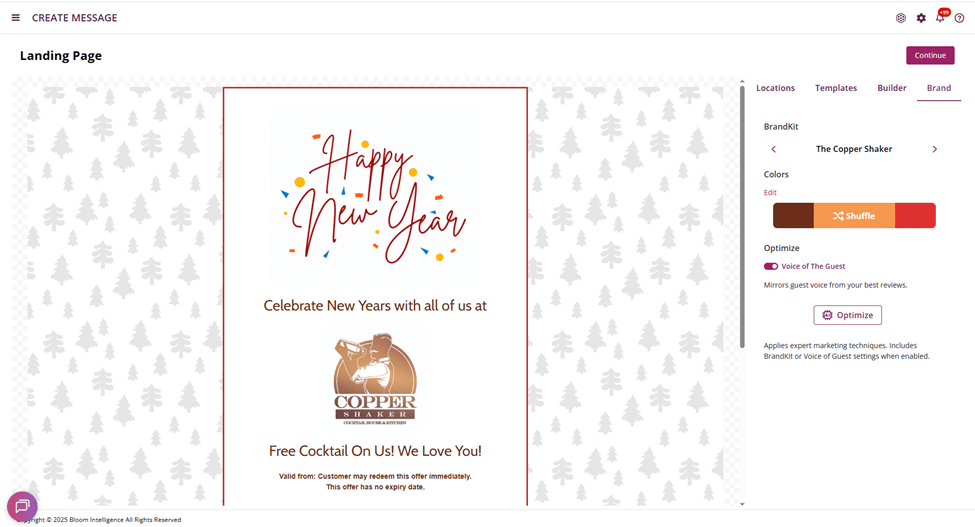
What It Actually Does: Select your brand once. Every message automatically configures to your exact brand voice, style, and visual identity based upon your rules. But here’s the intelligence: Brand Kit doesn’t just match your tone—it leverages voice-of-guest data from reviews and restaurant-specific AI models to craft personalized messages that resonate with what your guests actually care about.

The Multiplication Effect:

  • Write once, perfect everywhere: Your brand voice remains consistent across 100 locations or 1,000 campaigns
  • Guest psychology built in: Messages incorporate actual guest language patterns from reviews and feedback
  • Restaurant-specific intelligence: AI trained on millions of restaurant interactions knows what drives action
  • 10x output, 1/10th the time: Create a month of campaigns in minutes, not days

Stop writing emails. Start launching revenue campaigns that sound like you wrote them personally for each guest.

The Uncomfortable Reality About Restaurant AI

Let’s be direct: Restaurant AI isn’t coming, it’s here. Your competitors are already using it. The question isn’t whether you’ll adopt AI-powered restaurant marketing. The question is whether you’ll lead or follow.

These three features aren’t just tools. They’re your unfair advantage. While others debate AI’s role in restaurants, you’ll already be:

  • Recovering up to 38% of lost guests automatically
  • Increase guest lifetime values by up to 43%
  • Dominating local search results in AI engines, search engines, and voice search.
  • Sending personalized campaigns that generate measurable revenue
  • Answering strategic questions with data, not guesses

The math is simple: One marketer with Bloom Intelligence accomplishes what traditionally required a team of five and months to achieve, done in seconds not months. Five locations operate with the sophistication of fifty. Fifty locations gain enterprise capabilities without enterprise complexity.

Your Next Three Minutes Will Define Your Next Three Years

Every day you operate without AI-powered restaurant intelligence is a day of:

  • Lost guests you’ll never recover
  • No ability to identify your super guests, regulars, new guests, or cooling off guests
  • Invisible search presence that your competitors dominate
  • Generic messages that get deleted
  • Data insights buried in spreadsheets
  • Revenue opportunities that expire silently

The elite restaurant chains already using these features aren’t waiting for you to catch up. They’re pulling further ahead with every automated campaign, every AI-optimized search result, every data-driven decision.

The choice is binary: Transform your restaurant marketing with AI that works 24/7 or continue losing ground to competitors who already have.


See Your Restaurant’s AI Transformation in 30 Minutes

Watch how Bloom AI analyzes your data in real-time. See your website visibility score. Experience Brand Kit creating perfect campaigns in seconds.

This isn’t a sales pitch. It’s a demonstration of your restaurant’s future revenue potential.

Schedule Your AI Demo Now →

Limited slots available for Fall 2025 implementation. First demos get priority activation.


P.S. – While you’re reading this, restaurants using Bloom AI are recovering lost guests, dominating search results, and sending revenue-generating campaigns, all automatically. Every minute matters.


Let Bloom Intelligence Make It Effortless

Bloom Intelligence is the AI-powered restaurant marketing platform that automatically grows revenue, protects reputation, and optimizes operations 24/7. Our unified platform combines guest data from every touchpoint with intelligent automation to give restaurants the marketing power of major chains—without the complexity or cost.

Bloom makes guest data collection and marketing automation effortless, which allows you to quickly execute the strategies listed above, saving you time, increasing customer lifetime values, attracting new guests, improving your reputation, and boosting your bottom line.

Call us or schedule a free demo online and Bloom will show you how our restaurant marketing platform can help you save time and increase your customer lifetime values by automatically building first-party customer databases, unlocking important guest insights to trigger automated marketing at the right time and place, discover true guest sentiment, save at-risk guests, increase your current guests’ frequency, supercharge your website, and find new guests.

Click to schedule a Free Online Demo, or call 727-877-8181 to see how we can help you drive tangible results for your restaurants.
8 Restaurant Marketing Ideas and Tips for Halloween in 2026

Halloween is creeping up fast, and smart restaurant marketers are already brewing up creative ways to turn the holiday into a revenue-driving event.

With fall festivities in full swing and consumer spending strong, Halloween weekend is the perfect opportunity to boost guest engagement, loyalty, and lifetime value, all while having a little spooky fun along the way.

Halloween-themed promotions and events can attract new guests, delight your regulars, and bring lapsed guests back through your doors. With the right strategies and the power of guest data and AI automation, you can turn this holiday into a lasting marketing win.

If you haven’t started planning yet, now’s the time.

Here are some proven Halloween restaurant marketing ideas that will get your guests, staff, and brand into the spooky spirit, while setting you up for long-term success.

1. Transform Your Space with Halloween Decor

A hauntingly fun atmosphere gets guests in the mood before they even order. Decorate your front-of-house with classic Halloween colors like orange, black, and purple. Balloons, cobwebs, pumpkins, eerie lighting, and themed centerpieces go a long way.

Don’t be afraid to go bold. Consider animatronics, fog machines, or themed sections like a “Haunted Booth” or “Witch’s Table” for an immersive experience that guests will want to share on social media.

halloween restaurant marketing ideas

Pro Tip: Use guest behavior data to identify your most active regulars and personally invite them to come check out the decor, they’ll feel valued and more likely to spread the word.

2. Host a Halloween Costume Party

Costume contests never go out of style. Announce your party early using email, SMS, social media, and in-store signage. Offer prizes for categories like “Scariest,” “Funniest,” “Most Original,” and “Best Group Costume.”

Encourage your team to participate, and use Bloom’s marketing automation tools to target different guest segments with personalized invites based on their visit frequency or family status.

Halloween restaurant costume contest

Marketing Tip: Partner with local businesses to sponsor prizes. This can help reduce costs and expand your reach through cross-promotion.

3. Feature Limited-Time Spooky Menu Items

Create Halloween-themed food and drink specials to drive traffic and increase ticket size. Add seasonal ingredients like pumpkin, cinnamon, or apple, or simply give your regular items spooky names (e.g., “Frankenstein Fries” or “Witch’s Brew Sangria”).

Desserts are where you can really get creative. Think “Death by Chocolate,” “Monster Milkshakes,” or “Bloody Red Velvet Cake.”

Use digital menus or QR codes to highlight these specials with fun graphics and animations for an added wow factor.

Halloween-themed restaurant food

4. Set Up a Halloween Selfie Station

Designate an area of your restaurant as a Halloween photo booth with themed backdrops and props. Make sure your logo or restaurant name is visible in the background so when guests share their photos online, your brand gets the exposure.

Run a hashtag contest: ask guests to post using your branded hashtag for a chance to win a prize. Bloom can help you automate follow-up messages to these guests and turn one-time visitors into regulars.

Halloween Restaurant Selfie Station

5. Go Pumpkin Crazy

Capitalize on the pumpkin craze by selling pre-carved or whole pumpkins near your entrance. Offer carving kits, candles, and mini decorating kits for families. It’s an easy upsell opportunity that also builds goodwill with your community.

Use the display to promote your other Halloween offerings like menu specials, costume contests, or social media challenges.

Halloween Pumpkins

6. Keep It Kid-Friendly

Halloween is still a big deal for families with kids. Create kid-approved goodie bags with allergy-friendly items like stickers, glow sticks, rubber bugs, or small toys instead of just candy.

Host a kids’ costume brunch or family-friendly early dinner with activities like coloring contests or pumpkin painting. Promote these specifically to families in your database using Bloom’s segmentation tools.

Kids on Halloween

7. Promote Like a Pro

You might have amazing Halloween plans, but if nobody knows about them, it won’t drive results. Use your guest data to send targeted promotions by email, SMS, or social media. Segment your audience by age group, visit frequency, family status, or loyalty tier for higher engagement.

Make your October newsletters Halloween-themed with bold visuals and catchy subject lines. And remember to post regularly on Instagram, Facebook, and TikTok leading up to and during the event.

Pro Tip: Want to take it further? Use Bloom’s AI-powered marketing tools to schedule, test, and optimize your messaging for maximum reach and ROI.

8. Capture the Data. Build the Relationship.

Don’t let Halloween walk out the door with your guests.

Encourage all guests, especially new ones, to log into your guest WiFi or interact with your QR codes. This lets you automatically collect contact information and build detailed guest profiles tied to their behavior and preferences.

Every login helps you grow your marketing database, improve guest segmentation, and automate personalized follow-up messaging to bring guests back again and again, long after the spooky season is over.

Final Thoughts

Halloween in 2026 is more than a one-day event; it’s an opportunity to build brand awareness, collect valuable guest data, and spark long-term loyalty.

By blending themed fun with smart marketing automation and data-driven strategies, you can turn a single weekend into an enduring boost for your business.

What’s your restaurant brewing up for Halloween? Share your ideas in the comments. We’d love to hear them.

And if you’re ready to learn how Bloom and your guest data can help you drive revenue all year long, click here to demo Bloom Intelligence.

Let Bloom Intelligence Make It Effortless

Bloom Intelligence is the AI-powered restaurant marketing platform that automatically grows revenue, protects reputation, and optimizes operations 24/7. Our unified platform combines guest data from every touchpoint with intelligent automation to give restaurants the marketing power of major chains, without the complexity or cost.

Bloom makes guest data collection and marketing automation effortless, which allows you to quickly execute the strategies listed above, saving you time, increasing customer lifetime values, attracting new guests, improving your reputation, and boosting your bottom line.

Call us or schedule a free demo online and Bloom will show you how our restaurant marketing platform can help you save time and increase your customer lifetime values by automatically building first-party customer databases, unlocking important guest insights to trigger automated marketing at the right time and place, discover true guest sentiment, save at-risk guests, increase your current guests’ frequency, supercharge your website, and find new guests.

Click to schedule a Free Online Demo, or call 727-877-8181 to see how we can help you drive tangible results for your restaurants.
 

78.8% of Your Restaurant Guests Are Gone After One Year, and That’s Costing Each Location $375,380 Annually

Analysis based on normalized per-location performance metrics across full-service and quick-service restaurant segments


The short answer

In this original Bloom Intelligence analysis of restaurant locations from January 2024 to October 2025, restaurants lost 78.8% of their existing guests within a year, an annual retention rate of about 21%. A guest who visited only once was worth about $26, while a regular guest was worth about $685, more than 26 times as much.

Updated October 2026: This 2025 edition uses per-location normalized metrics. For current first-time guest return rates, measured across identity-resolved guest profiles, see Bloom’s 2026 study, 8 in 10 First-Time Restaurant Guests Never Come Back. For strategy, see the 2026 restaurant customer retention guide.

Executive Summary

2025 restaurant industry data reveals a critical divide: restaurants leveraging integrated customer data platforms and marketing automation are winning back 38% of at-risk guests and recovering an average of $53,000+ per location in the first year, while those relying on fragmented systems continue to lose 78.8% of guests to preventable churn.

This report analyzes normalized per-location performance metrics across full-service and quick-service restaurant segments, with comparative data showing how data-driven retention strategies transform guest frequency, lifetime value, and bottom-line revenue.

The Industry Challenge:

  • Average check sizes increased 6.9% year-over-year, but guest retention remains the critical weakness
  • 78.8% annual churn rate represents $375,380 in lost opportunity per location annually
  • Only 25% of first-time visitors return within 90 days
  • 69% of guests never progress beyond one-time visitor status ($26 average LTV)

The Data-Driven Solution:Restaurants using integrated customer data platforms (WiFi + POS + online ordering + reservations + websites + reviews) with automated marketing see measurably better results. Across Bloom Intelligence restaurants:

  • 38% of at-risk guests are won back
  • $53,000+ in average revenue is recovered per location in the first year
  • Guest lifetime value increases 43%

What separates winners from losers: The ability to capture complete guest data, identify at-risk customers before they churn, and trigger automated retention campaigns based on behavior: capabilities once reserved for enterprise chains with dedicated marketing, data, and engineering teams, now accessible to any restaurant through modern CDP and marketing automation platforms.

This report provides the industry benchmarks you need to understand where you stand, and the roadmap showing how leading restaurants are systematically converting one-time visitors into regular, high-value guests using data-driven retention strategies.


Methodology Note

All metrics are normalized per location to account for portfolio growth and ensure accurate trend analysis. Comparisons are made on an apples-to-apples basis using same-store performance indicators, guest behavior rates, and per-location averages rather than aggregate volumes. This is original research from Bloom’s own platform data, not a third-party survey.


1. Average Check Size Analysis

Per-Location Average Check Size Trends

2024 Baseline Performance (Per Location)

  • Q1 2024: $32.81 average check
  • Q2 2024: $33.56 average check
  • Q3 2024: $33.72 average check
  • Q4 2024: $38.32 average check

2025 Performance (Per Location)

  • Q1 2025: $39.37 average check (+20.0% vs Q1 2024)
  • Q2 2025: $46.19 average check (+37.7% vs Q2 2024)
  • Q3 2025: $41.57 average check (+23.3% vs Q3 2024)

Monthly Average Check Size Index (January 2025 = 100)

Month Check Size Index MoM Change
January 100.0 baseline
February 101.1 +1.1%
March 99.8 -1.3%
April 97.6 -2.1%
May 103.0 +5.5%
June 152.3 +47.9%*
July 108.8 -28.5%
August 104.3 -4.1%
September 104.4 +0.1%
October 104.0 -0.4%

Source: Bloom Intelligence analysis of normalized per-location metrics, full-service and quick-service restaurants, January 2024 to October 2025.

*June anomaly likely reflects mix shift or data collection changes

Key Insights:

  • Normalized check sizes show 6.9% improvement 2024→2025 (excluding June anomaly)
  • Per-location average stabilized at $39-41 range through 2025
  • Menu pricing optimization and upselling strategies showing measurable ROI
  • Q4 historically strongest for check sizes, indicating seasonal premium opportunity


2. Per-Location Order Volume Trends

Average Monthly Orders Per Location


2024 Baseline

Period Avg Orders/Location Index (Jan 2024 = 100)
Jan 2024 1,807 100.0
Q1 2024 1,930 106.8
Q2 2024 2,290 126.7
Q3 2024 2,210 122.3
Q4 2024 2,177 120.5

Source: Bloom Intelligence analysis of normalized per-location metrics, full-service and quick-service restaurants, January 2024 to October 2025.

2025 Performance

Period Avg Orders/Location Index (Jan 2024 = 100) YoY Growth
Jan 2025 2,939 162.7 +62.7%
Feb 2025 3,081 170.5 +63.7%
Mar 2025 3,899 215.8 +85.6%
Apr 2025 3,317 183.5 +63.1%
May 2025 3,609 199.7 +52.5%
Jun 2025 1,394 77.1 -43.5%
Jul 2025 2,130 117.9 -13.3%
Aug 2025 3,259 180.4 +36.3%
Sep 2025 3,014 166.8 +69.0%
Oct 2025* 746 41.3 -42.1%

Source: Bloom Intelligence analysis of normalized per-location metrics, full-service and quick-service restaurants, January 2024 to October 2025.

*October data incomplete (partial month)

Key Insights:

  • Strong per-location volume growth in Q1-Q2 2025 (52-86% YoY)
  • March represents peak performance at 3,899 orders per location
  • Seasonal patterns evident with June dip (-43.5% vs May)
  • Per-location productivity improved 52-86% year-over-year in stable months


3. Guest Behavior Metrics

Orders Per Guest Per Month (Per Location Average)

2024 Benchmark

  • Q1 2024: 1.20x orders per guest per month
  • Q2 2024: 1.21x orders per guest per month
  • Q3 2024: 1.23x orders per guest per month
  • Q4 2024: 1.22x orders per guest per month
  • 2024 Average: 1.21x orders per guest

2025 Performance

  • Q1 2025: 1.23x orders per guest per month (+2.5% vs 2024)
  • Q2 2025: 1.21x orders per guest per month (flat vs 2024)
  • Q3 2025: 1.24x orders per guest per month (+0.8% vs 2024)
  • 2025 Average: 1.23x orders per guest

Key Insights:

  • Guest frequency improved modestly (+1.7% YoY)
  • Average guest visits 1.2 times per month (industry baseline)
  • Frequency opportunity: Moving from 1.23x to 1.5x = +22% revenue per guest
  • Top-performing locations achieve 1.5-1.6x frequency through loyalty programs

Revenue Per Guest Per Location

Monthly Revenue Per Guest Trends (2025)

Month Revenue/Guest Index (Jan = 100)
January $67.25 100.0
February $171.62 255.2
March $113.72 169.1
April $73.10 108.7
May $59.10 87.9
June $58.01 86.3
July $57.21 85.1
August $61.23 91.0
September $65.83 97.9

Source: Bloom Intelligence analysis of normalized per-location metrics, full-service and quick-service restaurants, January 2024 to October 2025.

Key Insights:

  • Normalized range: $57-$73 per guest per month
  • Guest frequency × check size = revenue per guest opportunity
  • Benchmark: $60-65 per guest per month for sustainable operations


4. First-Time Visitor Return Rate Analysis


Return Rate by Acquisition Cohort (2025)

Acquisition Month New Guests (indexed) Returned Within 90 Days Return Rate
January 100 44.3% 44.3%
February 101 36.7% 36.7%
March 103 27.4% 27.4%
April 76 24.7% 24.7%
May 74 20.8% 20.8%
June 23 19.9% 19.9%
July 37 23.6% 23.6%
August 30 21.4% 21.4%
September 31 12.9% 12.9%*

Source: Bloom Intelligence analysis of normalized per-location metrics, full-service and quick-service restaurants, January 2024 to October 2025.

*Insufficient time window for full cohort maturity

Industry Benchmark Analysis:

  • First 30 days critical: 40-45% of returns occur in first month
  • 90-day window: Mature cohorts show 25-30% return rate
  • Industry average: 25% first-time visitor return rate

Lifetime Value by Cohort Maturity

Months Active Avg Orders Avg LTV Revenue Index Status
1 month 1.5 $26-345 100 One-time/Occasional
2-3 months 1.8-2.0 $345-470 165-226 Occasional
4-9 months 2.1-3.6 $470-685 226-329 Occasional → Regular
10+ months 3.6-11.6 $685-1,560 329-750 Regular → Loyal

Source: Bloom Intelligence analysis of normalized per-location metrics, full-service and quick-service restaurants, January 2024 to October 2025.

Key Insights:

  • Critical window: First 60-90 days determine lifetime trajectory
  • Guests who return once show 13x lifetime value vs one-time visitors ($345 vs $26)
  • Primary target: Regular status at 3.6 orders = $685 LTV (achievable for most guests)
  • Guests who reach regular status show 26x lifetime value vs one-time visitors ($685 vs $26)
  • Revenue opportunity: Improving 25% → 35% return rate moves more guests toward regular status
  • Top 12% of customers (regular+ at 3.6+ visits) contribute ~40% of total revenue
  • The path to regular: Retain through first 90 days + drive 2-3 additional visits = regular status


5. Customer Churn & Retention Analysis

Annual Churn Rate (Pre-2025 Customer Base)

Cohort Definition: Repeat customers acquired before January 1, 2025

Metric Count/Rate Benchmark
Analyzed Customer Base 100% Multi-visit guests
Churned (No 2025 Activity) 78.8% Industry avg: 70-80%
Retained (Active in 2025) 21.2% Target: 30-35%

Source: Bloom Intelligence analysis of normalized per-location metrics, full-service and quick-service restaurants, January 2024 to October 2025.

Retained Customer Value Metrics

Metric Retained Guests Churned Guests Difference
Avg Lifetime Value $1,560 $555 +181%
Avg Total Orders 11.6 4.2 +176%
Avg Revenue Per Order $26.90 $26.70 +1%

Source: Bloom Intelligence analysis of normalized per-location metrics, full-service and quick-service restaurants, January 2024 to October 2025.

Opportunity Cost Analysis:

Guest Segment Current LTV Regular Target Opportunity Gap Conversion Path
Churned Guests $555 $685 $130 per guest Retention campaigns
One-time Visitors $26 $685 $659 per guest Return + frequency
Occasional Guests $345 $685 $340 per guest Frequency campaigns

Source: Bloom Intelligence analysis of normalized per-location metrics, full-service and quick-service restaurants, January 2024 to October 2025.

Note: Regular status ($685 LTV, 3.6 orders) represents the realistic, achievable target for retention programs. Loyal status ($1,490 LTV, 8.5 orders) is a secondary opportunity for high-performing guests.

Guest Value Distribution (All Customers)

Segment % of Base Avg LTV Avg Orders Customer Type Target Status
$0-50 69% $26 1.1 One-time visitors → Occasional ($345)
$50-500 19% $345 1.8 Occasional guests → Regular ($685)
$500-1000 8% $685 3.6 Regular guests PRIMARY TARGET
$1000-2500 4% $1,490 8.5 Loyal guests Retain & grow
$2500-5000 0.8% $3,385 21.0 VIP guests Retain
$5000+ 0.3% $8,275+ 58.6+ Super VIP guests Retain

Source: Bloom Intelligence analysis of normalized per-location metrics, full-service and quick-service restaurants, January 2024 to October 2025.

Strategic Focus:

  • Goal: Grow regular guest segment from 8% → 20-25% of customer base
  • This single shift = 10-16% revenue increase per location
  • Regular guests represent the sweet spot: achievable frequency (3.6 orders), strong LTV ($685), sustainable retention

Financial Impact of Churn (Opportunity Cost Analysis)

For a typical 100-location restaurant operation:

  • Repeat customer base: ~700 guests per location per year
  • Churned repeat customers: 548 guests per location (78.8%)
  • Current value of churned guests: $555 average
  • Target value as regular guests: $685 average
  • Lost opportunity per churned guest: $685 (realistic target for retention programs)

Lost Revenue Calculation:

  • 548 churned guests × $685 regular guest LTV
  • Lost annual revenue per location: $375,380
  • Lost annual revenue per 100 locations: $37.5M

The Opportunity Gap:

  • Current churned guest value: $555 (4.2 orders)
  • Regular guest target value: $685 (3.6 orders)
  • Gap to close: $130 per guest (23% value increase)
  • Path: Improve retention to achieve regular status through consistent engagement

Retention Economics

  • Cost to acquire new customer: 5-7x cost to retain existing customer
  • Gap between churned ($555) and regular ($685): +23% unrealized value per guest
  • Moving to regular status requires: Converting sporadic visitors into consistent guests (3.6+ orders)
  • Top 12% of guests ($685+ LTV) generate ~40% of total revenue
  • Program investment: $105, $160, or $220 per location per month billed annually

Key Insights:

  • 78.8% annual churn rate represents largest optimization opportunity
  • Each churned guest represents $130 in unrealized value ($685 regular potential vs $555 actual)
  • Total lost opportunity: $375,380 per location annually (548 churned × $685 regular target)
  • Realistic conversion goal: Moving churned guests to regular status (3.6 orders, $685 LTV)
  • Each 1% improvement in retention to regular = ~$37,538 revenue per location annually
  • Win-back campaigns targeting 90-day inactive guests show 12-15% recovery rate
  • The gap: Moving churned guests from $555 actual → $685 regular = 23% value increase per guest (requires consistent engagement)

⚠️ The Widening Performance Gap

The restaurant industry is bifurcating into two distinct groups:

Group A: Data-Driven Operators (12-15% of market)

  • Unified guest data across all touchpoints (WiFi, POS, online ordering, reservations, websites, reviews)
  • Automated retention campaigns triggered by guest behavior
  • Real-time visibility into guest value tiers and churn risk
  • Result: 1.5-1.8x avg visits, 25-30% regular+ customer base, $900-1,100 avg guest LTV

Group B: Manual/Fragmented Operators (85-88% of market)

  • Siloed data systems that don’t communicate
  • Manual, reactive marketing (when they remember to do it)
  • No visibility into who’s about to churn until it’s too late
  • Result: 1.2x avg visits, 10-12% regular+ customer base, $400-600 avg guest LTV

The gap is widening, not closing. Group A operators invest $105 to $220 per location per month in retention automation, and Bloom restaurants recover an average of $53,000+ in revenue per location in the first year. Group B operators are saving $2,700 and losing $375,380 annually in preventable churn.

The Question: Which group do you want to be in 12 months from now?


6. Customer Sentiment & Review Trends

Average Rating Trends

Per-Location Review Performance

Period Avg Reviews/Location Avg Rating 5-Star %
2024 Baseline 28.9/month 4.38 72.1%
Q1 2025 33.3/month 4.37 73.6%
Q2 2025 29.3/month 4.35 74.2%
Q3 2025 30.7/month 4.39 75.5%

Source: Bloom Intelligence analysis of normalized per-location metrics, full-service and quick-service restaurants, January 2024 to October 2025.

Monthly Sentiment Index (2025)

Month Avg Rating YoY Change Industry Benchmark
January 4.41 +0.06 4.3-4.5
February 4.37 +0.01 4.3-4.5
March 4.34 -0.10 4.3-4.5
April 4.37 -0.08 4.3-4.5
May 4.32 -0.08 4.3-4.5
June 4.37 +0.04 4.3-4.5
July 4.34 +0.01 4.3-4.5
August 4.41 +0.00 4.3-4.5
September 4.40 +0.04 4.3-4.5
October 4.42 -0.01 4.3-4.5

Source: Bloom Intelligence analysis of normalized per-location metrics, full-service and quick-service restaurants, January 2024 to October 2025.

Rating Distribution (2025 Average)

  • 5-Star: 74.8% (+2.7% vs 2024)
  • 4-Star: 13.5%
  • 3-Star: 5.8%
  • 2-Star: 2.6%
  • 1-Star: 4.3% (-0.8% vs 2024)

Key Insights:

  • Consistent 4.35-4.42 rating demonstrates operational excellence
  • 5-star reviews increased 2.7% YoY (positive sentiment shift)
  • 1-star reviews decreased, indicating service improvement
  • Review generation rate: 29-33 per location per month (industry benchmark)
  • Opportunity: 75% 5-star rate positions for premium pricing strategies


7. Order Channel Distribution

Online vs. In-House Ordering Mix

2025 Channel Performance

Quarter In-House % Online % Channel Stability
Q1 2025 82.6% 17.4% Stable
Q2 2025 83.1% 16.9% Stable
Q3 2025 83.2% 16.8% Stable

Source: Bloom Intelligence analysis of normalized per-location metrics, full-service and quick-service restaurants, January 2024 to October 2025.

Monthly Channel Distribution (2025)

  • Consistent 82-83% in-house dining across all months
  • Stable 17-18% online ordering throughout year
  • No significant channel shift, indicating mature omnichannel operations

Key Insights:

  • Channel mix has stabilized post-pandemic
  • 17-18% online is industry equilibrium for full-service restaurants
  • No evidence of continued channel shift toward delivery/takeout
  • In-house dining remains core revenue driver


8. Year-Over-Year Performance Summary


Key Metrics Comparison (Normalized Per Location)

Metric 2024 2025 Change
Avg Check Size $33.60 $41.38* +23.1%
Orders/Guest/Month 1.21x 1.23x +1.7%
Guest Return Rate 28.5% 25.0%** -3.5pp
Customer Churn 76.2% 78.7% +2.5pp
Sentiment Score 4.38 4.37 -0.01
Reviews/Location 28.9 31.1 +7.6%

Source: Bloom Intelligence analysis of normalized per-location metrics, full-service and quick-service restaurants, January 2024 to October 2025.

*Excluding June anomaly **Based on mature cohorts only

Strategic Performance Indicators

Strengths:

  • ✅ Check size optimization showing strong results (+23%)
  • ✅ Customer sentiment remains excellent (4.37/5.0)
  • ✅ Review generation improving (+7.6%)
  • ✅ Online/offline channel mix stabilized

Opportunities:

  • ⚠️ Guest frequency flat (1.23x needs improvement to 1.5x)
  • ⚠️ First-time return rate declining (25% → target 35%)
  • ⚠️ Churn rate increasing (78.7% → target <70%)
  • ⚠️ Seasonal volatility (June -43.5%) needs mitigation


Strategic Recommendations & Opportunity Projections

Note on Financial Projections: All projections represent opportunity cost recovery: the value gained by moving guests from their current tier to the next value tier (e.g., one-time → occasional, occasional → regular, regular → loyal). Lost revenue figures represent what guests could be worth at regular/loyal status, not just their historical spend.

Investment Framework: Bloom plans run $105, $160, or $220 per location per month billed annually, with multi-location groups from $70 per location, and Bloom restaurants recover an average of $53,000+ in revenue per location in the first year.


Priority 1: Address Customer Churn (Highest Opportunity)

Current State:

  • 78.8% annual churn rate among repeat customers
  • 548 churned guests per location annually
  • Current average churned guest value: $555 (4.2 orders)
  • Opportunity cost: These guests could be worth $685+ as regulars
  • Lost opportunity: $375,380 per location annually (548 × $685)

The Retention Opportunity:

  • Retained customer value: $1,560 (11.6 orders)
  • Regular customer value: $685 (3.6 orders)
  • Current churned customer value: $555 (4.2 orders)
  • Value gap to close: $130-1,005 per guest depending on target segment

Intervention:

  • Automated 30-60-90 day inactive guest campaigns
  • Personalized win-back offers based on past behavior
  • Re-engagement sequences with compelling CTAs
  • Segment-specific messaging (win back to occasional vs regular tier)

Expected Impact:

  • Reduce churn from 78.8% → 70% (8.8pp improvement)
  • Recover 10-15% of at-risk guests (55-82 guests per location)
  • Move recovered guests from $555 → $685+ LTV (regular status)
  • Projected opportunity: $46,500-$82,000 per location annually
  • Payback period: < 45 days

Conservative Projection:

  • Recover 55 guests × ($685 – $555) = $7,150 incremental value
  • PLUS: Prevent 61 guests from churning × $685 = $41,785 preserved value
  • Total: $48,935 per location annually


Priority 2: Improve First-Visit Return Rate

Current State:

  • 25% of first-time visitors return within 90 days
  • 75% never return (immediate churn)
  • One-time visitor value: $26 average
  • Returning visitor value: $345-685 average (13-26x higher)

Intervention:

  • 7-day post-visit automated email sequence
  • First-visit incentive for return (15-20% off)
  • SMS follow-up for high-value first visits

Expected Impact:

  • Improve return rate 25% → 35% (+40% lift)
  • Convert 75% one-timers to 65% one-timers
  • Increase lifetime value by 13x for converted guests
  • Projected opportunity: $21,000-$31,500 per location annually
  • Payback period: < 90 days


Priority 3: Increase Guest Frequency (Move Guests Up Value Ladder)

Current State:

  • 69% of guests are one-time visitors ($26 LTV)
  • 19% are occasional visitors ($345 LTV)
  • Only 12% are regular+ customers ($685+ LTV)
  • 1.23x orders per guest per month average
  • Primary goal: Move guests to regular status ($685 LTV = 3.6 orders)

Intervention:

  • Points-based loyalty program (earn & burn model)
  • Frequency bonuses (every 3rd visit bonus)
  • Behavior-triggered campaigns (based on visit cadence)
  • Milestone recognition at regular status threshold (3+ visits)

Expected Impact:

  • Move 10% of occasional guests → regular guests ($345 → $685)
  • Move 5% of one-time visitors → occasional guests ($26 → $345)
  • Increase average frequency 1.23x → 1.45x (+18% lift)
  • Shift guest mix from 69% one-timers to 60% one-timers
  • Projected opportunity: $19,000-$27,000 per location annually
  • Payback period: 4-6 months

Value Upgrade Economics:

  • 70 occasional guests × ($685-$345) = $23,800 annual value gain
  • 35 one-time guests × ($345-$26) = $11,165 annual value gain
  • Total: $34,965 per location annually


Priority 4: Mitigate Seasonal Volatility

Current State:

  • June shows 43% decline vs May in orders per location
  • Revenue predictability impacted by sharp monthly swings
  • Seasonal patterns create cash flow challenges

Intervention:

  • Pre-season promotional campaigns (May → June bridge)
  • Weather-triggered messaging and offers
  • Seasonal menu optimization with limited-time offers

Expected Impact:

  • Reduce June volatility by 15-20%
  • Improve cash flow predictability
  • Projected opportunity: $1,500-$2,100 per location (June-August period)


Combined Impact: Full Retention Strategy

Implementing all four priorities simultaneously:

Initiative Annual Projected Opportunity/Location Payback Period
Churn Reduction $46,500-$82,000 45 days
First-Visit Returns $21,000-$31,500 90 days
Frequency Increase $19,000-$27,000 4-6 months
Seasonal Mitigation $1,500-$2,100 Immediate
TOTAL IMPACT $88,000-$142,600 3-6 months

Source: Bloom Intelligence analysis of normalized per-location metrics, full-service and quick-service restaurants, January 2024 to October 2025.

Projected Per-Location Opportunity:

  • Combined projected opportunity across the four priorities: $88,000 to $142,600 per location annually (a model estimate, see the note on financial projections)
  • Bloom plan cost: $105, $160, or $220 per location per month billed annually
  • Actual Bloom results: 38% of at-risk guests won back, and $53,000+ in average revenue recovered per location in the first year

What This Represents:

  • Converting churned guests into regular customers ($555 → $685 LTV)
  • Converting first-time visitors into occasional customers ($26 → $345 LTV)
  • Converting occasional guests into regular customers ($345 → $685 LTV)
  • Primary focus: Building a base of regular customers (3.6 orders, $685 LTV)

The Value Ladder (Focus on Regular Status):

Each tier upgrade creates measurable value, with regular status as the primary goal:

  • One-time → Occasional: 13x value increase ($26 → $345)
  • Occasional → Regular: 2x value increase ($345 → $685)
  • Regular → Loyal: 2.2x value increase ($685 → $1,490) – secondary opportunity

The Key Transition: Occasional to Regular

  • Represents the highest-volume opportunity (19% of guest base)
  • Most achievable conversion (requires 1.8 orders → 3.6 orders)
  • Generates $340 incremental value per guest
  • Moving 10% of occasional guests to regular = $23,800 per location annually

Customer Base Transformation Goal:

  • Current mix: 69% one-time, 19% occasional, 12% regular+
  • Target mix: 60% one-time, 15% occasional, 25% regular+
  • This shift alone = 15-25% revenue increase per location


Implementation Roadmap: What High-Performing Locations Achieve

Quick-Service Coffee Chain Example (Case Study A):

Current State:

  • 91,946 one-time visitors worth $24.49 each = $2.25M captured value
  • 11,220 occasional visitors worth $52.20 each = $585,684 captured value
  • Total addressable opportunity: 103,166 guests in sub-optimal value tiers

12-Month Transformation Goals:

  • Move 15% of one-timers to occasional (13,792 guests)
    • Value increase: $24.49 → $52.20 = +$382,665 annually
  • Move 20% of occasionals to regular (2,244 guests)
    • Value increase: $52.20 → $110.24 = +$130,225 annually
  • Prevent 10% of churn to regular tier (recovery of 9,195 guests)
    • Value preservation: 9,195 × $110.24 = +$1,013,556 annually

Projected 12-Month Opportunity: $1.53M in incremental revenue (model estimate)

Program Components:

  • 3-7-30 day automated post-visit campaigns
  • Frequency-based rewards (free item at visit 3, 5, 7)
  • 60-90 day win-back campaigns for at-risk guests
  • Behavioral segmentation (visit frequency, time of day, dwell time, and order history)
  • SMS + Email multi-channel delivery

Investment: $2,640 a year per location on Enterprise + ($220 per location per month, billed annually)

Timeline:

  • Month 1-2: Campaign setup and automation implementation
  • Month 3-6: First measurable lift (5-7% improvement in repeat rate)
  • Month 6-12: Full program maturity (15-20% improvement vs. baseline)
  • Month 12+: Compounding effect as guests move up value tiers

Premium Dining Example (Case Study B):

Current State:

  • 2,472 one-time visitors worth $63.16 each = $156,096 captured
  • 552 occasional visitors worth $128.23 each = $70,783 captured
  • Higher check size amplifies retention ROI

6-Month Transformation Goals:

  • Move 20% of one-timers to occasional (494 guests)
    • Value increase: $63.16 → $128.23 = +$32,135 annually
  • Move 25% of occasionals to regular (138 guests)
    • Value increase: $128.23 → $278.93 = +$20,797 annually

Total 6-Month Impact: $52,932 incremental revenue

Investment: $2,640 a year on Enterprise + ($220 per location per month, billed annually)

Why premium concepts see faster returns:

  • Higher check sizes ($63 vs $24) mean each recovered guest is worth 2.6x more
  • A smaller guest base allows for more personalized outreach
  • Customer expectations align with automated follow-up (“white-glove service”)


Conclusion

The 2025 restaurant industry demonstrates strong performance fundamentals with notable improvements in per-location check sizes (+23%) and consistent high customer sentiment (4.37/5.0). However, the data reveals critical retention challenges representing a significant revenue opportunity:

The Retention Gap:

  • 78.8% annual churn rate costs each location ~$375,380 annually in lost opportunity (using regular guest LTV as benchmark)
  • This represents guests who could have been worth $685 (regular status) but averaged only $555
  • Only 25% of first-time visitors return (75% immediate churn at $26 LTV, never reaching regular status)
  • 69% of guests are one-time visitors; only 8% achieve regular status ($685 LTV)
  • The core challenge: Growing regular guest segment from 8% → 20-25% of base
  • Guest frequency remains below industry leaders (1.23x vs 1.5x target)

The Value Concentration:

  • Top 12% of guests (regular+ customers) generate ~40% of revenue
  • Retained customers are worth $1,560 LTV vs $555 for churned (2.8x difference)
  • The critical transition: Occasional ($345) → Regular ($685) = 2.0x value increase
  • The target: Building a 25-30% regular+ customer base (vs current 12%)
  • Each 1% improvement in retention to regular status = $37,538 per location annually

The Realistic Path: Focus on Regular Status

  • Regular guests ($685 LTV, 3.6 orders) represent the achievable, sustainable target
  • Converting occasional to regular requires just 1.8 additional visits
  • Converting churned to regular requires improving retention by $130 per guest
  • The 19% opportunity: Moving occasional guests to regular generates $340 per guest
  • Transforming customer base from 12% regular → 25% regular = $88,000-$142,600 per location

The Technology Advantage: What Was Complex Is Now Simple

Five years ago, achieving these results required:

  • A dedicated marketing team (3-5 FTEs at $200K-400K annually)
  • A data engineering team to integrate systems ($300K-500K annually)
  • Custom-built automation platforms ($150K-300K to build)
  • Total cost: $650K-1.2M annually – accessible only to large chains

Today, modern restaurant CDP and marketing automation platforms deliver the same capabilities:

  • Turnkey integration with existing POS, WiFi, online ordering, reservations, websites, and review systems (setup in days, not months)
  • Pre-built automation campaigns that trigger based on guest behavior (no marketing expertise required)
  • AI-powered segmentation that automatically identifies at-risk guests and high-value opportunities
  • Self-service platform that any restaurant manager can use without technical training
  • Total cost: $105, $160, or $220 per location per month billed annually (from $70 for multi-location groups), a small fraction of the cost of building in-house

Across Bloom Intelligence restaurants, the results are measurable:

  • 38% of at-risk guests won back through behavior-triggered win-back campaigns
  • $53,000+ in average revenue recovered per location in the first year
  • 43% increase in guest lifetime value by moving guests up the value ladder
  • 99.3% client retention among Bloom Intelligence customers

The key insight: These results aren’t achieved by working harder. They’re achieved by working smarter: letting automation handle the 1,000+ micro-decisions required to convert one-time visitors into regular guests, while operators focus on delivering great food and service.

What makes this possible:

  • Unified Guest Data Platform – Automatically captures 95%+ of guests across WiFi, POS, online ordering, reservations, websites, and reviews (vs. 15-25% with standalone systems). Every interaction builds a complete guest profile without manual data entry.
  • Behavioral Marketing Automation – Pre-configured campaigns trigger automatically based on guest actions: first visit, second visit milestone, 30/60/90 day inactivity, frequency achievements, and spending tiers. No manual campaign management required.
  • Predictive Churn Detection – AI identifies guests at risk of churning 30-45 days before they typically would, triggering intervention campaigns automatically. Prevents churn rather than reacting to it.
  • Guest Sentiment Analysis with Smart Alerts – Automated monitoring of review sentiment, ordering patterns, and visit behavior triggers real-time alerts when guests show negative sentiment or satisfaction decline. The system automatically routes recovery campaigns or manager outreach based on sentiment scores and behavioral signals. Measurable feedback loops close the gap between guest experience issues and operational response (often within hours rather than weeks) turning potential detractors into advocates before they churn or leave negative reviews.
  • One-Person Marketing Team Power – A single restaurant manager with no marketing background can now execute retention strategies that previously required a 5-person marketing department. The platform does the thinking, the automation does the execution.

restaurant manager working on guest retention with a CDP and AI

The restaurants that master these capabilities by adopting modern CDP and automation platforms will capture the $375,380+ per location currently lost to preventable churn. Those that don’t will continue to operate in the 85-88% of restaurants watching guests walk away, wondering why their competitors seem to have all the regulars.

The window is narrowing. As more restaurants adopt these platforms, the competitive advantage shifts from “differentiator” to “table stakes.” The question isn’t whether you’ll need these capabilities, it’s whether you’ll adopt them while they still provide a competitive advantage, or after they become required just to keep up.

The Path Forward:

Success in 2025 and beyond depends on four capabilities:

  • Unified guest data across all touchpoints (WiFi, POS, online ordering, reservations, websites, reviews)
  • Automated retention marketing that triggers based on guest behavior and value tier
  • Predictive analytics that identify at-risk guests before they churn and opportunities to move guests up the value ladder
  • Guest sentiment analysis with smart alerts that identify and resolve issues before they damage reputation or revenue, with closed-loop tracking of improvement

The restaurants that master these capabilities will capture the $375,380+ per location currently lost to preventable churn, while simultaneously building more valuable, more frequent, and more loyal customer relationships. The data clearly shows that retention marketing delivers the highest return, with Bloom restaurants winning back 38% of at-risk guests and recovering an average of $53,000+ per location in the first year, by systematically moving guests up the value ladder, with regular status ($685 LTV, 3.6 orders) as the primary target.

At $105 to $220 per location per month, Bloom restaurants recover an average of $53,000+ in revenue per location in the first year. The winning strategy focuses on converting churned guests ($555) to regular ($685), occasional guests ($345) to regular ($685), and one-time visitors ($26) to occasional ($345), creating a compounding effect that transforms the customer base composition from 69% one-timers to a healthier, more profitable mix with 25-30% regular+ customers generating sustainable, predictable revenue.


Analysis Methodology: Multi-location restaurant performance data normalized per location to ensure accurate trend analysis. All metrics calculated using same-store methodologies and rate-based comparisons. LTV calculations filtered for valid transaction data ($5-500 order range, verified customer records) and projected over 5-year customer lifetime based on observed annual spending patterns. Lost revenue opportunity calculated using regular guest LTV ($685) as the benchmark for what churned guests could be worth with proper retention strategies. Sample represents full-service and quick-service restaurant segments across multiple geographic markets.

Data collection period: January 2024 – October 2025

Let Bloom Intelligence Make It Effortless

Bloom Intelligence is the AI-powered restaurant marketing platform that automatically grows revenue, protects reputation, and optimizes operations 24/7. Our unified platform combines guest data from every touchpoint with intelligent automation to give restaurants the marketing power of major chains, without the complexity or cost.

Bloom makes guest data collection and marketing automation effortless, which allows you to quickly execute the strategies listed above, saving you time, increasing customer lifetime values, attracting new guests, improving your reputation, and boosting your bottom line.

Call us or schedule a free demo online and Bloom will show you how our restaurant marketing platform can help you save time and increase your customer lifetime values by automatically building first-party customer databases, unlocking important guest insights to trigger automated marketing at the right time and place, discover true guest sentiment, save at-risk guests, increase your current guests’ frequency, supercharge your website, and find new guests.

Click to schedule a Free Online Demo, or call 727-877-8181 to see how we can help you drive tangible results for your restaurants.
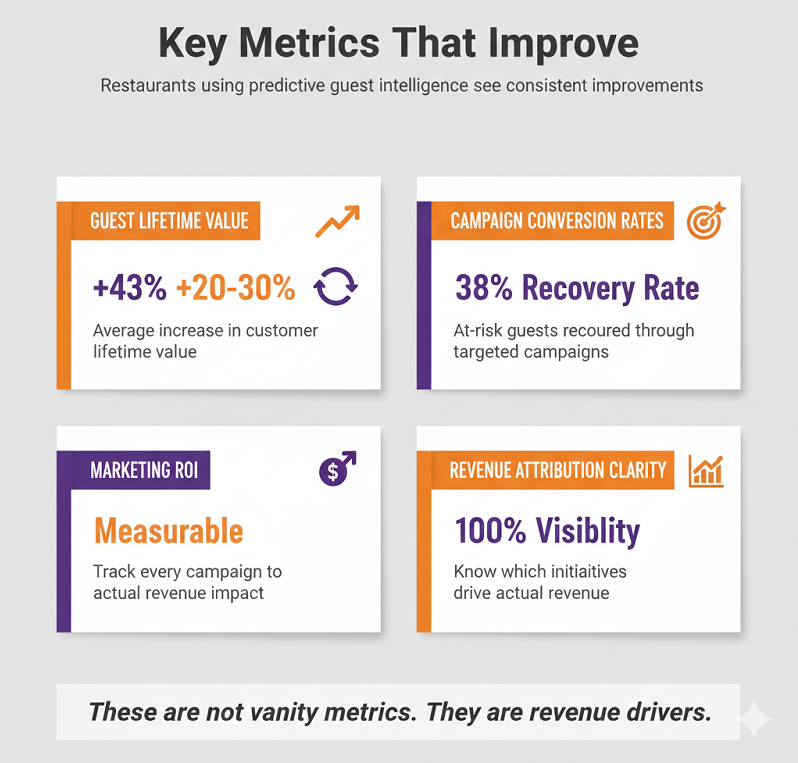


From Guest Data to Marketing Gold: How Smart Restaurants Turn Sentiment Into Revenue

Server greeting guests as they look over menus

Loyal guests are the foundation of long-term restaurant success. Regulars not only provide steady revenue but also become advocates who recommend your brand to others.

But what exactly turns a first-time diner into a loyal guest who keeps coming back?

Recent data from Toast POS offers some clear insights into what drives guest loyalty:

  • 60% of respondents consider themselves to be regulars at a restaurant.
  • 67% of respondents are more likely to return if the restaurant consistently remembers their dining preferences.
  • 33% of respondents return at least once a week to restaurants where they feel like a regular.
  • Over 49% of respondents tip staff more generously when they view themselves as regulars.
  • 35% of respondents say faster service would improve their experience as repeat guests.
  • 48% of respondents point to food and drink quality as the number one factor that makes them want to become regulars.

These numbers reveal an important truth: guests want more than a meal, they want recognition, consistency, and experiences tailored to their preferences.

That’s where guest sentiment analysis comes in. By understanding not only what your guests say but also how they feel, you can create hyper-personalized interactions that transform casual visitors into loyal regulars and turn your regulars into $uper Guests.


Why Guest Sentiment Is the Key to Restaurant Loyalty

Restaurant loyalty doesn’t just happen. It’s built over time through positive experiences, emotional connections, and consistent recognition.

Guests want to feel valued, and their feedback is often the most direct path to understanding what matters most to them.

This is why guest sentiment analysis is such a powerful tool: it bridges the gap between raw data and meaningful action.

Loyalty Is Emotional, Not Just Transactional

While discounts and rewards programs can encourage repeat visits, they don’t create the emotional bond that makes a guest feel like a true regular.

Loyalty is rooted in recognition and personalization, not just promotions. Sentiment analysis helps uncover these emotional drivers by showing how guests feel about food, service, atmosphere, and other details that shape their experience.

Surface-level feedback like star ratings or short reviews often misses the “why” behind guest behavior. Sentiment analysis dives deeper, detecting patterns across thousands of reviews, surveys, and comments.

For example:

  • If multiple guests mention slow service, that points to a training or staffing issue.
  • If guests praise the seasonal menu, that’s a signal to expand it or promote it further.
  • If sentiment trends downward in cleanliness, leadership can intervene before it impacts reputation and repeat visits.

By uncovering these insights, operators can take precise action to improve guest satisfaction and loyalty.

Connecting Sentiment to Guest Segments

Sentiment is most powerful when combined with behavioral and demographic segmentation. Imagine being able to see how Super Guests versus At-Risk Guests feel about food quality or staff friendliness.

That context transforms sentiment from a passive measurement into a loyalty-building strategy.

For instance:

  • If Super Guests are consistently praising a bartender by name, you can spotlight that staff member and keep them engaged.
  • If At-Risk Guests frequently mention long wait times, you can target them with campaigns that highlight faster service or off-peak dining.

Loyalty as a Revenue Multiplier

Sentiment doesn’t just build warm feelings, it directly impacts revenue. Since Super Guests and Regulars have a higher lifetime value, addressing their sentiment creates a ripple effect: more repeat visits, higher average check sizes, and stronger word-of-mouth referrals.

In short, sentiment analysis is the foundation of loyalty because it tells you not just what guests do, but why they do it.

With that knowledge, restaurants can take smarter actions that turn casual guests into regulars and regulars into true brand advocates.

Server laughing with Super Guests, collecting sentiment

Guest Segments with Actionable Insights

Every restaurant has different types of guests, and knowing who they are is essential for growth. Bloom Intelligence automatically sorts your guest audiences into smart segments such as Super Guests, Regulars, New Guests, Needs Attention, and At-Risk Guests.

Each segment includes critical demographic and behavioral insights like gender, age range, frequency of visits, and potential lifetime value.

This helps you understand which guests contribute the most to your business and which ones may need more attention to keep them engaged.

And soon, you’ll be able to launch one–click suggested campaigns directly from Bloom. These campaigns will automatically adapt to your brand kit, guest data, and AI-driven marketing models, ensuring that every message feels personal and on-brand.

Better yet, they’ll continuously improve over time, as you learn what works best for each guest segment, and optimize.

Understand Guest Sentiment at a Glance

Turning feedback into action can be overwhelming, but Bloom makes it simple. Our AI-powered sentiment analysis turns every piece of guest feedback into clear, actionable insights.

The Bloom Command Center organizes sentiment into categories like Food, Service, Cleanliness, and Employees, so you immediately see where your business excels and where improvements are needed. You can also create custom categories to track what matters most to your concept: like ambiance, drinks, or delivery.

Each category includes:

  • Your average ratings
  • Industry benchmarks
  • Historical trends
  • AI-generated calls to action tailored to your operations

Operators can instantly email feedback to staff, pin recurring issues, or dismiss irrelevant items. When you pin an action, Bloom shows whether guest sentiment is improving or declining over time, so you always know if your changes are paying off.

Guest Sentiment report with details about restaurant guests

Track the Guest Experiences That Matter Most

Restaurants aren’t one-size-fits-all, and neither is guest sentiment. With custom sentiment analysis, you can monitor unique aspects of your business like music, seasonal menus, staff performance, or off-premises experiences.

Bloom’s AI will analyze the data and deliver weekly summaries that highlight strengths and flag potential risks, helping you stay ahead of problems before they escalate.

This means you can double down on what delights your guests while addressing concerns proactively.

From First-Time Guests to Super Guests

The statistics above make it clear: guests who feel valued, remembered, and consistently delighted are far more likely to become regulars, and even tip more generously.

But creating that sense of recognition at scale is nearly impossible without the right tools.

By combining guest segmentation, sentiment analysis, and AI-powered campaign automation, Bloom Intelligence gives you the ability to:

  • Recognize and reward your Super Guests
  • Build loyalty among your Regulars
  • Re-engage New and At-Risk Guests with timely campaigns
  • Improve guest experiences where it matters most for your restaurant

Continuous cycle of revenue building using guest sentiment

The result is a continuous cycle of improvement where sentiment drives action, action creates loyalty, and loyalty builds revenue.

The Future of Guest Experience Is Personal

Loyalty isn’t built overnight. Iit’s earned through personalized recognition, consistent quality, and meaningful engagement.

Restaurant marketing is evolving from spray-and-pray tactics to precision engagement strategies. The operators who embrace comprehensive guest intelligence today will build the customer relationships that sustain them through every market cycle.

The data is already there. The question is whether you’ll use it to transform one-time visitors into lifelong advocates, or continue hoping for the best while your competitors capture the customers you could have kept.

Smart restaurants don’t just serve great food. They use every interaction to build deeper relationships that drive sustainable growth.

In an industry where margins matter and competition is constantly chasing you, that intelligence advantage can be the difference between thriving and just surviving.


Not yet using Bloom Intelligence? See how the platform can transform your guest relationships and drive revenue growth.

Schedule a Free Demo to see how we can exponentially accelerate your restaurant’s competitive advantage.

Let Bloom Intelligence Make It Effortless

Bloom Intelligence is the AI-powered restaurant marketing platform that automatically grows revenue, protects reputation, and optimizes operations 24/7. Our unified platform combines guest data from every touchpoint with intelligent automation to give restaurants the marketing power of major chains, without the complexity or cost.

Bloom makes guest data collection and marketing automation effortless, which allows you to quickly execute the strategies listed above, saving you time, increasing customer lifetime values, attracting new guests, improving your reputation, and boosting your bottom line.

Call us or schedule a free demo online and Bloom will show you how our restaurant marketing platform can help you save time and increase your customer lifetime values by automatically building first-party customer databases, unlocking important guest insights to trigger automated marketing at the right time and place, discover true guest sentiment, save at-risk guests, increase your current guests’ frequency, supercharge your website, and find new guests.

Click to schedule a Free Online Demo, or call 727-877-8181 to see how we can help you drive tangible results for your restaurants.
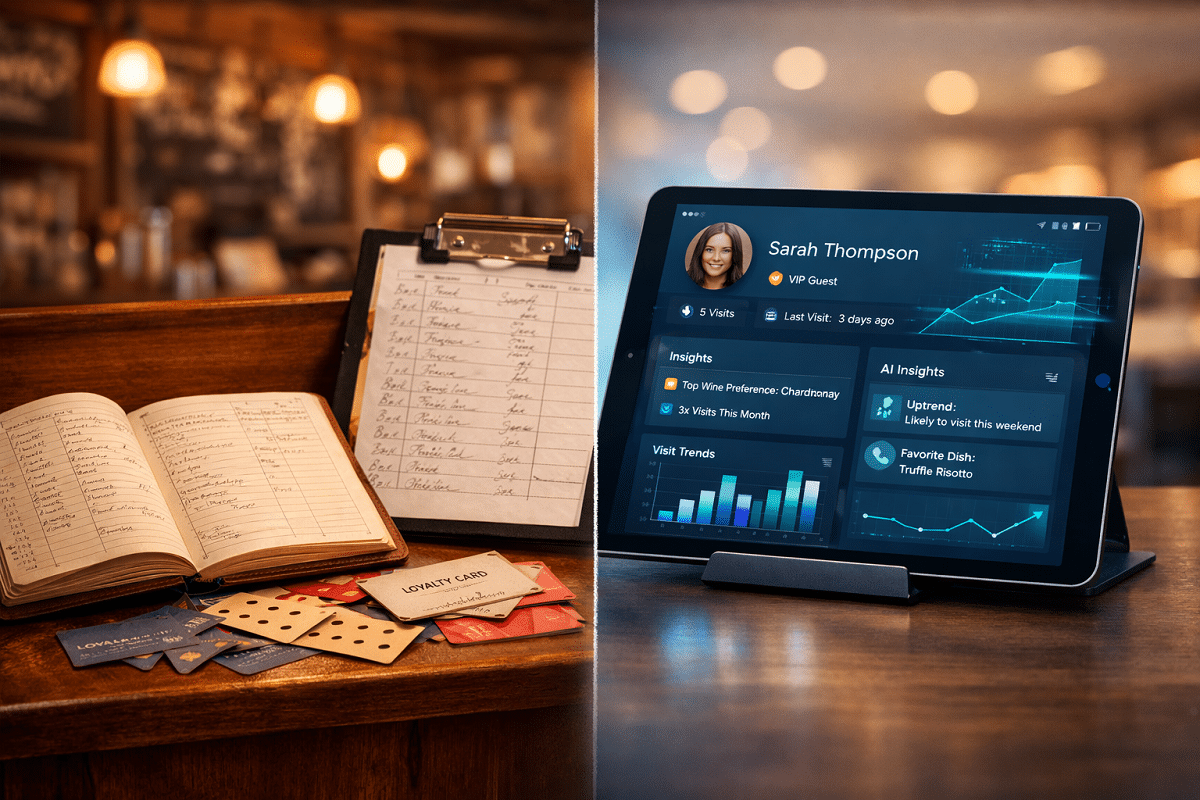

Your Restaurant’s Success Just Got Simpler: Introducing the New Bloom Command Center

Restaurant team of chefs, servers and managers around a laptop showing Bloom Intelligence AI, with marketing, review, calendar and revenue icons

Running a restaurant has never been more challenging. Between managing operations, keeping guests happy, and driving revenue growth, you’re pulled in a dozen directions every day.

What if we told you there’s now a way to see everything that matters for your restaurant’s success in one simple view—and take action on it instantly?

Meet the new Bloom Command Center: your restaurant’s mission control for smarter marketing and operations.

Bloom Intelligence Command Center

The Intelligence You Need, When You Need It

Every day, your restaurant generates valuable data from WiFi connections, POS systems, online orders, reservations, websites, and guest reviews.

But that data is scattered, making it nearly impossible to spot opportunities or address problems before they impact your bottom line.

The Command Center changes everything. It unifies all your guest intelligence into one powerful dashboard that automatically surfaces what’s working, what needs attention, and what actions to take next.

Bloom Command Center KPIs

See Your Success at a Glance

Forget digging through complex reports or switching between multiple platforms.

The Command Center displays your most critical metrics—guest lifetime value, review ratings, campaign performance, and recovered revenue—right at the top, with clear trend indicators showing whether you’re moving up or down.

But here’s what makes it truly powerful: Highlights automatically identify your two best-performing areas and flag two that need your attention.

No more guesswork about where to focus your energy.

Bloom Command Center Highlights

Your Guests, Organized and Actionable

Understanding your guests shouldn’t require a data science degree. The Command Center automatically organizes your entire customer base into smart segments:

  • Super Guests – Your highest-value customers who drive the most revenue
  • Regulars – Loyal customers who visit consistently
  • New Guests – First-time visitors with potential to become regulars
  • Needs Attention – Guests showing signs of cooling off
  • At-Risk – Previously loyal customers who may be slipping away

Each segment shows you exactly who these guests are, their potential value, and—coming soon—suggested campaigns you can launch with a single click that leverage your guest data, expert marketing models, and your brand voice.

Bloom Command Center Guest Segmentation

Turn Guest Feedback Into Operational Excellence

Your guests are constantly telling you how to improve through their reviews, behavior, and spending. The Command Center’s AI-powered customer sentiment and guest data analysis breaks down feedback into actionable categories like Food, Service, Cleanliness, and Staff performance.

You’ll see your rating in each area, how you compare to industry benchmarks, and specific actions to improve.

Spot a service issue trending downward? Pin it and send to your team to track improvement over time.

See cleanliness scores rising? Celebrate and share the success with your team.

Plus, create custom sentiment categories to track what matters most to your concept—whether that’s music, wait times, seasonal menu items, or anything else you choose. Just enter your keywords and Bloom does the rest.

Bloom Command Center Sentiment Analysis

Marketing That Practically Runs Itself

The Command Center represents our vision of marketing automation done right.

Instead of complex campaigns that take hours to set up, you’ll see tailored suggestions for each guest segment with everything pre-built using your brand voice and guest data.

Want to win back at-risk guests? Launch a personalized win-back campaign with one click.

Need to reward your super guests? Deploy a VIP offer instantly.

Every campaign ties directly back to revenue, so you’ll know exactly what’s driving results.

The Power of the Complete Platform

The Command Center showcases what makes Bloom Intelligence unique in the restaurant marketing space. While others offer point solutions, we’ve built the only platform that truly unifies guest data from every touchpoint—WiFi, POS, online ordering, websites, reservations, websites, and reviews—into actionable intelligence.

This unified approach is why our customers see results like:

  • 43% increase in guest lifetime value through personalized marketing
  • 38% recovery rate for lost guests with targeted win-back campaigns
  • Automated reputation management that responds to reviews 24/7
  • Operational insights that prevent small problems from becoming big ones

Restaurant owner seeing the results

Built for Real Restaurant Teams

We designed the Command Center for busy restaurant operators who don’t have time for complicated dashboards or steep learning curves. Everything is visual, intuitive, and action-oriented.

Log in, see what matters, take action, track results—all in minutes, not hours.

Whether you’re managing a single location or multiple restaurant brands, the Command Center gives you the marketing capabilities of a large chain with the simplicity of a single, unified platform.

Your Competitive Edge, Simplified

In today’s competitive restaurant landscape, success comes from knowing your guests better than anyone else and acting on that knowledge faster than your competition. The Command Center doesn’t just give you data—it gives you a competitive edge.

Ready to see your restaurant’s potential unleashed?

The Command Center is rolling out now to all Bloom Intelligence customers. Log in today to experience restaurant marketing and operations intelligence like never before.


Not yet using Bloom Intelligence? See how the platform can transform your guest relationships and drive revenue growth.

Schedule a Free Demo to see how we can exponentially accelerate your restaurant’s competitive advantage.

Let Bloom Intelligence Make It Effortless

Bloom Intelligence is the AI-powered restaurant marketing platform that automatically grows revenue, protects reputation, and optimizes operations 24/7. Our unified platform combines guest data from every touchpoint with intelligent automation to give restaurants the marketing power of major chains—without the complexity or cost.

Bloom makes guest data collection and marketing automation effortless, which allows you to quickly execute the strategies listed above, saving you time, increasing customer lifetime values, attracting new guests, improving your reputation, and boosting your bottom line.

Call us or schedule a free demo online and Bloom will show you how our restaurant marketing platform can help you save time and increase your customer lifetime values by automatically building first-party customer databases, unlocking important guest insights to trigger automated marketing at the right time and place, discover true guest sentiment, save at-risk guests, increase your current guests’ frequency, supercharge your website, and find new guests.

Click to schedule a Free Online Demo, or call 727-877-8181 to see how we can help you drive tangible results for your restaurants.
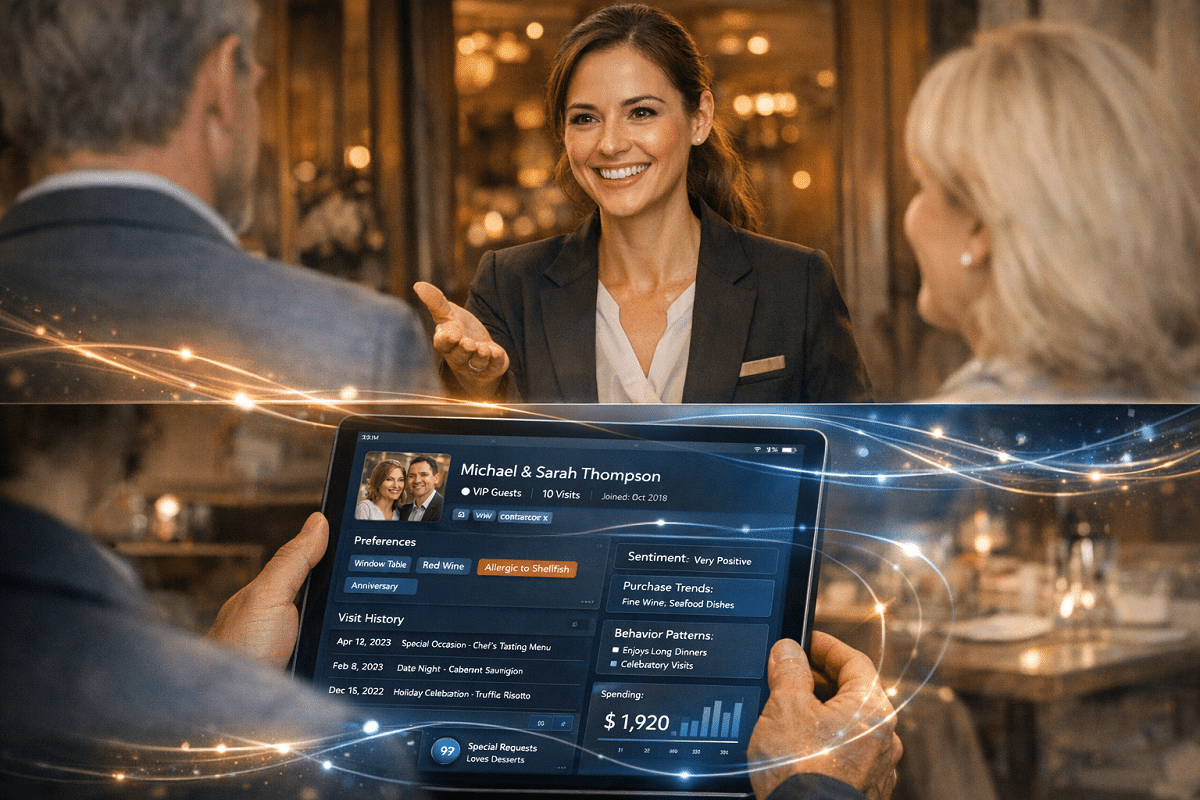
Why 8 in 10 First-Time Guests Never Return (And How to Fix It)

The harsh reality every restaurant owner faces: you spend $83+ to acquire a guest, they enjoy their meal, leave satisfied, and you never see them again. This isn’t just a customer service problem, it’s a million-dollar revenue leak that’s bleeding your business dry.

In Bloom Intelligence’s 2026 study of first-time guests, about 8 in 10 first-time restaurant guests never make a return visit. For a restaurant generating $2 million annually, this statistic represents a staggering $1.4 million in lost potential revenue from guests who walk away forever after just one experience.

But here’s what separates thriving restaurants from failing ones: the restaurants that crack the code on guest retention don’t just survive, they dominate their markets.

Our data from over 100 million guest records shows that 60% of restaurant revenue comes from repeat guests, yet most restaurants are still playing a costly game of revolving-door guest acquisition.

The Real Cost of the First-Visit Problem

The economics are brutal. For example, fast casual restaurants spend an average of $83+ to acquire a single guest, while existing guests spend 67% more per order than first-time visitors. When you lose 8 in 10 first-time guests, you’re essentially lighting marketing dollars on fire.
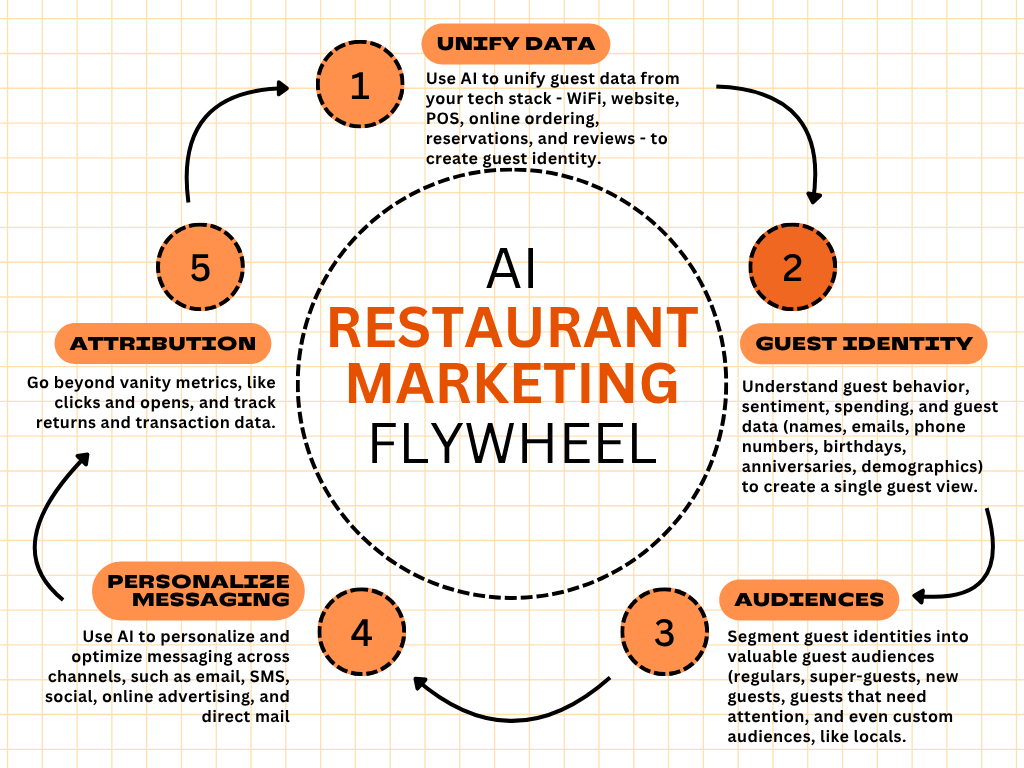
Consider this scenario: A restaurant with 100 new guests per week spends $8,300+ weekly on acquisition. If 80 of those guests never return, that’s $6,640+ in marketing spend that never pays back, every single week. Over a year, that’s more than $345,000 in acquisition costs with zero return.

The compounding effect is even worse. The cost of acquiring a new guest is 5-7 times higher than retaining an existing one. Smart restaurants turn the 2 in 10 who come back into regulars, then super guests, and systematically win back the rest.

Why First-Time Guests Vanish: The Four Critical Failure Points


The Four Critical Failure Points

1

The Experience Disconnect

When the dining experience doesn’t meet expectations or lacks memorable moments, guests feel disconnected from your brand and unlikely to return.

Lost emotional connection = Lost customers
2

The Personalization Vacuum

Generic, one-size-fits-all approaches ignore individual preferences and dining history, making guests feel like just another number.

No personal touch = No personal loyalty
3

The Follow-Up Failure

Missing the critical window to reconnect with guests after their visit leaves them forgotten and open to competitors’ advances.

No follow-up = No second chance
4

The Incentive Gap

Lack of compelling reasons to return or rewards for loyalty leaves guests with no motivation to choose you over competitors.

No incentive = No return visit
⚠️

The Compound Effect

Each failure point amplifies the others, creating a cascade that turns potential loyal customers into one-time visitors. Address all four systematically to break the cycle and build lasting guest relationships.


1. The Experience Disconnect

Research by Bain & Company reveals that 80% of restaurants believe they deliver superior guest service, while only 8% of guests agree. This massive perception gap is where most restaurants lose their guests.

Fast-casual chains often fail when speed trumps experience. A guest orders a $14 bowl, waits 12 minutes instead of the promised 5, and receives an order missing their preferred protein. They don’t complain, they just never come back.

Full-service restaurants lose guests through inconsistent service. A party of four enjoys excellent appetizers and mediocre entrees, then waits 15 minutes for their check. The overall experience averages to “fine,” which in restaurant terms means “never again.”

2. The Personalization Vacuum

Modern guests expect personalization, and restaurants that fail to deliver see significantly lower retention rates.

When a guest receives the same generic “Thanks for visiting!” message as everyone else, or gets offers for items they’ve never ordered, the message is clear: “You’re just another transaction.”

Smart restaurants use behavioral data to create meaningful personalization. When a guest usually visits at lunch and orders online, they receive lunch offers by email. When someone consistently orders for pickup, they get pickup offers, not dine-in promotions.

3. The Follow-Up Failure

Without a strong reason to return (such as a loyalty program, personalized follow-up, or exclusive offers) guests explore other options.

Most restaurants treat the transaction as complete when the guest leaves. Smart restaurants understand that’s when the real work begins.

4. The Incentive Gap

Without giving guests a compelling reason to return, restaurants miss the opportunity to convert one-time visitors into repeat guests.

The most successful restaurants create multiple touchpoints and reasons to return before the guest even finishes their first meal.

The Simple Solution: Marketing That Works While You Sleep

Here’s the truth: turning first-time guests into lifelong advocates doesn’t require a marketing degree or a huge team. With the right platform, what seems impossibly complex becomes surprisingly simple.

The best restaurant marketing platforms work like this: A guest connects to your WiFi, places an online order, or makes a reservation. Instantly, their information flows into a unified system that builds their profile automatically. The platform tracks their visit frequency, order history, and engagement patterns. No manual data entry. No spreadsheets. No complexity.

Within 24 hours, that guest receives a personalized message based on their actual behavior: “Thanks for trying our Nashville Hot Chicken! Here’s 15% off when you come back to try our new Korean BBQ bowl, valid for the next 10 days.”

If they return, the system notes their order history and visit patterns. If they don’t, it automatically sends a different offer. If they leave a review, it triggers a thank-you message. If it’s their birthday, they get a special celebration offer.

The entire process runs on autopilot. Your staff focuses on service. Your kitchen focuses on food. Your marketing focuses on results.

restaurant marketing flywheel

The Power of Guest Voice: Reviews and Sentiment as Your Secret Weapon

Your guests are telling you exactly how to fix the first-visit problem, you just need to listen systematically. Every review, survey response, and piece of feedback contains operational gold that can transform both your guest experience and your marketing.

The Guest Sentiment Revolution: Modern AI can analyze hundreds of reviews across Google, Yelp, Facebook, TripAdvisor, OpenTable, and Tock to identify patterns instantly. Instead of reading reviews one by one, you get a comprehensive customer sentiment dashboard showing exactly what guests love and what’s driving them away.

Example: In Bloom Intelligence’s analysis of 90,471 reviews over the past year, restaurants answered only 28.5% of their reviews, and 7 in 10 negative reviews went unanswered. Every one of those is a guest telling you what to fix, and a chance to win them back.

From Feedback to Marketing Gold: The same sentiment data that improves operations becomes powerful marketing content. When guests consistently praise your “amazing street tacos,” that becomes the focus of your social media, email campaigns, and bounce-back offers.

But here’s where it gets really powerful: automated review responses that turn negative experiences into return visits.

When a guest leaves a poor review, the system immediately sends a personalized message from management, addressing their specific concerns and offering an incentive to return. Across Bloom Intelligence restaurants, automated win-back recovers 38% of at-risk guests.

The Data-Driven Advantage: Modern platforms can analyze your reviews and identify exactly which operational issues are driving guests away. Instead of guessing why guests don’t return, you get clear insights: “47% of negative reviews mention wait times during dinner service,” or “guests consistently praise your weekend brunch atmosphere.” This data guides both operational improvements and marketing messaging.

Celebrating Life’s Moments: The Birthday and Anniversary Advantage

Nothing transforms a regular guest into a super guest faster than making them feel special on their most important days. Birthday and anniversary campaigns consistently deliver the highest ROI of any marketing initiative, with response rates often exceeding 50%.

The Birthday Effect: When a guest receives a personalized birthday message with a special offer, they don’t just redeem it, they bring friends and family. Average birthday redemption parties spend 150% more than regular visits and often introduce new guests to your restaurant.

Anniversary Magic: For couples who celebrated their anniversary at your restaurant, an automated reminder with a special offer creates an emotional connection that goes beyond food. These guests become brand ambassadors, often returning multiple times per year and recommending your restaurant for other celebrations.

The Automation Advantage: With the right platform, these celebrations happen automatically. The system tracks important dates, sends personalized messages, and even suggests menu items based on what they ordered during their last celebration. Your team doesn’t manage calendars or send individual emails, they just see happy guests walking through the door.

birthday offer to bring back guests

The Simple Path: From First-Timer to Super Guest

The journey from first-time guest to super guest isn’t complicated when you have the right system working for you:

Day 1: The Welcome

  • Guest connects to WiFi or places an online order
  • System automatically captures contact info and visit data
  • Welcome message sent within 24 hours with a personalized offer

Day 7 to 14: The Return

  • If the guest returns: the system tracks order history and sends a thank-you message
  • If the guest does not return: an automated bounce-back offer with new menu recommendations

Day 30: The Relationship

  • Regular guests automatically enrolled in your loyalty strategy
  • Birthday and anniversary dates captured and stored
  • Personalized offers based on visit frequency and order patterns

Day 90: The Advocacy

  • Super guests identified through frequency and spend patterns
  • Exclusive experiences and VIP treatment
  • Referral incentives and special event invitations

The entire process is invisible to your staff and seamless for your guests. They just experience consistently relevant offers and the feeling that your restaurant recognizes their loyalty.

Real-World Success: How Top Restaurants Win the Retention Game

Across Bloom Intelligence restaurants, automated retention wins back 38% of at-risk guests, and the average location recovers $53,000+ in revenue in the first year. Beachside Hospitality Group recovered 38% of its lost guests with automated win-back campaigns, while saving 15 to 20 hours a week on review management. The pattern is the same everywhere: capture every first-time guest, follow up within days, and keep reaching out on each guest’s own visit rhythm.

Your Action Plan: Turning the First-Visit Problem Around

The good news? You don’t need a marketing team or technical expertise to solve the first-visit problem. You just need the right restaurant marketing platform that makes guest retention automatic.

Week 1: Choose Your Platform

Look for a solution that automatically:

      • Captures guest data from WiFi, online orders, reservations, POS systems, website interactions, and reviews
      • Creates unified guest profiles without manual work
      • Sends personalized messages based on guest behavior
      • Tracks which campaigns actually drive return visits

Week 2-4: Launch and Learn

      • Deploy automated welcome campaigns for new guests
      • Set up birthday and anniversary celebrations
      • Begin collecting guest sentiment from reviews and surveys
      • Start measuring your baseline guest retention rates

Month 2: Optimize and Scale

      • Refine your bounce-back offers based on performance data
      • Use guest sentiment insights to improve operations
      • Launch loyalty strategy for regular guests
      • Create exclusive experiences for super guests

The key is simplicity: Choose a platform that handles the complexity behind the scenes while delivering results you can measure. The most successful restaurants focus on guest experience while their marketing platform does the heavy lifting automatically.

The Technology That Makes It Possible

The most successful restaurants don’t manage multiple platforms, complicated spreadsheets, or manual processes. They use integrated solutions that make guest retention feel effortless.

What to Look For:

      • Automatic Data Collection: Captures guest visit patterns, order history, and contact information without staff involvement
      • AI-Powered Personalization: Sends the right message to the right guest based on their behavior patterns
      • Unified Guest Profiles: One complete view of each guest’s visit frequency, spending, and engagement
      • Sentiment Analysis: Automatically understands what guests love and what needs improvement
      • Celebration Automation: Never misses a birthday or anniversary opportunity
      • Performance Tracking: Shows exactly which campaigns drive return visits and revenue

The goal isn’t to become a marketing expert, it’s to have marketing that works automatically while you focus on what you do best: creating amazing guest experiences.

restaurant marketing platform - what to look for

Learn more about comprehensive restaurant marketing strategies that address every aspect of guest retention.

Ready to act on this? How to Turn First-Time Restaurant Guests Into Regulars lays out the step-by-step playbook, including when first-time guests actually come back and a follow-up schedule built around it.

The Bottom Line: Your Million-Dollar Opportunity

The 8-in-10 statistic doesn’t have to be your reality. Restaurants that systematically address guest retention consistently outperform their competition. Bloom’s data shows where to focus: a guest who makes a second visit has a 54.8% chance of making a third, so the first follow-up matters most.

The math is simple: improving retention from 30% to 50% can increase annual revenue by 25-40% without spending an additional dollar on acquisition. For a $2 million restaurant, that’s $500,000 to $800,000 in additional revenue from the same guest base.

But here’s the best part: with the right platform, this transformation happens automatically. You don’t need to become a marketing expert, hire additional staff, or manage complex systems. You just need to choose a solution that makes guest retention as simple as serving great food.

The choice is yours: continue bleeding money on one-time guests who never return, or invest in a platform that systematically converts first-time visitors into lifelong advocates. The restaurants that solve the first-visit problem don’t just survive, they dominate their markets and build sustainable, profitable businesses.

The million-dollar question isn’t whether you can afford to invest in guest retention, it’s whether you can afford not to.


Ready to transform your guest retention strategy? The most successful restaurants use integrated platforms that make guest retention automatic, no marketing expertise required. The technology exists, the strategies are proven, and the ROI is measurable. The only question is: how much longer can you afford to lose 8 in 10 of your first-time guests?

Let Bloom Intelligence Make It Effortless

Bloom Intelligence is an AI-powered restaurant marketing platform. It includes a powerful customer data platform, website integrations, automated guest data collection, one-click audience segmentation, marketing automation via email and SMS, advanced reputation management, and impressive reporting tools.

Bloom makes guest data collection and reputation management effortless, which allows you to quickly execute the strategies listed above, saving you time, increasing customer lifetime values, attracting new guests, improving your reputation, and boosting your bottom line.

Call us or schedule a free demo online and Bloom will show you how our restaurant marketing platform can help you save time and increase your customer lifetime values by automatically building first-party customer databases, unlocking important guest insights to trigger automated marketing at the right time and place, discover true guest sentiment, save at-risk guests, increase your current guests’ frequency, supercharge your website, and find new guests.

Click to schedule a Free Online Demo, or call 727-877-8181 to see how we can help you drive tangible results for your restaurants.