


Maximizing Guest Data for Effective Targeted Marketing
In the restaurant industry, where understanding and utilizing guest data effectively can be the difference between thriving and merely surviving, the adoption of advanced Customer Data Platforms (CDP) has become crucial.
These platforms transform the landscape of restaurant marketing by turning data into actionable insights, personalizing guest experiences, and shaping the future of targeted marketing strategies.
In an era where attracting and retaining guests is a significant challenge, a restaurant CDP serves as a powerful tool. By aggregating and centralizing guest data, it provides restaurants with the insights needed to create targeted marketing strategies.
A study by McKinsey & Company revealed that data-driven organizations are 23 times more likely to acquire customers, highlighting the importance of such tools in the restaurant industry.

Data Aggregation and Centralization
The journey with a CDP begins with data aggregation, which involves collecting data from various sources such as POS systems, online reservations, WiFi logins, online ordering, review sites, website activity, and social media interactions.
This process is crucial as it captures a comprehensive range of guest behaviors, demographics, and preferences. The platform then centralizes this data to offer a unified view of the guests’ interactions with the restaurant.
This unified customer view is significant as it provides a holistic understanding of each patron’s interactions with the restaurant. For instance, it combines transactional data, such as order history from the POS system, with engagement data, like on-premise behavior, offering a complete picture of the guest’s preferences, frequency of visits, and spending habits.
Such an integrated approach not only aids in creating personalized marketing strategies but also enhances the overall guest experience.
In essence, the multi-source data collection and integration capability of CDPs is a game-changer, allowing restaurants to transition from fragmented, siloed customer data to a cohesive, comprehensive understanding of their guests.
This transition is pivotal in tailoring marketing efforts effectively and crafting more meaningful and satisfying guest experiences.
Creating Rich Guest Profiles: The Key to Targeted Marketing
The ability of CDPs to create detailed guest profiles is what sets them apart.
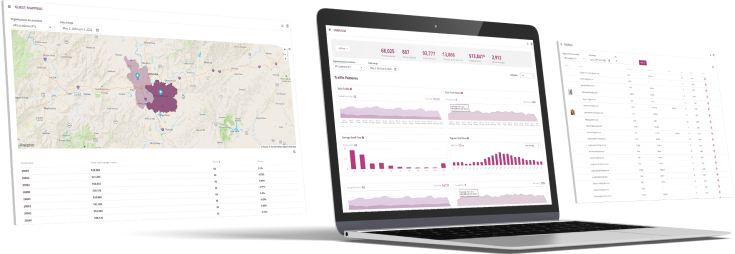
These platforms allow restaurateurs to segment guests into categories based on their interaction patterns, providing the basis for personalized marketing.
Personalization is crucial, as research by Epsilon indicates that 80% of consumers are more likely to make a purchase when offered personalized experiences.
Conclusion: Redefining Restaurant Marketing
In summary, the landscape of restaurant marketing is undergoing a significant transformation, driven by the power of personalized, targeted marketing campaigns.
These strategies, fueled by comprehensive data analysis and customer segmentation, represent more than just a trend. They are rapidly becoming the standard for successful customer engagement in the restaurant industry.
The benefits of this approach are clear and compelling.
By adopting personalized, targeted marketing campaigns, restaurants can enjoy deeper customer engagement, increased loyalty and retention, higher conversion rates, and more efficient use of marketing resources.
Furthermore, these strategies provide valuable insights that can inform future marketing decisions, product development, and brand shaping, enhancing the overall customer experience.
As we move forward, it is evident that the restaurants that will thrive are those that recognize and adapt to the importance of personalization and targeting in their marketing efforts.
Embracing these strategies not only offers immediate benefits in terms of sales and customer satisfaction but also positions restaurants to remain competitive and relevant in an ever-evolving market.
In this dynamic environment, the ability to effectively harness and utilize customer data for personalized marketing is not just a strategy for growth – it is a fundamental necessity for survival and success.
Discover Bloom Intelligence
Bloom Intelligence is an AI-powered restaurant marketing platform that includes a powerful customer data platform, automated guest data collection, marketing automation, and reputation management tools.
Guest data is collected from many different sources and aggregated into one single platform, making it simple and easy to analyze and segment your restaurant’s guest personas for your restaurant digital marketing and operations decisions.
Data is collected from sources like WiFi logins, online reservation systems, online ordering platforms, POS systems, website forms, social media and more.
Bloom makes guest data collection effortless, allowing you to quickly execute the strategies listed above, saving you time, increasing customer lifetime values, attracting new guests, improving your reputation, and boosting your bottom line.
Click Here to Schedule a Free Online Demo, or call 727-877-8181 to see how we can help you save time and drive tangible results for your restaurants.
FREQUENTLY ASKED QUESTIONS
Common Questions About Restaurant Marketing
Restaurant marketing is the process of getting people to visit your restaurants. Restaurant marketing creates loyalty, provides data to research, analytics, and allows restaurants to gain a better understanding of their ideal customer profile. It utilizes all customer channels: guest WiFi, website, social, rating sites, mobile apps, email, text, and advertising.
WiFi marketing is a marketing technique that uses guest WiFi to collect & clean customer data such as names, emails, phone numbers, customer behavior, and demographics. This data is used to personalize marketing campaigns to increase customer loyalty, build online reviews, and save at-risk customers. The performance of every campaign can be tracked down to the tangible ROI of a customer walking back in your door.
Restaurant reputation management is the process for restaurants to manage customer feedback and creating systems to improve customer experiences, passively build positive online reviews, and save at-risk customers. It is a very important aspect of running a successful restaurant business.
A restaurant customer data platform (CDP) is a unified software system that collects, consolidates, and activates guest data from multiple sources including WiFi networks, POS systems, online ordering platforms, reservation systems, websites, loyalty platforns, event platforms, and review sites. Unlike generic CDPs built for e-commerce or SaaS companies, restaurant CDPs are purpose-built to handle restaurant-specific data sources and create actionable guest intelligence that drives personalized marketing, operational improvements, and revenue growth automatically.
Bloom Intelligence uses machine learning to identify at-risk customers. When one is recognized, the system will send them a message with an incentive to get them to return and re-establish their visit pattern. Bloom users are seeing up to 37% of churning customers return.
Ready to Turn Your Guest Data Into Revenue?
Join 1,000+ restaurant locations using Bloom Intelligence to recover lost guests, automate marketing, and drive measurable revenue growth.
Keep Reading
View All Posts →8 in 10 Restaurant Guests Never Come Back. Here’s What That’s Costing You.
Key Takeaway Eight in ten restaurant guests who have ever visited your location have never returned, creating a measurable revenue...
Your Restaurant Reputation Management Software Only Does 10% of the Job. Here’s What It’s Missing.
Key Takeaway Most restaurant reputation management software only handles review responses. That's just 10% of the value your guest sentiment...
The 13x Guest: How Restaurant Data Analytics Reveals Your Most Valuable Customers
Key Takeaway Your most loyal restaurant guests spend 13 times more than first-time visitors — but most restaurants can't identify,...