

5 Restaurant Social Media Trends for 2025
By now, many restaurateurs have found the painfully apparent need to evolve. So, regardless of how restaurant professionals feel about social media trends, it’s undeniably an essential component for growth in 2025. Unarguably, guest behavior has changed forever.
In fact, 95% of restauranteurs agree that online restaurant technology improves their business. For example, many restaurants that have implemented online ordering receive 2-10x as many orders online as they did via telephone.
1. Facebook Lookalike Audiences
A whopping 33% of restaurants are not paying for social media ads. This statistic exists despite the fact that radio, cable TV, and newspapers are fading away. Likewise, Facebook ads have emerged as the most effective advertising channel for physical locations. However, many restaurants are unaware of the most lucrative way of reaching their target market with lookalike audiences.
How Facebook Lookalike Audiences Work
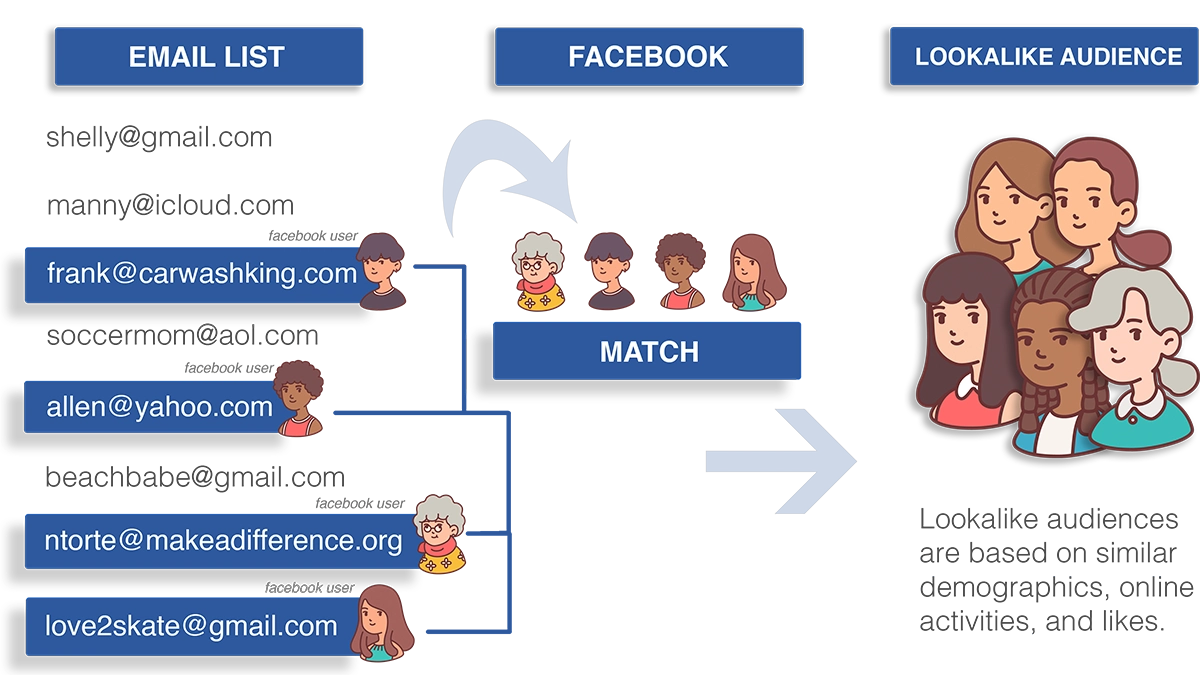
1. Restaurants can upload their email lists to create a Facebook Ads audience.
2. Facebook will connect the emails of current Facebook users.
3. Then, Facebook will match the Facebook users in a list to a similar lookalike audience. As a result, this audience is similar based on demographics, online activities, and likes.
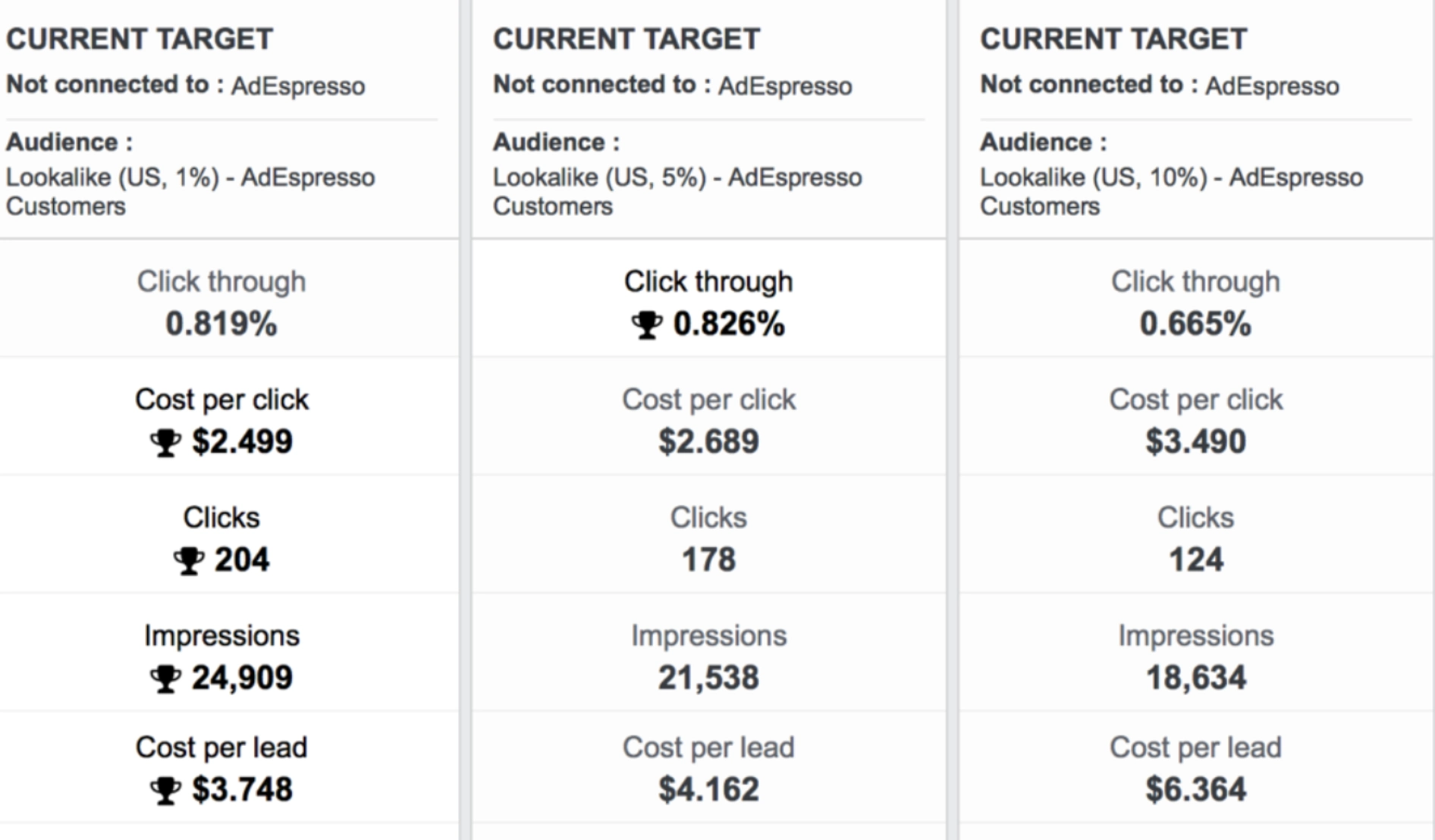
Facebook Lookalike Ad Statistics Based on Audience Drill-Down Percentages
Facebook provides the opportunity to choose the top percentage of lookalike audiences. The lower the percentage, the more identical the audience will be to an uploaded email list.
2. Restaurant Social Media Reputation Management
Today, 3 out of 4 customers look a Facebook comments and images to make informed decisions on retail or restaurant locations. Likewise, Gen X and Millennials are 99% more likely to choose a restaurant based on social media and online reviews. Additionally, restaurant customers are more likely to leave high ratings on Facebook than any other social media platform. When restaurant brands engage with customers, they see these customers spend up to 40% more. Over 71% of customers are more likely to recommend restaurants that quickly respond to social media inquiries.
Unarguably, social media reputation management poses a higher level of importance in 2025 than in any other year. As a result, customers are now more comfortable with researching and communicating with brands online than in person.
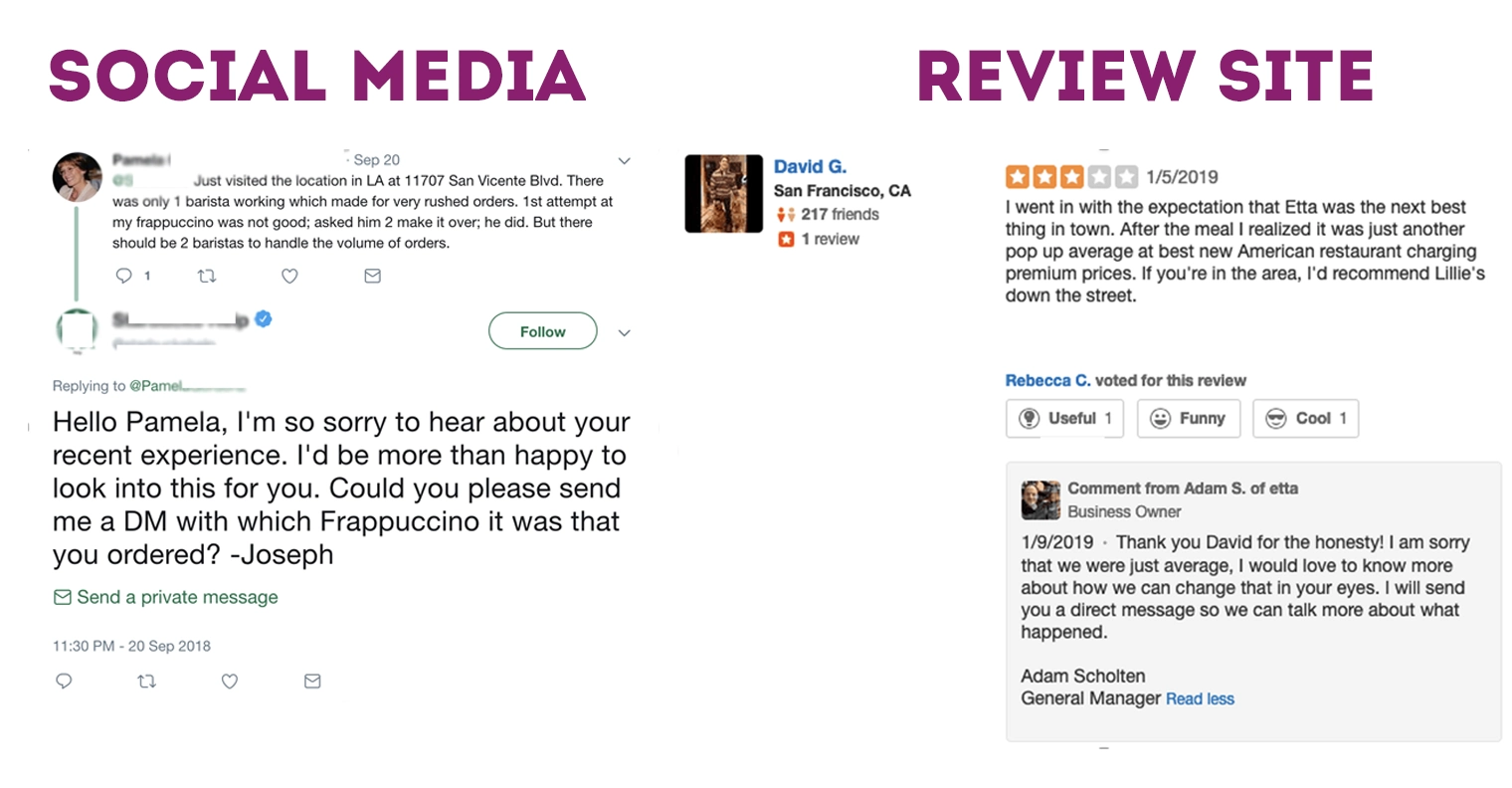
How Social Media Reputation Management Differs from Review Site Reputation Management
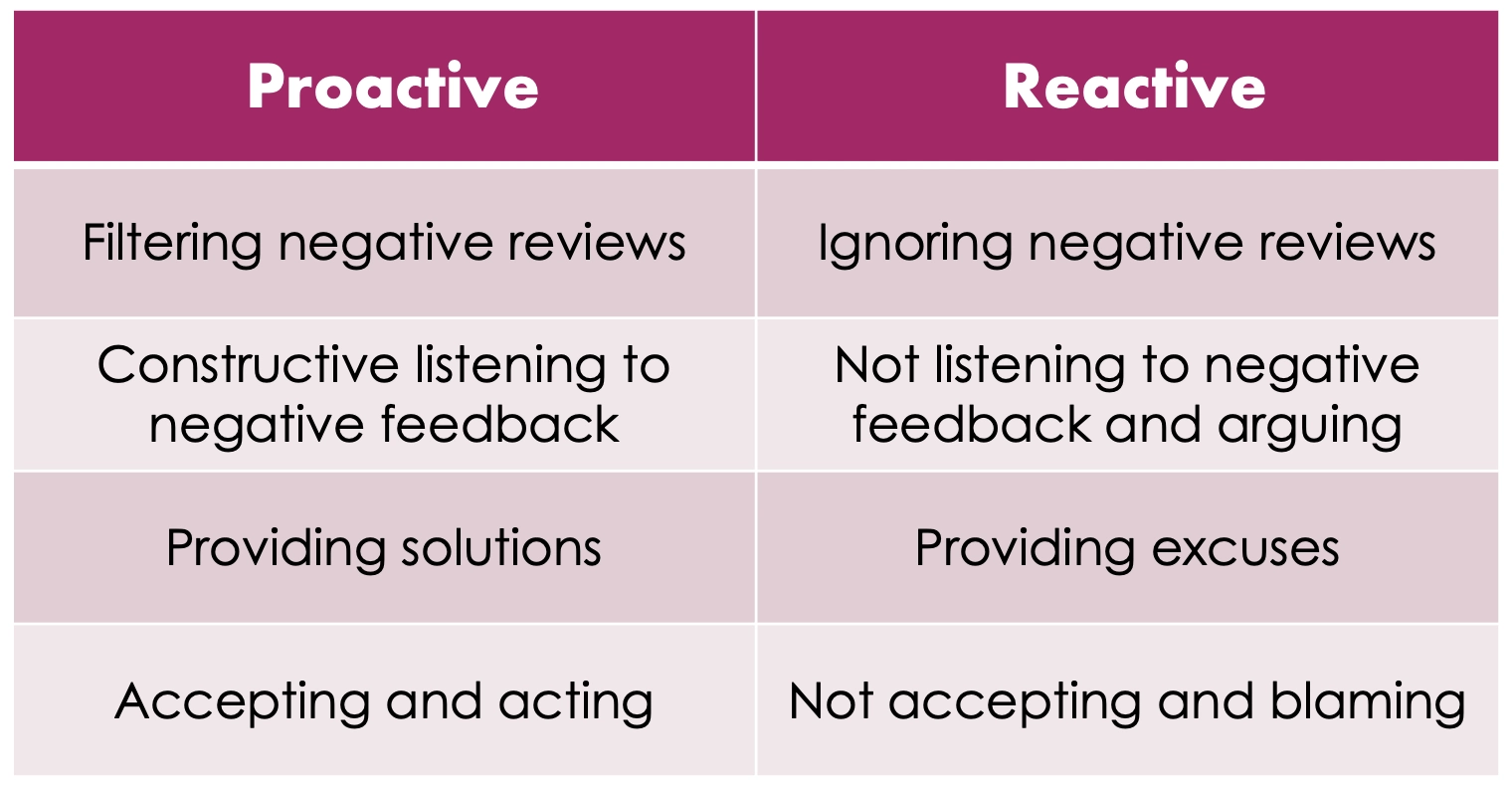
Proactive vs. Reactive Reputation Management
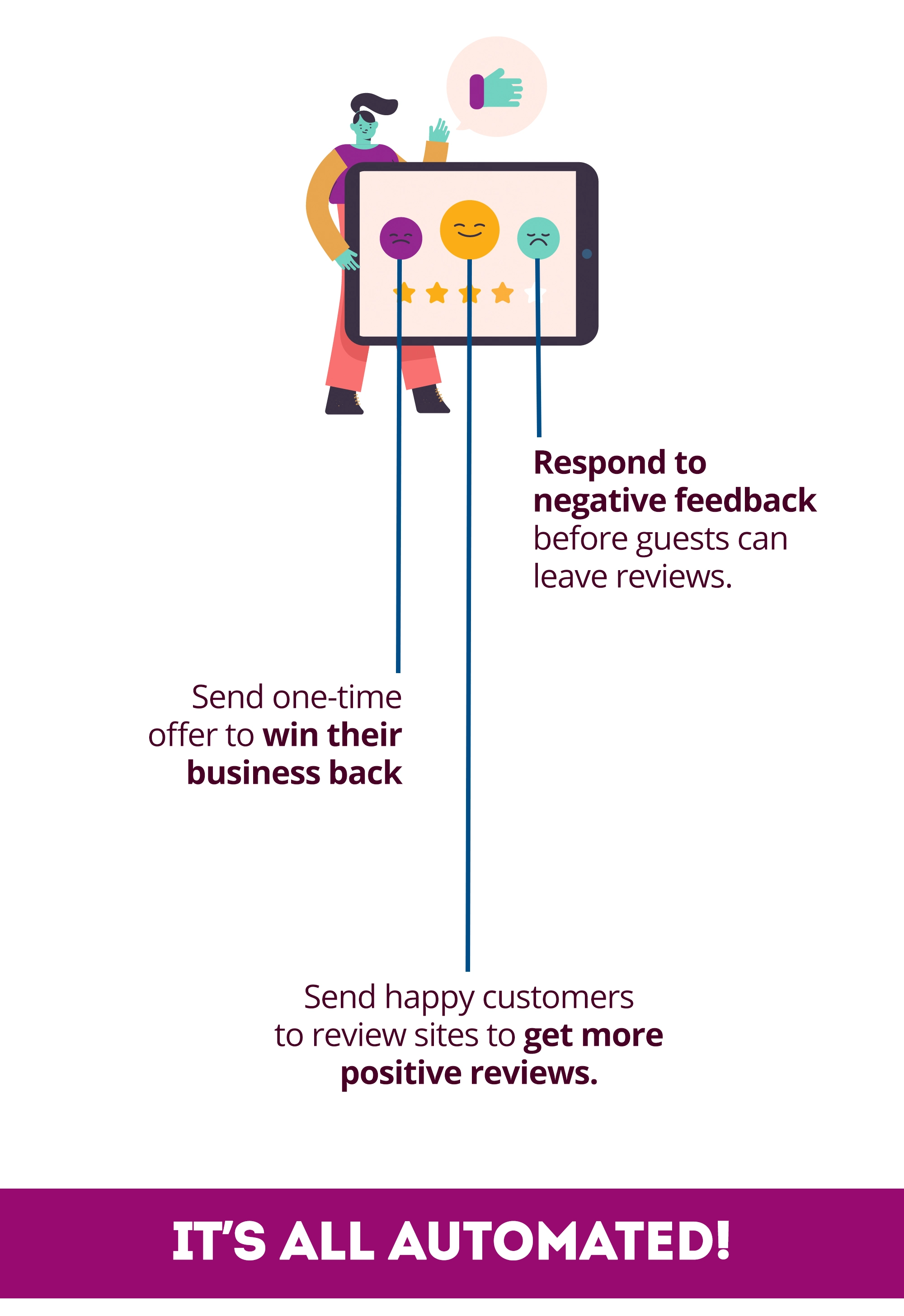
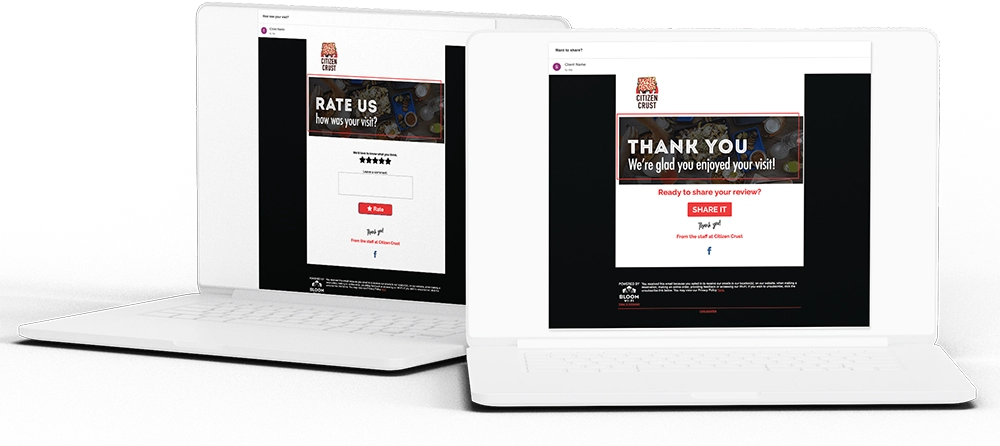
How to Get More Positive Reviews with Bloom Intelligence & Automated Feedback Loop Campaigns
3. Influencers
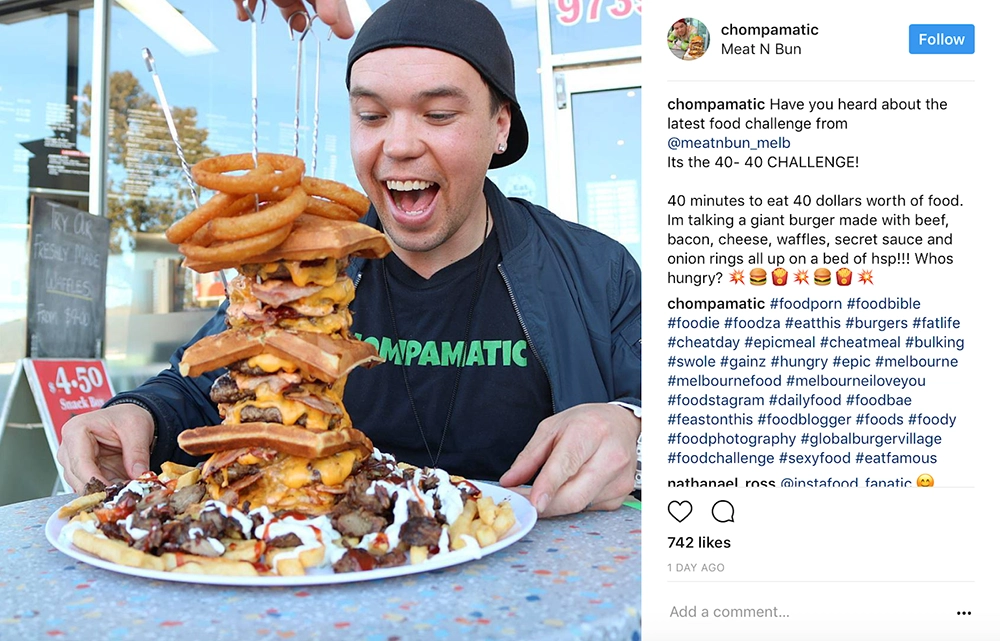
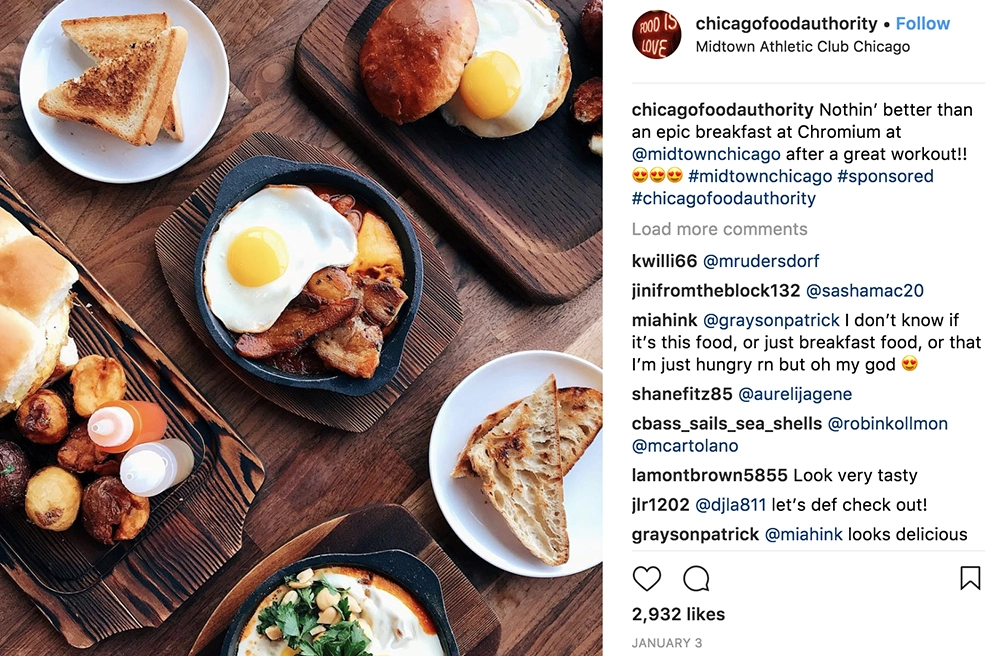
Many restaurants and cafes are turning to social media influencers as an affordable marketing method. For example, below are some examples of restaurant influencers. When choosing influencers, restaurants should:
- Check to make sure the influencer has a high amount of real followers.
- Ensure the influencer has high engagement rates based on their follower counts.
- Determine if the influencer’s follower base matches a restaurant’s target market.
4. Restaurant Social Media Calendars & Scheduling
Delegate
Accountability is an essential component of social media management in the food & beverage industry. Too often, restaurant owners solely attempt to manage their social media without the time to do so. Instead, many restaurant owners may benefit from hiring a marketing person, working with an agency, or delegating social media to an experienced team member.
Social Media Calendars
Social media calendars also help provide accountability. Every month, restaurant professionals can create a calendar that can include:
- Food specials (two-for-one specials, drink specials, etc.)
- Holidays (National Burger Day, Columbus Day, Breast Cancer Awareness Day, etc.)
- Events (live music, game nights, etc.)
- Promotions (loyalty programs, catering, etc.)
- Team features (featuring employee birthdays, anniversaries, introductions, etc.)
- Customer spotlights (featuring loyal customers)
- Sports events (football catering, Baseball on TVs, etc.)
- App features (in-app ordering, loyalty programs, etc.)
- News and public relations
The best time for restaurants to post on social media is between 1 and 3 pm. These times are when most social media sites receive the most traffic. Restaurants and coffee shops can also use social media management platforms like Hootsuite and SproutSocial to view their own best times to post based on engagement rates.
5. Social Media Optimization
Similar to listings such as Google My Business, restaurants need to optimize social media pages.
Social media pages should include:
- Address
- Hours of operation
- Menus
- Phone number
- Reservation links
- Ordering links

Tackling social media and reputation management can help restaurants decrease acquisition costs. As more customers visit a location, more customers will share their experiences to encourage other first-time visitors. Then, loyal customers are more likely to return. In the end, loyal customers bring more revenue than one-time visitors.
For this reason, it’s important to provide customer service where your customers want to reach you. So while adapting to social media management may be uncomfortable, it is an essential element for success in 2025.
FREQUENTLY ASKED QUESTIONS
Common Questions About Restaurant Marketing
Restaurant marketing is the process of getting people to visit your restaurants. Restaurant marketing creates loyalty, provides data to research, analytics, and allows restaurants to gain a better understanding of their ideal customer profile. It utilizes all customer channels: guest WiFi, website, social, rating sites, mobile apps, email, text, and advertising.
WiFi marketing is a marketing technique that uses guest WiFi to collect & clean customer data such as names, emails, phone numbers, customer behavior, and demographics. This data is used to personalize marketing campaigns to increase customer loyalty, build online reviews, and save at-risk customers. The performance of every campaign can be tracked down to the tangible ROI of a customer walking back in your door.
Restaurant reputation management is the process for restaurants to manage customer feedback and creating systems to improve customer experiences, passively build positive online reviews, and save at-risk customers. It is a very important aspect of running a successful restaurant business.
A restaurant customer data platform (CDP) is a unified software system that collects, consolidates, and activates guest data from multiple sources including WiFi networks, POS systems, online ordering platforms, reservation systems, websites, loyalty platforns, event platforms, and review sites. Unlike generic CDPs built for e-commerce or SaaS companies, restaurant CDPs are purpose-built to handle restaurant-specific data sources and create actionable guest intelligence that drives personalized marketing, operational improvements, and revenue growth automatically.
Bloom Intelligence uses machine learning to identify at-risk customers. When one is recognized, the system will send them a message with an incentive to get them to return and re-establish their visit pattern. Bloom users are seeing up to 37% of churning customers return.
Ready to Turn Your Guest Data Into Revenue?
Join 1,000+ restaurant locations using Bloom Intelligence to recover lost guests, automate marketing, and drive measurable revenue growth.
Keep Reading
View All Posts →Restaurant Analytics Software in 2026: Why Sales Dashboards Can’t See the Guest Who Isn’t Coming Back
.bi-post{--bloom-purple:#89206E;--bloom-purple-deep:#351931;--bloom-orange:#F7951E;--bloom-red:#C41F43;--bloom-green:#27AE60;--ink:#1A1A2E;--ink-muted:#6B7280;--border:#E5E5ED;--surface:#F8F7FB;font-family:'Source Sans 3','DM Sans',system-ui,sans-serif;color:var(--ink);line-height:1.7} .bi-post h2{font-family:'DM Serif Display',Georgia,serif;color:var(--bloom-purple);font-size:1.9rem;line-height:1.25;margin:.2rem 0 .9rem} .bi-post h3{font-family:'DM Serif Display',Georgia,serif;color:var(--ink);font-size:1.35rem;margin:1.6rem 0 .6rem} .bi-kicker{display:block;font-size:.8rem;font-weight:700;letter-spacing:.12em;text-transform:uppercase;color:var(--bloom-orange);margin:2.6rem 0 .3rem} .bi-answer{background:var(--surface);border-left:5px...
The Guest WiFi Data Playbook: What Millions of Guest Profiles Reveal About Who Comes Back (and Who Quietly Disappears)
Key Takeaway: Guest WiFi is the only data source that sees every guest who walks through your door, not just...
AI Restaurant Discovery in 2026: 22% of Diners Ask AI Where to Eat — and 83% of Restaurants Are Invisible
Your analytics dashboard says AI sends you zero guests. It's almost certainly wrong. In 2026, 22% of U.S. diners have...